



Getting a family on board with healthier eating doesn’t mean resigning yourself to bland, unappetizing meals or spending hours in the kitchen on a weeknight. The real challenge isn’t finding recipes that fit the Weight Watchers program — it’s finding ones that satisfy both your wellness goals and the people sitting across from your dinner table, especially when you’re juggling work, kids’ activities, and the simple reality that you have maybe 30 to 40 minutes between walking through the door and getting food on plates.
The good news is that Weight Watchers-friendly weeknight dinners don’t require a separate cooking method or special ingredients your family won’t recognize. Instead, it’s about making intentional choices with the foods you’re already cooking: building meals around lean proteins, adding more vegetables without making them obvious, using cooking methods that preserve flavor without adding extra points, and seasoning strategically so nobody feels like they’re eating “diet food.” The dinners that work best are the ones where everyone at the table is eating the same thing, nobody’s picking at their portion or asking what’s wrong with it, and you’re actually enjoying the meal instead of feeling stressed about whether it fits your plan.
This approach to weeknight dinners means you get to reclaim mealtime as something that nourishes both your body and your family life instead of something that creates tension or requires double-cooking. When your kids see you making delicious, satisfying food that happens to be on your plan, something shifts — they start understanding that healthy eating isn’t punishment, it’s just good cooking. And that’s the real win that extends far beyond any number on a scale.
Why Weight Watchers Works for Family Dinners
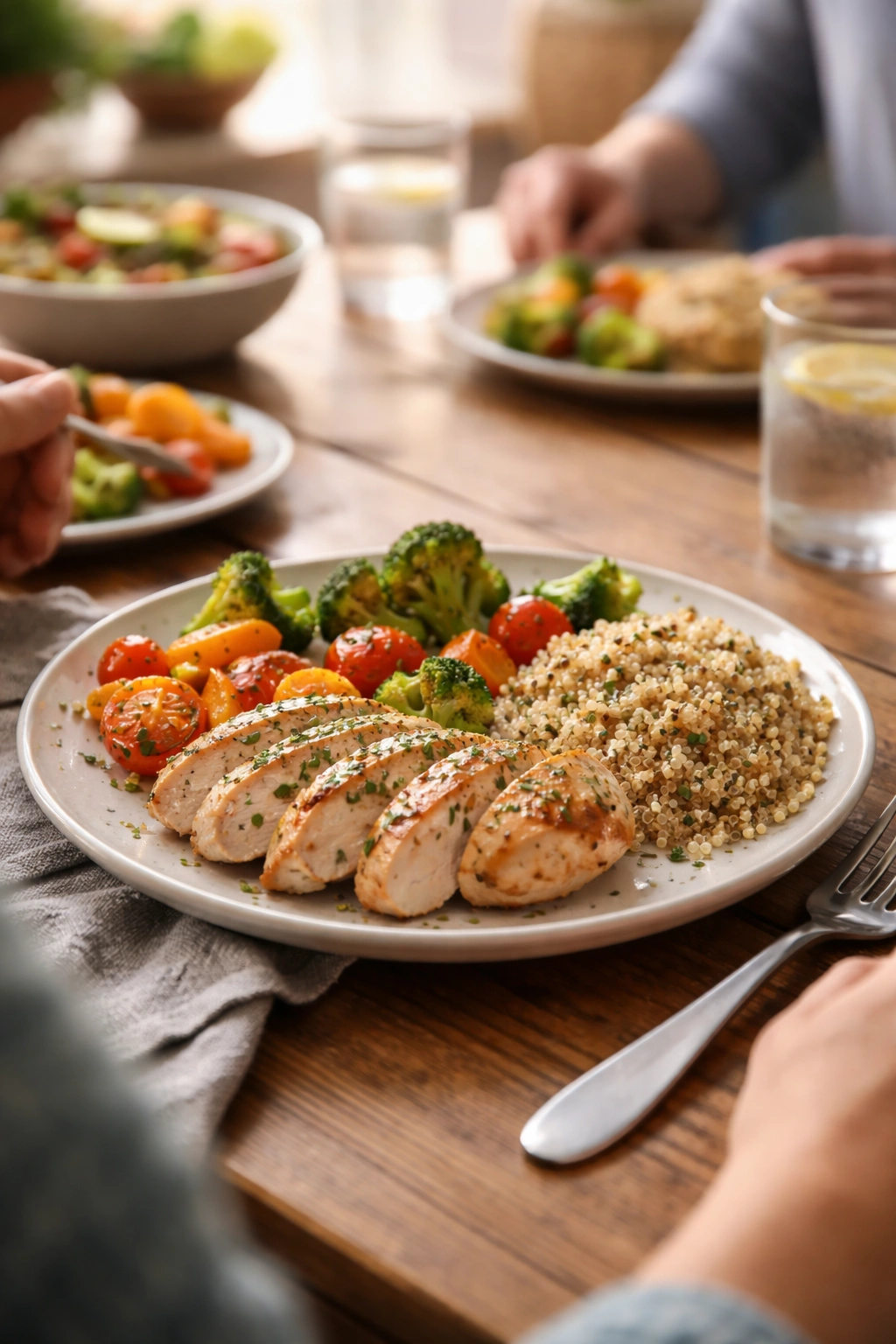
Weight Watchers has built its approach on the premise that no food is forbidden, only that some choices require more points than others. This is fundamentally different from restriction-based diets, which makes it surprisingly family-friendly because it’s built on flexibility rather than rules that feel arbitrary. Your kids don’t need to understand how the points system works to benefit from eating meals built around lean proteins, whole grains, and vegetables — they just experience better food and better energy, and you get to model healthy decision-making without drama.
The beauty of the program for family dinners is that lean proteins, most vegetables, eggs, and many whole grains are zero-point foods depending on which Weight Watchers plan you’re following. This means the foundation of a satisfying dinner can be built on ingredients that feel abundant rather than restricted. You’re not measuring out tiny portions of chicken or apologizing for having seconds of roasted vegetables — you’re serving real, normal-sized dinners that happen to align with your health goals.
Why This Resonates With Family Dynamics
When one person in the household is following a weight-loss program, the traditional approach is cooking two different meals. That creates resentment, burns out the cook, and sends mixed messages to kids about food. Weight Watchers weeknight dinners sidestep that problem entirely because the meals you’re making are legitimately good — they’re not small portions of sad chicken and plain broccoli, they’re flavorful, complete dinners that work for everyone. Your family eats better as a byproduct of your health commitment, which is a win that justifies the small amount of extra planning it takes.
The program’s flexibility also means you can build dinners with variety and genuine pleasure. You’re not eliminating pasta, tacos, pizza, or comfort food — you’re making smarter versions that lower the point cost without sacrificing taste. That distinction matters enormously for weeknight cooking because it means you’re not white-knuckling your way through meals or feeling deprived, both of which make it harder to sustain any eating plan long-term.
Setting Realistic Expectations for Weeknight Cooking
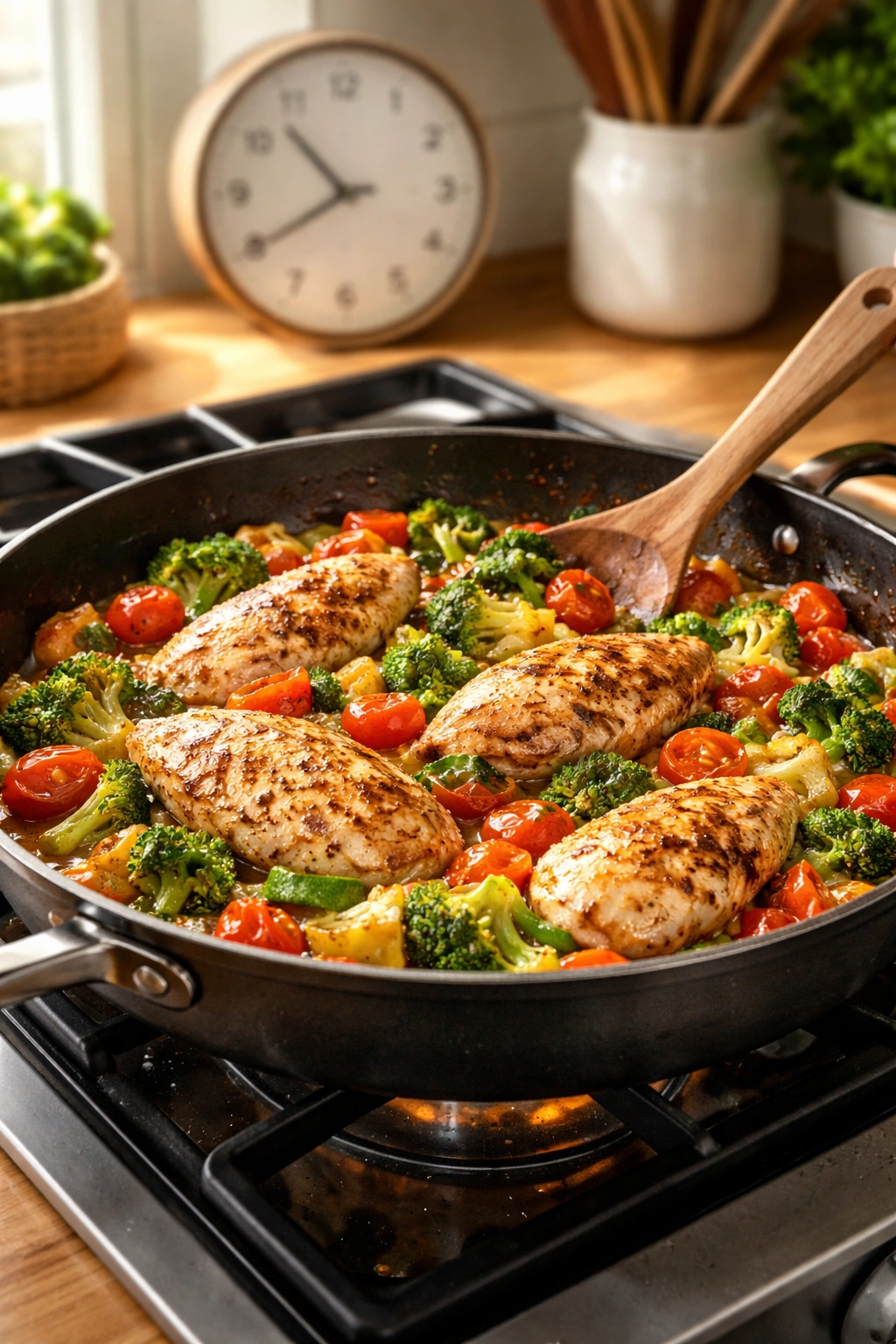
Before diving into specific dinners, it’s worth being honest about what weeknight cooking actually is. It’s not a time for elaborate plating, complex flavor profiles, or techniques that require real estate on your countertop. It’s 30 to 40 minutes, probably interrupted, with kids asking questions or needing something, and a realistic goal is food that’s hot, edible, and doesn’t require you to spend your entire evening standing at the stove.
The best Weight Watchers weeknight dinners are built on this reality. They embrace simplicity without being boring. They use shortcuts (rotisserie chicken, pre-cut vegetables, frozen brown rice) without shame. They’re forgiving recipes where a few extra minutes of cooking time doesn’t ruin the whole dish. And critically, they deliver satisfaction in one pan or pot, which means less cleanup and less time away from your family while you’re washing dishes.
Building Speed Without Sacrificing Nutrition
Speed and nutrition aren’t mutually exclusive when you stop thinking about weeknight dinner as a time to be creative and start thinking of it as a time to execute what you’ve already planned. If you spend 15 minutes on Sunday deciding what you’ll cook Monday through Thursday, you eliminate the “what’s for dinner?” panic that leads to takeout or quick processed options. This small amount of planning is the actual secret — not fancy cooking skills or exotic recipes.
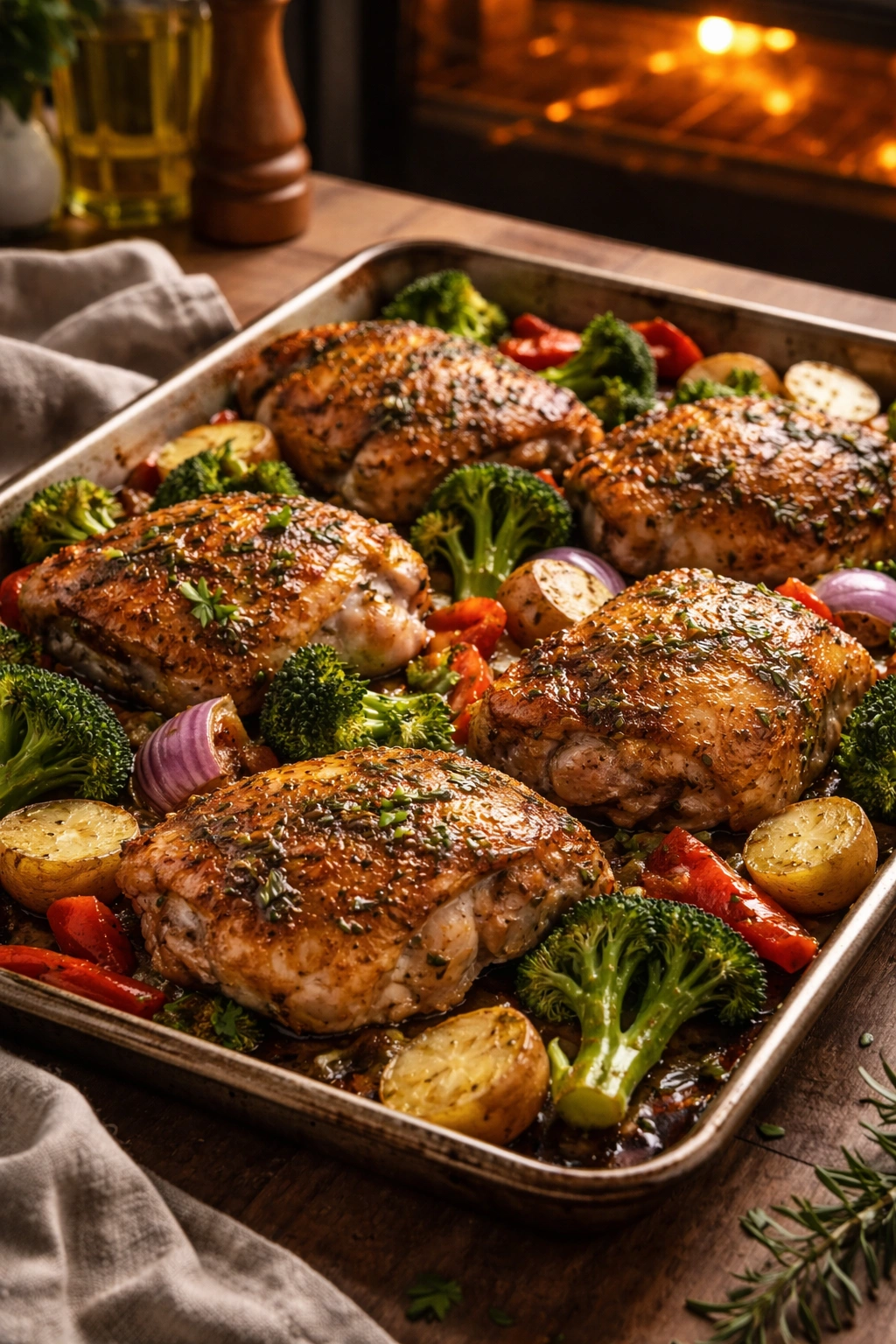
Embracing tools that save time is essential: a slow cooker or instant pot, a grill pan for quick proteins, sheet pans for roasting vegetables. These aren’t lazy shortcuts; they’re how professional kitchens handle volume feeding. You’re essentially borrowing that efficiency for your own family. One pan of roasted chicken thighs, vegetables, and potatoes requires about 5 minutes of active work and 30 minutes of hands-off time while your oven does the work. That’s a complete dinner that everyone will eat, and you were only actually cooking for a fraction of that time.
Smart Shopping and Meal Prep Strategies
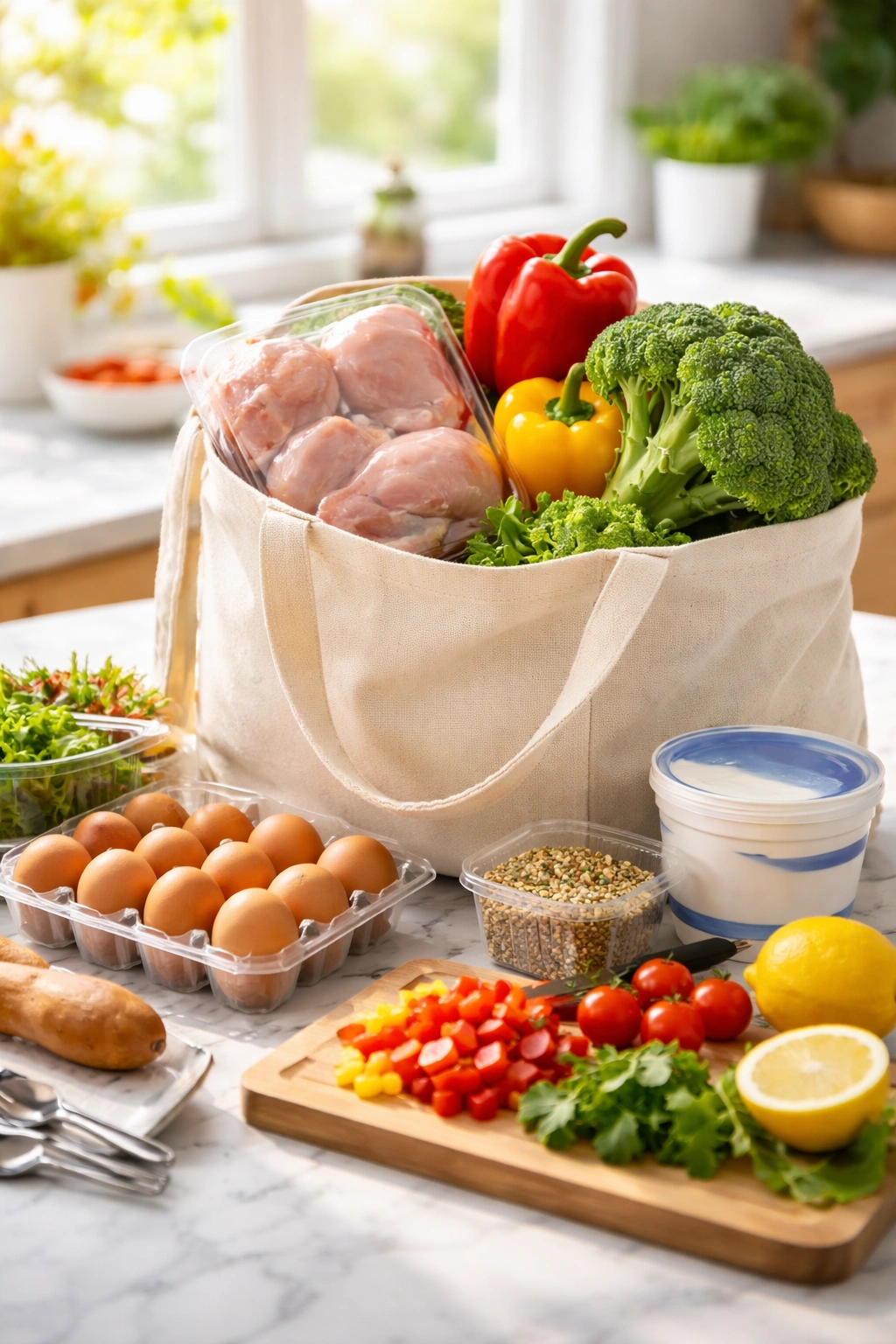
The foundation of successful Weight Watchers weeknight dinners is showing up at the grocery store with an intentional list built around proteins, vegetables, and smart carbohydrates. Without this strategic shopping, you end up with cabinets full of random ingredients and no clear path to dinner, which is when takeout feels like the only option.
Your shopping list should center on proteins that are versatile and relatively affordable: chicken thighs (more flavorful and forgiving than breasts, and a similar point value), ground turkey or lean ground beef, eggs, Greek yogurt, and occasional fish. Buy one or two vegetables on sale that week and build your dinners around those rather than trying to get everything on every list. Peppers and onions are cheap staples, carrots and broccoli keep for a week, and frozen vegetables are honestly just as nutritious and honestly more convenient for weeknight cooking.
The 15-Minute Prep Power Hour
One effective strategy is dedicating 15 to 20 minutes on the day you shop to basic prep work. This doesn’t mean cooking entire meals, just positioning yourself to cook faster. Chop a few vegetables, marinate proteins in a zip-top bag with seasonings and a splash of vinegar, or portion out proteins into freezer-safe containers with the plan for how you’ll use them. This is not ambitious meal prepping — it’s strategic laziness designed to remove friction between getting home and getting food on the table.
If you portion boneless, skinless chicken thighs into individual servings and freeze them with salt, pepper, and garlic, you can go from freezer to a cooked protein in 20 minutes any weeknight. The same works for ground turkey: cook a few pounds on Sunday with onion and garlic, season it multiple ways (some with Italian seasonings, some with taco seasoning), and freeze in portions. Now you have the foundation for tacos, pasta, chili, or rice bowls ready to build throughout the week.
Pre-cut or pre-washed vegetables cost more per pound, but on a weeknight when you’re exhausted, the difference between buying pre-cut broccoli and chopping it yourself is often the difference between roasted vegetables on the table and cereal for dinner. This isn’t a failure of willpower; it’s wise resource allocation. Your time is valuable, and spending an extra dollar or two to make the healthy choice the easy choice is actually good financial planning when you factor in the cost of the takeout you avoided.
High-Protein Main Courses That Satisfy Everyone
The core of any successful Weight Watchers weeknight dinner is a protein-forward main course that delivers satisfaction. Lean proteins are foundational to the program, and they’re also the part of the meal that keeps kids full longer and prevents the 8 p.m. requests for snacks because they’re still hungry from dinner.
Chicken thighs are the secret weapon of family cooking. They’re harder to dry out than breasts, they’re forgiving when cooking times vary, and they taste demonstrably better. Season them with salt, pepper, and whatever herb-based seasoning is in your cabinet, then roast them at 425°F until the skin is golden and the meat is cooked through, about 25 minutes. The only active ingredient is oil or cooking spray in the pan — everything else happens in the oven while you handle side dishes or actually talk to your family.
Ground turkey and lean ground beef work beautifully in dishes where the protein is mixed into sauce or liquid: tacos, pasta sauce, Sloppy Joes with turkey instead of beef, or meatballs braised in tomato sauce. The key is building enough flavor into the base that nobody notices this is a healthier protein. A tablespoon of tomato paste, soy sauce, or vinegar adds massive flavor without points. Garlic, onions, and pepper add dimension. The result tastes like the real thing because it is the real thing.
Building Flavor Into Lean Proteins
The reason many people find Weight Watchers proteins boring is that they try to cook them plain and then wonder why they taste like nothing. Flavor comes from preparation method, seasoning, and what you pair the protein with — not from the fat content of the protein itself. A salmon fillet seasoned with lemon, dill, and black pepper tastes incredible not because salmon is special, but because dill and lemon are a flavor combination humans instinctively love.
The same principle works with chicken. Marinate it in a mixture of oil, vinegar, garlic, and herbs for even 30 minutes before cooking and the flavor depth increases exponentially. Or dress a plainly cooked chicken breast with a flavorful sauce made from broth, mustard, and herbs poured over the top while it’s still warm. The protein itself might be lean, but the dish tastes indulgent because you’ve treated it with respect in the preparation.
Eggs deserve mention as a weeknight dinner protein that often gets overlooked. Shakshuka (eggs poached in spiced tomato sauce), frittatas loaded with vegetables, or simply scrambled eggs with peppers and onions served with whole-grain toast creates a dinner that feels special, is done in 20 minutes, and tastes like real food rather than “diet food.” Your family might be surprised to learn that egg-based dinners are legitimate meals rather than breakfast foods, and that surprise often makes them more interesting.
Vegetables and Side Dishes Kids Will Actually Eat
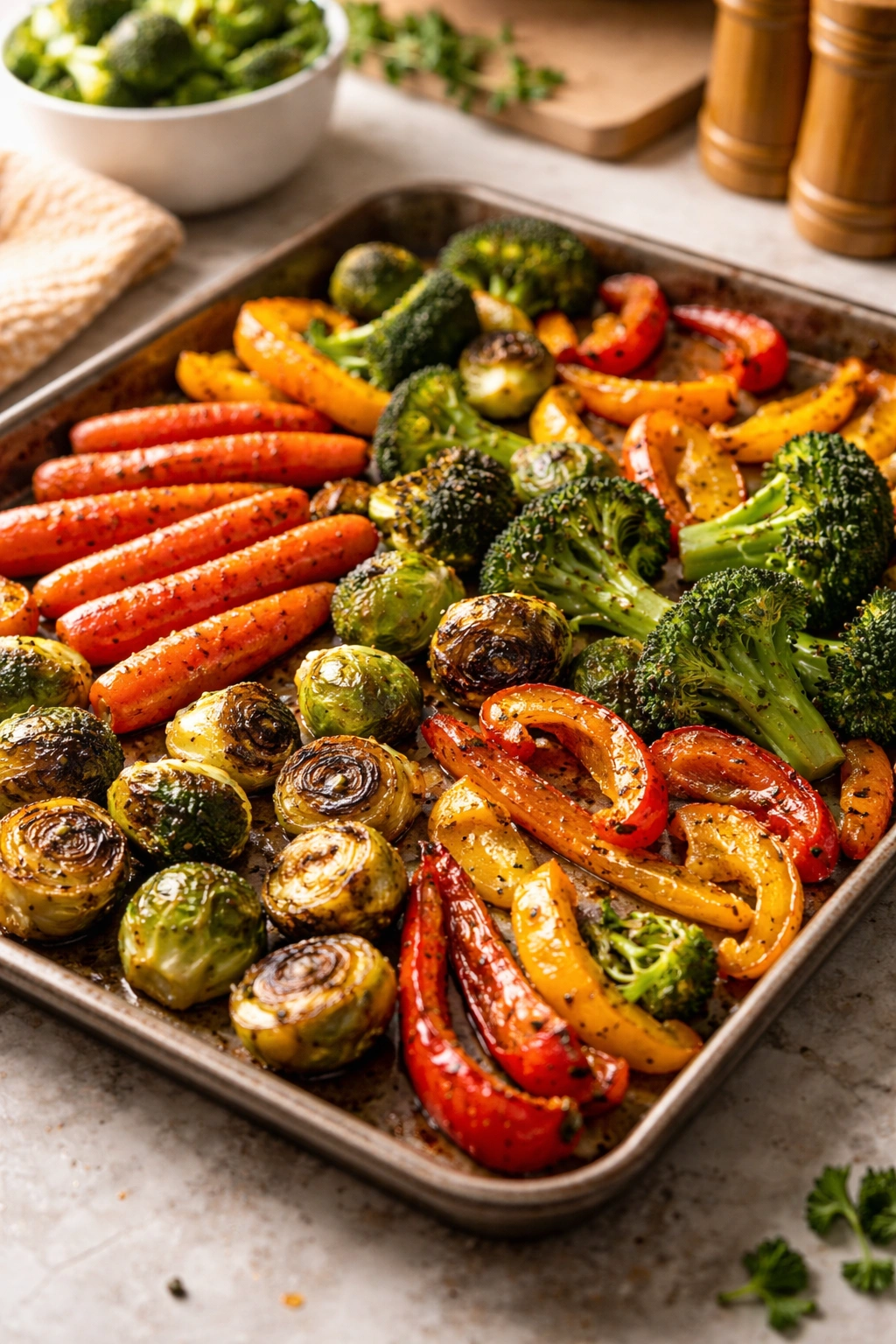
The most important rule for getting vegetables into kids through Weight Watchers family dinners is: don’t announce them. Roasted vegetables with a little salt and oil taste significantly better than steamed or boiled vegetables, and “roasted” feels less like a health lecture to a resistant eater. Cherry tomatoes and mushrooms become almost candy-like when roasted. Brussels sprouts develop crispy edges that taste like chips. Broccoli mixed with roasted red peppers and garlic becomes something kids might actually choose.
The best strategy is roasting whatever vegetables you bought at the store with minimal effort. Chop vegetables into roughly 1-inch pieces, toss with a measured amount of oil or cooking spray, add salt and pepper and whatever dried herbs you have, and roast at 425°F for 20 to 30 minutes while you’re handling the protein. The high heat caramelizes the vegetables’ natural sugars, which is why they taste sweet and delicious rather than bitter or bland. This approach works for carrots, broccoli, Brussels sprouts, cauliflower, zucchini, peppers, and mushrooms.
Making Vegetables Taste Like Something Worth Eating
Vegetables in family dinners often fail because they’re cooked until they’re soft and sad, then eaten with zero seasoning. Reverse this: cook vegetables until they have some texture and char, then season them boldly. A sprinkle of parmesan cheese on roasted vegetables isn’t huge in points but feels indulgent. A drizzle of balsamic vinegar after roasting adds complexity. Garlic powder, smoked paprika, or Italian seasoning applied while the vegetables are still hot taste infinitely better than no seasoning at all.
Mashed sweet potatoes, regular mashed potatoes (made with broth instead of heavy cream to keep points down), rice, quinoa, or whole-grain pasta serve as the starch component of the meal. These aren’t off-limits on Weight Watchers; they’re foundational. The difference between a diet-y dinner and a real dinner is often the presence of a satisfying starch. A dinner with protein, vegetables, and starch feels complete and tastes like real food. A dinner with just protein and vegetables feels incomplete and tastes like punishment.
Salads work as a side, but only if they’re actually appealing. A sad bed of iceberg lettuce with a few vegetables doesn’t feel like an upgrade — it feels like you’re eating rabbit food. A salad with heartier greens, roasted vegetables, a protein, nuts or seeds, and a flavorful dressing becomes a genuine side dish people look forward to. The secret is building a dressing you actually enjoy: vinaigrette, tahini-based dressing, or even a thin ranch made with Greek yogurt. Invest in making the salad taste good, and people eat it.
Seasoning and Flavor Without Extra Points
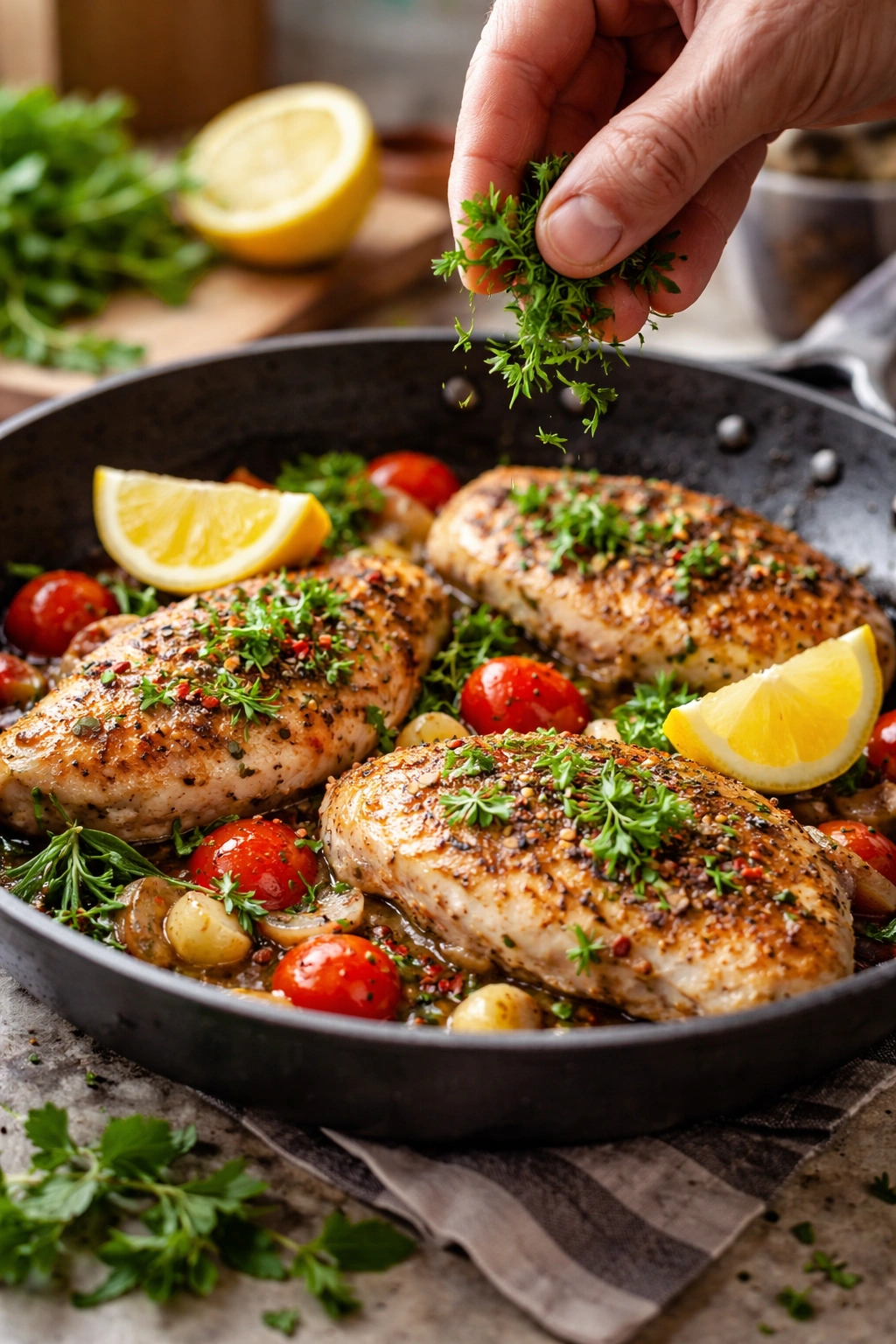
Seasoning is where a functional weeknight dinner becomes something genuinely delicious, and it’s also the place where people often add points without realizing it. Oil, butter, cream-based sauces, and mayo add up quickly. The good news is that herbs, spices, vinegar, citrus, soy sauce, and broth create enormous flavor without any points cost, allowing you to build deeply satisfying dinners without derailing your plan.
Build a small spice cabinet if you don’t have one: garlic powder, onion powder, smoked paprika, cumin, Italian seasoning, chili powder, and black pepper. A little investment here transforms your weeknight cooking. A plain chicken breast with just salt and pepper tastes boring. The same chicken with salt, pepper, cumin, and smoked paprika tastes like actual food. These seasonings cost a few dollars and last for months.
Building Flavor Through Multiple Dimensions
Professional cooks layer flavors across multiple dimensions: salt, acid, heat, funk (from garlic or fermented ingredients), and sweet. You don’t need to understand the science to use it. A squeeze of fresh lemon or lime juice at the very end of cooking creates brightness that makes a simple dish feel complete. A dash of hot sauce adds heat and complexity. A splash of soy sauce or Worcestershire adds umami and depth. A tiny bit of honey or brown sugar balances savory with a subtle sweet note.
Vinegars are flavor superpowers in weeknight cooking: balsamic vinegar, apple cider vinegar, rice vinegar, and red wine vinegar cost next to nothing and transform food. A tablespoon of vinegar stirred into ground turkey while it’s cooking adds complexity that people can’t identify but instantly recognize as “more delicious.” Vinegar also makes acidic marinades that tenderize protein quickly, useful when you’re short on time.
Fresh herbs when you have them (cilantro, parsley, basil) instantly elevate a dish and require minimal effort. Even snipping some frozen chives over a finished plate adds a fresh note. If fresh herbs aren’t in your budget or routine, dried herbs work — they’re less delicate but still effective. The investment here is so small relative to the improvement in taste that it’s almost silly not to do it.
Sheet Pan Dinners for Minimal Cleanup
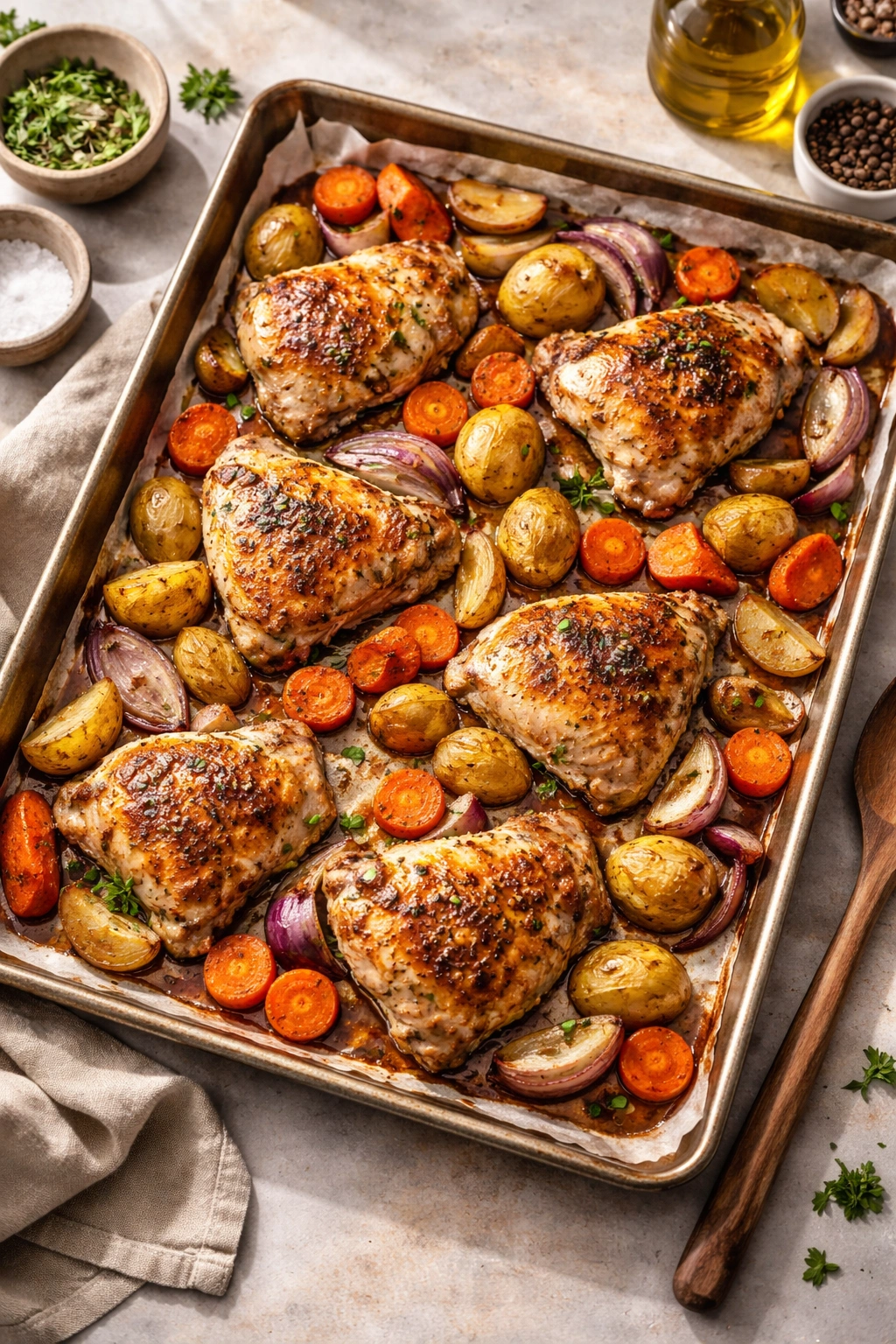
Sheet pan dinners are not a trendy novelty — they’re the actual solution to the weeknight dinner problem: a complete meal that cooks in one pan with minimal active cooking time and one thing to wash. This is not overselling it. On the nights you’re most tired and most likely to default to takeout, a sheet pan dinner is your lifeline.
The formula is simple: lean protein, vegetables, something starchy. Put everything on a sheet pan, drizzle with oil or cooking spray, season, roast at 425°F for 25 to 35 minutes. Done. The protein cooks gently enough that you don’t have to hover over it. The vegetables caramelize while you’re doing other things. The starch cooks through at the same pace as the protein because you’ve cut everything to roughly the same size.
Sheet pan chicken and vegetables: Boneless, skinless chicken thighs cut into 2-inch pieces, carrots cut into 2-inch rounds, baby potatoes halved, onion cut into wedges. Toss with olive oil or cooking spray, salt, pepper, and whatever herb seasoning you like. Roast at 425°F for 30 to 35 minutes until the chicken is cooked through and everything has some caramelization. This works with any combination of vegetables you have.
Sheet pan turkey meatballs with roasted vegetables: Mix ground turkey with minced garlic, an egg, panko breadcrumbs, Italian seasoning, salt, and pepper. Form into meatballs, place on a sheet pan with chopped vegetables, drizzle with oil, and roast at 400°F for 25 to 30 minutes. Serve with marinara sauce if you want sauce, or eat as is with roasted vegetables as the sauce component.
Sheet pan salmon with roasted broccoli and sweet potato: Place salmon fillets skin-side down, surround with broccoli florets and sweet potato cubes, drizzle everything with oil and lemon juice, season with salt and pepper and dill. Roast at 400°F for 20 minutes until the salmon is cooked through. The sweet potato gets creamy inside while developing a caramelized outside.
Why Sheet Pan Dinners Actually Work
The brilliance of sheet pan cooking is that it requires almost no active cooking skill and very little supervision. You preheat the oven while you’re getting everything prepped, then the oven does the work while you set the table or help with homework. There’s minimal chance of something burning or overcooking wildly unless you leave it in the oven for an extra 15 minutes. This makes it fool-proof enough for even the most chaotic weeknights.
The cleanup is genuinely minimal: one sheet pan. Yes, you need to wash it, but one pan is infinitely better than three burners worth of pots and pans. If you line the sheet pan with parchment paper, cleanup is even faster because the paper catches the oil and charred bits. This is a trivial thing but on a Tuesday when you’re exhausted, one pan instead of three changes the entire calculation about whether cooking at home is even possible.
One-Pot and Slow Cooker Meals
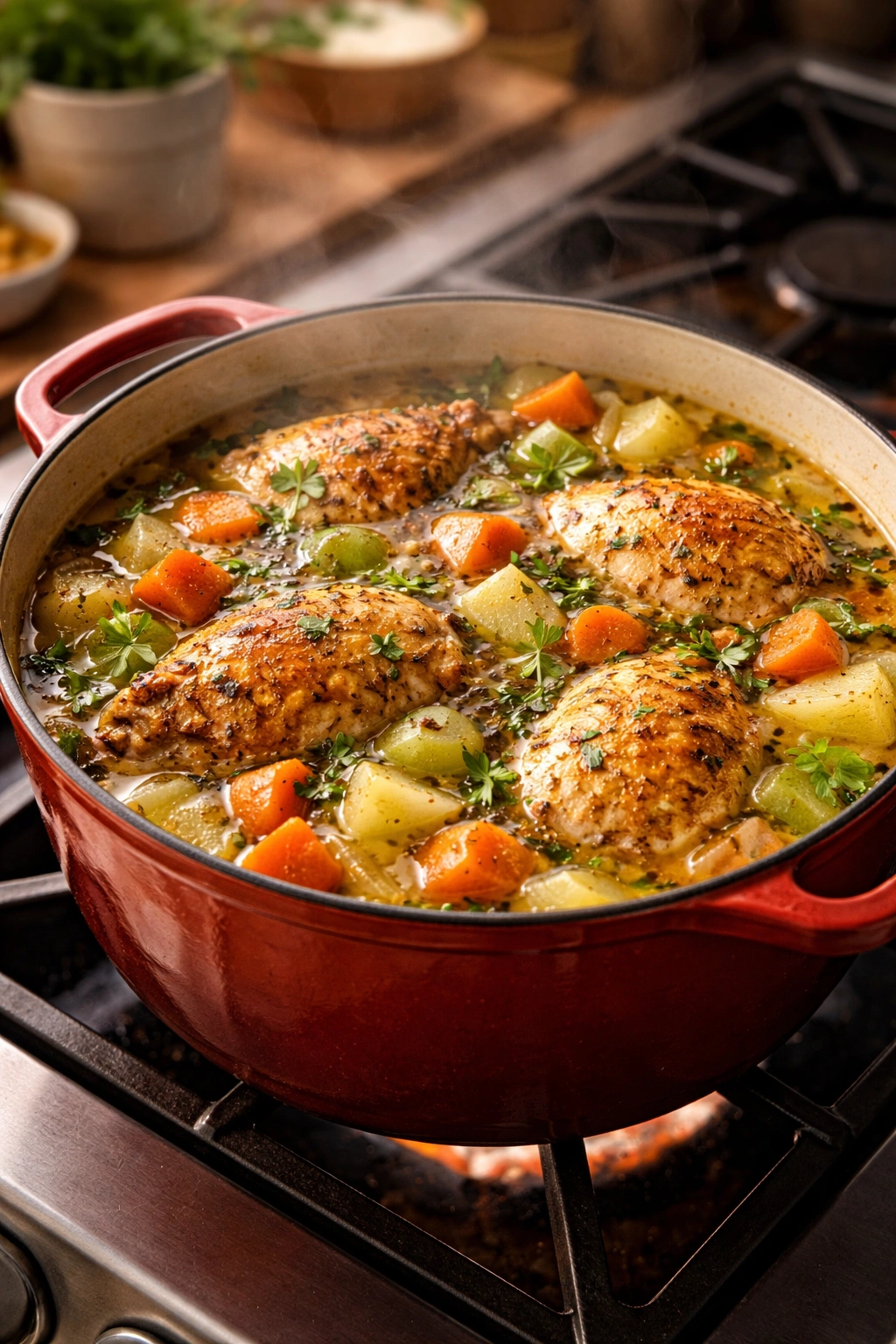
A slow cooker is a utility player on weeknight dinners where you have advance notice that you’ll be busy. The formula is: layer the slow cooker in the morning with protein, vegetables, broth or sauce, cook on low for 8 hours or high for 4 to 5 hours, and dinner is waiting for you when you walk through the door.
Slow cooker chicken and vegetables: Layer chicken breasts or thighs, carrots, potatoes, onions, and chicken broth in the slow cooker. Season with salt, pepper, garlic powder, and thyme. Cook on low for 6 to 8 hours. The result is tender, moist chicken in a light broth with cooked vegetables. Serve over rice or with whole-grain bread to soak up the broth. This is classic comfort food that feels indulgent but is points-friendly depending on the protein you choose and how much broth you use.
Slow cooker chili: Brown ground turkey or lean ground beef in a skillet with onion and garlic, then transfer to the slow cooker with canned beans, diced tomatoes, broth, chili powder, cumin, and salt. Cook on low for 6 to 8 hours. The flavors meld and deepen. Serve with a small amount of shredded cheese and Greek yogurt as toppings. This feeds a family and has built-in leftovers that often taste better the next day.
One-pot stovetop dinners work when you have less advance notice. A large pot with a lid (Dutch oven, deep skillet, or large saucepan) allows you to sauté proteins and vegetables, add broth and maybe rice or pasta, cover, and let the stovetop do most of the work.
One-pot pasta with turkey: Brown ground turkey with onion and garlic in a large pot, add diced tomatoes, broth, dried pasta, and spinach or kale. Cover and simmer until the pasta is tender, about 15 to 20 minutes. The pasta absorbs the broth while cooking, so you end up with a creamy, delicious one-dish meal. The vegetables are cooked into the meal so nobody needs to negotiate eating them separately.
Why These Methods Work for Weeknight Sanity
The hidden benefit of slow cooker and one-pot cooking is the mental relief. With a slow cooker, you don’t have to figure out dinner when you’re exhausted at 5 p.m. It’s already done. With a one-pot meal, you have one cooking vessel to manage instead of juggling multiple burners and pans. This sounds like a small thing but it changes the entire experience of weeknight cooking from stressful to manageable.
These cooking methods also force you away from heavily processed convenience foods. When dinner is something you started hours earlier or something you’re actively building on the stove, takeout feels less like a reasonable option, which means you stay on track with your plan without willpower.
Quick Pasta Dishes on the Weight Watchers Plan
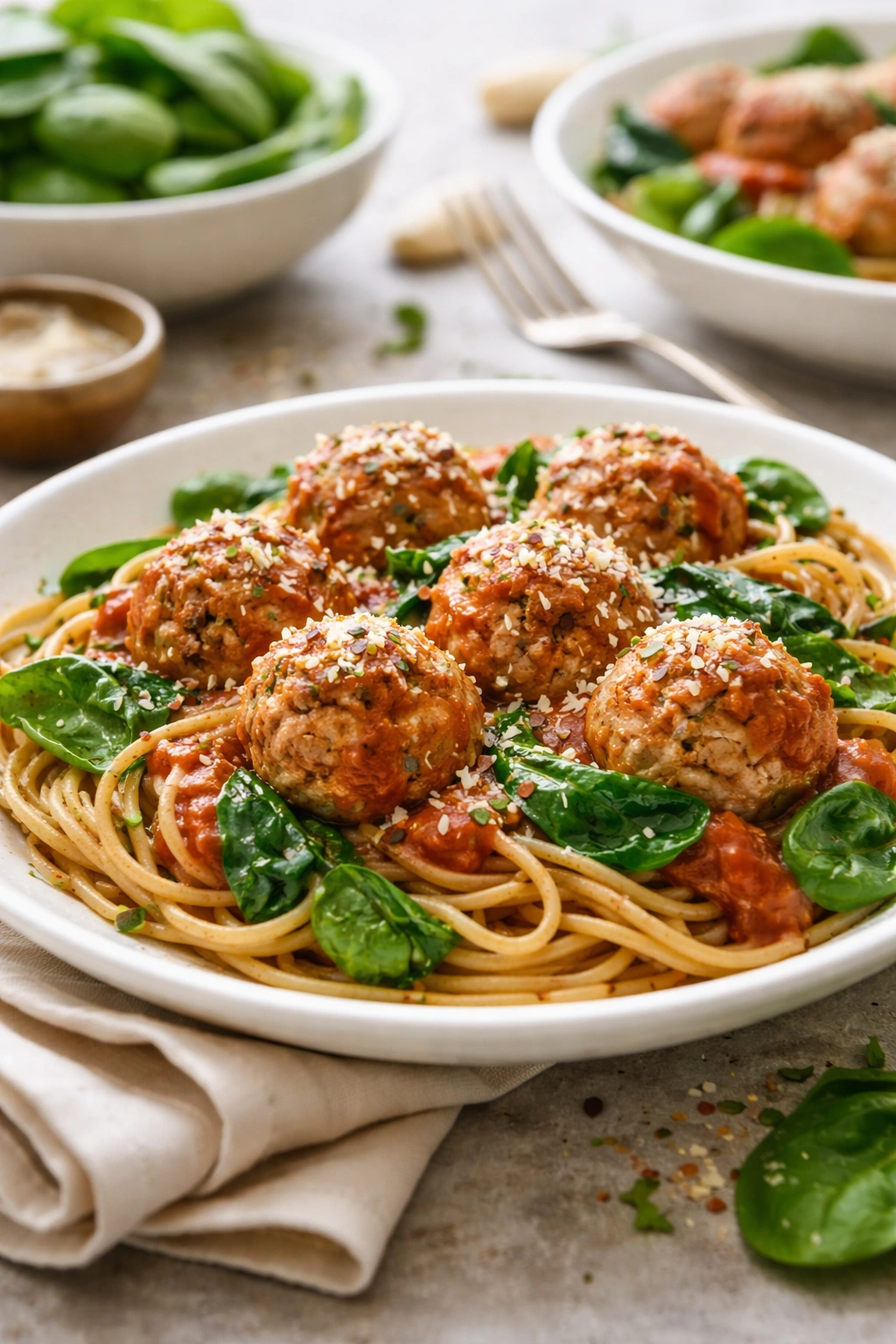
Pasta doesn’t have to be off-limits or relegated to occasional treats on Weight Watchers. The formula for keeping pasta within your plan is simple: build the meal around vegetables and lean protein, use whole-grain or chickpea pasta if it’s available (usually similar points to regular pasta but with more protein and fiber), and don’t drown everything in cream sauce.
Pasta with turkey meatballs and marinara: Make or buy turkey meatballs, simmer them in marinara sauce, toss with whole-grain pasta and fresh spinach. A sprinkle of parmesan cheese (small amount) adds richness without huge points. This tastes indulgent because it is indulgent — it’s delicious — but it’s also nutritious and points-reasonable.
Pasta primavera: Toss cooked pasta with whatever vegetables you have (zucchini, bell peppers, broccoli, cherry tomatoes), fresh garlic, a measured amount of olive oil or oil spray, fresh basil if you have it, and parmesan cheese. This celebrates vegetables while keeping the pasta as the base. The fresh herbs and cheese make it taste restaurant-quality without cream or heavy sauce.
Shrimp pasta with broccoli: Sauté shrimp with garlic and lemon juice, add roasted broccoli, toss with pasta, finish with a squeeze of fresh lemon and maybe a tablespoon of olive oil and parmesan. Shrimp cooks in minutes, the lemon provides brightness, and broccoli adds volume and nutrition without points-heavy additions.
The key to pasta dinners that work on plan is realizing that pasta is about 20 to 25 grams of carbs per half-cup cooked, and on most Weight Watchers plans that’s tracked. Filling your plate with more vegetables and lean protein and using less pasta than you might have before changes the math while keeping the experience of eating pasta. You’re not eliminating it; you’re building dinners where pasta is a component rather than the entire meal.
Building Better Tacos and Sandwich-Based Dinners
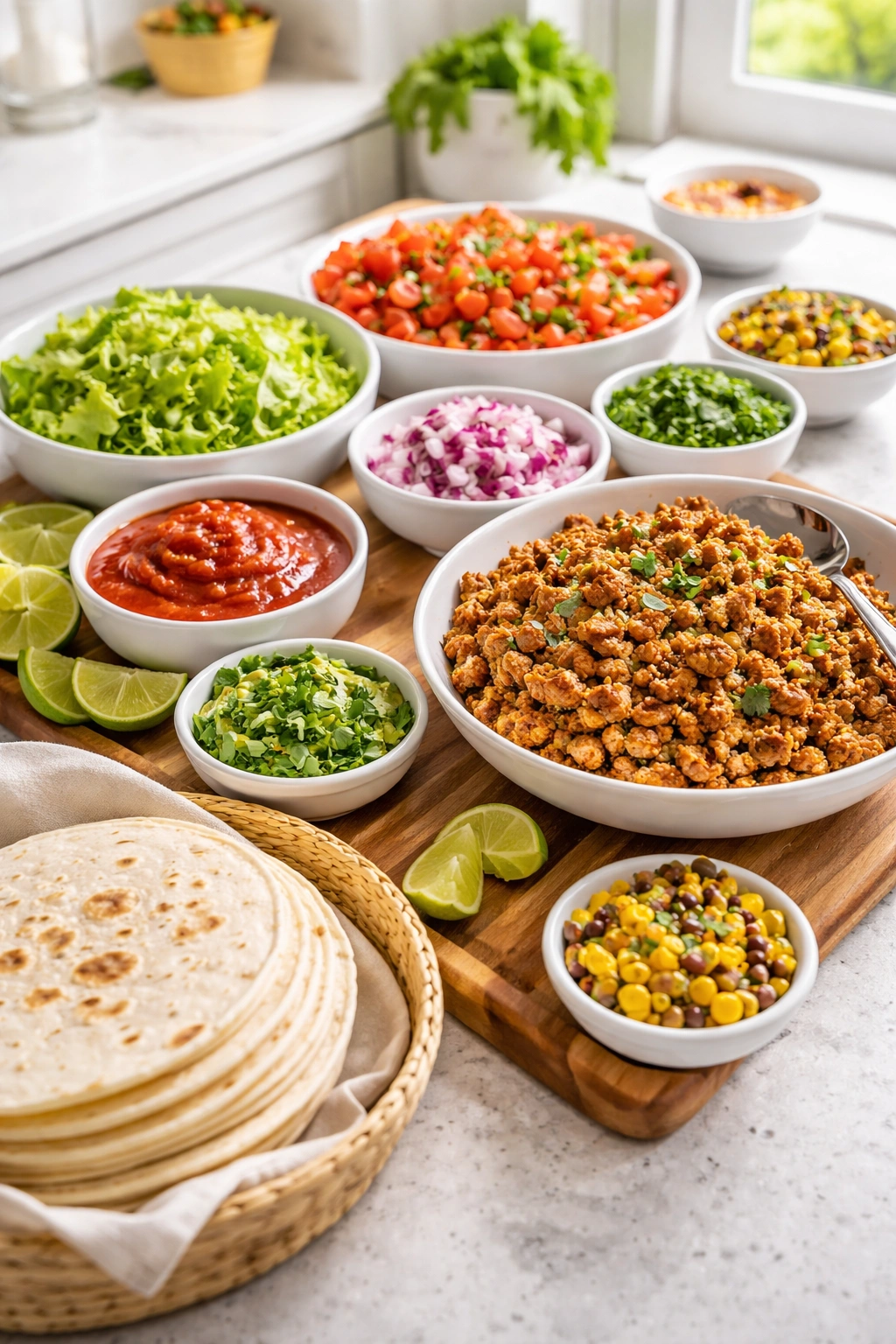
Tacos are a weeknight dinner secret weapon because they’re infinitely customizable, they require minimal cooking skills, and they feel special enough that kids get excited about them. The base is lean ground turkey or beef seasoned with cumin, chili powder, garlic, and hot sauce, served with taco shells, lettuce wraps, or corn tortillas, and topped with whatever vegetables and low-fat toppings you want.
Building a taco bar: This works well for families where people have different preferences. Cook the seasoned meat, warm the shells or tortillas, and put out bowls of shredded lettuce, diced tomatoes, onions, cilantro, salsa, and a measured amount of shredded cheese or Greek yogurt (which adds creaminess with fewer points than sour cream). Everyone builds what sounds good to them. Kids eat more when they have agency, and this approach gives them that agency while keeping you from cooking multiple versions of dinner.
Sandwich-based dinners work similarly. A slow cooker pulled chicken (chicken breast shredded with barbecue sauce or a vinegar-based sauce) served on whole-grain buns or lettuce wraps with coleslaw is a legitimate dinner that doesn’t require multiple components. The slow cooker does the work during the day, and dinner is assembly-based in the evening.
Turkey meatball subs: Slow cooker turkey meatballs in marinara sauce, served on whole-grain hoagies with a measured amount of cheese and fresh spinach. This tastes indulgent and feels special. The slow cooker handles the cooking, and you’re just assembling at dinner time.
Wraps are another sandwich variation where you use a lower-carb wrap or a large lettuce leaf as the vessel and fill with lean protein, vegetables, and a measured-amount spread. This allows for creative assembly and works for lunches the next day if you have leftovers.
Breakfast for Dinner Ideas
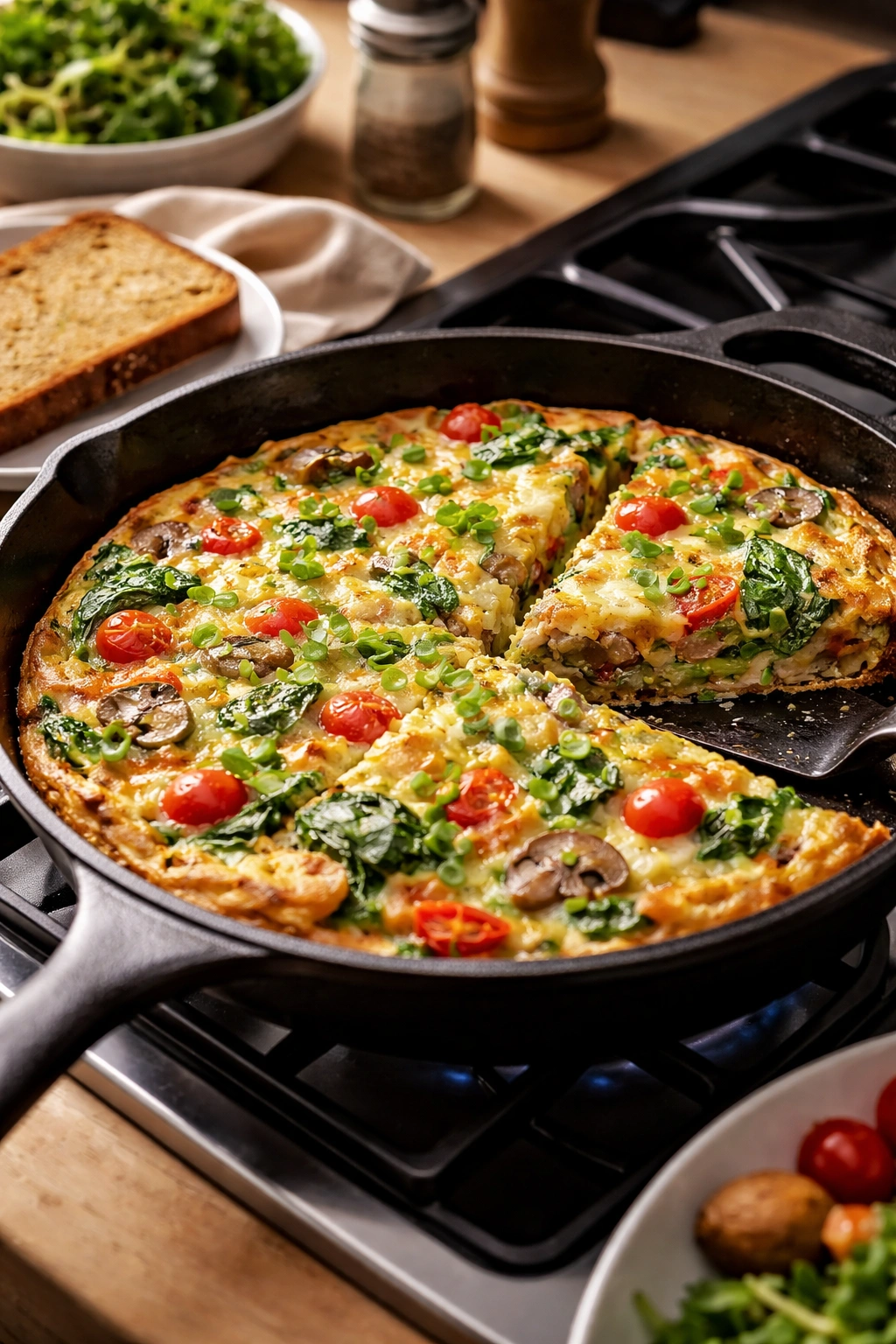
Breakfast-for-dinner dinners are genuinely underrated because they’re quick, they feel special, and they’re naturally high in protein when built around eggs. A frittata loaded with vegetables, made with eggs and a small amount of cheese, cooked in an oven-safe skillet is a dinner that comes together in 30 minutes and tastes impressive without being complicated.
Vegetable frittata: Sauté onions, peppers, mushrooms, and spinach in an oven-safe skillet with a measured amount of oil. Whisk eggs (or egg whites and a couple whole eggs to balance richness) with salt, pepper, and herbs, pour over the vegetables, cook on the stovetop for 2 to 3 minutes until the edges start to set, then transfer to a 375°F oven for 10 to 15 minutes until the center is set. Slice into wedges and serve with whole-grain toast and a salad. This is elegant enough to feel like something special but simple enough that you’re not stressed about cooking it.
Shakshuka (eggs poached in spiced tomato sauce) is another breakfast-for-dinner winner. Simmer canned tomatoes with garlic, cumin, paprika, and hot sauce, create small wells in the sauce, crack eggs into the wells, cover, and cook until the eggs are set to your preference. Serve with whole-grain toast for dipping. This tastes restaurant-quality and cooks in 20 minutes.
Scrambled egg dinners don’t have the same restaurant feel, but they’re fast and satisfying. Scramble eggs with whatever vegetables you have (peppers, mushrooms, onions, tomatoes, spinach), season boldly, and serve with whole-grain toast and a simple salad or fruit. This is humble but deeply satisfying.
Making Desserts Part of the Plan
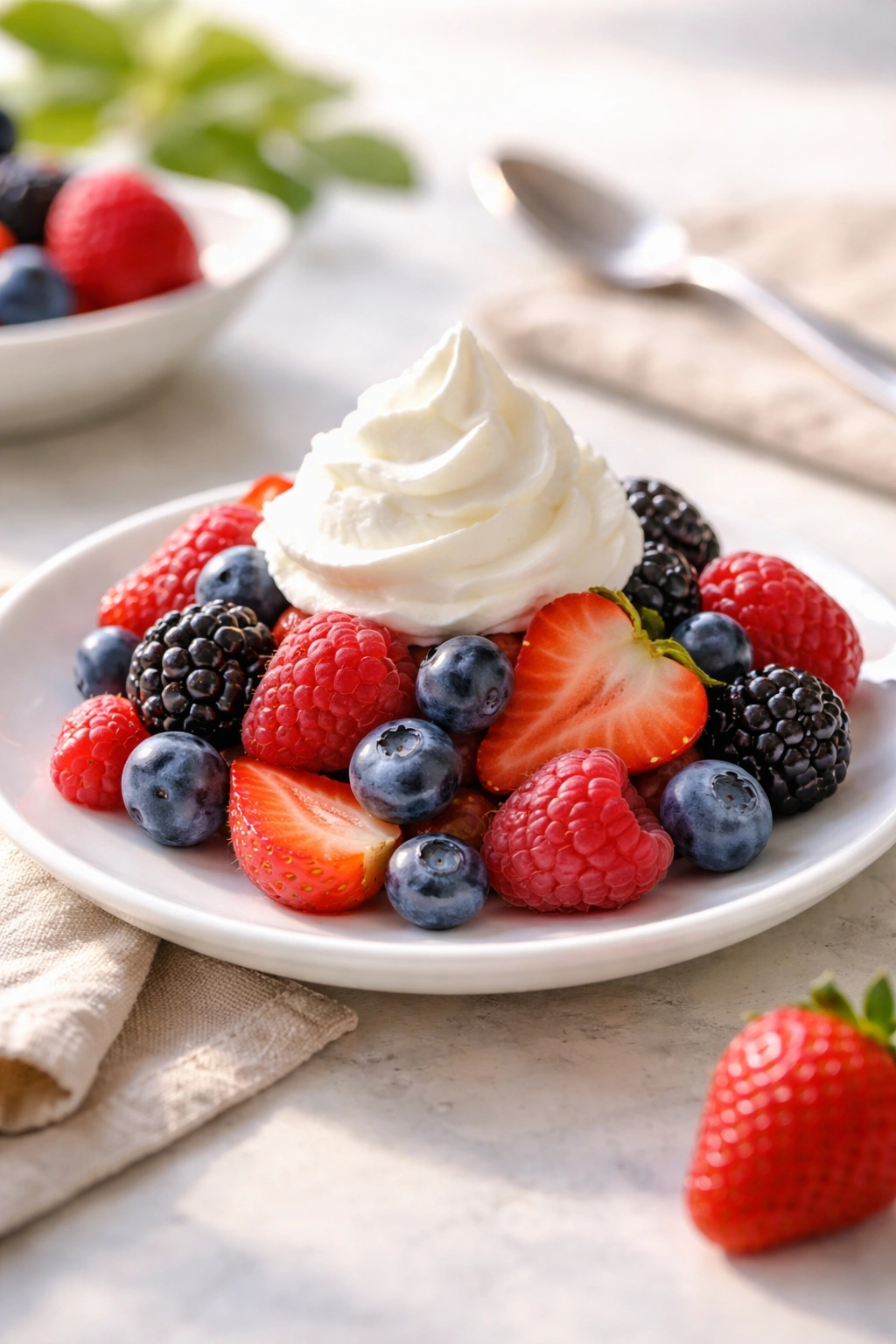
The reason many diet approaches fail is that desserts are treated as off-limits or earned only through impossible restriction. Weight Watchers allows desserts if they fit your plan, which means you can actually build them into dinners rather than sneaking them later.
Fruit-based desserts: Fresh berries with a small amount of whipped cream, sliced peaches with a drizzle of honey, watermelon cut into interesting shapes — these feel like treats and are either zero or minimal points depending on your plan. Frozen grapes taste like candy, and they’re zero points on most plans.
Greek yogurt desserts: Greek yogurt mixed with a tiny bit of honey and vanilla tastes like a creamy dessert. Frozen Greek yogurt flavored with fruit puree or a touch of cocoa powder becomes something that tastes indulgent while being protein-packed and low-point.
Lighter baked goods: You don’t need to make or buy special “diet” versions of desserts that taste like cardboard. Instead, make regular desserts but in smaller quantities and in smaller portions. A batch of chocolate chip cookies made with all the real ingredients, eaten two per person as a dessert, is more satisfying than eating a whole “guilt-free” dessert that doesn’t taste like real food. The key is having dessert as a planned part of the meal rather than something you sneak after dinner.
Angel food cake topped with fresh berries, light ice cream with fresh fruit, or homemade frozen banana “nice cream” blended with a touch of cocoa powder give you the experience of eating dessert without the points load of heavier options. These feel real and taste genuinely good.
Getting Kids Involved in Cooking

One of the best long-term benefits of building Weight Watchers weeknight dinners with your family rather than in spite of them is that kids start understanding that food is something you make, not something that appears on the table. Kids who have chopped vegetables or stirred sauce are dramatically more likely to eat those vegetables later.
Getting kids involved doesn’t mean assigning them impossible tasks. A five-year-old can wash vegetables, tear lettuce, or stir a pot with supervision. A ten-year-old can chop vegetables with a dull knife, measure ingredients, and read steps off a recipe. A teenager can handle most cooking tasks with basic safety guidance. Even young kids who just stand next to you and watch learn something about how food comes together.
Building Cooking Confidence Early
Kids who have some cooking experience are less picky eaters as teenagers and adults because they understand what goes into food and feel ownership over meals. They’re also more willing to try things they’ve made themselves. If your eight-year-old helped make pasta with turkey meatballs, they’re infinitely more likely to eat it than if you simply placed it in front of them.
Making cooking something you do together rather than something mom or dad does while the kids wait for dinner changes the entire dynamic. You’re not trying to eat healthier as an individual goal you’re dragging your family toward — you’re building better eating patterns as a family because you’re all involved in the cooking.
Key Takeaways
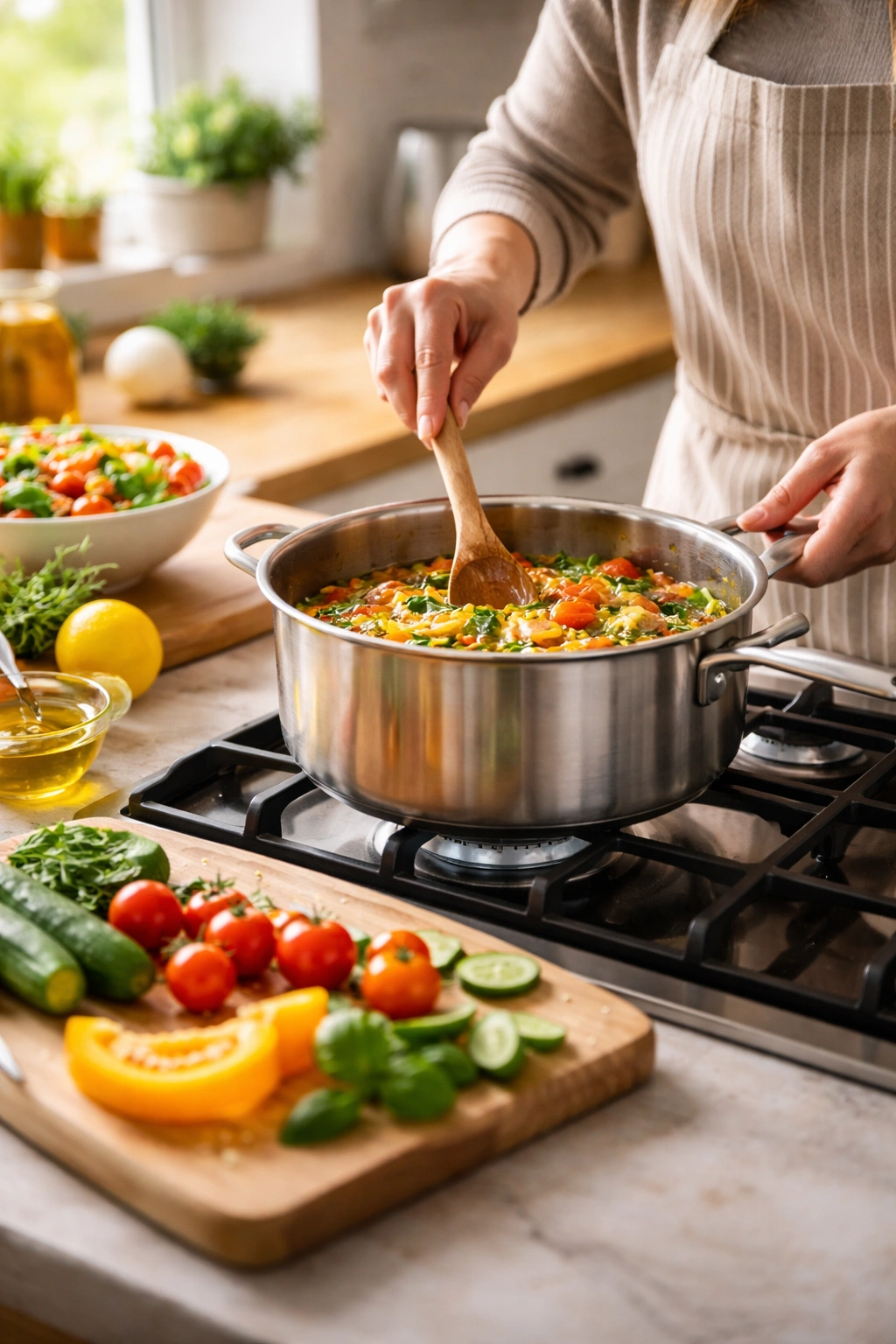
The genuine secret to Weight Watchers weeknight dinners your family will actually enjoy is stopping thinking of it as a diet meal plan and starting thinking of it as smart cooking. Build meals around lean proteins, lots of vegetables, satisfying starches, and bold seasonings. Use shortcuts without shame — rotisserie chicken, frozen vegetables, pre-cut ingredients. Plan ahead just enough to remove the dinner-time panic. Cook in ways that minimize cleanup and active time: sheet pans, slow cookers, one-pot meals.
The meals that work best are the ones where everyone’s eating the same thing and nobody feels deprived. That alignment is only possible when you’re cooking real food that’s genuinely delicious, not food that feels like punishment. Season boldly, build flavor through multiple dimensions, and commit to the idea that healthy food should taste good. When your family sees you eating well because you want to take care of yourself, not because you’re white-knuckling through a diet, something shifts. They start understanding that this is just how you eat — it’s normal, sustainable, and tasty.
The weeknight dinners that stick are the ones you actually look forward to, not the ones you dread. Whether that’s sheet pan chicken and roasted vegetables, slow cooker chili, taco night, or breakfast for dinner, the ones that work are the ones you can realistically pull together on a Tuesday when you’re tired, that feed everyone at your table, and that move you toward your goals without making you miserable. That’s not asking too much from dinner. That’s the bare minimum for long-term success.
