



There’s something about a steaming bowl of white bean and sausage soup that feels like a warm embrace on a chilly evening. The moment the spoon hits your lips, you’re transported to a cozy Italian kitchen where simplicity meets comfort, and humble ingredients transform into something deeply satisfying. This isn’t the kind of soup that requires fancy technique or a long list of hard-to-find items—it’s the kind you make on a Tuesday night when you want dinner on the table in 30 minutes, with flavors that taste like you’ve been simmering it all afternoon.
What makes this soup so special is how the creamy white beans absorb the savory richness of Italian sausage while bright spinach and tender vegetables add freshness and texture. Every spoonful delivers protein, fiber, and genuine comfort—the kind of meal that leaves you satisfied without feeling heavy. Whether you’re feeding your family, hosting friends, or simply looking for something nourishing after a long day, this one-pot wonder delivers restaurant-quality results with barely any cleanup.
Why White Bean and Sausage Soup Works as Comfort Food
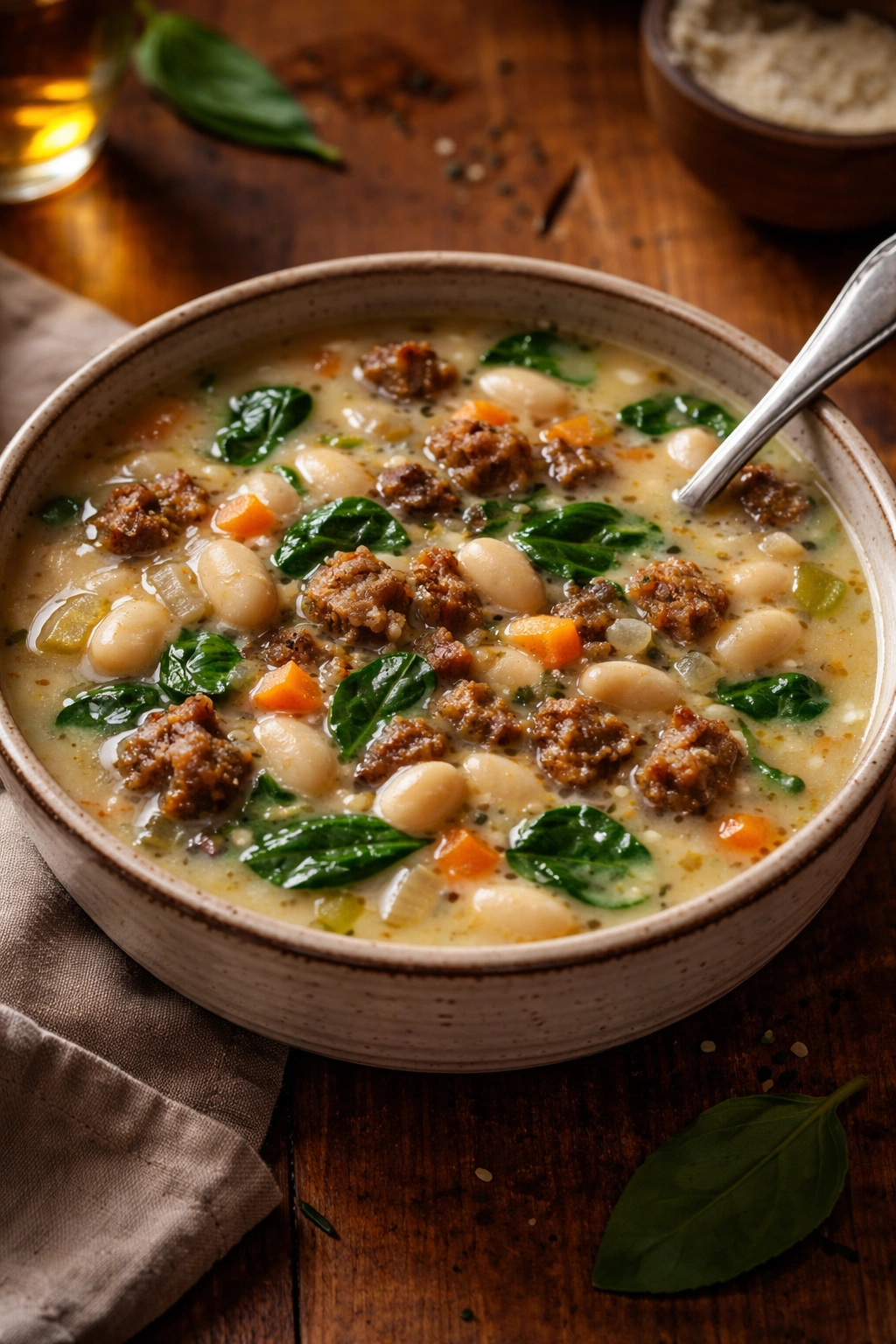
There’s genuine wisdom in pairing white beans with sausage, and once you understand why this combination works so beautifully, you’ll find yourself making this soup repeatedly. The cannellini beans have a naturally creamy texture that comes from their starch content, which means they thicken the broth without requiring cream or other heavy additions. Italian sausage brings bold, aromatic flavor—fennel, garlic, and Italian herbs are built right into the meat—so you don’t need to add much seasoning on your own.
The vegetables play a crucial supporting role here. Onions, carrots, and celery create what the Italians call a mirepoix or “holy trinity” of aromatics. They’re sautéed until soft, which releases their natural sugars and creates a deeply flavorful base. Then fresh spinach gets stirred in at the very end, adding color, nutrition, and a slight contrast to the richness of everything else.
This soup is also genuinely flexible. You can have it on the table in 30 minutes for a quick weeknight meal, or you can let it simmer longer for even more developed flavor. It keeps beautifully in the refrigerator for several days and freezes exceptionally well, making it perfect for meal prep. Most importantly, it tastes even better the next day once all the flavors have had time to meld together.
The Best Ingredients for Maximum Flavor
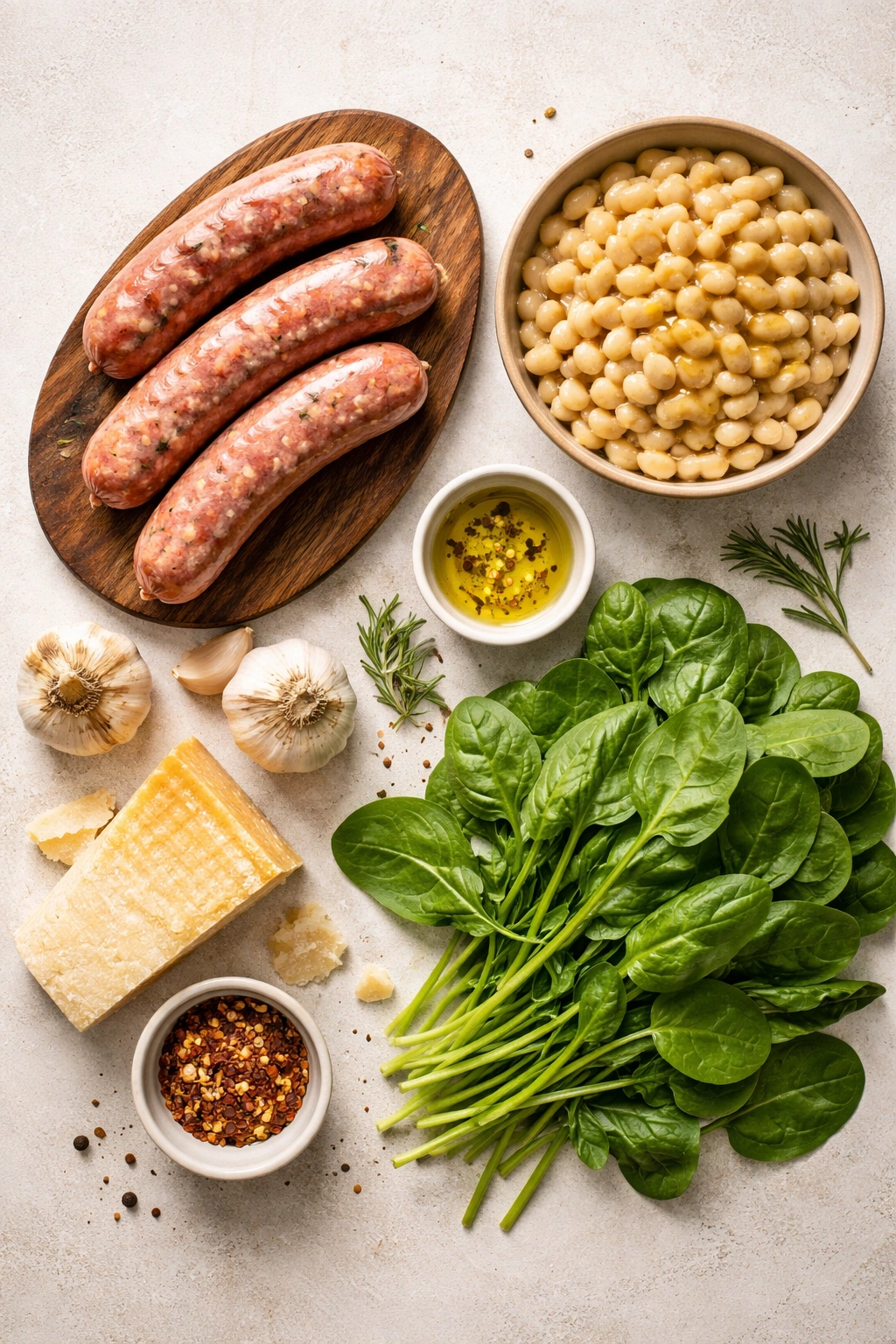
Your ingredient choices matter more in a simple soup than in complex dishes—there’s nowhere for mediocre quality to hide. Let’s talk about what actually makes a difference in this particular recipe.
Italian sausage is the star, so choose quality meat. If possible, look for sausage with a good balance of meat and fat (around 80/20 or 85/15). Ground Italian sausage is convenient, but if you find links, simply squeeze the meat out of the casings and discard the casings. The difference between mild, sweet, and hot sausage is really just about your heat preference—the underlying flavor profile remains rich and aromatic regardless. Some people swear by traditional pork sausage, while others prefer chicken or turkey sausage for a lighter version. All work beautifully here.
Cannellini beans are genuinely worth seeking out specifically, rather than substituting with whatever white beans you can find. They’re larger and meatier than navy beans, with thicker skins that hold their shape during cooking. Great Northern beans are a reasonable second choice, but navy beans tend to break down faster and get mushy if you simmer the soup for any length of time. Always buy canned beans that say “low sodium” on the label—it gives you control over the salt level, which matters since the sausage itself contributes significant salt.
For the broth, use chicken broth or stock rather than vegetable broth. Chicken broth brings a savory depth that complements the sausage beautifully. Low-sodium is again your friend here. Some home cooks swear by bouillon cubes dissolved in water instead of liquid broth, claiming it delivers more concentrated flavor. If you want to try this approach, use about 2 tablespoons of quality bouillon paste or 4-5 cubes dissolved in the same volume of water as the recipe calls for in broth.
Fresh spinach is standard, but don’t dismiss frozen spinach as inferior. It’s actually more convenient for this soup—just thaw it, squeeze out excess moisture, and stir it in. Kale and Swiss chard work beautifully too, though they require slightly longer cooking to become tender. The key is adding your greens near the end so they retain their color and don’t overcook into an unpleasant mush.
Beyond the main ingredients, garlic, onion, and carrots are non-negotiable. But here’s a pro tip: buy decent garlic. Fresh garlic cloves minced by hand or through a garlic press taste dramatically better than pre-minced jarred garlic, which has an unpleasant metallic edge. It takes literally 30 seconds to mince fresh garlic—absolutely worth it for the flavor difference.
How to Brown Sausage for Maximum Depth
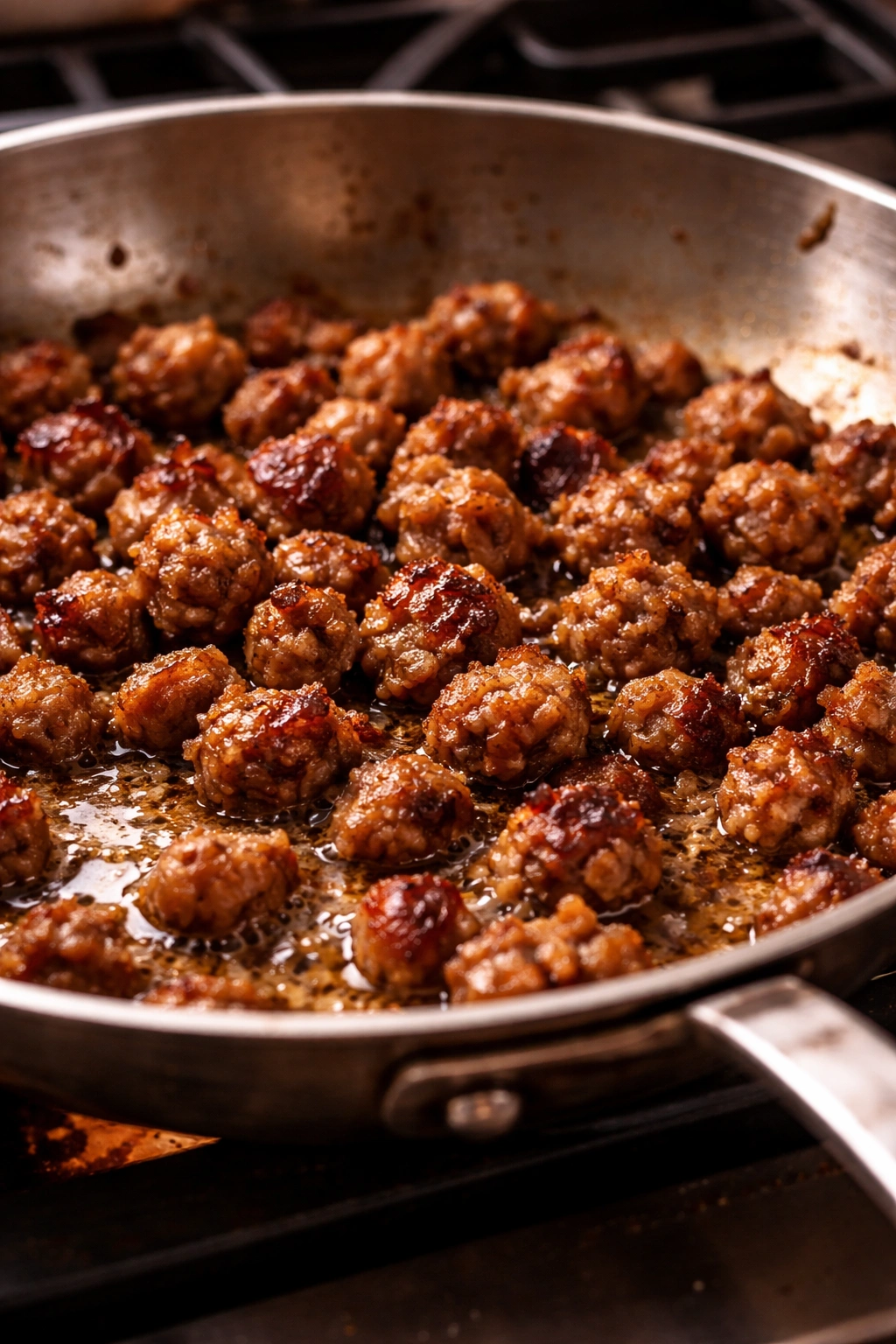
This might sound minor, but the way you brown your sausage sets the tone for the entire soup. Here’s the technique that separates a good soup from a truly memorable one.
Heat your pot over medium-high heat with a tablespoon of olive oil. Once the oil shimmers slightly, add your ground sausage (or meat squeezed from the casings) and let it sit undisturbed for about 2-3 minutes. You want to build a flavorful crust on the bottom of the pot before you start stirring. This is what chefs call “browning” versus simply “cooking through.”
Only after that initial browning should you start breaking up the meat with a wooden spoon, stirring occasionally. Continue cooking for about 5-7 minutes total until the sausage is cooked through with no pink remaining. The meat should look deeply caramelized in spots, not pale and gray. This browning step takes barely any extra time compared to rushing through the cooking, but it delivers noticeably richer flavor.
Once the sausage is cooked, you have two options: remove it with a slotted spoon for cleanup efficiency, or leave about 1 tablespoon of the rendered fat in the pot and remove the sausage. That rendered fat becomes your cooking medium for the vegetables and adds incredible richness to the soup. Professional soup makers always preserve this fat—it’s liquid gold for flavor.
Building Your Flavor Base with Aromatics
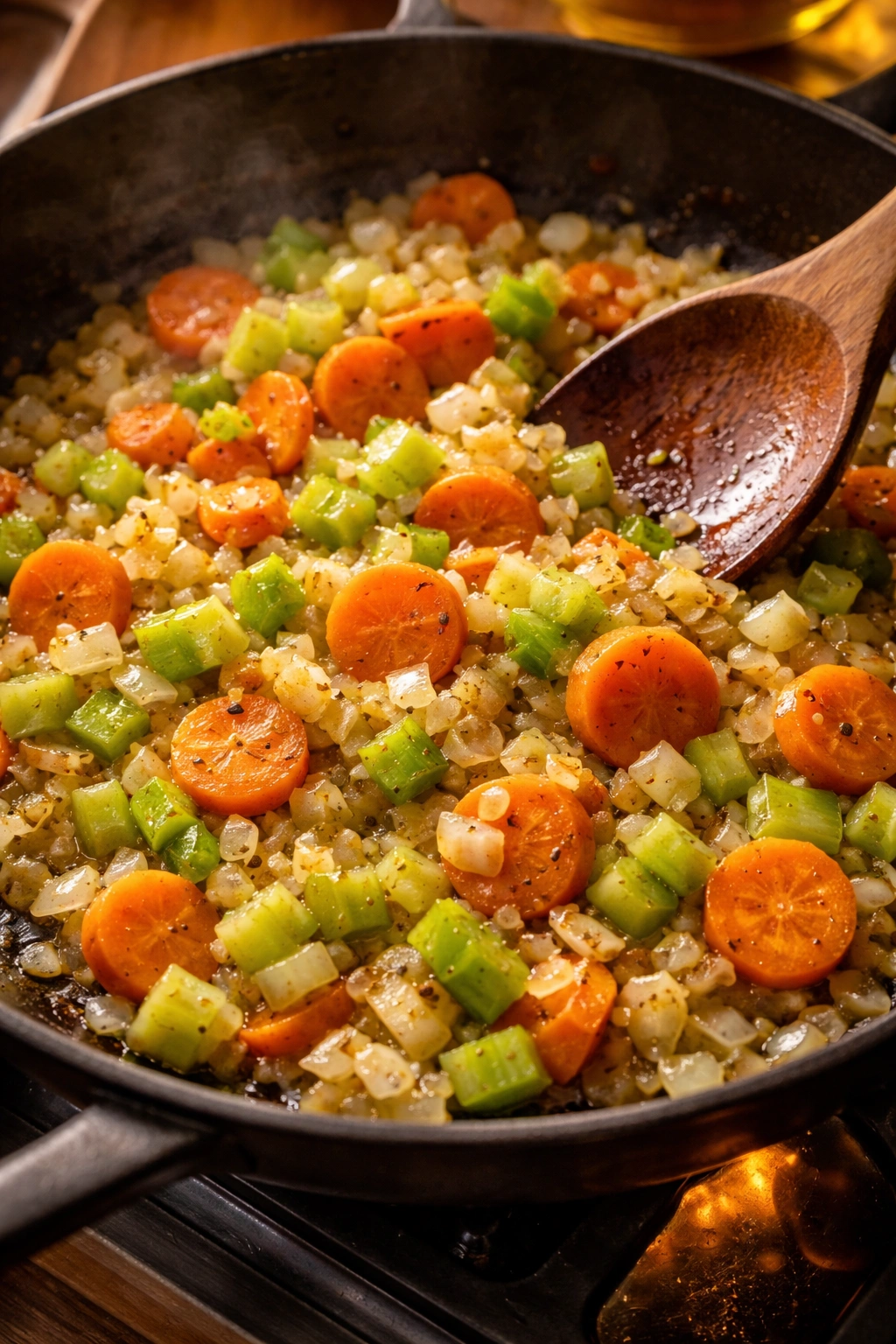
After your sausage is cooked and set aside, the aromatic vegetables are where the magic happens. Pour off excess fat if you have more than a tablespoon left, then add diced onion, carrots, and celery to the pot over medium heat.
These vegetables should cook for about 5-8 minutes, stirring regularly, until the onions become translucent and start to pick up a little color at the edges. You’re not just softening them; you’re actually caramelizing the natural sugars slightly. This step should smell absolutely incredible—that’s how you know it’s working.
Once the vegetables have softened, add minced garlic and cook for just 30 seconds to 1 minute. Garlic burns easily, so don’t skip ahead. The moment it becomes fragrant—which happens in under a minute—add your beans, broth, sausage, and any dried herbs. This prevents the garlic from scorching and becoming bitter.
Many recipes also include a parmesan rind at this stage if you have one saved. (And you should save them!) A parmesan rind simmers in the broth and releases savory umami flavors, then you simply remove it before serving. This is a professional technique that costs nothing but makes the soup taste noticeably richer and more complex.
The Simmering Step That Develops Real Flavor
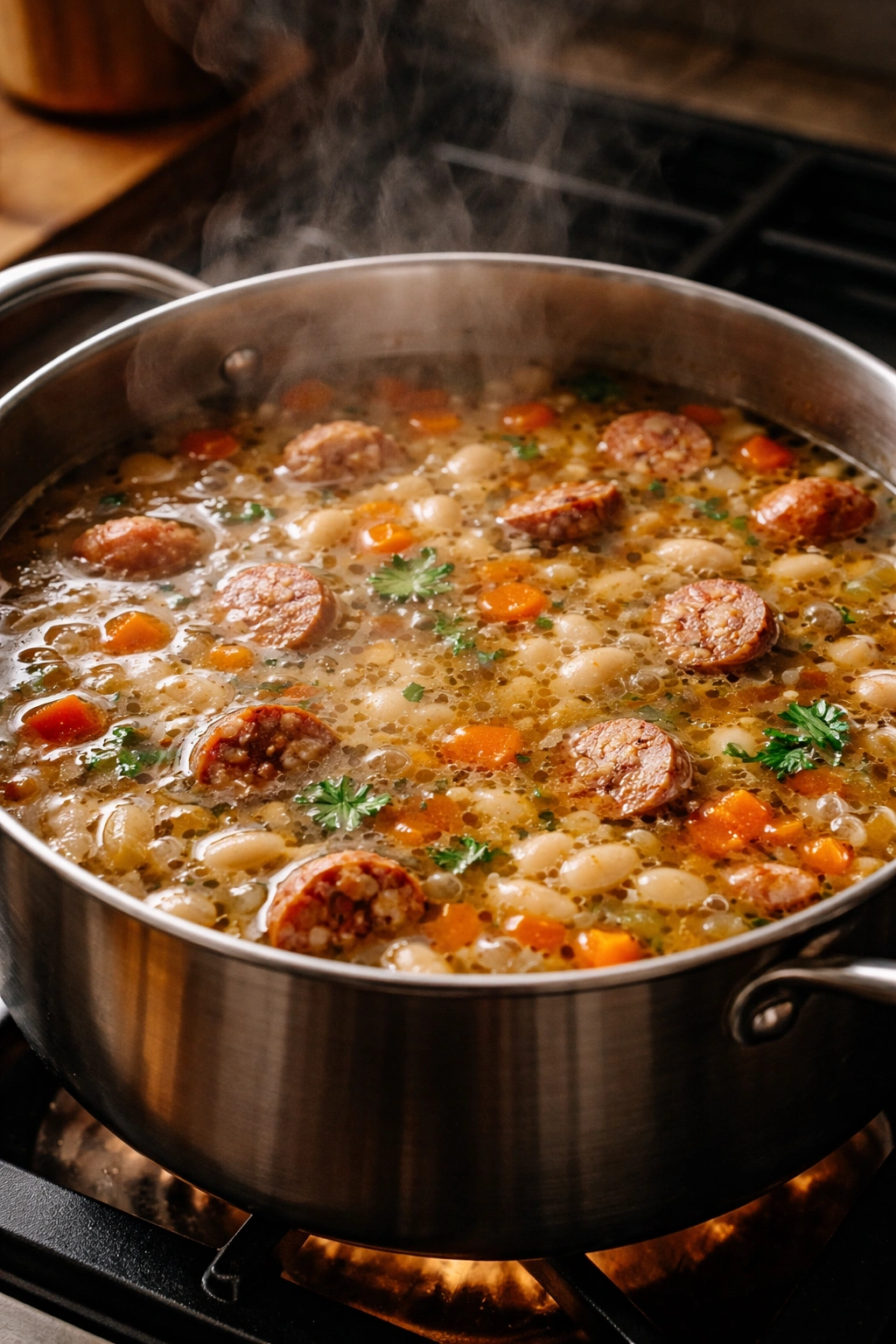
Once your soup is assembled, bring it to a boil, then immediately reduce the heat to low and establish a gentle simmer. This is crucial—a rolling boil will break down your beans and result in a mushy, less appealing texture. A gentle simmer means small bubbles occasionally rise to the surface, not a vigorous, violent boil.
Let the soup simmer for about 15-20 minutes. During this time, the beans absorb the flavors from the broth and sausage, the vegetables continue to soften, and everything melds into a cohesive, delicious whole. The longer the soup simmers, the more developed the flavors become—but there’s a sweet spot. Beyond 20-25 minutes, you risk the beans starting to break down.
This is also the moment to taste and adjust seasoning. Because the sausage and broth both contribute salt, you might not need to add much. But taste it—real cooking is about adjusting to your palate, not blindly following a recipe. A pinch of salt, a grind of fresh pepper, even a squeeze of lemon juice can brighten everything.
Adding Spinach for Brightness and Nutrition
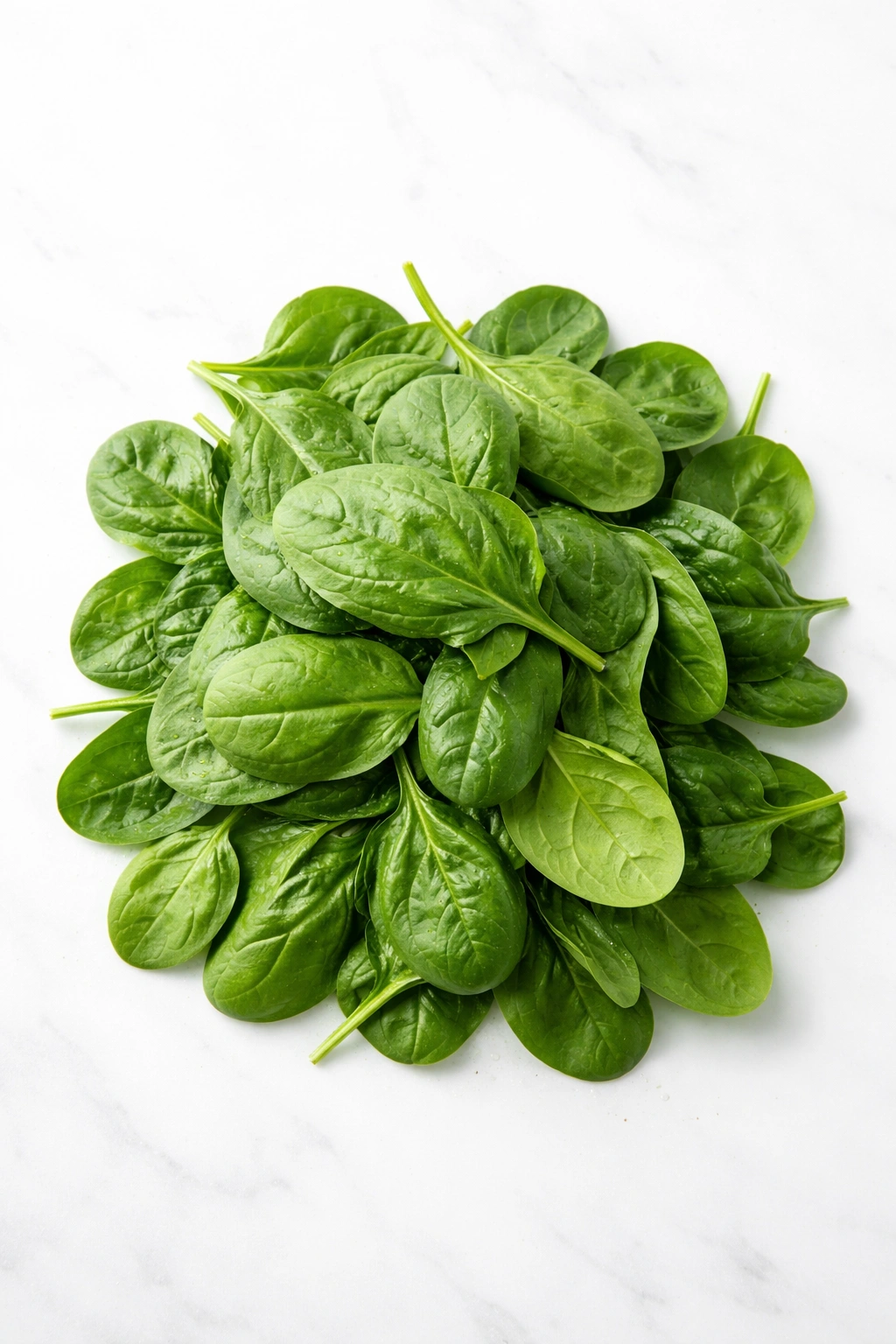
Right at the end, when your soup is fully developed and the vegetables are tender, remove the pot from heat and stir in fresh spinach. Let it sit for just a minute or two—the residual heat will wilt the spinach beautifully without cooking it to death. You want it tender but still vibrant green, not dull and overcooked.
If you’re using frozen spinach (which is totally fine), thaw it completely and squeeze out as much moisture as possible before adding it. Excess water from the spinach will dilute your soup’s flavor. With frozen spinach, you can add it during the last few minutes of simmering rather than waiting until the very end.
Some people prefer to blend part of the soup for a creamier texture. If this appeals to you, scoop out 2-3 cups of the soup mixture, blend it smooth (or partially blended for texture), and stir it back in. This creates a naturally creamy soup without any cream or dairy—the starch from the beans does all the work. This technique is particularly useful if your soup feels too brothy or if you prefer a heartier, more substantial mouthfeel.
Yield: 6 servings | Prep Time: 15 minutes | Cook Time: 30 minutes | Total Time: 45 minutes | Difficulty: Beginner — minimal knife skills required, and the cooking method is literally just browning meat and simmering.
White Bean and Sausage Soup Recipe
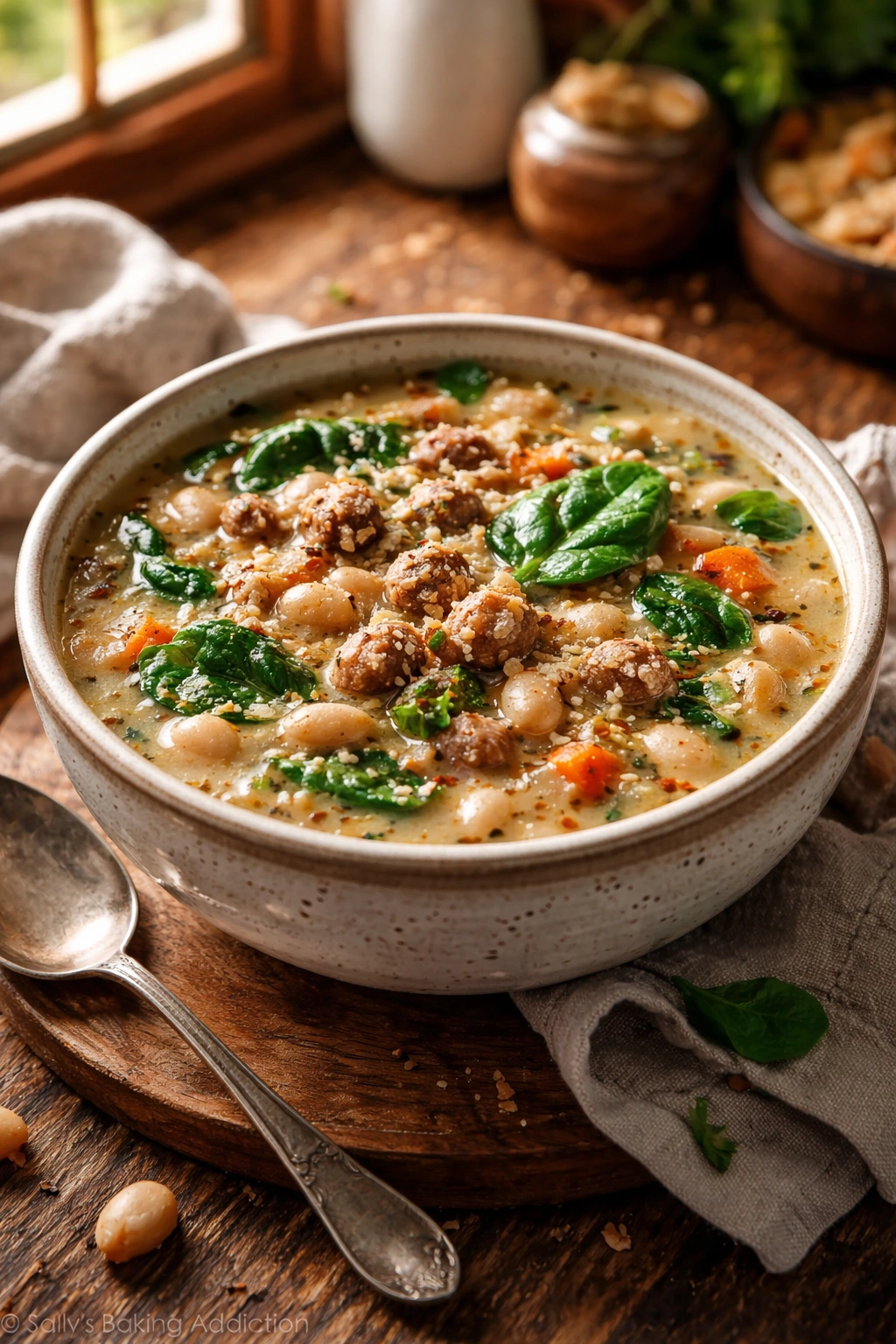
For the Soup:
- 1 tablespoon olive or avocado oil
- 1 pound Italian sausage (mild, sweet, or hot—your preference), casings removed if using links
- 1 medium yellow onion, diced into ½-inch pieces
- 3 medium carrots, peeled and diced into ½-inch pieces
- 2 large stalks celery, diced into ½-inch pieces
- 4 cloves garlic, minced
- 1 teaspoon Italian seasoning (or a blend of dried oregano, basil, and thyme)
- ½ teaspoon dried rosemary
- ¼ teaspoon red pepper flakes (optional, for subtle heat)
- 5 cups low-sodium chicken broth
- 2 (14-ounce) cans cannellini beans (white kidney beans), drained and rinsed
- 1 bay leaf (optional, but adds depth)
- 1 parmesan rind, about 2 inches square (optional but highly recommended for umami richness)
- 5 ounces fresh baby spinach (about 3 handfuls)
- Kosher salt and freshly ground black pepper to taste
- Squeeze of fresh lemon juice (½ tablespoon)
Optional for serving:
- Crushed red pepper flakes
- Freshly grated Parmesan cheese
- Fresh basil or parsley, chopped
- Lemon zest
Instructions
Brown the Sausage:
-
Heat the olive oil in a large pot or Dutch oven over medium-high heat until it shimmers.
Advertisements -
Add the sausage (meat squeezed from casings if using links), breaking it into rough chunks with a wooden spoon. Do not stir immediately—let it cook undisturbed for 2-3 minutes to develop a flavorful crust on the bottom of the pot. This browning step makes a real difference in depth of flavor.
-
Continue cooking, stirring occasionally and breaking the meat into smaller, bite-sized pieces as it cooks, for another 3-4 minutes until completely cooked through with no pink remaining. The sausage should look deeply caramelized in spots.
-
Transfer the cooked sausage to a plate lined with paper towels. Drain off excess fat, leaving about 1 tablespoon in the pot—this rendered fat will flavor your vegetables.
Build the Aromatic Base:
-
Add the diced onion, carrots, and celery to the pot with the reserved fat. Season generously with a pinch of salt and pepper—seasoning in layers is how you build real flavor.
-
Sauté over medium heat, stirring frequently, for 5-8 minutes until the onions become translucent and begin to lightly brown at the edges. The vegetables should smell incredibly aromatic—that’s your signal they’re ready for the next step.
-
Add the minced garlic and cook, stirring constantly, for just 30 seconds to 1 minute until fragrant. Do not let the garlic brown or it will become bitter.
Build the Soup:
-
Add the Italian seasoning, rosemary, and red pepper flakes (if using) to the pot and stir to coat everything for about 30 seconds. This blooms the dried herbs, intensifying their flavor.
-
Pour in the chicken broth, stirring well and scraping the bottom of the pot with a wooden spoon to release any caramelized bits stuck to the bottom (this is called deglazing, and those bits contain incredible flavor).
Advertisements -
Add the drained cannellini beans, the cooked sausage, the bay leaf, and the parmesan rind if you have one. Stir everything together until well combined.
-
Bring the soup to a boil over medium-high heat.
Simmer for Flavor Development:
-
Once boiling, immediately reduce the heat to low and establish a gentle simmer. The surface should show occasional bubbles, not a rolling boil. A gentle simmer prevents the beans from breaking down and becoming mushy.
-
Partially cover the pot with a lid (leave it slightly ajar so steam can escape) and simmer for 15-20 minutes, stirring occasionally. During this time, the flavors meld, the beans soften slightly and absorb the broth, and everything becomes cohesive and delicious.
Finish the Soup:
-
Remove from heat. Using tongs, carefully remove and discard the bay leaf and parmesan rind if you used them.
-
Add the fresh spinach and the squeeze of lemon juice to the pot. Stir gently until the spinach wilts, about 1-2 minutes. The residual heat is enough to wilt the spinach—you don’t want to cook it further.
-
Taste the soup and adjust seasonings with additional salt, pepper, lemon juice, or red pepper flakes as needed. Remember that the sausage, beans, and any parmesan added contribute salt, so taste before adding more.
-
Ladle into warm bowls and serve immediately.
Advertisements
Pro Tips That Actually Make a Difference
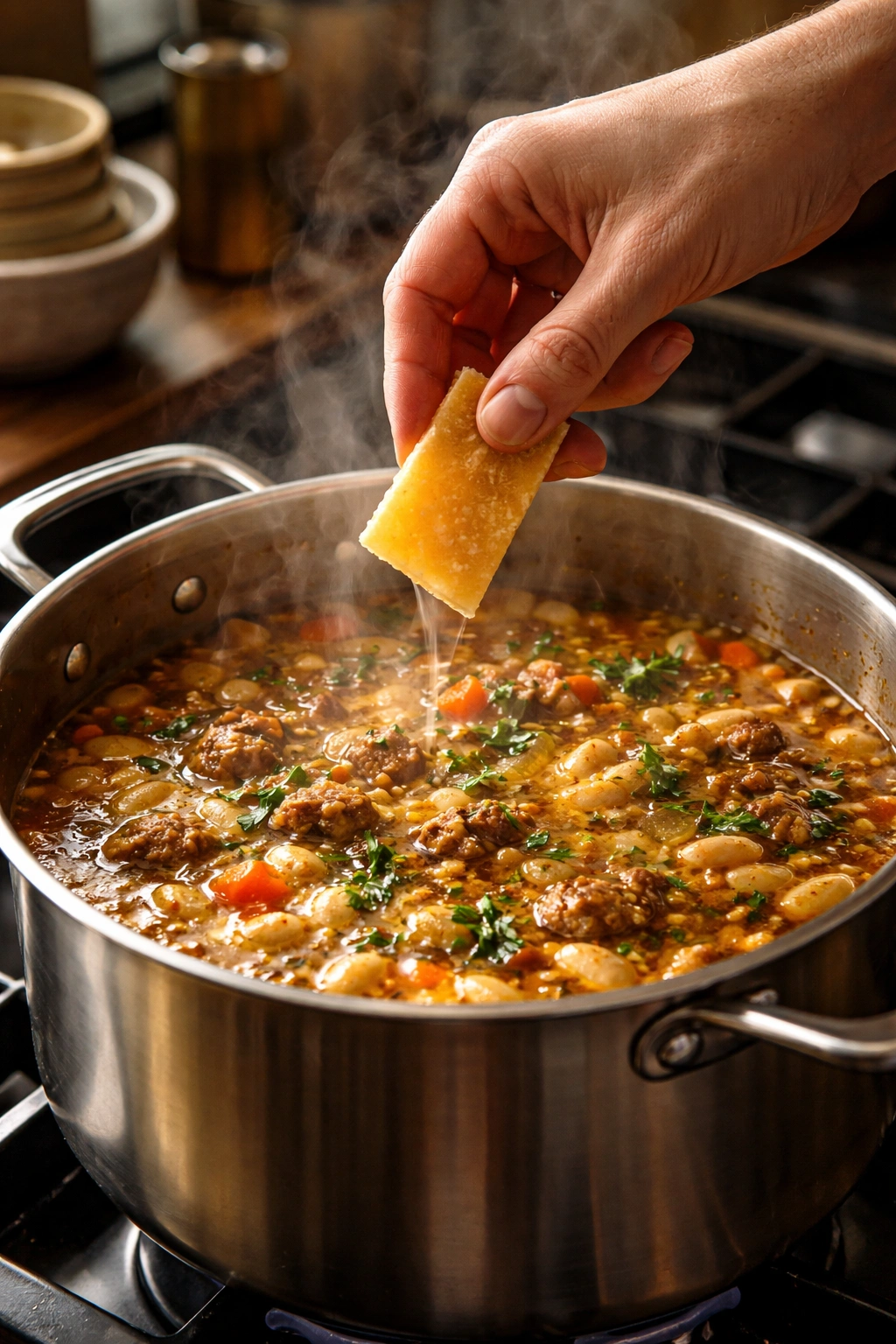
Save your parmesan rinds. Many people throw away parmesan rinds, not realizing they’re liquid gold for soup. Wrap them in plastic and freeze them. Whenever you make soup, drop one in during the simmering stage. It dissolves partially and releases savory umami compounds that make the broth taste deeper and more complex. There’s no parmesan flavor per se—just a subtle richness that makes people ask what your secret ingredient is.
Don’t rinse your canned beans. Yes, canned beans have a cloudy liquid (the aquafaba) around them. Don’t drain it away. That starch thickens the soup naturally and gives it body without requiring cream. Just drain the liquid away but don’t rinse the beans under water. The residual starch that clings to them is your friend.
Use ground sausage instead of links when possible. Removing sausage from casings is annoying—why bother? Ground Italian sausage is widely available and cooks in exactly the same amount of time with the same flavor profile. You’ll spend 30 seconds less in the kitchen and get identical results.
Let the sausage brown before stirring. This isn’t a casual suggestion. The difference between sausage that’s been allowed to sit and brown (building fond on the bottom of the pot) and sausage that’s been constantly stirred as it cooks is genuinely noticeable. The browned version tastes deeper and richer. It takes no extra time—just patience.
Taste and adjust at multiple stages. Don’t just season at the beginning and call it done. Taste after the vegetables have softened. Taste after the soup has simmered. Taste again before serving. Seasonings interact with other ingredients in complex ways, and you might find you need a pinch more salt, a splash more lemon juice, or a larger pinch of red pepper flakes based on how the flavors have developed.
Save sausage drippings for vegetable sautés. If you’re making this soup, you probably have rendered sausage fat left over. Pour it into a small container and refrigerate—it’s excellent for sautéing vegetables, adding to salad dressings, or roasting potatoes. Waste nothing.
Variations That Let You Make It Your Own
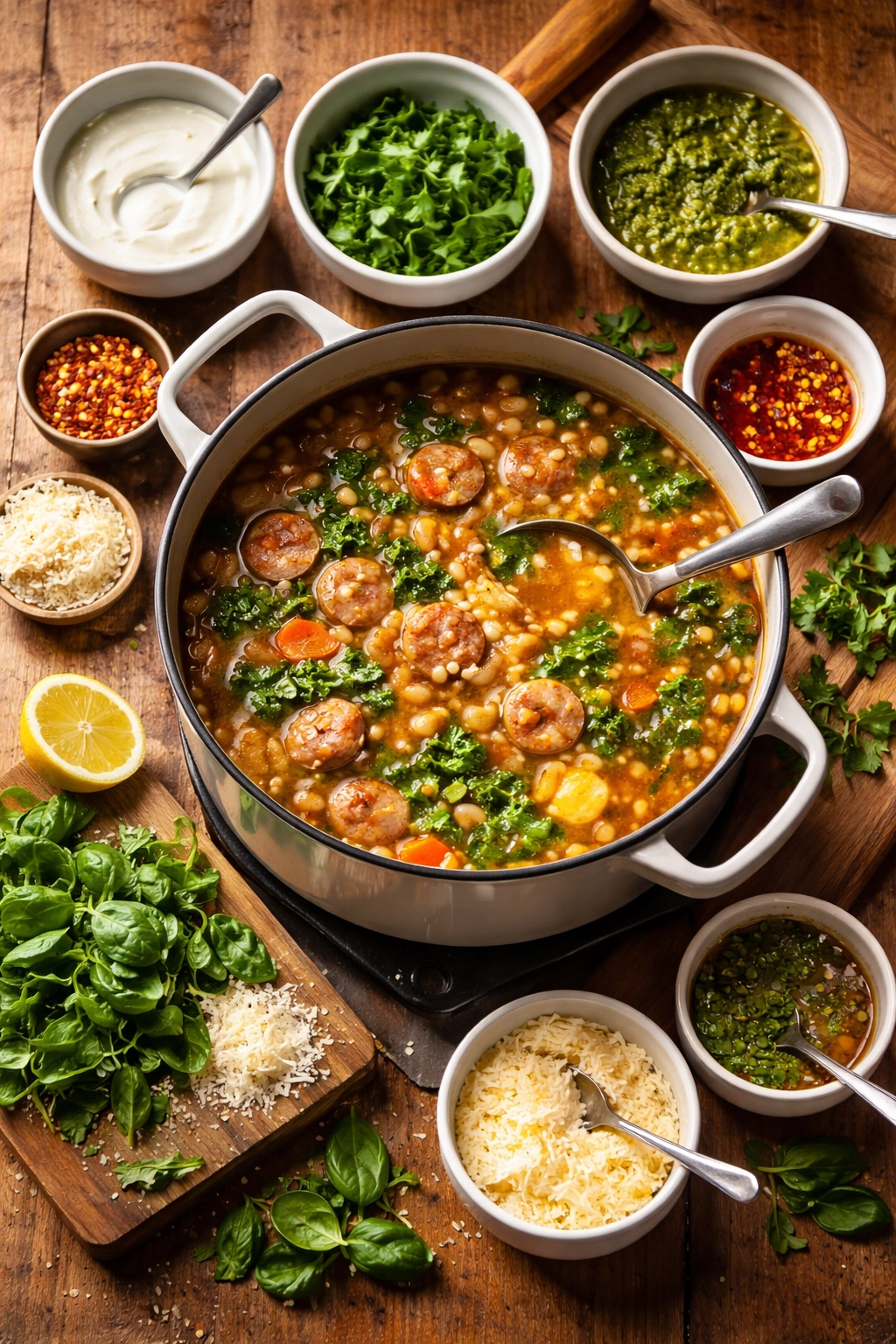
For a Creamier Version: Add ¼ to ½ cup of heavy cream or half-and-half at the very end, after the spinach has wilted. Stir it in and serve. This creates a richer, more luxurious soup. For dairy-free, use full-fat coconut milk or unsweetened cashew cream instead.
For More Heat: Use hot Italian sausage instead of mild, and add an extra pinch or two of red pepper flakes. You can also finish each bowl with a drizzle of calabrian chili oil or a splash of hot sauce for individual heat customization.
For a Herbaceous Version: Stir in 2-3 tablespoons of basil pesto or arugula pesto right before serving. This adds bright, fresh flavor that contrasts beautifully with the rich sausage.
For Extra Vegetables: Add 1 cup of diced zucchini, bell pepper, or mushrooms along with the carrots and celery. You could also add diced sweet potato for sweetness, or cherry tomatoes in the last few minutes of cooking. Frozen peas are wonderful added near the end.
For a Lighter Version: Use chicken or turkey sausage instead of pork, and skip the cream entirely. The soup will be lighter and less rich but still deeply satisfying.
For a Tuscan-Inspired Twist: Add a 14-ounce can of diced tomatoes (drained) along with the beans. This creates a tomato-bean-sausage hybrid that’s also magnificent. You might want to add a tiny pinch of sugar to balance the tomato acidity.
For Slow Cooker or Instant Pot: You can absolutely make this soup in a slow cooker. Brown the sausage and vegetables on the stovetop as directed, then transfer everything to the slow cooker with the broth and beans. Cook on low for 4-5 hours or high for 2-3 hours. Add spinach in the last 10 minutes. For Instant Pot, brown the sausage and vegetables using the sauté function, add broth and beans, and cook on high pressure for 8 minutes. Quick release, then add spinach.
Storage, Make-Ahead, and Freezing Guidance
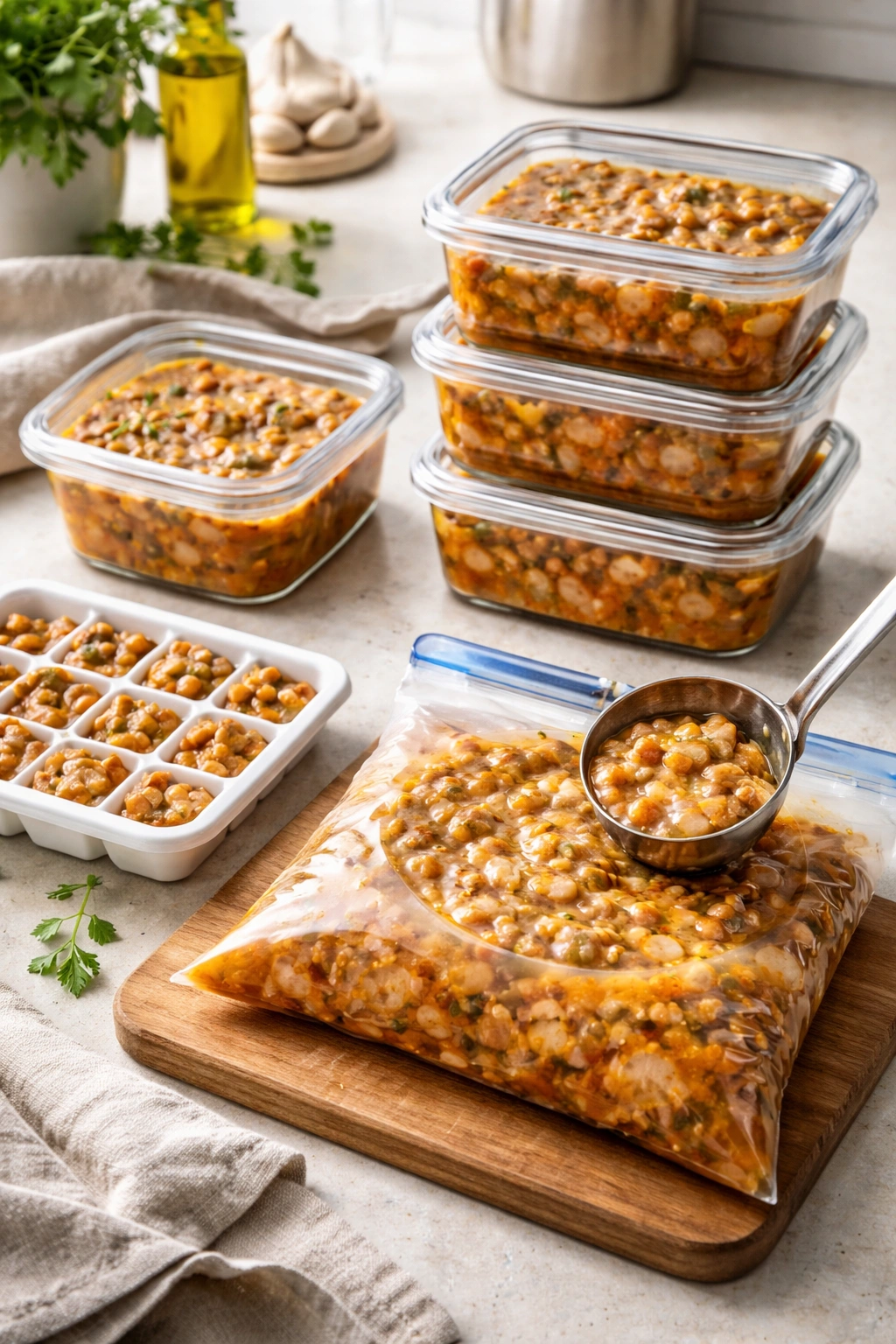
This soup improves over time as flavors continue to meld, making it perfect for meal prep. Store cooled soup in airtight containers in the refrigerator for up to 4 days. The flavors will deepen beautifully by day two or three.
To freeze, let the soup cool completely, then transfer it to freezer-safe containers or bags, leaving about ½ inch of space at the top for expansion. The soup keeps frozen for up to 3 months. If you add spinach before freezing, it will become quite dark and unappetizing—better to freeze before adding the greens, then stir in fresh spinach when you reheat.
To reheat, thaw in the refrigerator overnight if possible, then warm gently on the stovetop over medium-low heat, stirring occasionally. If the soup has thickened during storage (the beans continue releasing starch), thin it with additional broth or water until it reaches your desired consistency. Never reheat soup at high temperature—this can make the beans mushy.
The soup can also be reheated directly from frozen. Place it in a pot over medium heat, stirring occasionally, and allow about 15-20 minutes for it to warm through. Again, add liquid if needed.
How to Serve It Like You Really Care
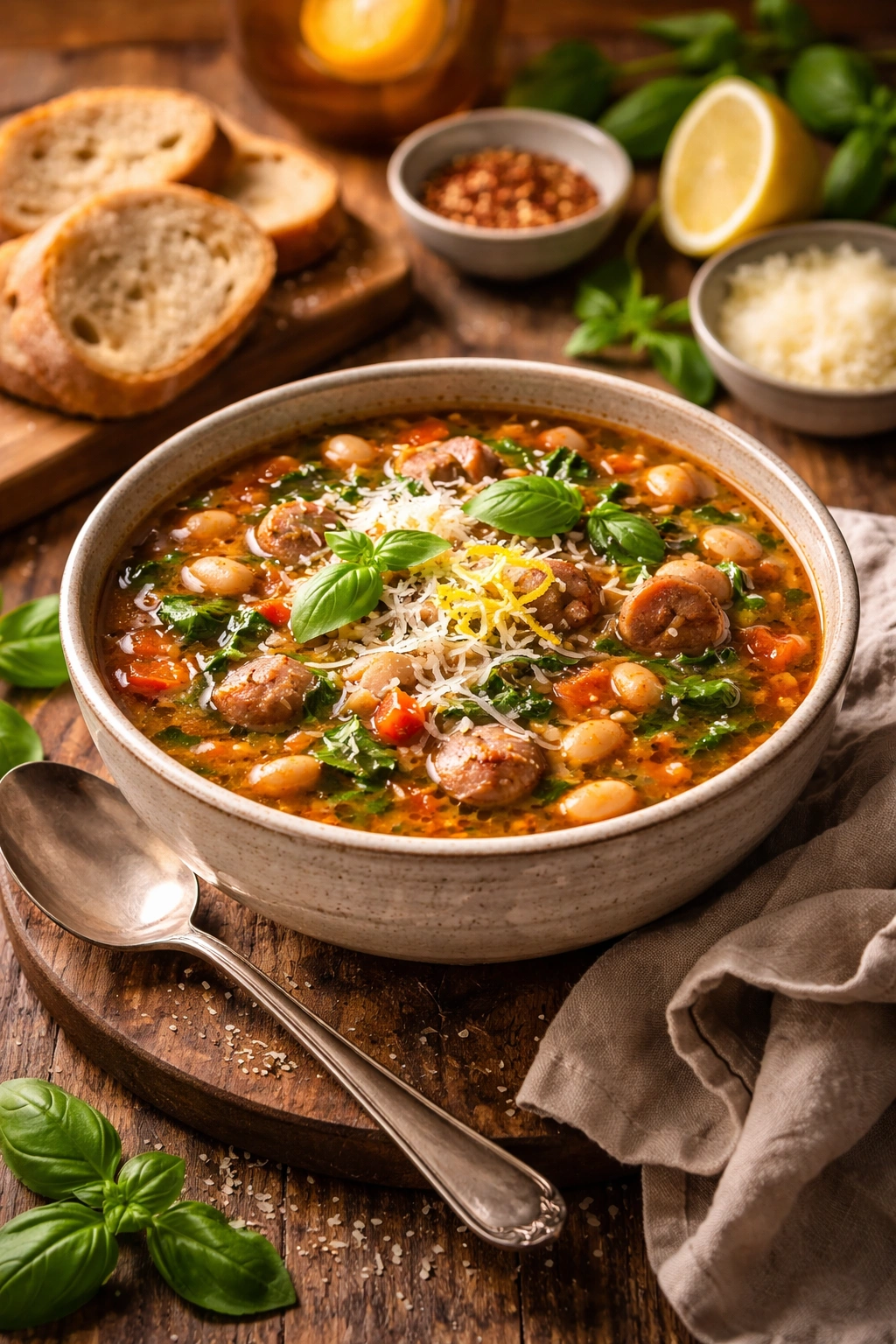
A great soup deserves thoughtful presentation. Warm your bowls before ladling—a warm bowl keeps the soup hot longer. Ladle generous portions of both broth and solids into each bowl, making sure each serving has a good ratio of beans and sausage to broth.
Garnish generously with freshly grated Parmesan cheese—and yes, it should be freshly grated, not the pre-grated stuff in a can. A handful of fresh basil or parsley, a pinch of lemon zest, and a few flakes of crushed red pepper complete the picture.
Serve alongside crusty bread for soaking up every last drop of broth. Buttered toasted bread, garlic bread, or even simple sourdough all work beautifully. Some people prefer ciabatta or focaccia for a slightly richer vehicle.
What to Eat Alongside Your Soup
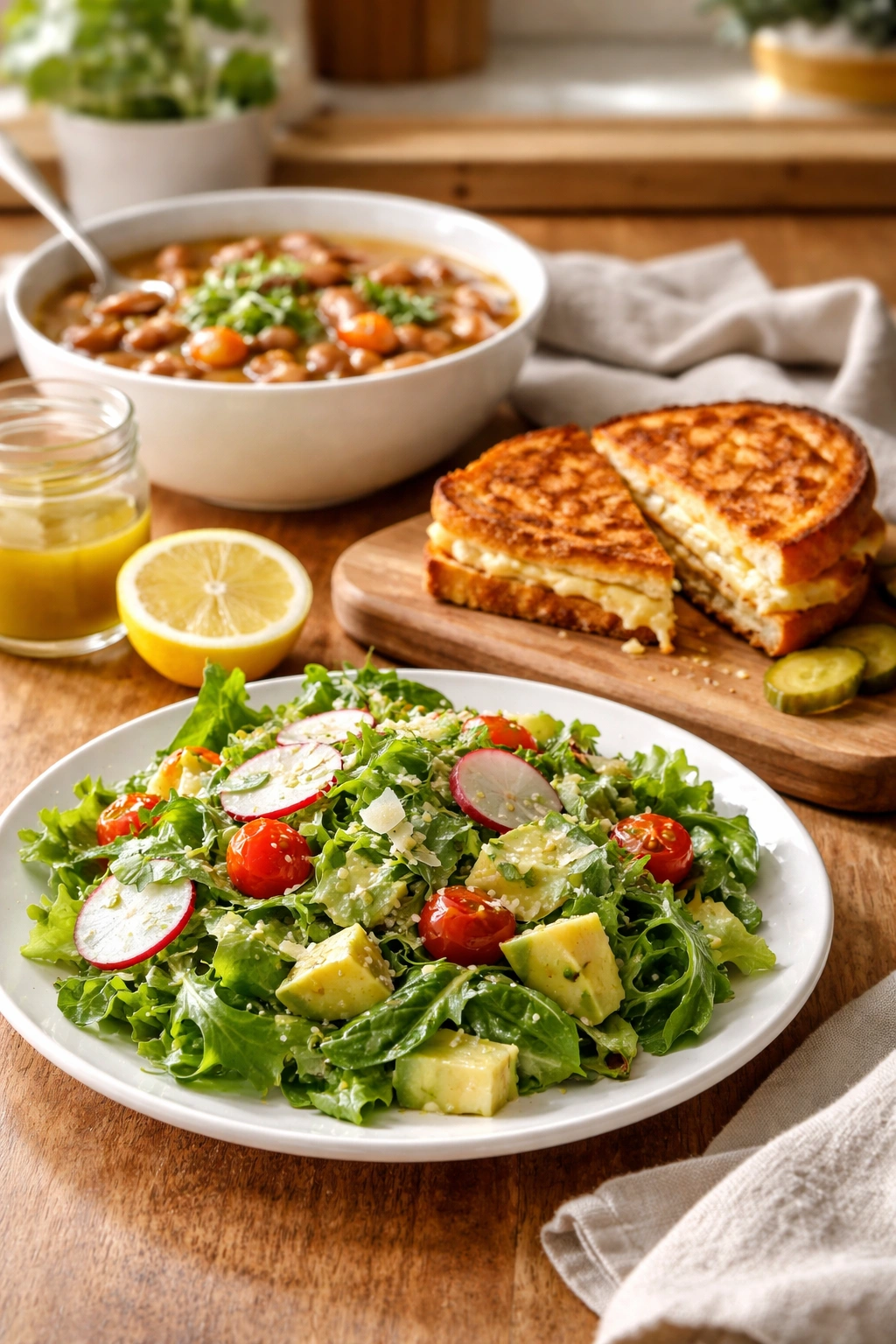
A simple green salad with lemon vinaigrette balances the richness of the soup perfectly. Peppery arugula dressed with olive oil, lemon juice, and fresh Parmesan is particularly nice. If you prefer something heartier, a grilled cheese sandwich (especially one made with good sourdough and sharp cheddar) pairs beautifully.
For a complete Italian meal, serve this soup with a simple pasta course beforehand, or follow it with a light protein and roasted vegetables. The soup is hearty enough to be a complete meal on its own, but it’s also elegant enough to be a soup course at a dinner party.
Cold weather calls for comfort, and this soup delivers it in spades. A glass of Italian white wine—something crisp like Pinot Grigio or Vermentino—complements the flavors beautifully. Even a simple sparkling water with lemon brings brightness to balance the richness.
Final Thoughts

White bean and sausage soup is the kind of recipe that rewards understanding over memorization. Once you grasp why each step matters—browning the sausage for depth, sautéing the aromatics slowly to build flavor, simmering gently to preserve texture, adding greens at the end for brightness—you can make this soup confidently and adjust it based on what’s in your pantry and what your mood calls for.
This isn’t fancy cooking. It’s honest cooking that respects ingredients and rewards patience with genuine satisfaction. On a chilly evening, in a quiet kitchen, with nothing but time and a good pot, you’ll understand why this soup has been a staple in Mediterranean kitchens for generations. Make it once, and it becomes a regular rotation in your own kitchen.
