



Getting healthy meals on the table on a busy weeknight doesn’t have to mean complicated recipes, endless ingredient lists, or spending more time cooking than you do eating. The truth most people discover too late is that some of the easiest dinners to prepare are also the most nutritious—and that’s the whole point of weeknight cooking. You’re not trying to impress a dinner party; you’re feeding yourself and your family something that tastes good, nourishes your body, and doesn’t steal three hours from your evening.
The challenge isn’t knowing that vegetables and lean protein are healthy. The real challenge is having reliable options that you actually want to eat, that come together in 30-45 minutes, and that don’t rely on obscure ingredients or specialized equipment. When you have a mental toolkit of proven, satisfying dinners you can build on muscle memory, weeknight cooking transforms from a frustration into a rhythm. You stop defaulting to takeout because the alternative on your counter is genuinely more appealing.
What makes a weeknight dinner truly “healthy” isn’t just the nutritional content—though that matters. It’s also about building sustainable eating patterns. A diet you can stick to on Wednesday at 6 p.m. when you’re tired beats the perfect meal plan you abandon by week two. That means recipes need real flavor, satisfying portions, and enough variety that you’re not bored by the third iteration. The dinners ahead each come together in under 50 minutes of hands-on time, rely on ingredients you can find anywhere, and hit that sweet spot between nourishing and genuinely craveable.
These ten dinners represent different proteins, cooking methods, and flavor profiles—enough rotation to keep your weekly meal prep interesting while staying anchored in the practical reality of weeknight cooking. Each one is designed so you’re not just eating healthy; you’re actually enjoying dinner.
1. Sheet Pan Lemon Herb Chicken with Roasted Vegetables
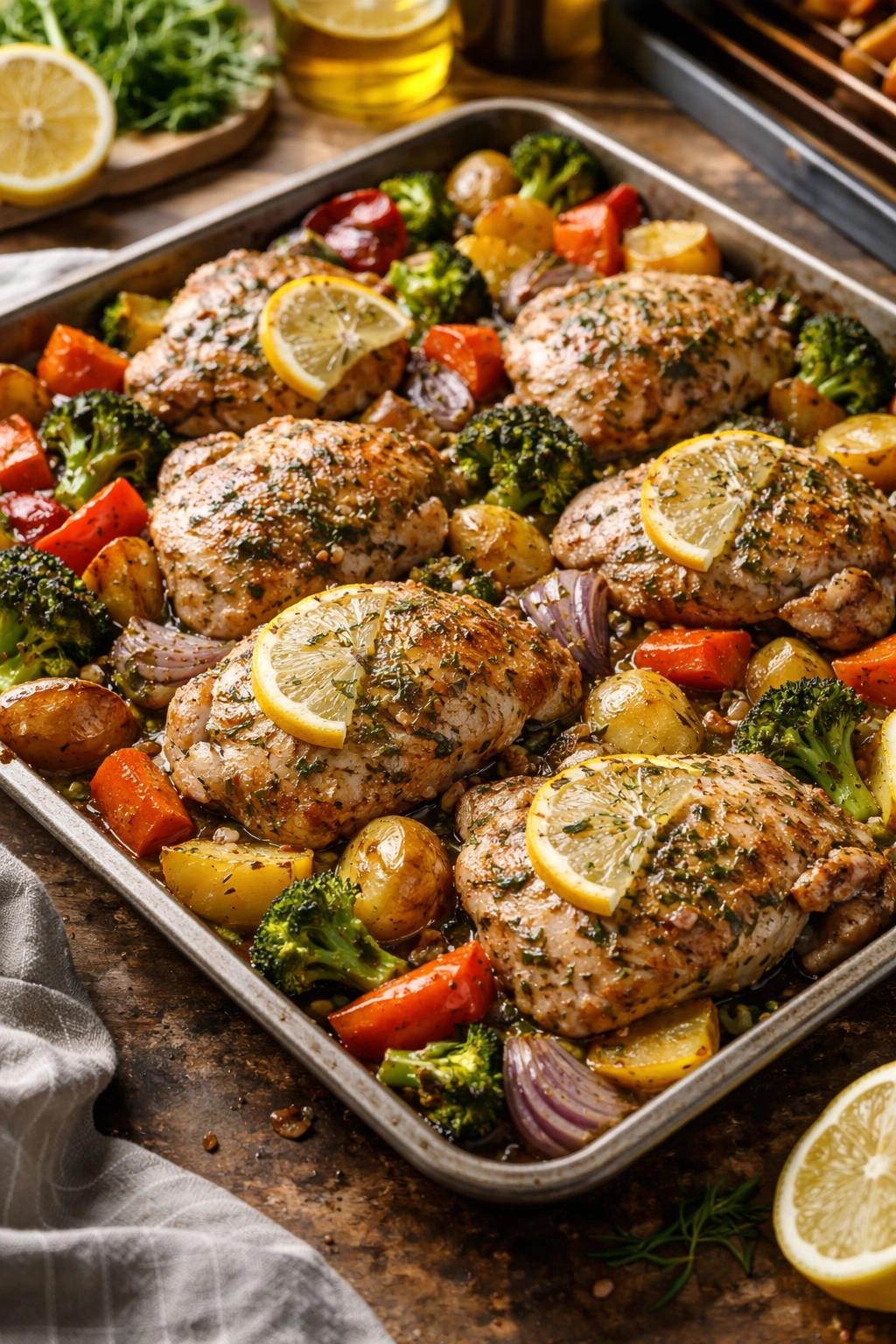
This is the dinner that changes your relationship with weeknight cooking because it removes the hardest part: figuring out what to cook alongside your protein. Everything—chicken, vegetables, aromatics, fat, and flavoring—roasts on a single pan. The magic happens when the chicken releases its juices, which then mingle with olive oil, lemon, and garlic, creating an impromptu sauce that clings to everything else on the pan.
Why This Works for Weeknights
The structural advantage of sheet pan dinners is that prep and cooking happen mostly in parallel. While your oven preheats, you’re chopping vegetables and mixing your seasoning. Once everything hits the pan and goes into the oven, you have 25-30 minutes of uninterrupted time—enough to set a table, toss a salad, or simply take a breath. One pan means one thing to wash. The chicken emerges juicy because you’re not overcooking it; the residual heat from the pan finishes everything evenly.
What Makes It Satisfying
- Roasted vegetables develop actual caramelization and sweetness, not just soft textures
- Chicken thighs or breasts absorb the lemon-herb oil, staying moist while developing golden edges
- The pan juices create a natural sauce without any cream or thickening agents
- Serves as a complete meal with nothing else needed (though crusty bread captures every drop of liquid gold)
Pro tip: Arrange denser vegetables like Brussels sprouts and carrots at the edges of the pan where they get more direct heat, and place chicken and softer vegetables toward the center. This prevents the edges from over-roasting before the centers cook through.
2. Turkey Taco Bowl with Cilantro Lime Rice
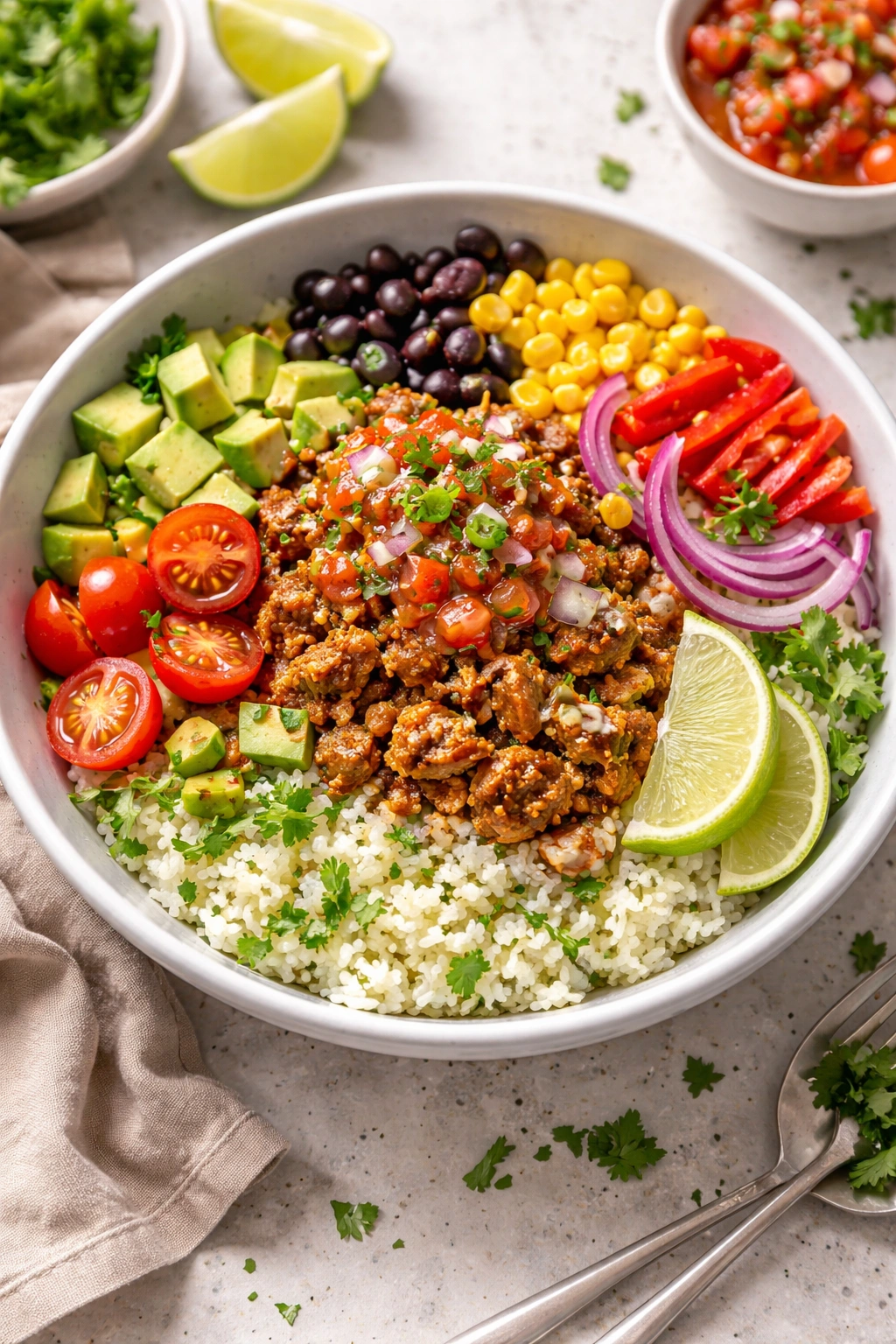
Ground turkey gets unfairly dismissed as the “healthy alternative” that’s boring. When seasoned properly and built into a bowl format, turkey becomes an incredibly efficient vehicle for flavor and nutrition. The taco bowl structure—where everything is customizable and you control the proportions—solves the biggest complaint most people have about trying to eat healthier: they feel restricted. Here, you’re actually in control.
The Strategic Advantage
Ground turkey cooks in about 8 minutes, which means this entire meal comes together in roughly 25 minutes including rice. The bowl format lets you layer flavors and textures in a way that feels abundant despite being nutritionally smart. Unlike a taco (where you’re limited by how much filling fits), a bowl lets you eat as much salad and vegetables as you want without the structural limitations.
Key Components That Elevate This Beyond Basic
- Ground turkey seasoned with cumin, chili powder, smoked paprika, garlic, and lime juice (not packaged taco seasoning, which often contains added sugars and fillers)
- Cilantro lime rice made by stirring fresh cilantro, lime juice, and a tiny pinch of salt into freshly cooked brown rice
- Toppings: shredded cabbage, cherry tomatoes, diced avocado, black beans, corn, red onion, and a drizzle of Greek yogurt mixed with lime juice and cilantro
- The Greek yogurt base replaces sour cream while adding protein
This isn’t deprivation; it’s abundance. You’re eating a bowl full of vegetables, healthy fat from avocado, lean protein, and whole grains—all while feeling satisfied by the variety and flavor.
3. Baked Cod with Garlic Green Beans and Quinoa
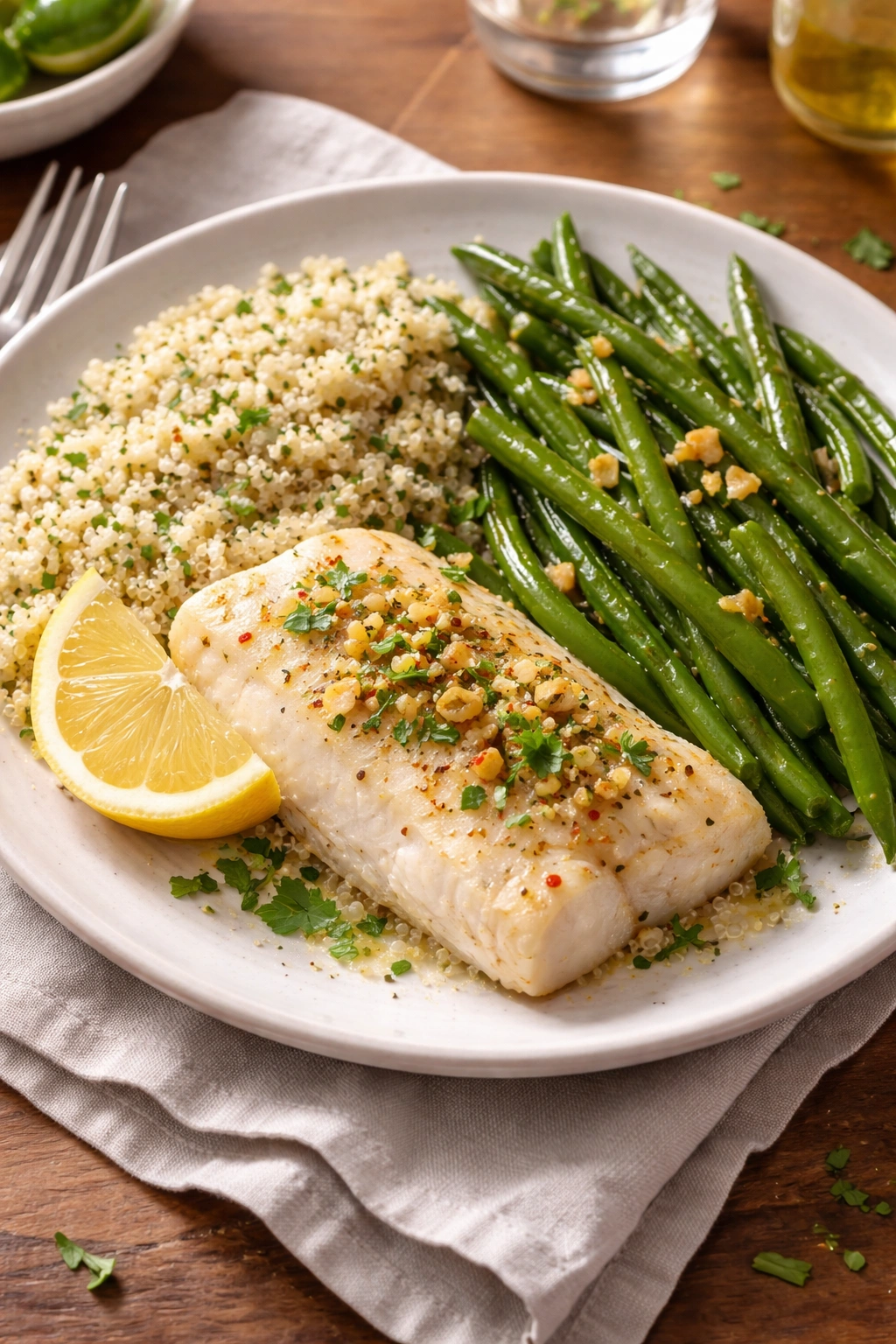
White fish is unfairly perceived as bland and difficult, when in reality, delicate white fish is one of the easiest proteins to cook perfectly. Cod especially cooks so quickly and gently that it’s nearly impossible to overcook if you’re paying attention. Pair it with a nutrient-dense side like quinoa—a complete protein containing all nine essential amino acids—and you’ve built a nutritionally comprehensive meal that feels lighter than it actually is.
Why This Meal Works Nutritionally
Cod is incredibly lean but still contains omega-3 fatty acids (in smaller quantities than fatty fish like salmon, but present nonetheless). Quinoa adds plant-based protein, fiber, and minerals like manganese and magnesium. Green beans contribute vitamin K and stay crisp if you cook them properly. Together, these three components create a meal with impressive nutritional density that doesn’t feel heavy after you eat it.
The Cooking Method Matters
- Cod fillets bake at 400°F for 12-15 minutes, covered loosely with foil to keep them moist
- Green beans are tossed in olive oil, minced garlic, salt, and pepper, then roasted on the same oven rack until the edges just begin to blister (around 12 minutes)
- Quinoa cooks in a 2:1 water-to-quinoa ratio and benefits from a pinch of salt and a small drizzle of olive oil
- The timing creates a natural rhythm where everything finishes simultaneously
Worth knowing: Cod sold as thick fillets (at least 1.5 inches) cooks more evenly than thin filets, which can dry out despite seeming more convenient. Ask the fishmonger for consistent thickness.
4. Stir-Fried Tofu with Brown Rice and Broccoli
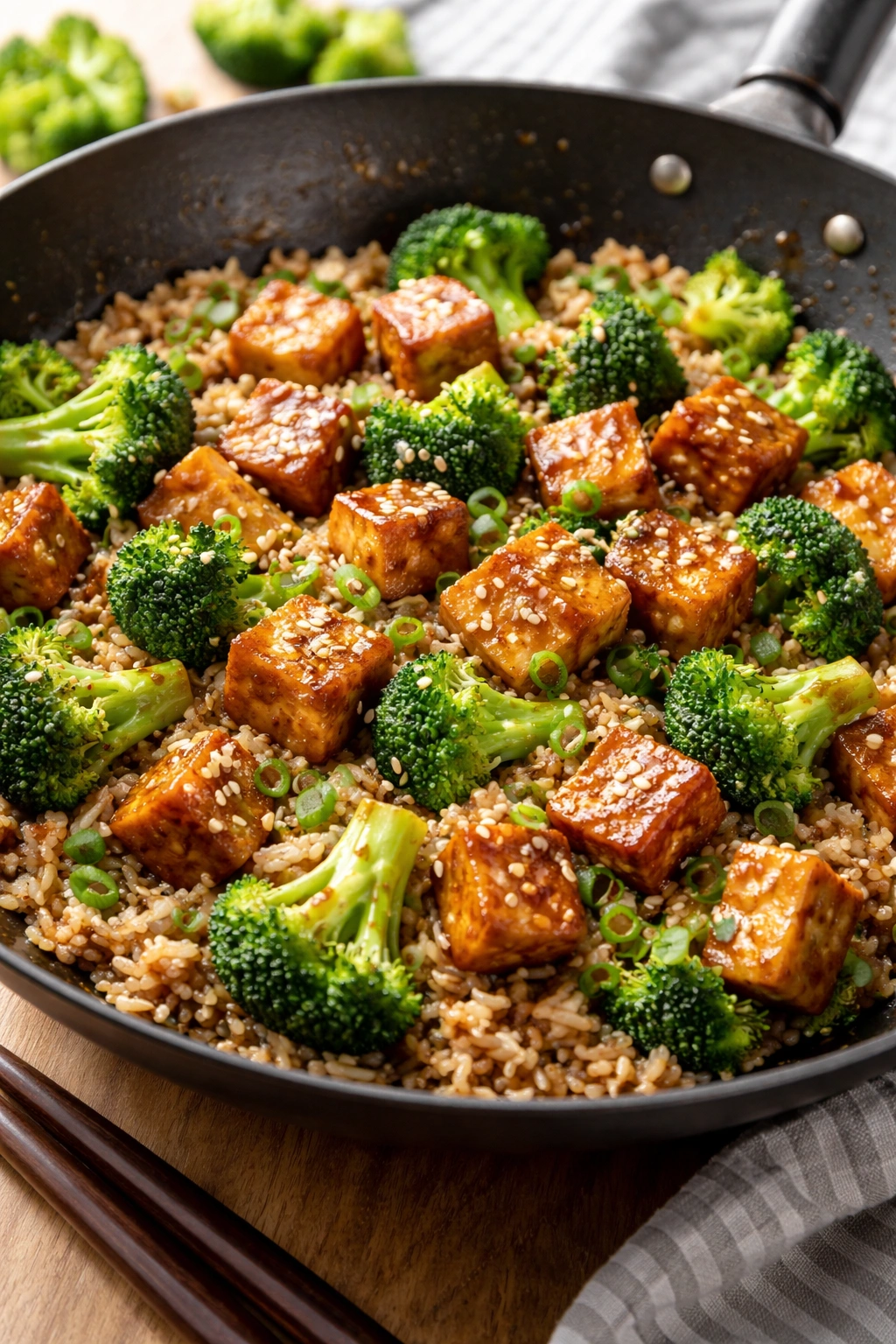
Tofu intimidates people largely because it’s unfamiliar, not because it’s actually difficult. The secret to making tofu taste good—rather than like a bland sponge—is understanding that tofu is an absorber of flavors, not a flavor of its own. When you press it to remove excess moisture and then cook it with bold, aromatic seasonings, it becomes something genuinely delicious. A stir-fry is the perfect format for this transformation.
Building Real Flavor Into Tofu
The texture outcome depends entirely on preparation. Pressing extra-firm tofu for at least 15 minutes removes enough water that it can actually brown and develop flavor, rather than steam in its own moisture. Then you cut it into cubes, toss it in a bit of cornstarch and salt, and let it sit for a few minutes—the cornstarch helps create a slight crust when it hits the hot pan.
The stir-fry sauce is where magic happens: soy sauce, rice vinegar, minced garlic, fresh ginger, a touch of sesame oil, and a pinch of red pepper flakes create a bold base. Broccoli florets add texture and nutrition, and brown rice provides the foundation that makes this feel substantial.
The Technique That Makes It Work
- Heat your wok or large skillet over high heat for at least two minutes—if you cook in a cold or barely warm pan, the tofu steams instead of frying
- Let each piece of tofu sit undisturbed for 2-3 minutes before stirring, which allows it to develop that desirable golden crust
- Add vegetables in order of how long they take to cook (longer-cooking items first, quick-cooking items last)
- Finish by adding the sauce and tossing everything just until the broccoli is coated and still slightly crisp
5. Lean Ground Beef and Vegetable Skillet
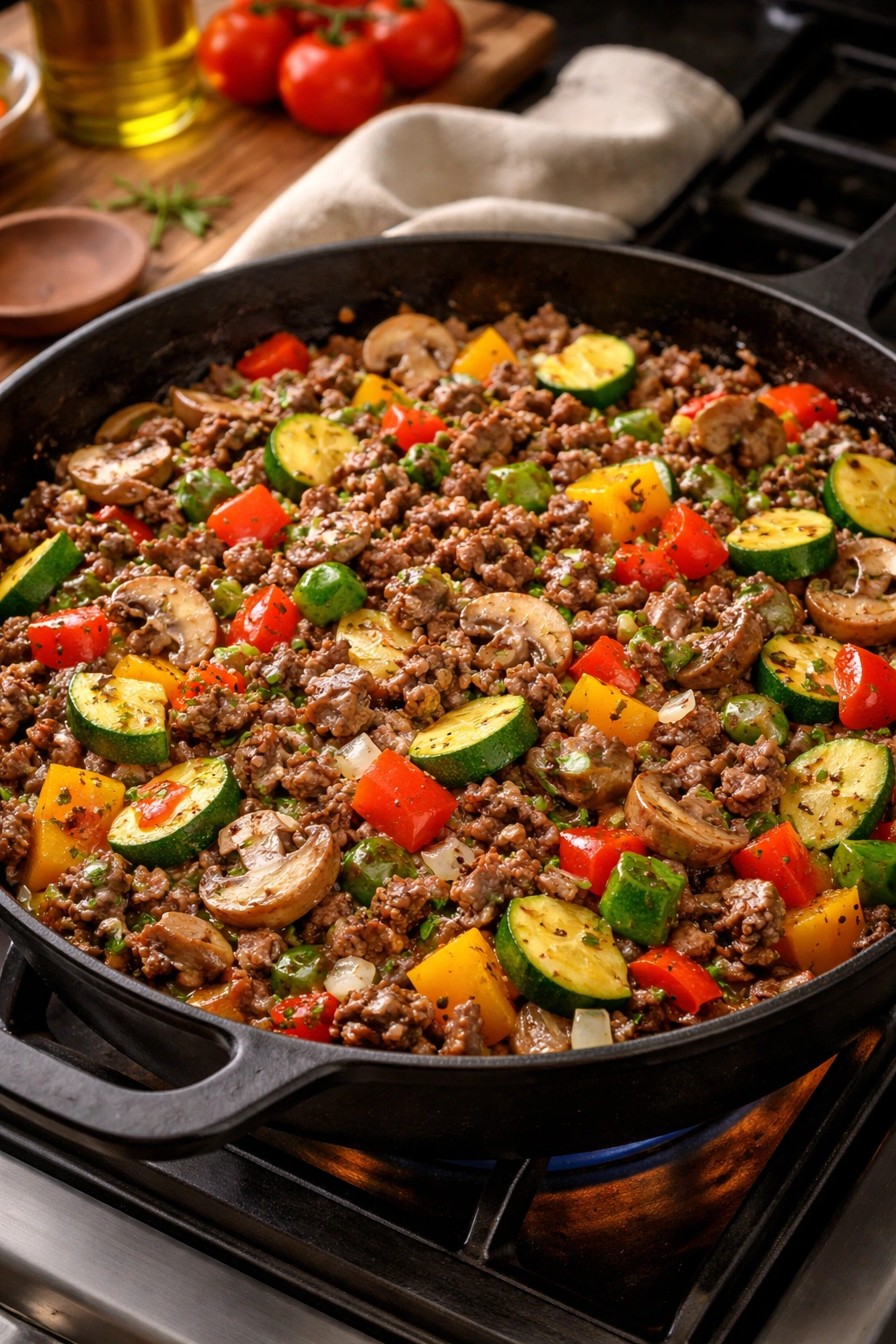
Ground beef has an image problem in healthy eating circles despite being an efficient source of iron, zinc, and B vitamins—nutrients that are harder to get from plant sources alone. The issue isn’t ground beef itself; it’s usually the preparation and proportions. When you build a meal where ground beef is the protein component (not the starring ingredient taking up most of the plate), and combine it with plenty of vegetables, you get something deeply satisfying that also happens to be nutritious.
The Right Cut and Proportions
Using 90/10 or 93/7 ground beef means you get the flavor without excess saturated fat. One pound of ground beef—cooked with vegetables and seasonings—serves four people when you’re filling their plates with vegetables first. The beef becomes the seasoning and protein layer, not the main event.
Building This Into a Complete Meal
Start by browning the beef with diced onion and minced garlic, breaking it into small pieces as it cooks. Once the meat is done, add diced bell peppers, zucchini, and mushrooms. Season with cumin, smoked paprika, salt, and pepper. Add a splash of low-sodium beef broth or tomato sauce if you want more liquid. Let everything simmer together for 8-10 minutes until the vegetables are tender but still have some texture. Serve over brown rice, cauliflower rice, or simply in bowls with crusty bread for scooping.
Insider note: Cooking the vegetables in the residual fat and meat drippings infuses them with savory flavor without needing excess oil. This is where the taste comes from.
6. Salmon with Roasted Brussels Sprouts and Sweet Potato
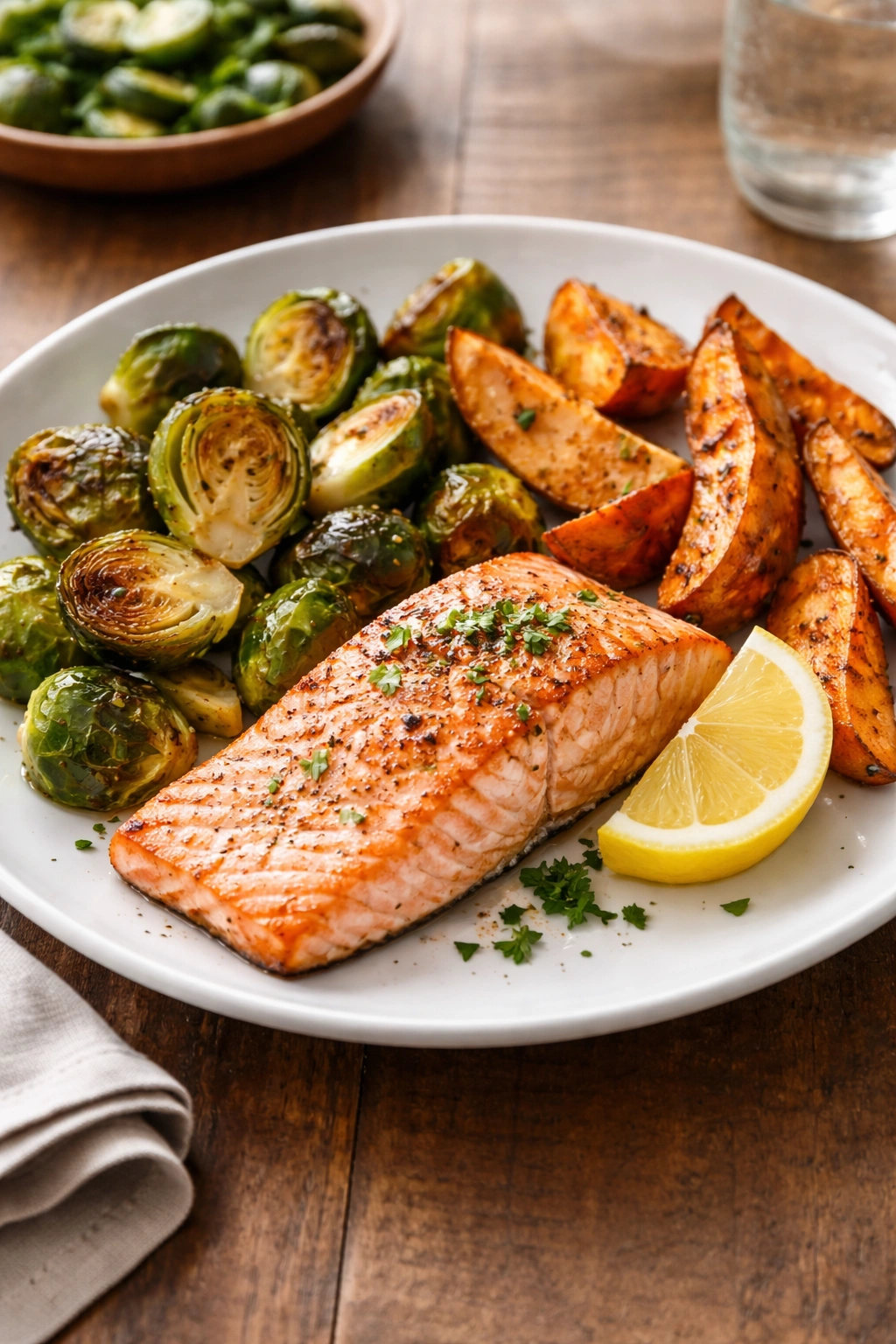
Salmon is one of the few foods that checks nearly every nutritional box: it’s rich in omega-3 fatty acids, contains significant amounts of vitamin D and selenium, and provides lean protein. The flavor is bold enough that it doesn’t need much—just salt, pepper, and possibly a squeeze of lemon. The real cooking skill here is preventing salmon from overcooking, which is easier than most people think because salmon shows you when it’s done through a very visible doneness cue.
Understanding Salmon Doneness
Salmon is perfectly cooked when the flesh just becomes opaque and flakes gently when pressed with a fork, but still retains some translucency at the very center. This takes about 12-14 minutes at 400°F, depending on thickness. The residual heat will finish the cooking as it rests, so you want to pull it out before it looks completely cooked. If you wait until it’s totally opaque throughout, you’ve overcocked it—it’ll be dry.
The Complete Plate
Roasted Brussels sprouts (tossed in olive oil, salt, and pepper, then roasted at 400°F for 20 minutes) develop caramelized edges and become sweet and nutty. Sweet potato wedges—cut from lengthwise pieces and roasted alongside—add earthiness and natural sweetness. Together they create a plate that feels completely different from typical lean-protein dinners. This is restaurant-quality food that happens to be made in your oven in about 25 minutes.
Why This Rotation Matters
Eating salmon twice a week gives you consistent access to omega-3s and vitamin D, both of which many people fall short on. Building it into a regular rotation makes getting adequate nutrition effortless rather than something you have to think about.
7. Chickpea and Vegetable Curry with Brown Rice
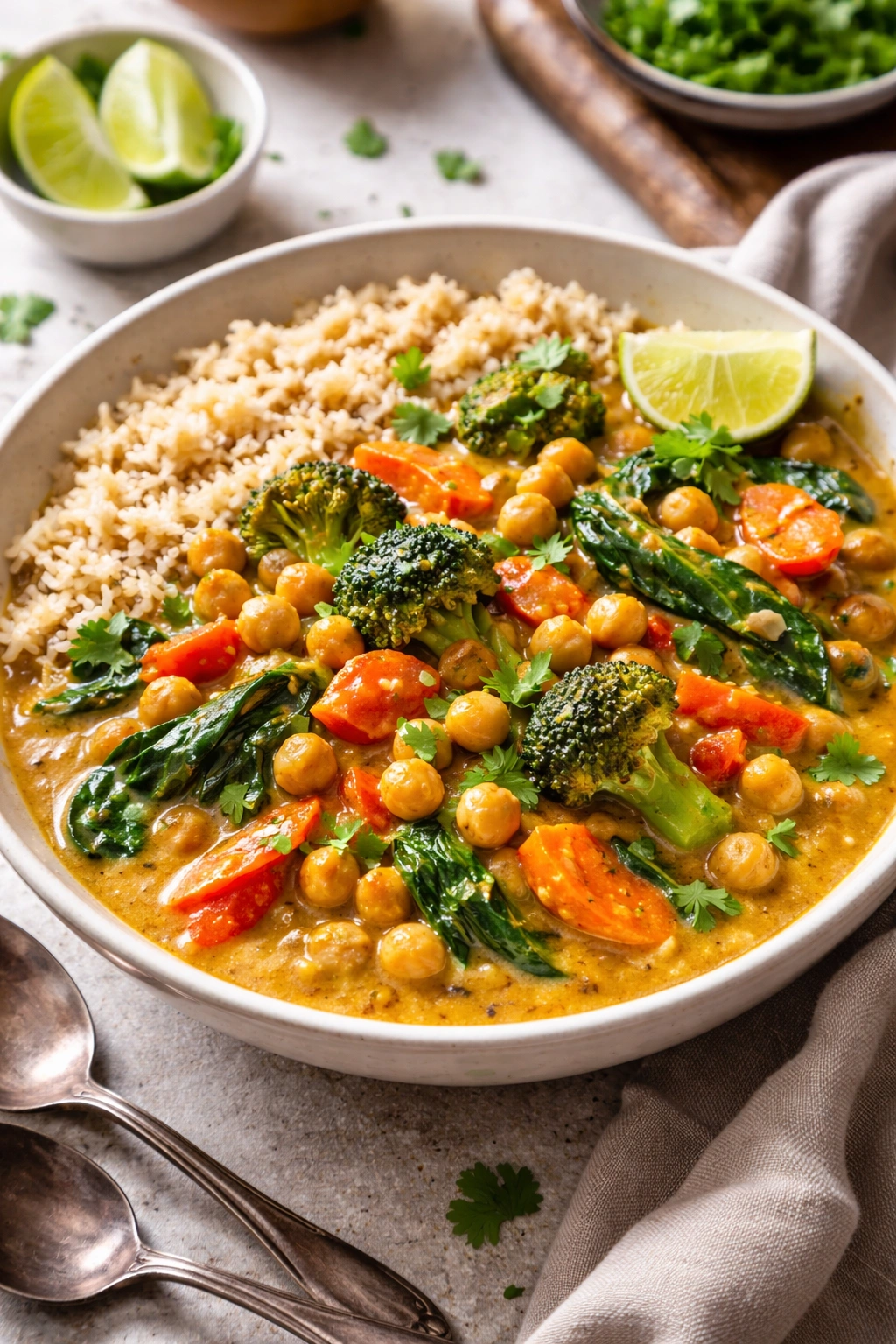
Vegetarian or not, curry-based meals built around chickpeas offer something increasingly hard to find in weeknight cooking: whole meals built entirely around plant-based ingredients that still deliver protein, satisfaction, and real flavor. A chickpea curry has more protein per serving than most people realize (roughly 15 grams per cup of cooked chickpeas), plus fiber that keeps you satisfied for hours.
The Curry Foundation
The base starts with onion and garlic sautéed until fragrant, then curry powder or paste is added and allowed to bloom in the oil for about a minute. This step—which most home cooks skip—is what converts generic curry spice into something deeply aromatic. Add canned coconut milk, vegetable broth, canned chickpeas (rinsed and drained), and whatever vegetables you have on hand: sweet potato, cauliflower, spinach, zucchini, bell peppers, or carrots.
Why Canned Chickpeas Make Sense Here
Using canned means your entire meal is ready in about 25 minutes. There’s no soaking or extended cooking time. The chickpeas are already softened and only need to warm through and absorb the curry flavors. The liquid reduces slightly, creating a sauce that clings to the chickpeas. Serve over brown rice or with naan bread.
Pro tip: Add spinach or other greens at the very end—just after the curry has finished simmering—so they wilt slightly while retaining their nutrients and brightness. This also transforms the visual appeal of the finished dish.
8. Grilled Chicken Breast with Whole Wheat Pasta and Pesto
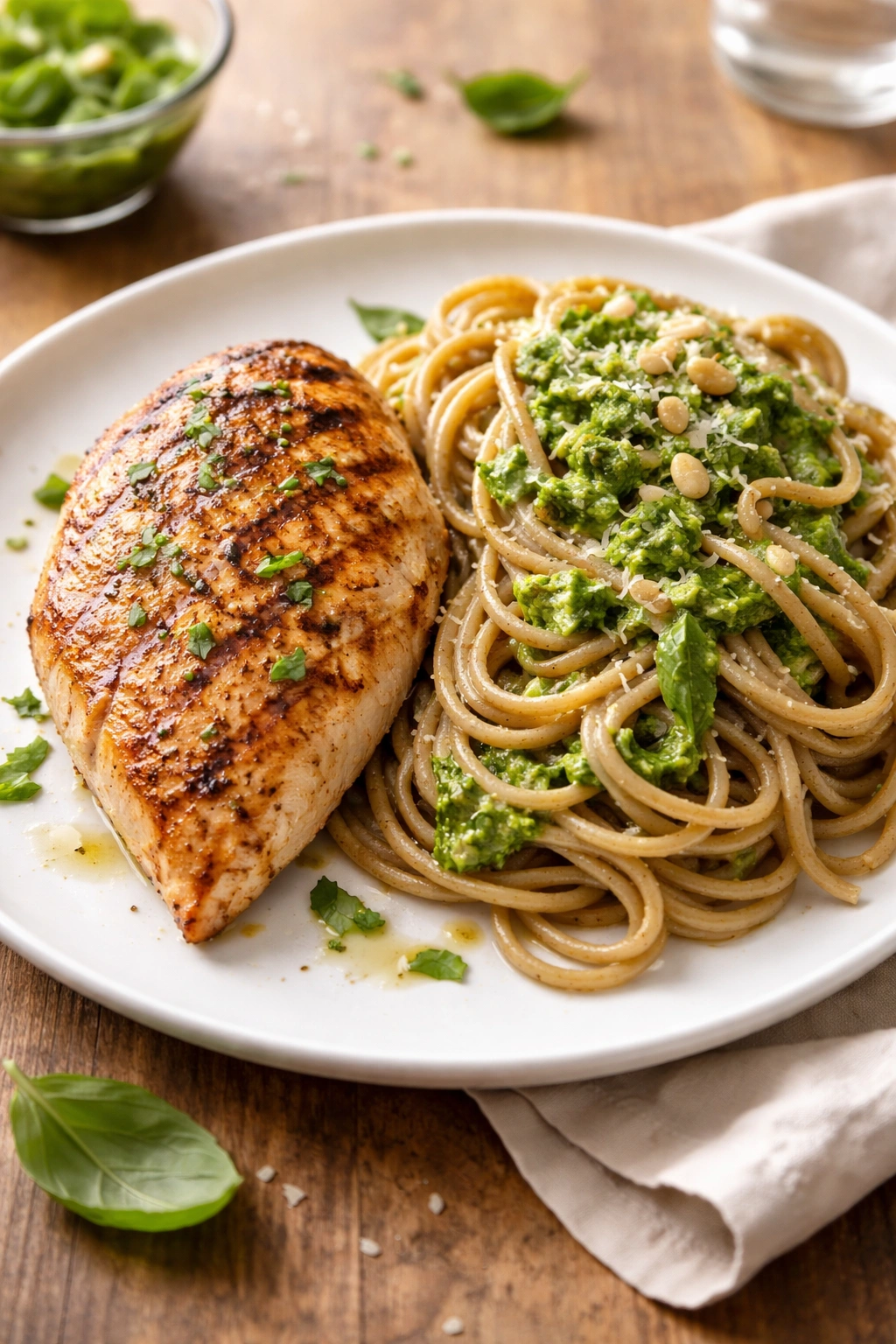
This meal solves one of the biggest reasons people abandon healthy eating: the perception that it’s boring. Grilled chicken breast sounds utterly plain, but when paired with a vibrant, herbaceous pesto and whole wheat pasta, it becomes something genuinely craveable. The key is preventing the chicken from being dry, which happens through proper thickness and not overcooking—not through drowning it in heavy sauce.
Getting Moist Grilled Chicken
Pound chicken breasts to an even thickness (about three-quarters of an inch) so they cook uniformly. Season with salt and pepper well in advance—at least 10 minutes—so the salt has time to dissolve and penetrate the protein, keeping moisture locked in. Grill over medium-high heat for 5-6 minutes per side, depending on thickness. You’re looking for an internal temperature of 165°F, but the instant-read thermometer should give you about 160°F when you pull it off the heat; carryover cooking finishes the job.
The Pesto Advantage
Fresh pesto made from basil, garlic, pine nuts (or almonds, or walnuts), Parmesan, olive oil, and lemon juice is more nutritious than you might think. It’s not a sauce to drown your food in, but rather a flavor-delivery system where a few tablespoons completely transform plain ingredients. Toss hot pasta with pesto, then arrange the sliced chicken on top.
The whole wheat pasta adds fiber and nutrients compared to refined pasta while still delivering the comfort-food satisfaction of pasta. The textural combination—tender grilled chicken, al dente pasta, fresh pesto—makes this a meal that actually feels like dinner, not an obligation.
9. Ground Turkey Lettuce Wraps with Cauliflower Rice
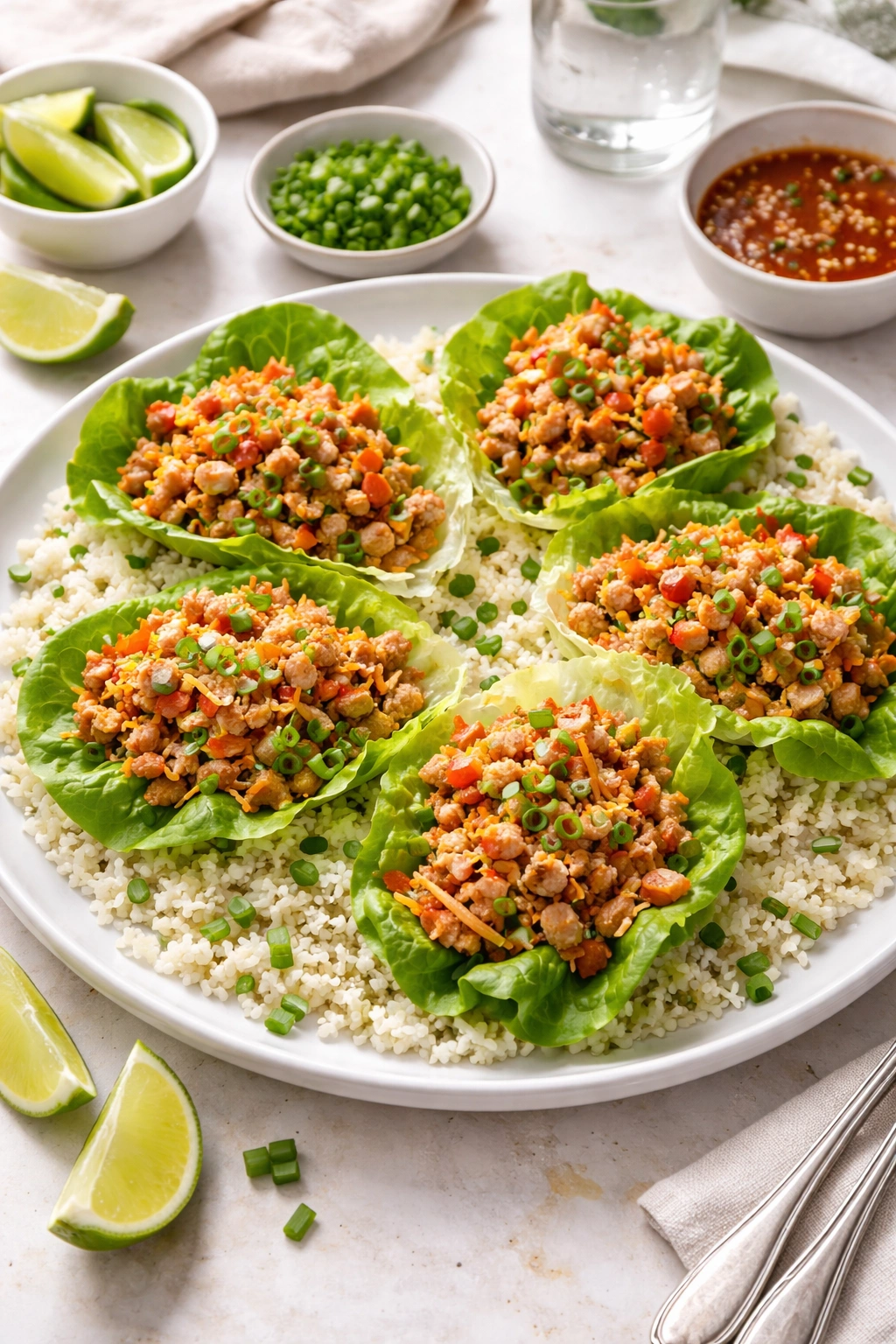
Lettuce wraps occupy a strange culinary space: they’re often perceived as the sad, restrictive alternative to regular food. Reframe them as an entirely separate category of meal—crispy, interactive, loaded with fresh flavors—and they become genuinely fun. You’re not giving something up; you’re eating something different and delicious.
Building Flavor Into the Filling
Ground turkey cooks quickly (about 8 minutes), but during that time it can become bland if you’re not careful. The solution is aromatics and seasoning: sauté minced garlic and ginger in a bit of oil first, add the ground turkey and break it into small pieces, then season with tamari or soy sauce, rice vinegar, a touch of sesame oil, and minced fresh ginger. Add finely diced water chestnuts, shredded carrots, and minced green onions. The mixture should be highly seasoned—the wraps are meant to taste bold.
Cauliflower Rice as a Substantial Base
Rather than eating lettuce wraps as an appetizer or side, serve them with cauliflower rice as the base. Cauliflower rice is made by pulsing raw cauliflower in a food processor until it resembles rice, then sautéing it quickly in a hot pan with a bit of oil. It can be seasoned to match the meal—in this case, with the same sesame and ginger flavors. This transforms the meal into something with actual substance while keeping the calorie density manageable.
The Assembly
Butter lettuce or iceberg leaves serve as the wraps. Let people build their own—the interactivity makes the meal feel like an event rather than just eating dinner. Each wrap gets a spoonful of turkey mixture, a bit of cauliflower rice, and fresh toppings: cilantro, sliced green onion, and a drizzle of sriracha mayo (Greek yogurt mixed with a touch of sriracha).
10. Slow Cooker Lentil Soup with Turkey Meatballs
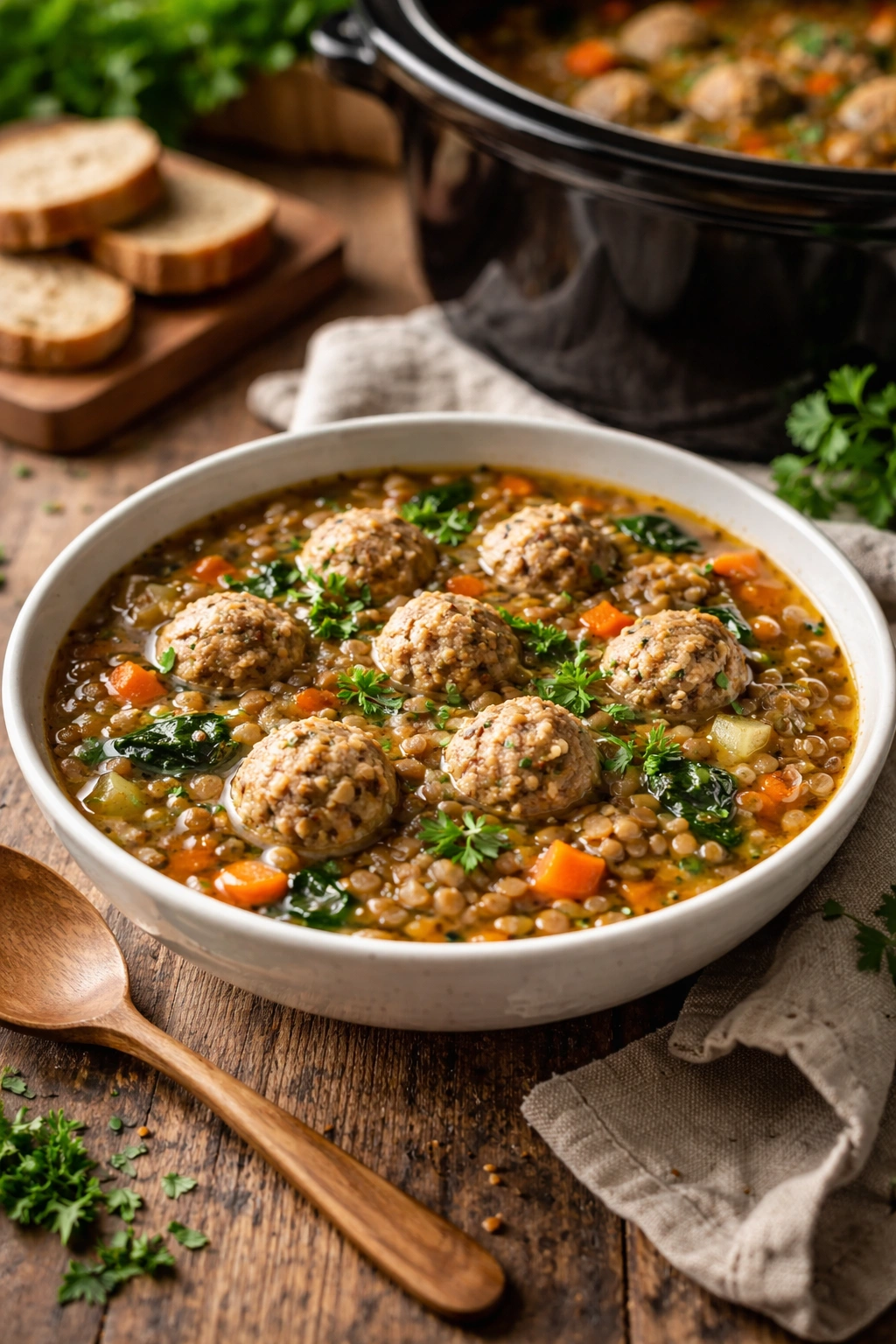
This is the dinner that keeps giving: it cooks largely unattended, makes excellent leftovers, and tastes better the next day as flavors meld and deepen. A slow cooker allows you to start dinner in the morning and have it ready by evening—which is the ideal scenario for weeknight cooking when you’re busy during the day.
The Lentil Base
Red or green lentils form the foundation, simmered with diced onion, celery, carrots, and diced tomatoes. The aromatics—garlic, bay leaf, thyme—build a savory base. Vegetable or chicken broth rounds out the liquid. Lentils cook down slightly, creating a naturally thick soup that’s more stew-like than brothy. This texture keeps people satisfied in a way that thin soups don’t. The lentils also provide significant protein and fiber—a one-cup serving of lentil soup contains around 10 grams of protein and 8 grams of fiber.
Turkey Meatballs for Substance
Rather than relying entirely on lentils for protein, turkey meatballs add substance and texture. Make them before work if you have ten minutes, or brown them quickly while the slow cooker base cooks. Mix ground turkey with breadcrumbs, an egg, minced garlic, and Italian seasoning, form into small balls, and brown them in a hot skillet for 8-10 minutes. Transfer them to the slow cooker for the final hour of cooking, so they absorb flavor and stay moist.
The Time Advantage
A slow cooker running on low for 6-8 hours creates depth of flavor that would normally require hours of stovetop simmering. By the time you walk in the door, dinner is ready—you only need to reheat bowls and serve. This eliminates the 5 p.m. panic of “what am I going to cook” because your dinner has been cooking since morning.
Worth knowing: Add any delicate vegetables (spinach, kale, zucchini) in the final 30 minutes so they don’t turn to mush. This preserves both nutrition and texture.
The Bottom Line
These ten dinners represent less than a full month of weeknight eating—enough rotation to build confidence without the pressure of constant novelty. Each one prioritizes real ingredients, actual flavor, and reasonable cooking timelines. The transition from takeout to home cooking isn’t about willpower; it’s about having appealing options ready to execute. When your mental toolkit includes dinners you genuinely want to eat, the default choice becomes cooking, not ordering.
The real benefit emerges over time. Building these meals into a regular rotation means you’re nourishing your body consistently without the feast-or-famine mentality that derails most health changes. You’re not optimizing for perfection; you’re optimizing for consistency. That distinction is everything.
