



Making cocktails at home doesn’t require a fancy bar setup or years of experience—it just requires knowing which drinks are actually worth your time and effort. The best cocktails are the ones that taste restaurant-quality with surprisingly simple ingredients, follow forgiving techniques, and actually work in a home kitchen without specialized equipment. Whether you’re hosting friends, celebrating a special evening, or just treating yourself to something better than what you can get in a bottle, these drinks deliver real flavor and genuine satisfaction.
The beauty of mastering a handful of quality cocktails is that they teach you fundamental techniques that carry across everything else you’ll want to make. A perfect Margarita teaches you about balance and shaking. A proper Daiquiri shows you how three ingredients in the right proportions become something transcendent. An Old Fashioned demonstrates how patience and technique matter more than complexity. Once you understand these foundations, you’ll find yourself improvising confidently with any spirit and any flavors that appeal to you.
What separates the cocktails in this list from gimmicky drinks that look good but taste mediocre is that each one has earned its place through decades—often more than a century—of refinement. These are drinks people keep making because they genuinely taste exceptional, not because they’re trendy or Instagram-friendly. They’re approachable enough for a beginner to execute successfully, yet refined enough that you’ll still be learning new nuances years into making them. Let’s walk through the drinks that deserve permanent real estate in your home bar.
1. Margarita
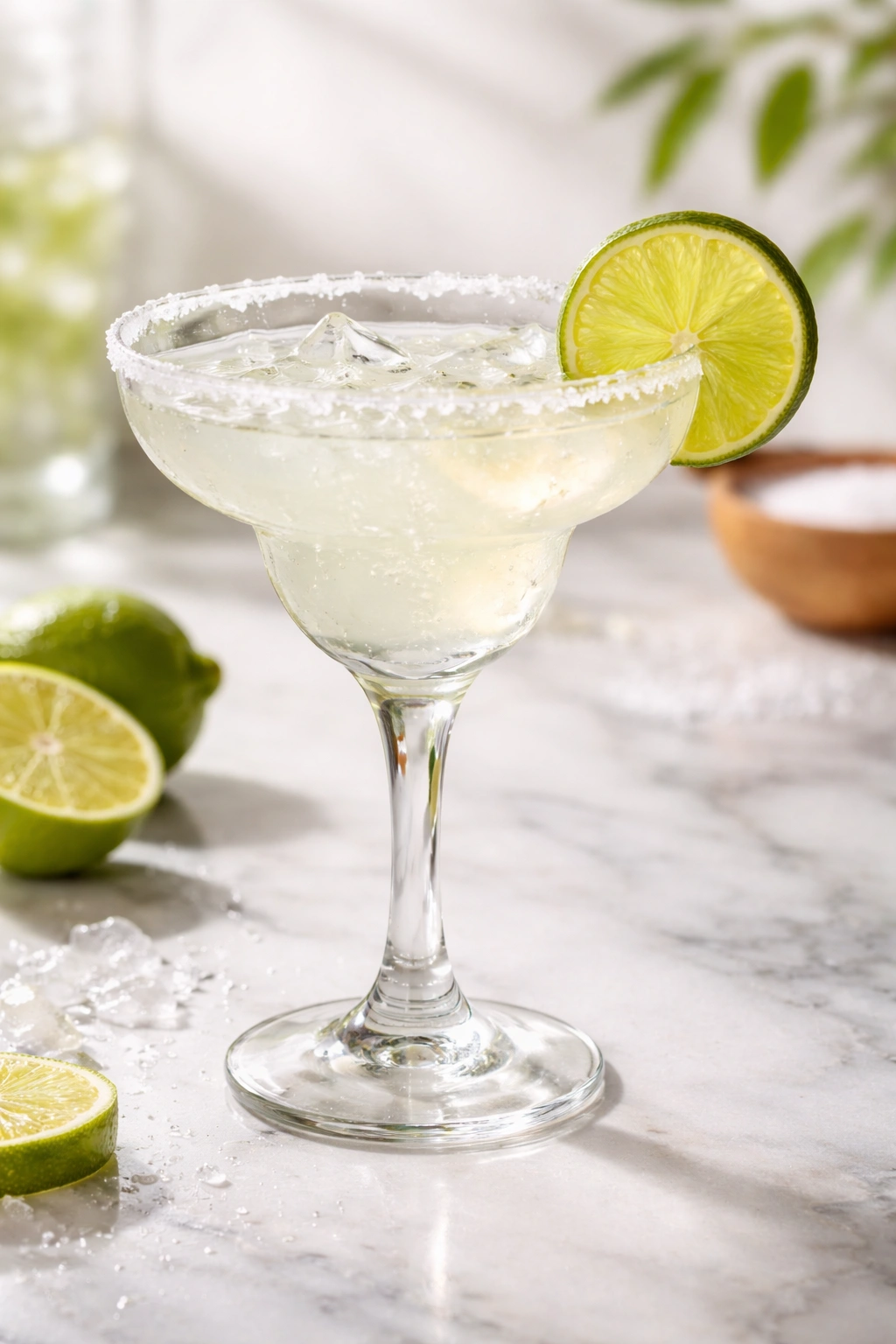
The Margarita is the foundation drink that teaches you the most valuable lesson in cocktail making: balance is everything. When made correctly, it’s crisp, bright, and perfectly tart—but when the proportions drift even slightly, it becomes either aggressively sour or cloyingly sweet. This drink has converted countless people who thought they didn’t like cocktails into genuine enthusiasts.
Why It’s Worth Mastering
The beauty of a Margarita lies in its elegant simplicity. You’re working with just three ingredients: quality tequila, fresh lime juice, and a touch of sweetness. The technique is equally straightforward—you shake everything together with ice and strain it into a glass. What makes this drink teach you so much is that there’s nowhere to hide. Any shortcut in ingredients or technique will immediately taste wrong. Fresh lime juice is non-negotiable—bottled lime juice will create something that tastes chemical and harsh.
What Makes a Great Margarita
- Tequila quality matters significantly—look for 100% agave tequila, either blanco (clear) or reposado (aged), and avoid anything labeled “mixto” which contains added sugars
- Fresh lime juice is mandatory—squeeze it yourself right before making the drink; bottled simply doesn’t work
- Proper proportions: 2 oz tequila, ¾ oz fresh lime juice, ½ oz triple sec or Cointreau, and a small pinch of salt
- The salt rim adds complexity, not just decoration—it brightens the citrus and enhances the tequila
- Shaking thoroughly for about 10-12 seconds creates proper dilution and chill that transforms the flavors
Pro tip: Chill your coupe or margarita glass in the freezer for at least 5 minutes before serving—a warm glass makes a significant difference in how long the drink stays cold in your mouth.
2. Daiquiri
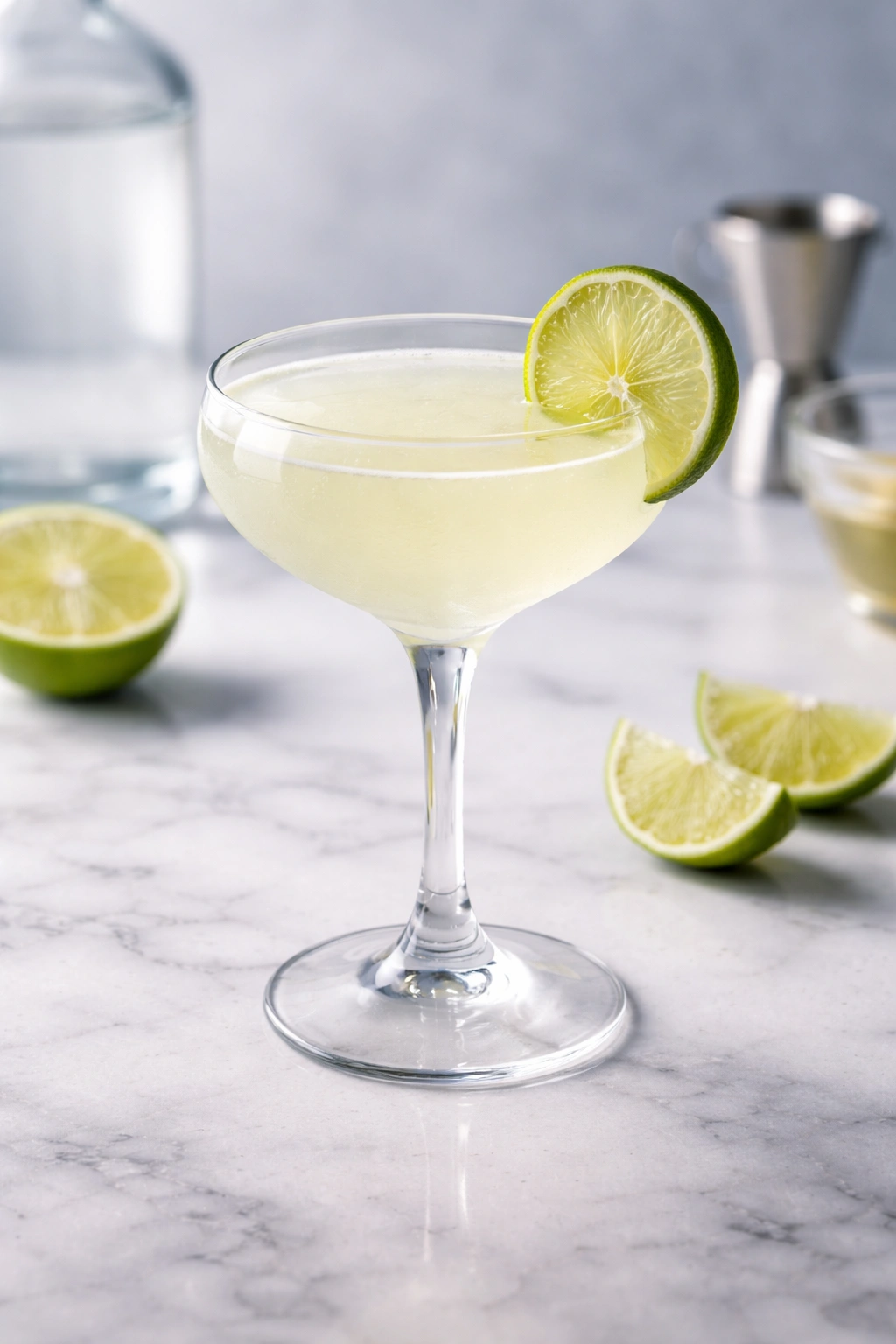
The Daiquiri might be the most misunderstood cocktail in existence. Most people’s only experience with it comes from the frozen, artificially-flavored hurricane glasses at beach bars, but the real Daiquiri is something entirely different—elegant, balanced, and dangerously easy to drink because it’s so well-proportioned. It’s one of the best arguments for why craft matters in cocktails.
Why It’s a Bartender’s Favorite
Professional bartenders love the Daiquiri because it demands technical skill but rewards you with a nearly perfect cocktail. The drink is just three ingredients: rum, lime juice, and simple syrup. That’s it. The entire challenge is getting the balance precisely right, which means you’ll actually learn something about your palate every time you make one. The Daiquiri was allegedly created in Cuba and has been refined over more than a century of use.
The Technique That Makes It Work
- Use a good white rum—nothing too heavy or aged, but something with actual flavor beyond just alcohol
- Lime juice must be fresh-squeezed—this is the drink where citrus quality is most critical because there’s nowhere else to hide
- Simple syrup proportions: roughly 2 oz rum, ¾ oz fresh lime juice, ½ oz simple syrup
- Shake vigorously with ice for about 12-15 seconds until the shaker becomes frosty cold
- Serve in a small coupe glass—the proper glassware actually affects how you taste the drink
- No garnish needed, though a lime wheel looks nice if you want one
Worth knowing: If your Daiquiri tastes too sour, your lime juice is probably too acidic (it happens—limes vary), so add just a couple drops more simple syrup. If it tastes too sweet, you probably under-shook it, so the next one goes longer.
3. Old Fashioned
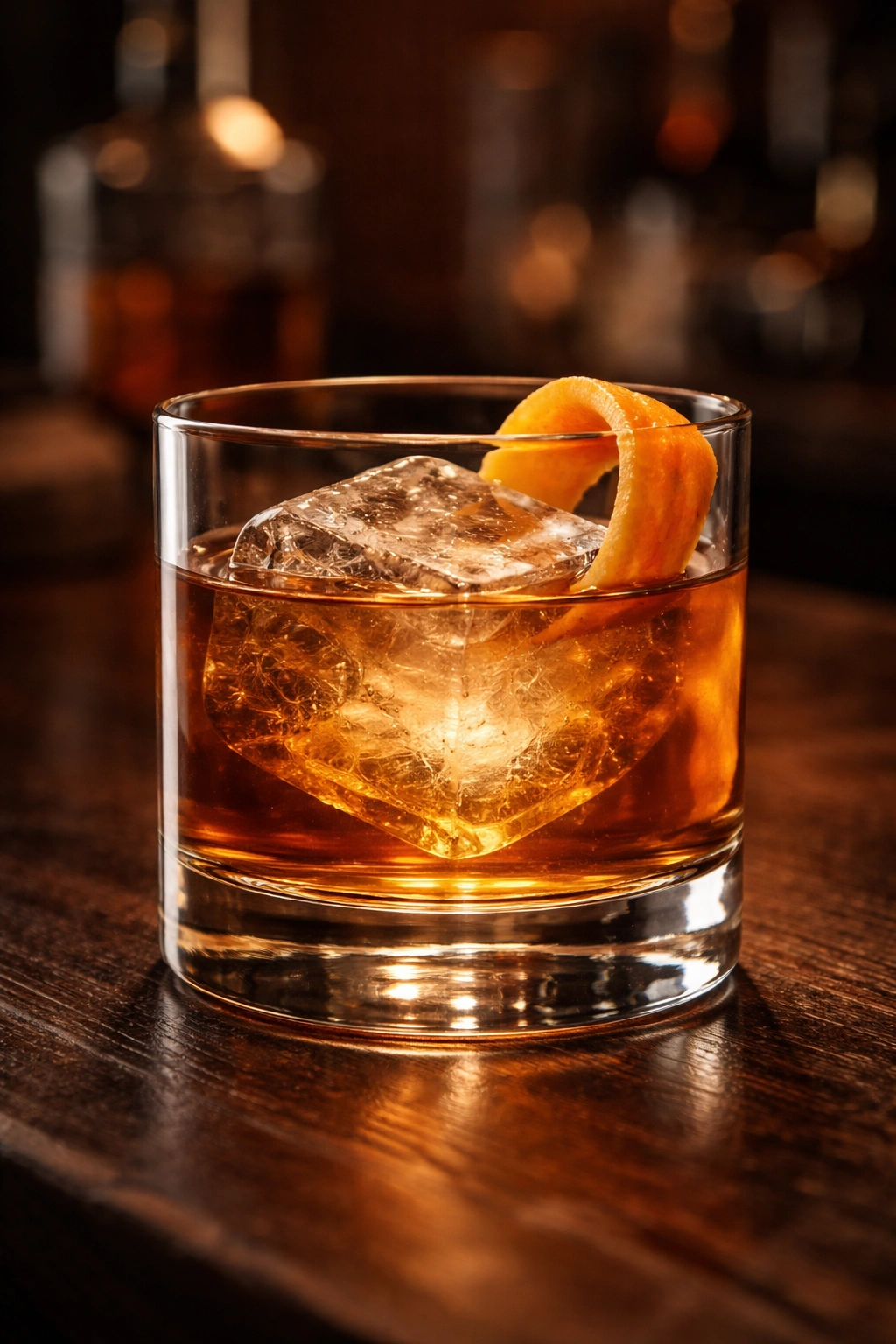
The Old Fashioned is a study in restraint and technique. This drink accomplishes something remarkable: it makes two ounces of whiskey taste like a complete, nuanced drinking experience through nothing but proper preparation and a clear understanding of how sugar, water, and spice work together. It’s the drink that separates people who appreciate cocktails from people who just like to get drunk.
What Makes This Classic Work
The Old Fashioned teaches you that less is genuinely more in cocktails. You’re using sugar, bitters, whiskey, and water—four ingredients total. There’s no hiding behind citrus, cream, or complex layered flavors. Every single element has to earn its place. This drink is often called the perfect introduction to how good whiskey actually tastes, because it coaxes out nuances you might never notice when drinking whiskey straight.
Building the Perfect Old Fashioned
- Whiskey choice matters—a mid-range bourbon or rye in the 90-100 proof range works beautifully; avoid ultra-premium bottles for mixing
- The sugar cube is actually important—dissolve one sugar cube with 2-3 dashes of Angostura bitters and a small splash of water
- Don’t rush the dissolution step—muddling the sugar with the bitters releases flavors that you lose if you try to speed it up
- Add one large ice cube if possible, or at least one big chunk rather than regular ice—larger ice melts more slowly and dilutes the drink more gently
- Pour 2 oz of your chosen whiskey and stir for about 30 seconds until perfectly chilled
- Express the oils from an orange peel over the top by twisting it, then drop it in as garnish
Insider note: Temperature is more important than you’d think—a warm glass or warm whiskey will make this drink taste rough and hot rather than smooth and contemplative.
4. Mojito
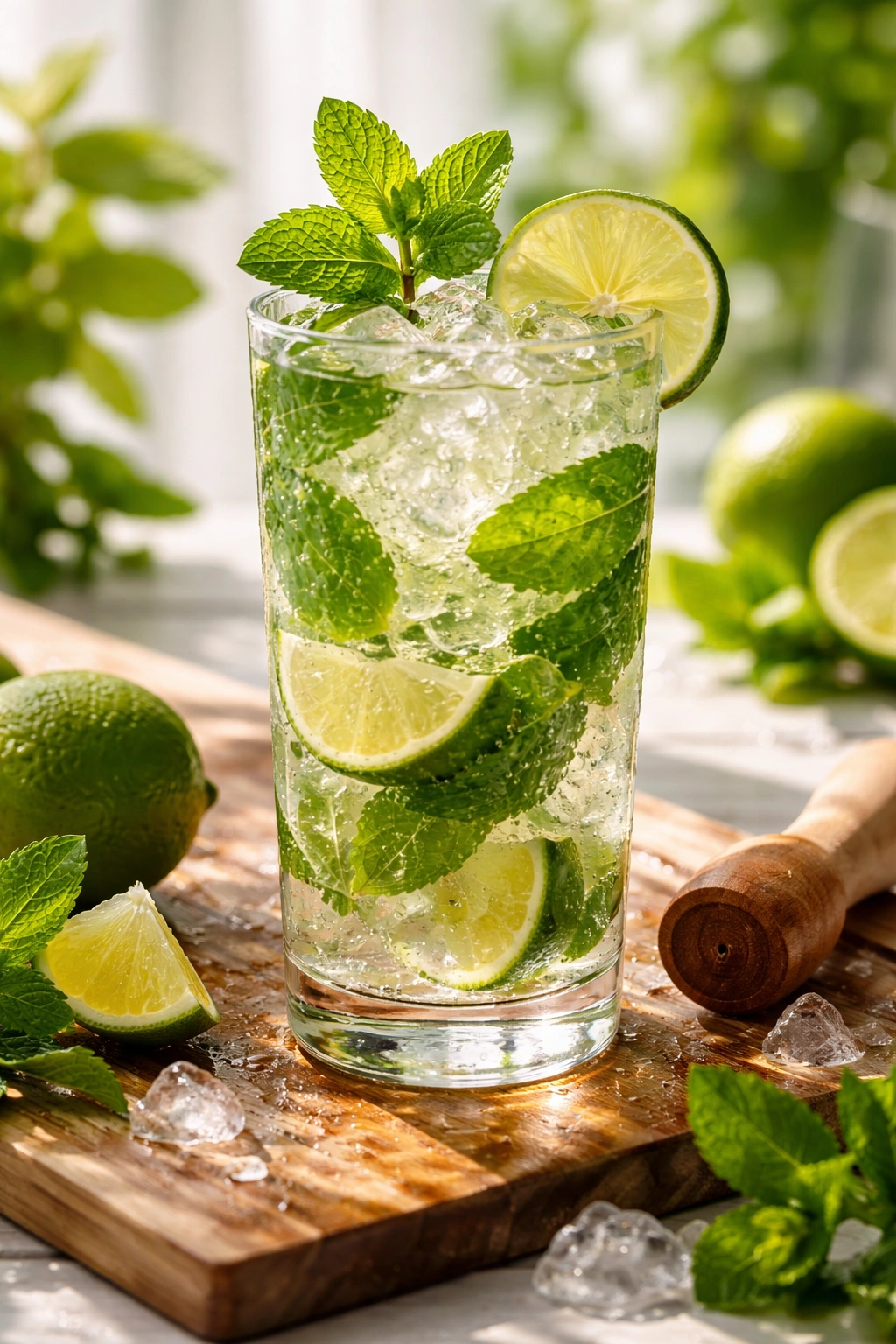
The Mojito is the drink that taught the world that fresh herbs belong in cocktails, and more than a decade later, it’s still phenomenally popular because it genuinely tastes incredible when made properly. It’s refreshing, complex, and elegant—and it teaches you that muddling (gently crushing herbs to release their oils) is a skill worth developing.
Why Fresh Mint Makes All the Difference
A well-made Mojito smells like summer even before you taste it. The mint needs to be fresh and aromatic—if your mint looks tired or smells faintly, the drink will suffer. What people often get wrong is that they either don’t muddle at all or they absolutely destroy the mint. The goal is to gently press the mint to release the oils without pulverizing the leaves, which creates a bitter, woody taste.
Building a Mojito That Actually Tastes Good
- Use white rum—something with flavor but not too heavy; the rum should complement the mint rather than overpower it
- Fresh mint is absolutely mandatory—about 8-10 leaves per drink, and they should smell fragrant and look vibrant
- Gentle muddling: press the mint against the bottom of your glass with the back of a bar spoon or muddler, rotating gently for about 10-15 seconds
- Fresh lime juice: ¾ oz minimum, squeezed right before the drink is made
- Simple syrup: ½ oz to balance the lime without making it too sweet
- Shake everything together with ice for about 10 seconds, then strain into a tall glass filled with fresh ice
- Top with club soda to give it brightness and a slight effervescence—usually about 2 oz
Pro tip: Make your ice cubes bigger by freezing water in muffin tins—these massive ice cubes melt slowly and keep your Mojito cold without over-diluting it.
5. Cosmopolitan
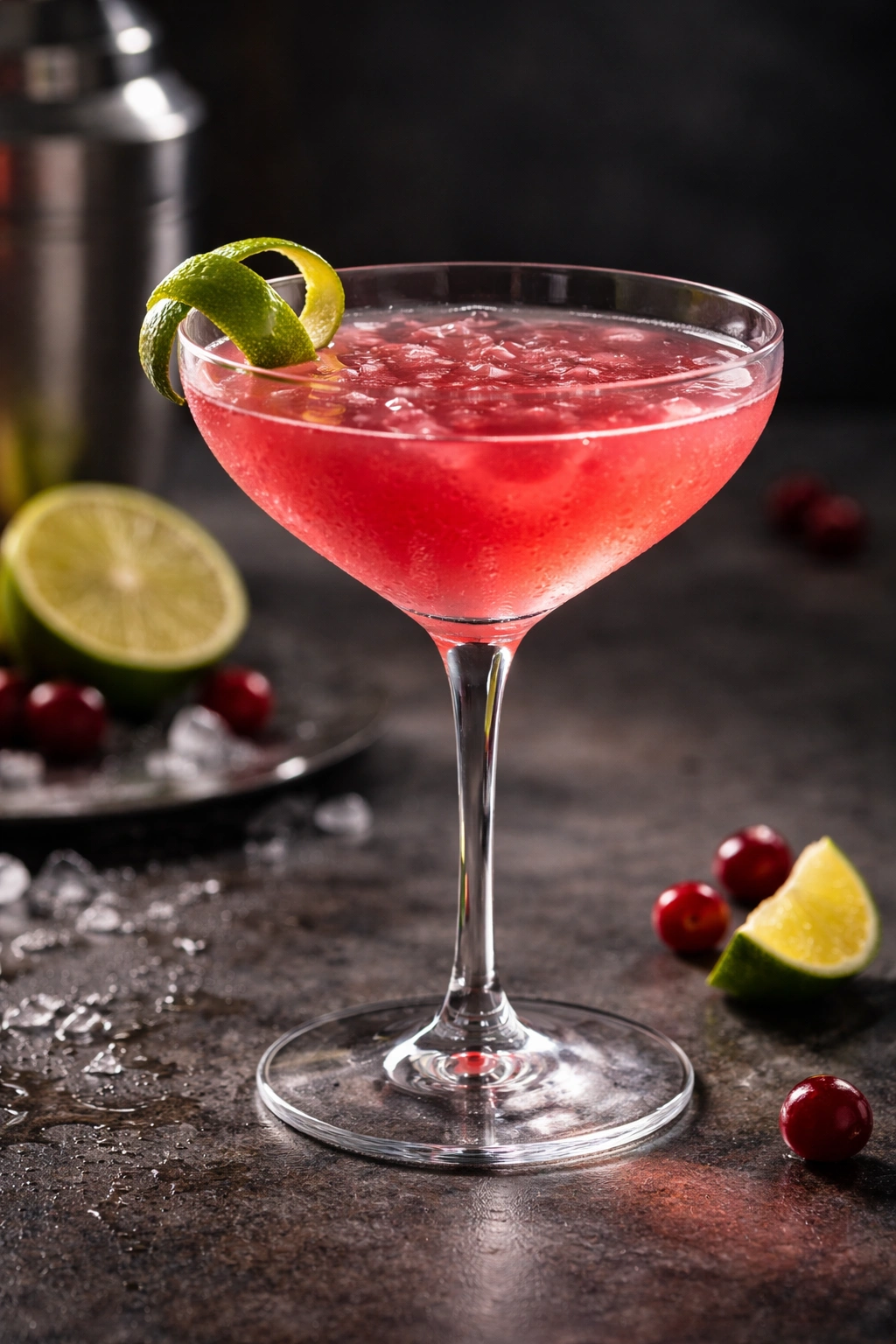
The Cosmopolitan became iconic partly because of cultural visibility, but it’s remained popular because it’s actually a well-balanced drink that delivers citrus brightness with subtle cranberry depth. It looks elegant in the right glass, tastes sophisticated without being intimidating, and comes together in about 30 seconds of shaking. It’s a perfect introduction to cocktails that use vodka.
The Balance That Makes It Work
The Cosmopolitan is a lesson in how to use cranberry juice without creating something that tastes like a candy drink. The key is using a small amount of quality cranberry juice mixed with other ingredients so that it adds color and subtle flavor without becoming the dominant taste. This drink also teaches you that presentation matters—the clarity of a well-made Cosmo in a chilled coupe glass is visually striking.
Getting the Proportions Right
- Vodka: 1.5 oz of something smooth but not necessarily ultra-premium; mid-range vodka works perfectly
- Cranberry juice: just ½ oz, and it should be actual cranberry juice, not cranberry cocktail mix
- Fresh lime juice: ½ oz squeezed right before making the drink
- Triple sec or Cointreau: ¼ oz to add orange notes and a touch of sweetness
- Shake vigorously with ice for about 10-12 seconds
- Strain into a chilled coupe glass—the shape matters for this drink
- Express an orange peel and drop it in as garnish
Worth knowing: The drink should be bright pink or light red, never dark or muddy—if yours looks too dark, you probably used too much cranberry juice.
6. Manhattan
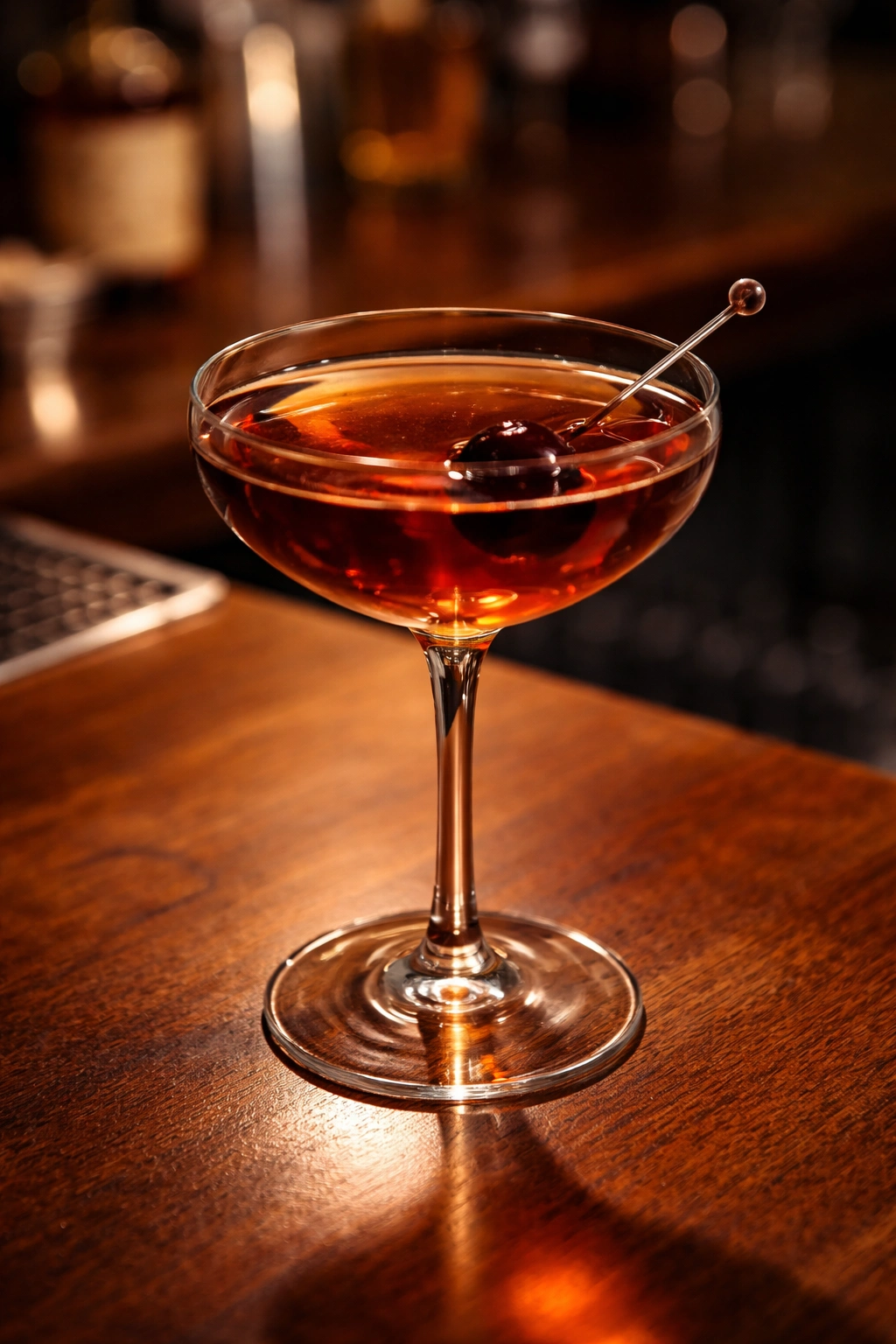
The Manhattan is bourbon’s best cocktail format. It transforms whiskey through the addition of sweet vermouth and aromatic bitters into something warm, silky, and deeply satisfying. This drink proves that cocktails don’t need to be light or refreshing to be excellent—sometimes dark, warm, and richly flavored is exactly what you want.
Why Vermouth Choice Actually Matters
Many people make poor Manhattans because they use cheap vermouth, which tastes sickly-sweet and medicinal rather than complex and balanced. Quality vermouth completely transforms this drink. When you use a good sweet vermouth, the Manhattan becomes round and elegant—the vermouth adds botanical depth rather than pure sugar. This is one drink where the second ingredient is nearly as important as the primary spirit.
The Proper Manhattan Formula
- Bourbon or rye whiskey: 2 oz, and this is a drink where mid-range whiskey shines (expensive whiskey is wasted when mixed)
- Sweet vermouth: ¾ oz of something actually good—brands like Carpano, Cocchi, or Dolin make a genuine difference
- Angostura bitters: 2-3 dashes, which add complexity and spice without overwhelming the drink
- Stir (don’t shake) for about 30 seconds in a mixing glass with ice—stirring creates a silky texture that shaking can’t achieve
- Strain into a chilled coupe or Nick and Nora glass—temperature really matters here
- Express and drop a cherry as garnish—skip the neon red maraschino cherries and find something actually tasty
Pro tip: Make this drink the night before if you’re entertaining multiple people—Manhattans actually taste better when made slightly in advance and allowed to rest in the refrigerator.
7. Paloma
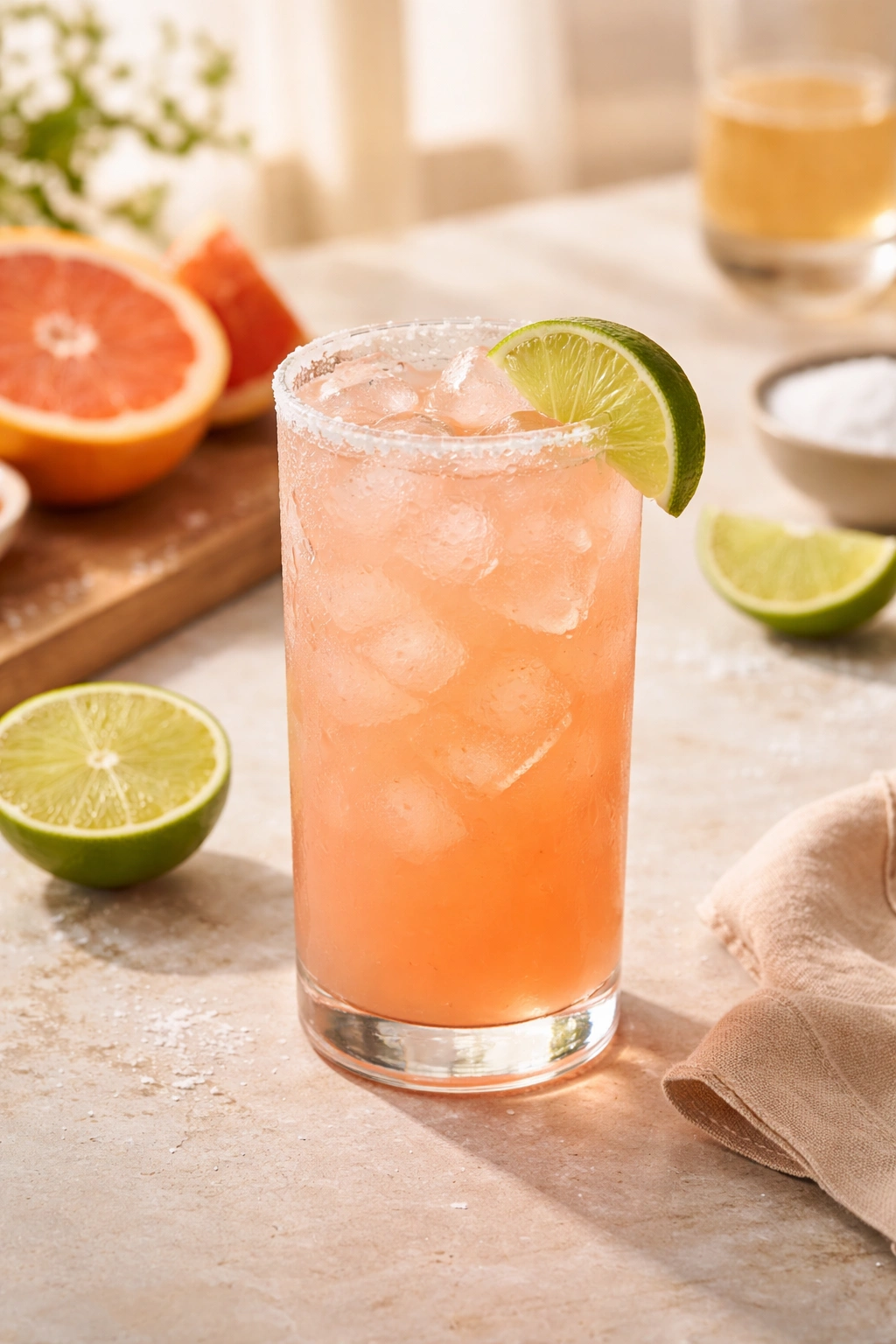
The Paloma is technically Mexico’s most popular tequila cocktail, yet it remains unknown to many people who think the Margarita is the only option. The Paloma is fresher, less sweet, and often more interesting than a standard Margarita. It introduces grapefruit into the equation, which adds a gorgeous bitter-sweet dimension that makes the drink incredibly food-friendly.
Why Grapefruit Is Such a Brilliant Choice
Grapefruit has a natural bitterness and floral character that plays beautifully with tequila’s grassy notes. Unlike Margaritas, which can sometimes feel one-dimensional if made with cheap ingredients, a Paloma’s grapefruit flavor adds complexity automatically. This drink also tends to be less sweet than Margaritas, which appeals to people who find most cocktails cloying.
Making a Paloma That Sings
- Good tequila: 2 oz of 100% agave blanco, the same quality you’d use for a Margarita
- Fresh grapefruit juice: ¾ oz, squeezed right before the drink—this matters as much as the lime juice in a Margarita
- Fresh lime juice: ½ oz to add brightness and prevent the drink from becoming too sweet
- Simple syrup: just ¼ oz, and the grapefruit’s natural sweetness means you need less than you might think
- A tiny pinch of salt, which enhances the citrus and plays off the grapefruit’s bitterness
- Shake with ice for about 10-12 seconds
- Serve in a highball glass filled with ice
- Top with a splash of club soda if you want it lighter, though this is optional
Worth knowing: Pink or red grapefruit juice creates a more beautiful drink than white grapefruit, though white grapefruit is slightly less sweet if that matters for your palate.
8. Negroni
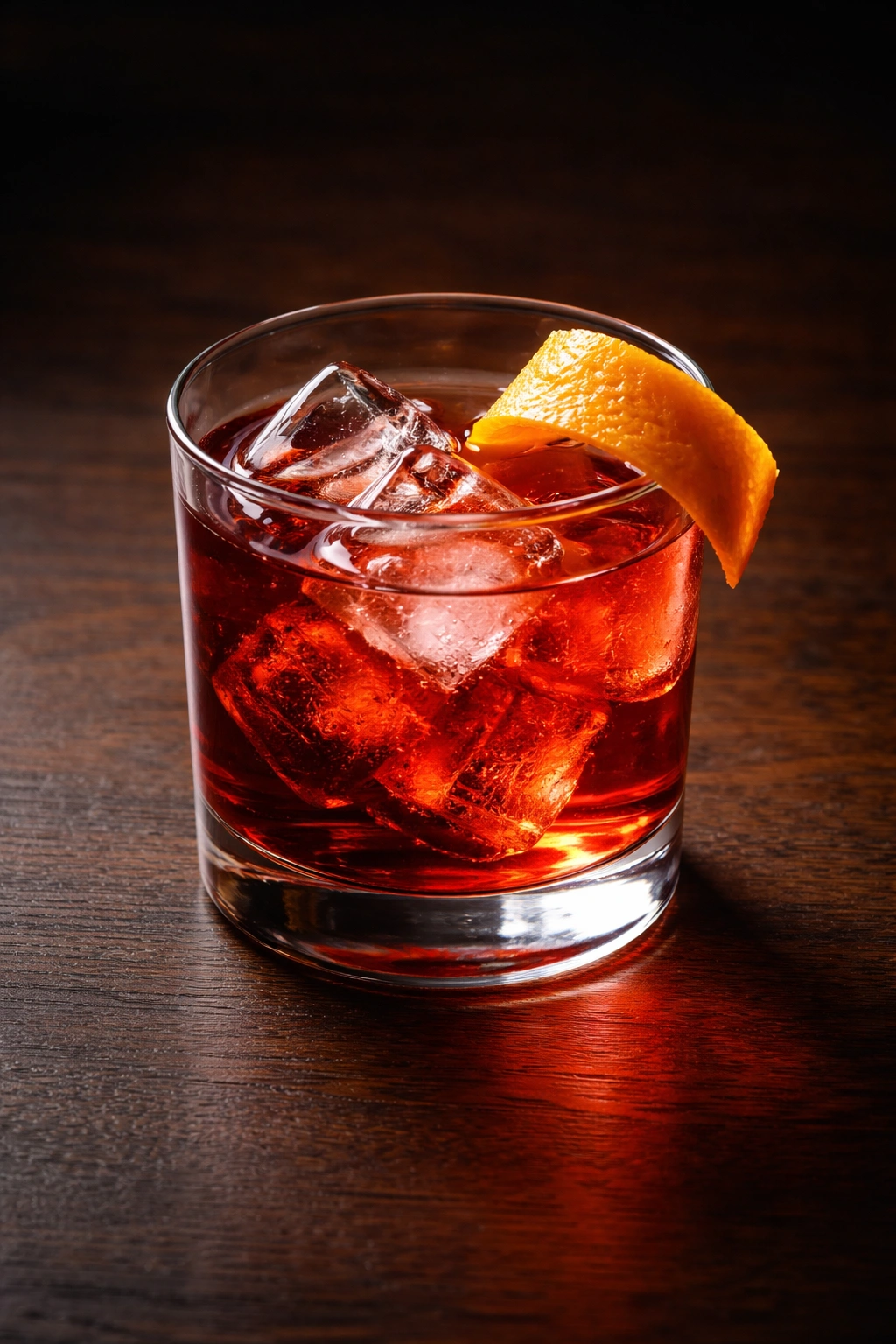
The Negroni is the drink for people who think cocktails are too sweet. It’s built on equal parts of three ingredients: gin, Campari, and sweet vermouth. Each ingredient is assertively flavored, so nothing dominates, and the result is a drink that’s bitter, herbal, and sophisticated. This is the cocktail that teaches you that bitterness is not a flaw—it’s a feature when properly balanced.
Understanding the Bitter-Herbal Balance
The Negroni doesn’t try to hide anything—every component is right there. The Campari adds a bright red color and a distinct bitter-citrus flavor. The vermouth adds sweetness and botanical depth. The gin adds juniper, botanicals, and alcohol. Together, they create something that tastes entirely different from any of the parts individually. This is a drink for contemplation rather than quenching thirst.
Building a Proper Negroni
- Gin: 1 oz of something with good botanical character—London Dry style works beautifully
- Campari: 1 oz exactly—this is one drink where the proportions are genuinely non-negotiable
- Sweet vermouth: 1 oz of quality vermouth, the same quality you’d use for a Manhattan
- Stir (never shake) for about 30 seconds with ice to chill and slightly dilute
- Strain into a rocks glass with one large ice cube
- Express and drop an orange peel as garnish—the oils from the orange interact with all three ingredients
Pro tip: The Negroni is one of the few drinks that’s actually better if you make it, let it rest for a minute or two, and then drink it—the flavors meld and round out slightly.
9. Moscow Mule
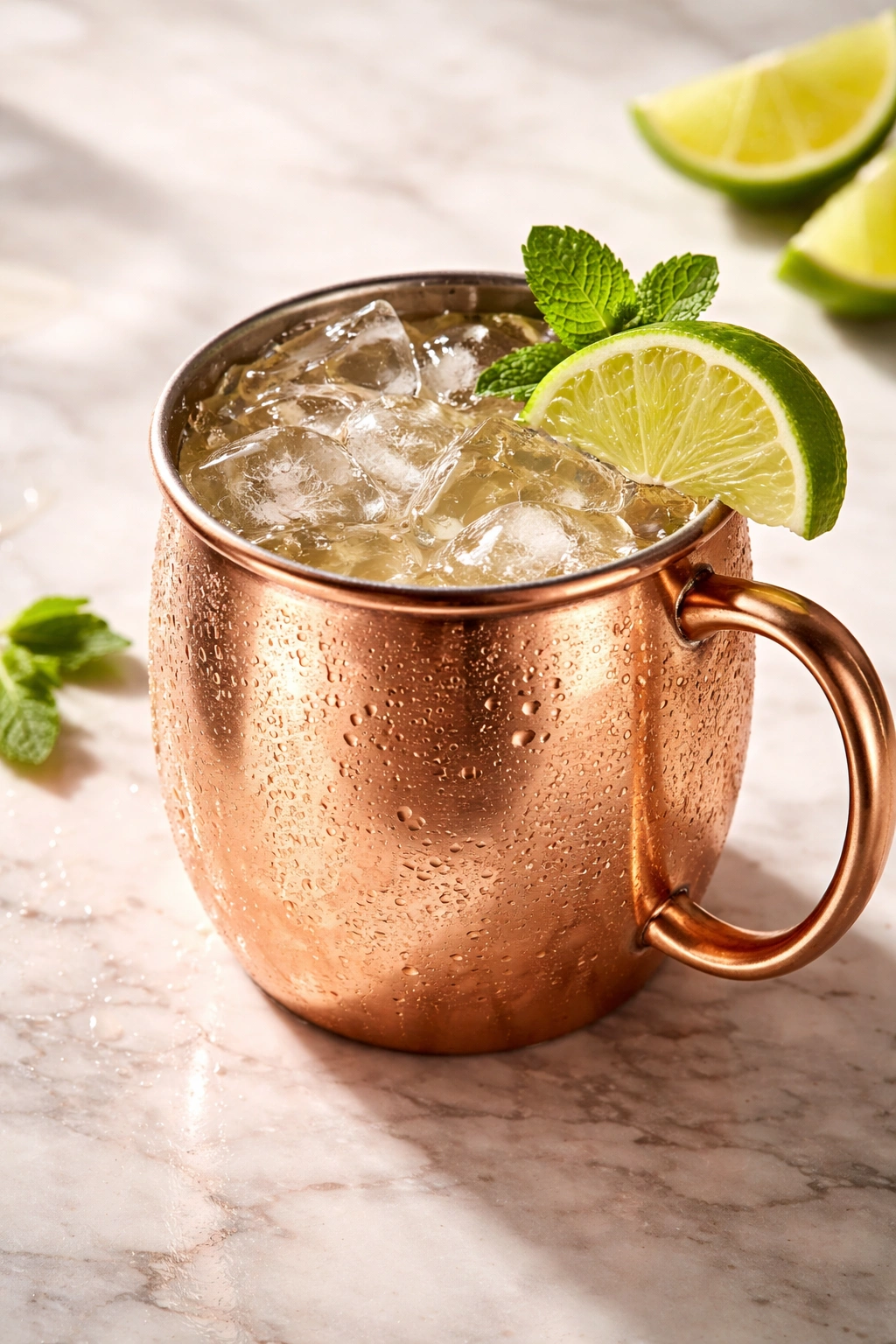
The Moscow Mule is a deceptively simple drink that demonstrates how the right glassware can actually affect flavor and experience. It’s built on vodka, ginger beer, and lime juice—three components that work together in a way that’s greater than the sum of the parts. The characteristic copper mug is actually a brilliant choice, as copper is an excellent conductor of cold.
The Importance of Quality Ginger Beer
Many people make weak Moscow Mules because they use ginger ale instead of ginger beer, or they use ginger beer that’s too sweet and syrupy. Real ginger beer is spicy, crisp, and aromatic—it should make you feel the ginger hit in your nose and throat in a pleasant way. The ginger provides the entire character of this drink, so choosing a good one is the most important decision you’ll make.
Proper Moscow Mule Construction
- Vodka: 1.5 to 2 oz of something smooth; quality doesn’t matter as much since the ginger beer dominates
- Quality ginger beer: 4-6 oz depending on how strong you want it—fill the glass nearly to the top
- Fresh lime juice: ½ oz squeezed right before the drink
- Ice: fill a copper mug (or regular glass if you don’t have one) with ice first
- Stir briefly to chill everything
- Lime wheel as garnish
- The copper mug becomes noticeably cold to hold, which is part of the drinking experience
Insider note: Some people add a small splash of simple syrup if their ginger beer is particularly spicy, but resist the urge unless you taste it first—the drink’s appeal lies in the balance between spice and citrus.
10. Sidecar
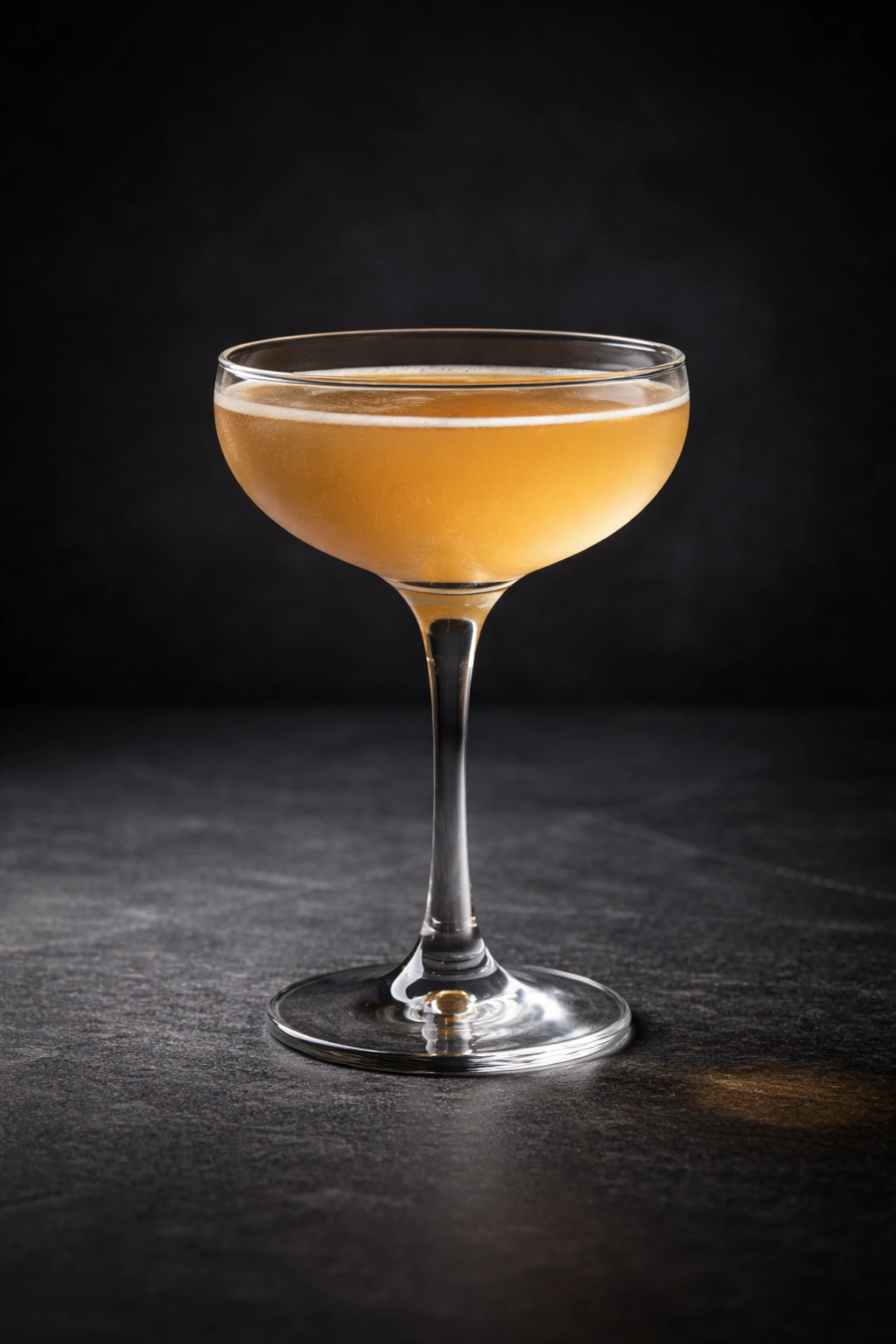
The Sidecar is a drink from the early cocktail era that holds up beautifully because it’s fundamentally well-designed. It combines cognac, triple sec, and lemon juice in proportions that create something elegant and warming. Unlike Margaritas, which are meant to refresh, a Sidecar is meant to satisfy—it’s slightly sweet, aromatic, and perfect as an after-dinner drink.
Why Cognac Creates a Different Experience
Cognac brings an entirely different character to cocktails than clear spirits. It has age, oak influence, and subtle fruit notes that create a foundation for the drink that vodka or rum simply cannot. This is a drink where the base spirit’s quality actually matters—cheap cognac will make this drink taste harsh and one-dimensional.
Crafting an Excellent Sidecar
- Cognac or brandy: 1.5 oz of something that’s at least VSOP quality; this is where the money should go in this drink
- Triple sec or Cointreau: ¾ oz, which adds orange notes and a touch of sweetness
- Fresh lemon juice: ¾ oz squeezed before making the drink
- Shake with ice for about 10-12 seconds
- Strain into a chilled coupe glass—the shape is important for letting the aromas develop
- No garnish needed, though some bars add a lemon peel
- The drink should be balanced between sweet and tart, leaning slightly toward the lemon
Worth knowing: This drink can be made with variations like adding a touch of simple syrup if your lemon juice is particularly acidic, but many bartenders skip the sweetener entirely.
11. Pisco Sour
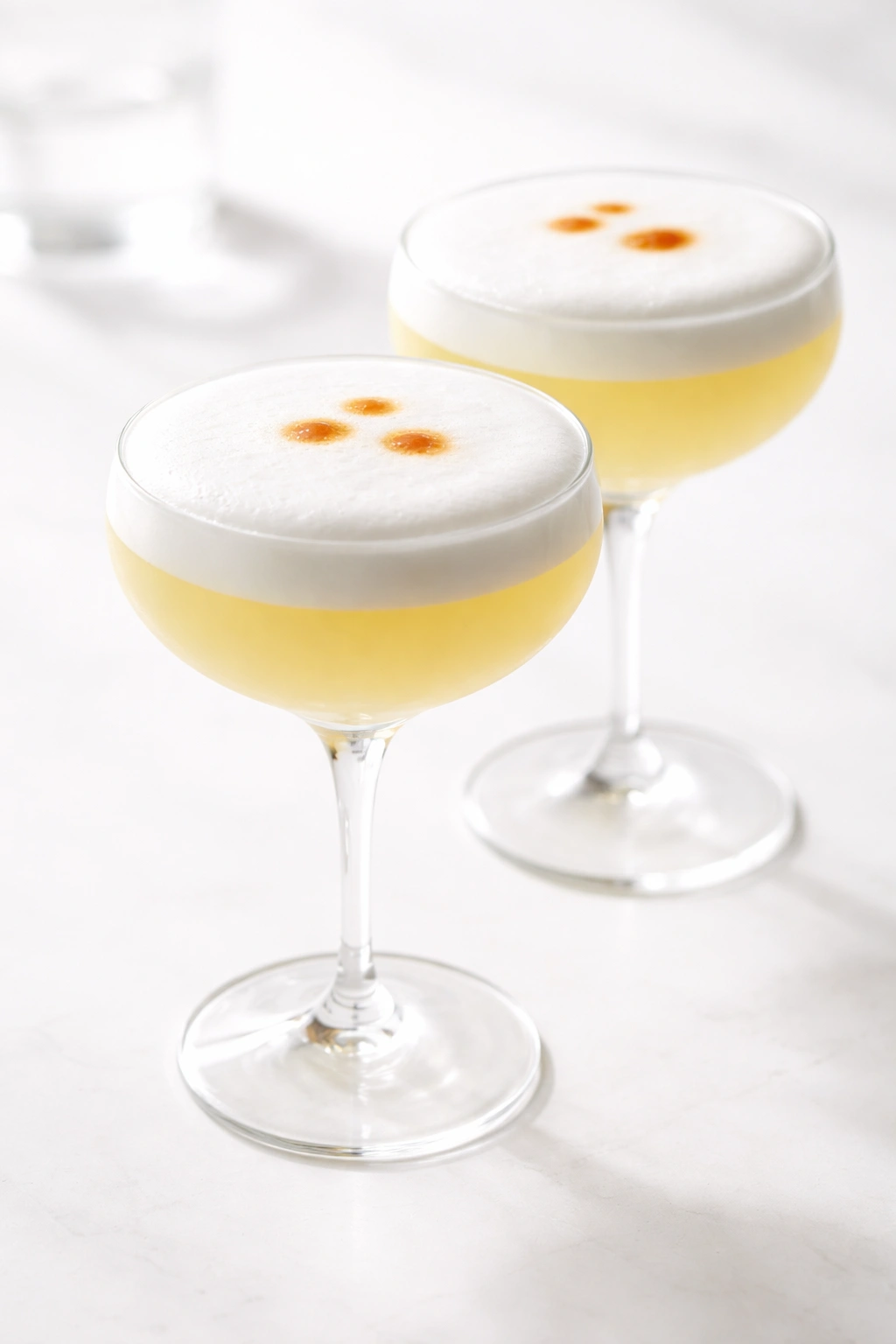
The Pisco Sour is Peru’s national cocktail, and it’s one of the few cocktails in the world that uses egg white as an ingredient. This might sound unusual, but egg white creates a silky texture and a beautiful foam top that transforms the drinking experience. The drink is tart, aromatic, and slightly creamy without being heavy.
Understanding Pisco and Why It Matters
Pisco is a brandy from South America that has its own distinct character—it’s usually unaged or very lightly aged, which means it has fruit-forward, floral notes. It’s not as heavy as cognac and not as neutral as vodka. Finding quality pisco opens up an entire world of cocktails, and the Pisco Sour is the best introduction.
Building a Proper Pisco Sour
- Quality pisco: 2 oz, and this is worth seeking out from a specialty liquor store
- Fresh lime juice: ¾ oz, freshly squeezed
- Simple syrup: ½ oz, sometimes called gum syrup in traditional recipes
- Egg white: 1 whole egg white (use pasteurized eggs if you’re concerned about food safety, or buy pasteurized egg white in a carton)
- Dash of Angostura bitters as garnish (optional, but traditional)
- Shake without ice first (called dry shaking) for about 10-15 seconds to incorporate the egg white and create foam
- Add ice and shake again vigorously for another 15-20 seconds
- Strain into a coupe glass and watch the foam settle on top
- The foam should be thick and hold for several minutes
Pro tip: Invest in a small carton of liquid egg white if you want to make this regularly—it eliminates any food safety concerns and is convenient.
12. Aperol Spritz
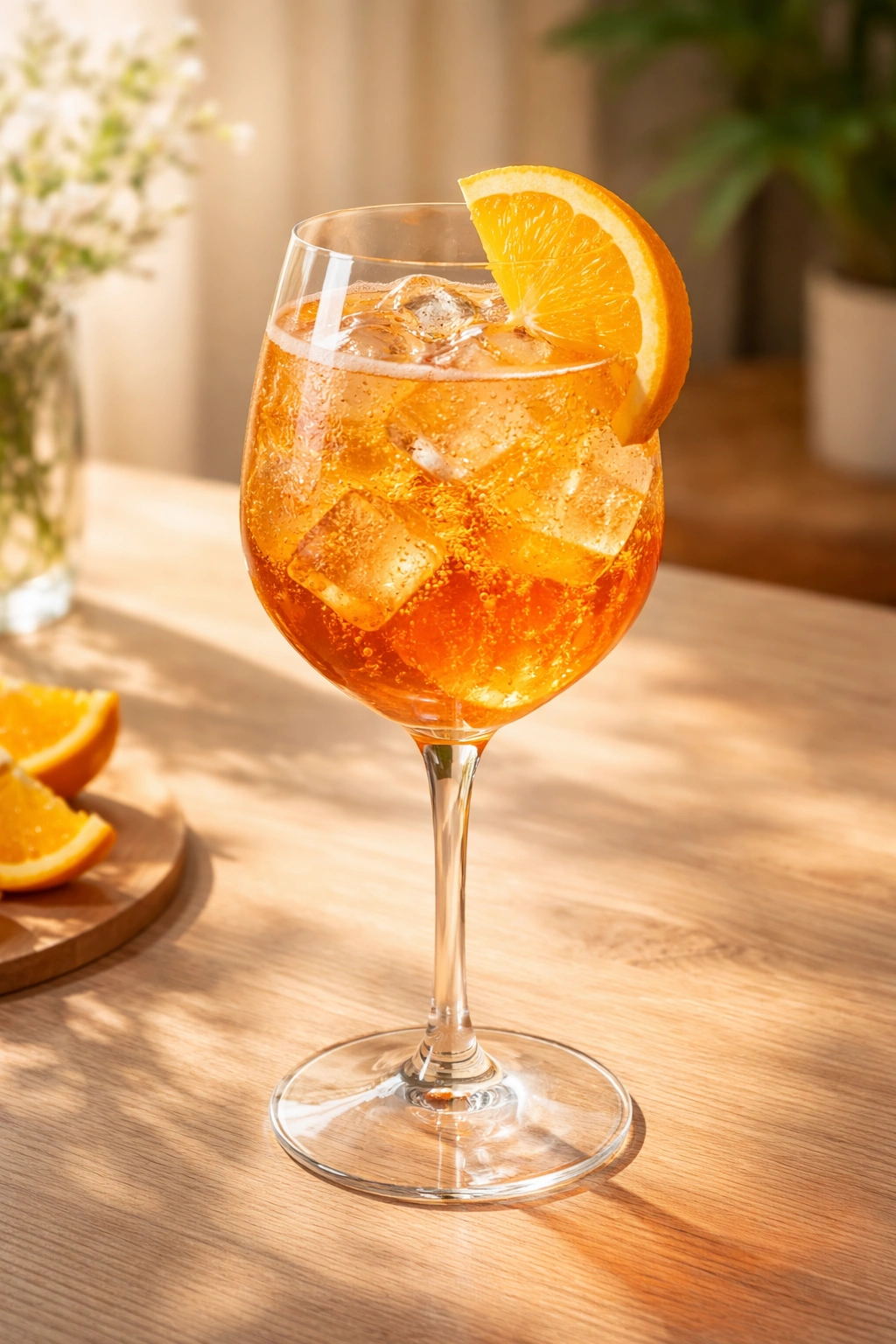
The Aperol Spritz is the drink that proves cocktails don’t need to be strong or complex to be genuinely excellent. It’s light, refreshing, beautifully colored, and designed to be sipped slowly while socializing. This is the drink you make when you want alcohol but want your evening to remain calm and pleasant rather than buzzed.
Why This Drink Works When Others Don’t
The Aperol Spritz succeeds because it understands its purpose—it’s meant to be an aperitif, something that awakens the appetite without overwhelming it. Aperol is a lightly bitter, herbal liqueur that’s lower in alcohol than most spirits, which means you can build a big, refreshing drink without making it dangerously strong. The prosecco adds sparkle and sophistication.
Creating the Perfect Spritz
- Aperol: 3 oz, which is the larger portion of this drink
- Prosecco: 4 oz, adding sparkle and slight sweetness
- Club soda: 1 oz, to add lightness and dilution
- Ice: fill a large wine glass with ice first
- Build directly in the glass rather than shaking—pour in the order listed above
- Stir briefly to combine
- Orange slice as garnish—the orange is not just decoration; it adds subtle flavor notes
- The drink should be pale orange and slightly translucent
Worth knowing: This drink is best served immediately in the glass you’re going to drink from—the bubbles from the prosecco fade if you let it sit, so there’s no point making it and putting it down.
Final Thoughts
Learning to make these twelve drinks is actually learning the entire foundation of cocktail mixing. Each one teaches you something different about technique, proportion, ingredient quality, or how flavors interact. Once you understand why a Daiquiri needs perfect balance, or why a Negroni embraces bitterness, or how temperature affects an Old Fashioned, you’ll find yourself capable of making almost any drink you encounter.
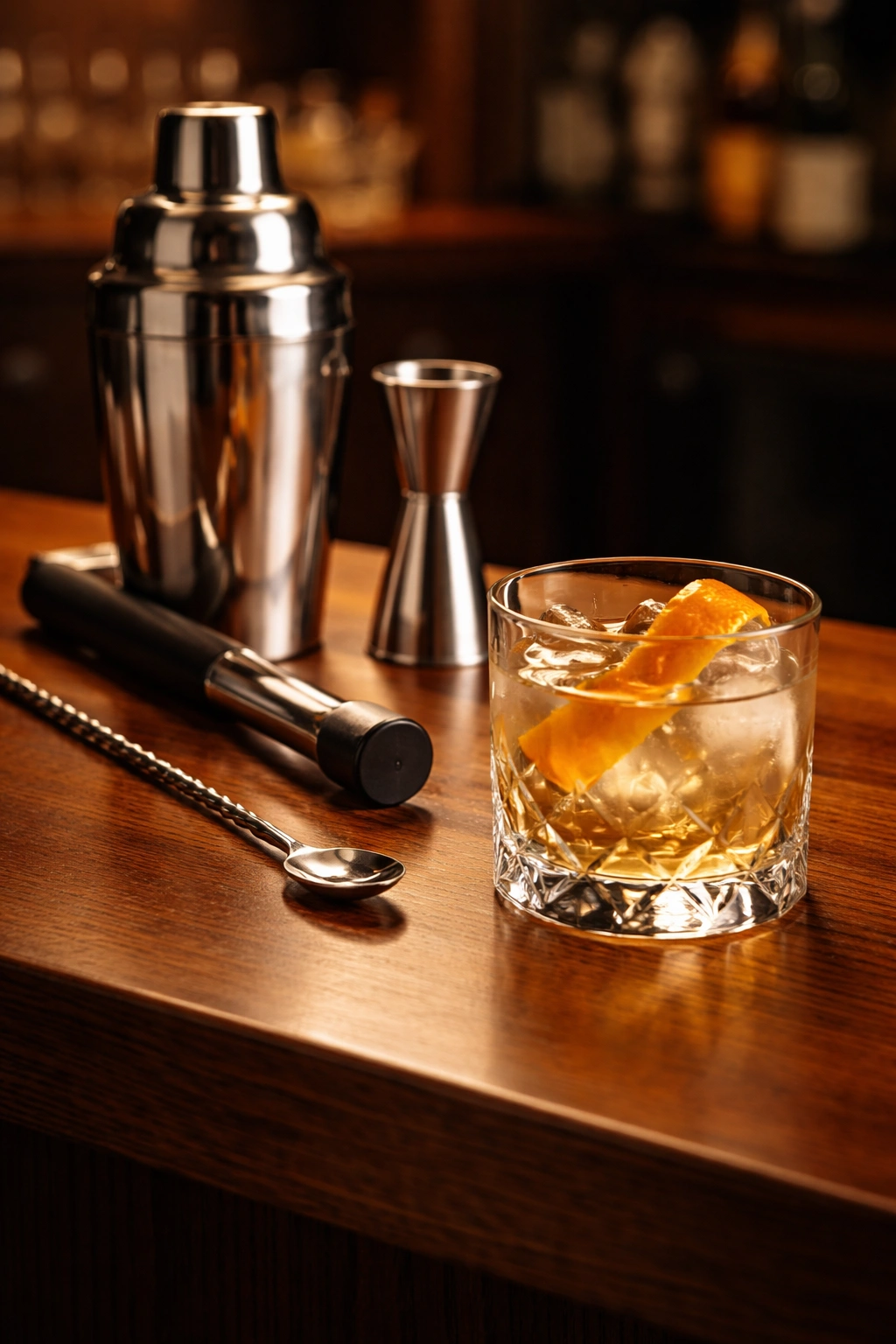
The investment required is genuinely minimal. You need a shaker, a bar spoon, a jigger, a muddler, some ice, and a handful of spirits—gin, vodka, tequila, rum, whiskey, and brandy cover almost everything on this list. Add a few liqueurs like triple sec and sweet vermouth, and you’re fully equipped. Fresh citrus and quality simple syrup matter far more than expensive bottles.
What makes these drinks worth your time is that they’ve survived years of refinement and remain popular because they actually taste exceptional. Start with the two or three that appeal to you most, practice making them until your hands know the motions without thinking, and then expand from there. The pleasure of making something well is genuinely satisfying, and the pleasure of serving something delicious to people you care about is even better.
