



There’s something uniquely satisfying about making a beautiful cocktail at home—that moment when you pour the first sip and realize you’ve nailed the balance of flavors. A girls’ night in is the perfect excuse to level up from basic mixed drinks to something more sophisticated, and vodka martinis offer that ideal combination of elegance, flexibility, and genuine deliciousness. The beauty of martinis isn’t that they’re difficult; it’s that they’re endlessly customizable while maintaining that iconic shimmer and clink of ice in a chilled glass. Whether you’re hosting a low-key gathering of friends or treating yourself to an evening of elevated sipping, these eight vodka martini variations deliver personality, flavor, and enough variety that everyone at the table will find something they adore. From the timeless classic to unexpected flavor combinations like lavender and espresso, each of these drinks brings its own energy to the evening. The best part? You’ll impress your friends without spending hours in the kitchen or running through complicated techniques. These are cocktails that look and taste like they came from a professional bar—because they did, in a way. We’ve gathered the most elegant, most crave-worthy vodka martini recipes that work beautifully at home, complete with the exact techniques and ingredient notes that make the difference between a good martini and one that makes people ask for the recipe.
1. Classic Vodka Martini
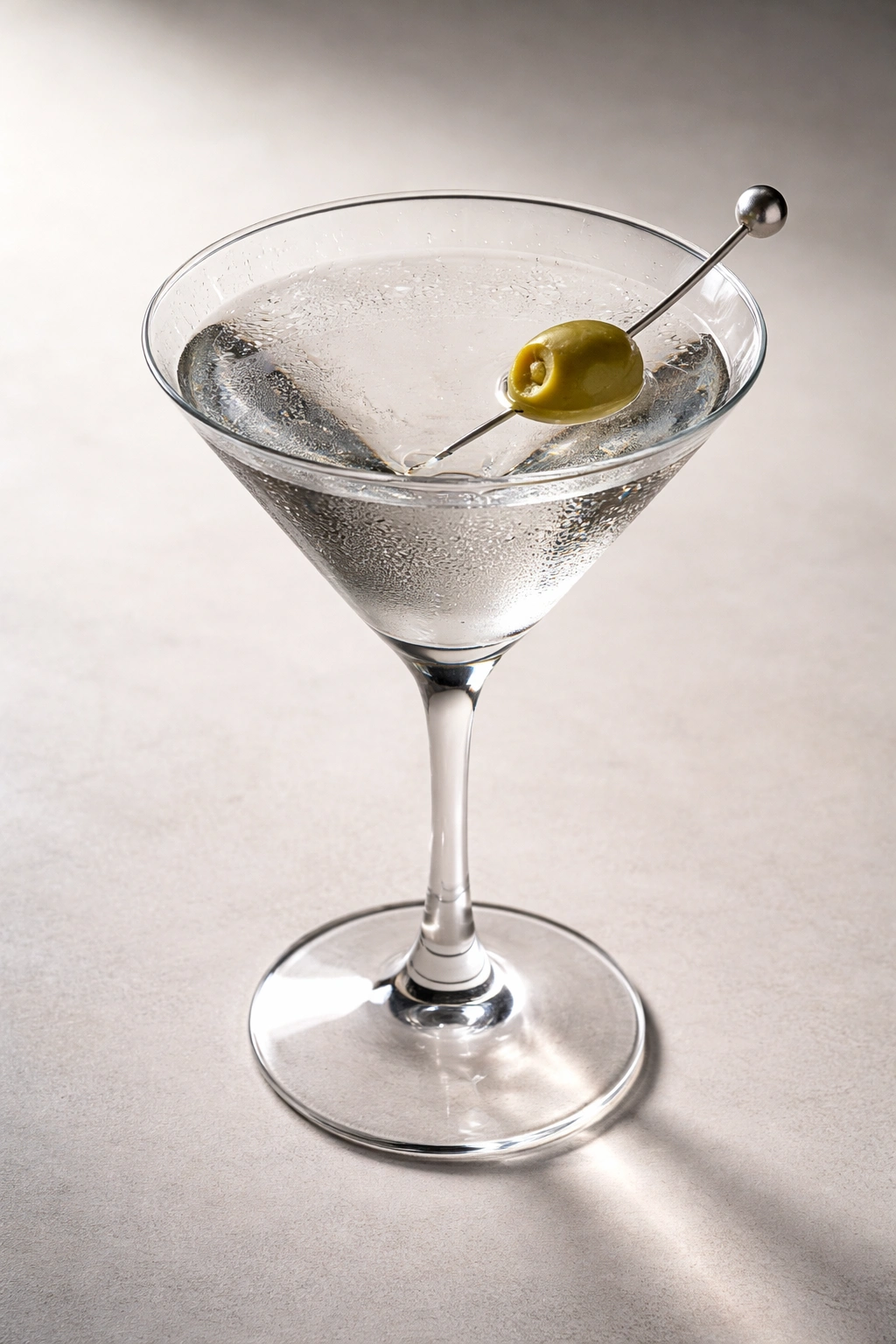
The original martini is called a martini because of the Martini & Rossi vermouth brand, and respecting this drink means honoring its stark simplicity. A proper classic vodka martini contains exactly three components: vodka, dry vermouth, and ice. That’s it. The magic lives in the proportions, the temperature, and the technique—not in additives or garnishes trying to hide a mediocre base spirit. This is the drink that introduced millions of people to martinis in the first place, and it remains the gold standard against which all others are measured. If you’re serving martinis to friends, starting with a beautifully executed classic teaches everyone what they’re tasting and why martinis matter.
Yield: Makes 1 drink | Prep Time: 5 minutes | Difficulty: Beginner—the only challenge is using proper technique to keep the drink ice-cold, which becomes automatic with practice.
Ingredients:
- 2 ounces premium vodka (vodka quality matters here since there’s nowhere to hide)
- ½ ounce dry vermouth (use a good-quality vermouth, not the cheapest bottle)
- Ice for shaking or stirring
- 1 large or 2 small green olives on a cocktail pick, or a lemon twist for garnish
Instructions:
-
Fill a cocktail shaker or mixing glass with ice—this is your first critical step. The more ice you use, the colder your drink will be, and temperature is essential to a proper martini. Chill your martini glass by filling it with ice while you prepare the drink.
-
Add the vodka and dry vermouth to the shaker (or mixing glass if you prefer to stir, which is the traditional method for martinis). Stir gently for about 10-15 seconds if using a mixing glass, or shake for 5-8 seconds if using a shaker. The goal is maximum chill with minimal dilution—you’re adding just enough water from the melting ice to open up the flavors, not turning it into a water-forward drink.
-
Empty the ice from your martini glass and strain the drink into the chilled glass in one smooth pour. It should be almost painfully cold.
-
Garnish with olives on a pick, or express the oils from a lemon peel over the surface and drop it in. Serve immediately and drink while it’s at peak temperature.
Why This Works
The 4-to-1 ratio of vodka to vermouth is the standard because it delivers smoothness from the vodka while the vermouth adds subtle herbal complexity and a dry finish. Vermouth isn’t optional—it’s what makes this a martini rather than just chilled vodka. The dry vermouth specifically provides botanical notes (anise, herbs, spices from the infusion) that complement rather than compete with quality vodka.
Pro Tips for Perfect Results
- Chill everything ruthlessly. A warm martini is worse than no martini at all. Pre-chill your glass in the freezer for at least 10 minutes before making the drink, or fill it with ice while you’re preparing the cocktail.
- Stir, don’t shake is the traditional approach—it keeps the drink silky rather than aerated. Shaking is absolutely fine though; it just changes the mouthfeel slightly by incorporating tiny air bubbles.
- Taste your vermouth before using it. If it’s been open for more than a month or two, it may have oxidized and turned bitter. Fresh, quality vermouth makes an enormous difference.
- Use the best vodka you’re willing to buy. In a martini, the vodka is the star. The smoothness and subtle flavor notes matter here in a way they don’t when vodka is mixed with juices or sodas.
2. Dirty Martini
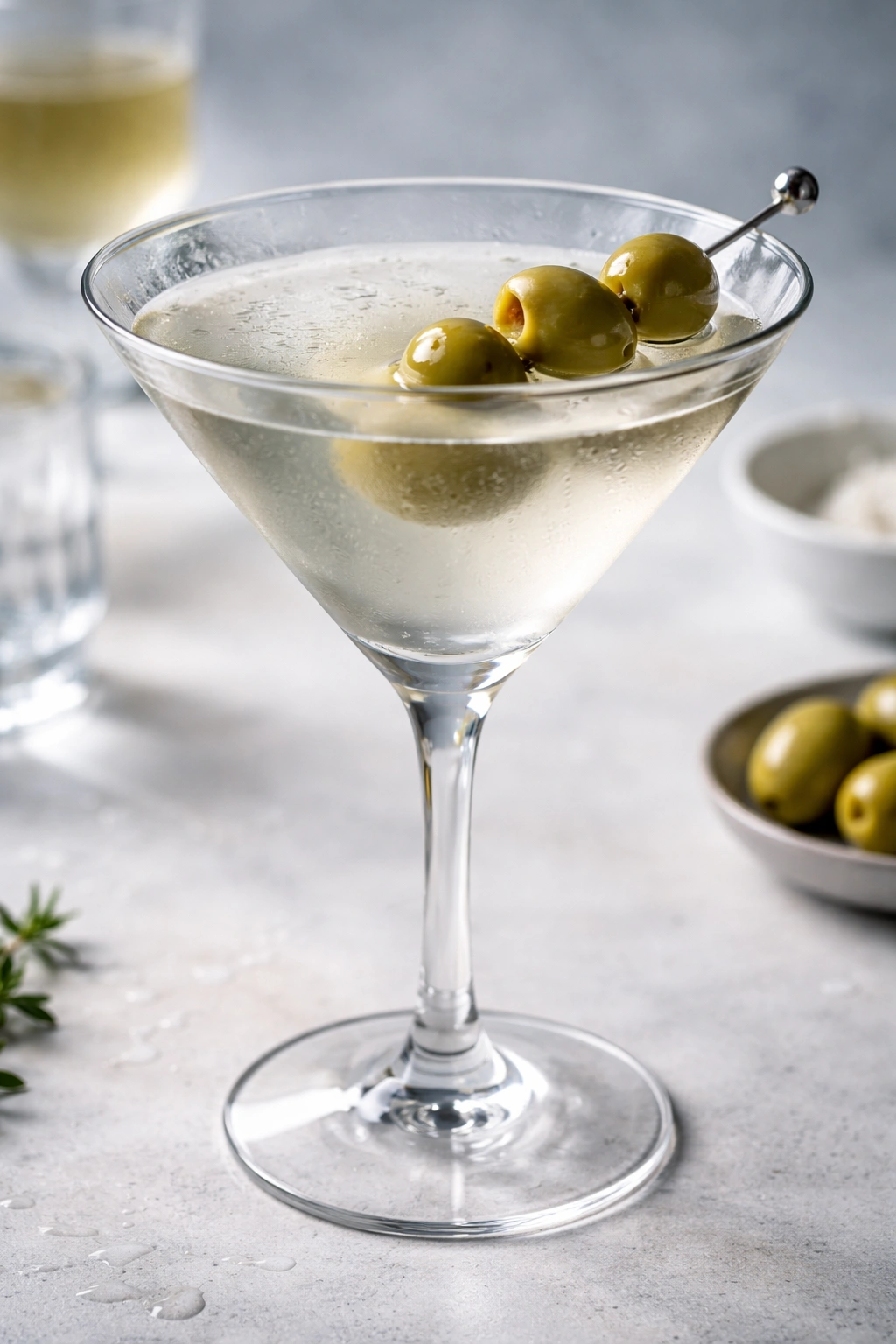
A dirty martini introduces one of the easiest flavor elevations in cocktail history: olive brine. That salty, briny hit transforms the martini from stark and herbal to savory and almost umami-forward. The “dirt” refers to the olive juice that clouds the drink slightly and adds those salty minerals that pair beautifully with olives and vodka. This is the martini for people who find the classic too austere, and for anyone who loves salty flavors in their aperitifs. The dirty martini is also infinitely more forgiving than the classic—the olive brine adds flavor complexity that masks any slight imperfections in technique or ingredient quality.
Yield: Makes 1 drink | Prep Time: 5 minutes | Difficulty: Beginner—no new techniques required, just one additional ingredient.
Ingredients:
- 2 ounces premium vodka
- ½ ounce dry vermouth
- ½ ounce olive brine (the juice from your jar of cocktail olives)
- Ice for shaking or stirring
- 2-3 large green olives on a cocktail pick for garnish
Instructions:
-
Fill a cocktail shaker or mixing glass generously with fresh ice. The olive brine will add a small amount of liquid, so you want extra ice to account for that and keep everything properly chilled.
-
Add the vodka, dry vermouth, and olive brine to the shaker. Stir for 12-15 seconds if using a mixing glass, or shake for 6-8 seconds if using a shaker. You’ll notice the drink becomes slightly cloudy and opaque—that’s the olive brine doing exactly what you want.
-
Empty the ice from your martini glass and strain the drink into it in one continuous pour. You want the drink to be as cold as possible.
-
Thread 2-3 of your best olives onto a cocktail pick and lay it across the rim of the glass so the olives are partially submerged. The olives are part of the drink, not just garnish—they’re meant to be eaten between sips.
-
Serve immediately. The drink will maintain its temperature for several minutes, but sip relatively quickly to catch it at its peak.
What Makes Dirty Better Than You’d Think
The olive brine isn’t just saltiness for saltiness’ sake. It contains minerals and compounds that actually complement the botanical profile of dry vermouth and the smoothness of vodka. The salt also enhances your palate’s ability to taste subtle flavors in the vermouth and spirit, similar to how salt on food enhances overall flavor perception. This is why dirty martinis are often considered easier to enjoy than classics—the flavors are more approachable.
Shopping and Preparation Notes
- Choose good quality olives if you can—they should taste fresh and briny, not metallic or over-aged. Castelvetrano olives are mild and buttery; Manzanilla olives are more traditional and slightly earthier.
- Save your olive brine even if you finish the olives. A good-quality jar of olives will yield brine worth using in cocktails.
- If your brine tastes off, don’t use it. Oxidized brine (often from a jar that’s been open too long) will ruin a drink. This is one case where freshness truly matters.
- The brine amount is flexible—start with ½ ounce and adjust up or down based on how savory you like it. Some people prefer ¾ ounce for extra dirtiness.
3. Espresso Martini
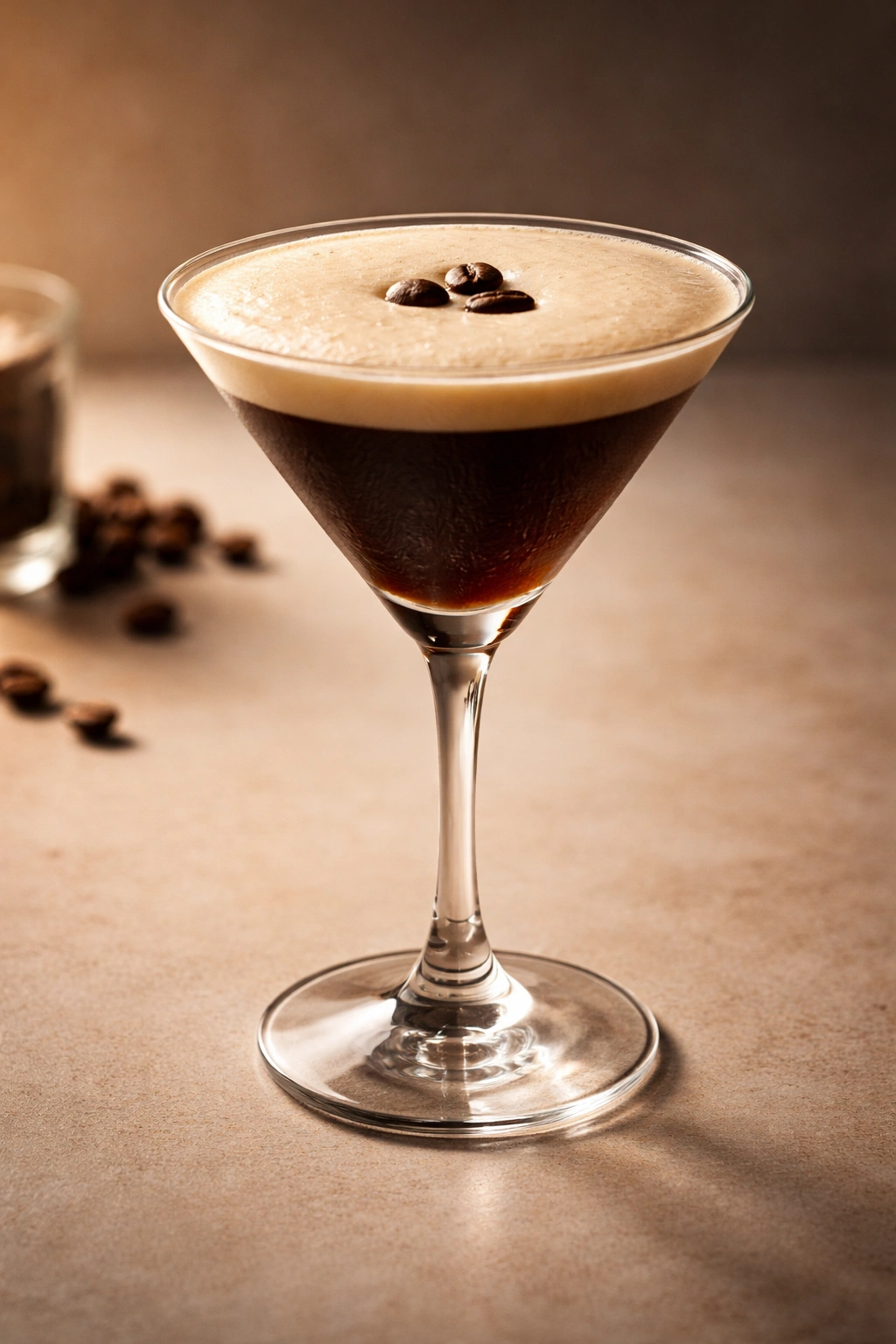
The espresso martini is the sophisticated answer to wanting a dessert and a cocktail at the same time. Strong, cold espresso combines with vodka and coffee liqueur to create something that tastes like a boozy coffee drink but hits you with the refined elegance of a proper martini. The key to a great espresso martini is using genuinely good espresso—not instant coffee, not weak brewed coffee, but real espresso that’s been pulled fresh and cooled slightly. The drink sits at that beautiful intersection of dessert and aperitif, making it perfect for wrapping up dinner or starting a night out. This is also the martini that benefits most from shaking, because the espresso needs to be fully incorporated and slightly aerated for the best texture.
Yield: Makes 1 drink | Prep Time: 8 minutes (includes espresso brewing time) | Difficulty: Beginner—you just need access to espresso, which most people can make with a standard machine or even a Moka pot.
Ingredients:
- 1½ ounces premium vodka
- ½ ounce coffee liqueur (Kahlúa is the standard choice, though Tia Maria or similar liqueurs work beautifully)
- 1 ounce freshly brewed espresso, cooled to room temperature (about 2 shots)
- ½ ounce simple syrup or light agave nectar (optional, depending on the sweetness of your preferred liqueur)
- Ice for shaking
- 3 coffee beans for garnish (traditional and ornamental)
Instructions:
-
Brew your espresso fresh and let it cool for 2-3 minutes. You don’t want it piping hot when it goes into the drink because that will melt the ice too rapidly and dilute everything. Room temperature to slightly warm is perfect.
-
Fill a cocktail shaker with ice—you want plenty of ice here to keep the drink properly cold despite the espresso liquid volume.
-
Add the vodka, coffee liqueur, and cooled espresso to the shaker. If your coffee liqueur tastes very sweet, skip the simple syrup. If it’s less sweet or you prefer a less dessert-like finish, add the ½ ounce of simple syrup. Shake vigorously for 8-10 seconds. You should see a layer of foam forming on top—that’s the air incorporation that creates the signature creamy mouthfeel of a proper espresso martini.
-
Strain into a chilled martini glass, pouring carefully so that the foam tops the drink evenly. A small amount of ice will likely fall into the glass, which is fine—it adds visual appeal and keeps the drink cold longer.
-
Garnish with three coffee beans arranged on top of the foam. They’re purely decorative, but they’re iconic and they add a moment of tradition to the drink.
-
Serve immediately and enjoy while the foam is still present. The drink stays delicious for several minutes, but that foam layer dissipates over time.
Advertisements
Why Espresso Works in a Martini
Espresso contains natural bitterness and complex flavor compounds that pair beautifully with the botanical notes in vodka (especially if you’re using vodka infused with herbs or citrus). Coffee liqueur adds vanilla notes and sweetness that balance the bitterness. The combination mimics an elevated coffee drink while maintaining the elegance and sophistication of a proper martini structure. It’s one of the few cocktails that legitimately works as either a pre-dinner drink or a post-dinner dessert drink.
Technique Notes and Customizations
- Fresh espresso is non-negotiable. If you don’t have access to an espresso machine, a Moka pot (stovetop espresso maker) produces excellent results and costs under $20. Instant espresso or cold brew won’t deliver the right texture or flavor.
- Chill your martini glass in the freezer while you brew the espresso. The drink has more liquid volume than a standard martini (3+ ounces total), so a properly chilled glass is especially important.
- For an Irish coffee vibe, top the drink with a small dollop of lightly whipped heavy cream instead of coffee beans. It adds richness and creates a silky mouthfeel.
- Make it less sweet by reducing the coffee liqueur to ⅜ ounce and increasing the vodka to 1¾ ounces. This creates a more balanced, less dessert-forward version.
4. Cucumber & Mint Martini
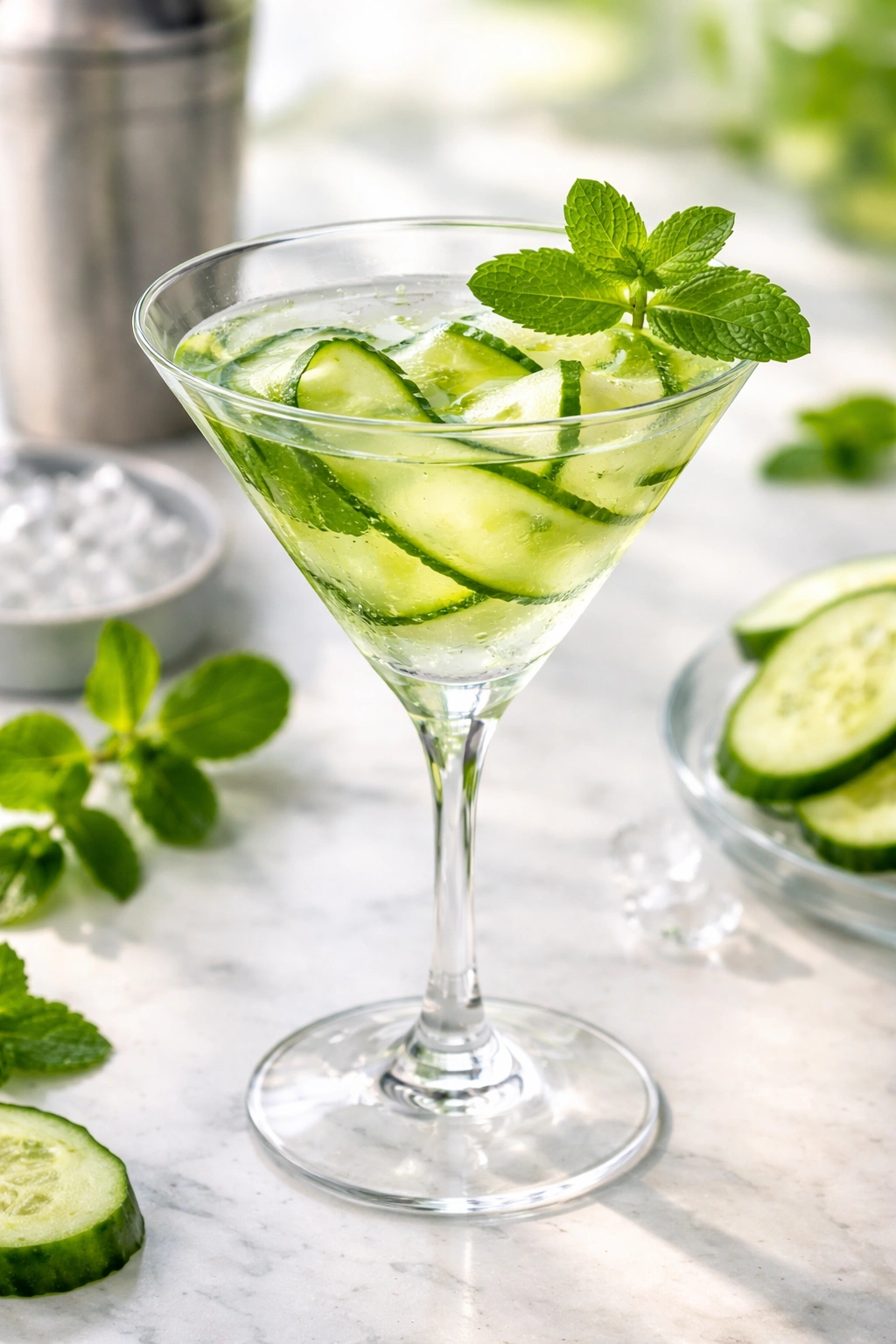
This is the martini for warm weather, garden parties, and anyone who leans toward fresh, herbal flavors over rich ones. Fresh cucumber provides a clean, crisp vegetable character, while mint adds brightness and a cooling sensation that makes the drink feel refreshing despite the vodka base. The key to this martini is using truly fresh mint—the aroma matters almost as much as the taste. This drink works beautifully as a palate cleanser before or between courses, and it’s visually stunning with the green garnish and crystal-clear liquid.
Yield: Makes 1 drink | Prep Time: 7 minutes | Difficulty: Intermediate—because muddling requires a gentle touch to avoid bruising the mint.
Ingredients:
- 2 ounces premium vodka
- ½ ounce dry vermouth
- 4-5 fresh mint leaves (choose young, tender leaves, not large tough ones)
- 3-4 slices of fresh cucumber (about ⅛ inch thick, no need to peel if the cucumber is fresh)
- ½ ounce fresh lemon juice
- ½ ounce simple syrup
- Ice for shaking
- 1 long cucumber ribbon and 1 sprig of fresh mint for garnish
Instructions:
-
Place the mint leaves and cucumber slices in a cocktail shaker. Using a muddler or the back of a wooden spoon, gently press the mint and cucumber together for about 8-10 gentle presses. Do not over-muddle—you’re trying to release the flavors and oils, not shred the mint into tiny pieces or pulverize the cucumber. Gentle pressure is key.
-
Add the vodka, dry vermouth, lemon juice, and simple syrup to the shaker. Fill the shaker with ice—plenty of it, because this drink has more liquid volume than a standard martini.
-
Shake vigorously for 8-10 seconds. The drink will become slightly cloudy from the mint and cucumber pieces, which is exactly what you want.
-
Double-strain (pour through the regular strainer, then through a fine-mesh strainer) into a chilled martini glass to catch any small pieces of mint or cucumber. You want the finished drink to be clear but flavored, not cloudy.
-
Garnish with a long, thin ribbon of cucumber (use a vegetable peeler to create it) and a single sprig of fresh mint placed across the rim.
Advertisements -
Serve immediately. This drink is best enjoyed while cold and the cucumber and mint flavors are at their brightest.
Why Fresh Ingredients Are Essential Here
Unlike other martinis where you can substitute or approximate, this drink lives or dies based on ingredient freshness. Fresh mint has a bright, volatile aromatics that fade quickly—mint that’s been sitting in your fridge for two weeks won’t deliver the same impact as mint bought today. Similarly, fresh cucumber has a clean, crisp water content and flavor that diminishes over time. This is the martini to make when you have access to a farmer’s market or fresh herbs from a garden.
Substitutions and Variations
- No fresh lemon? Use ½ ounce of quality bottled lemon juice in a pinch, though fresh makes a noticeable difference.
- Add basil instead of mint for an herbier profile—basil brings a peppery note that’s sophisticated and different.
- Make it spicy by adding a small slice of fresh jalapeño to the muddle. The cucumber provides sweetness to balance the heat.
- Go for a lighter version by using ¾ ounce of vodka instead of 2 ounces and increasing the simple syrup to ¾ ounce. This creates a more refreshing, less spirit-forward drink.
5. Berry Vodka Martini
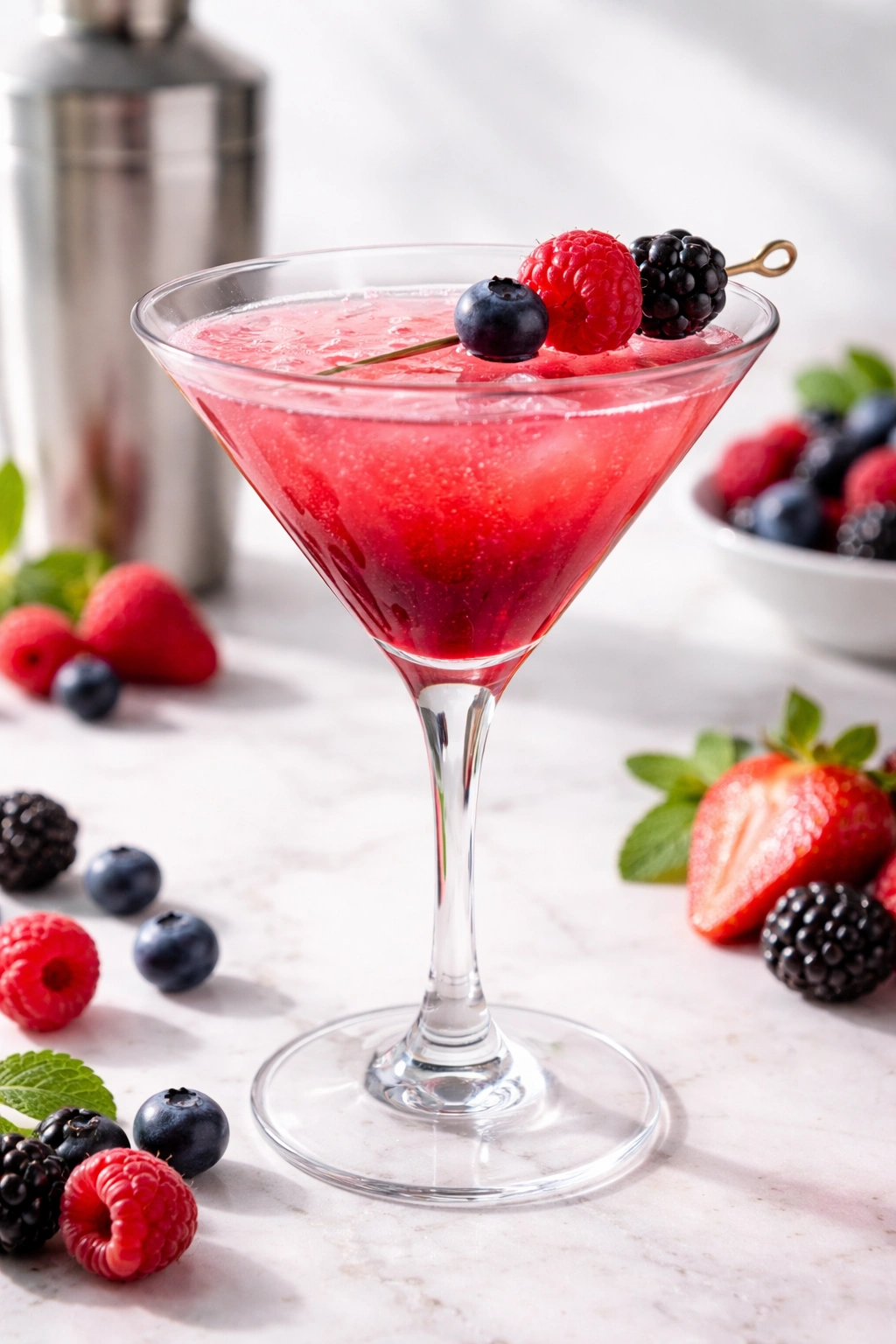
A berry martini walks the line between sophistication and pure indulgence. Fresh berries—whether raspberries, strawberries, or blueberries—add color, natural sweetness, and subtle tartness without the artificial taste of many fruit liqueurs. This is the martini for anyone who finds straight spirits too austere but wants to avoid overly sweet drinks. The berry version is also visually stunning, with a gradient from clear to pink or deep red depending on your berry choice. This drink works beautifully as a dessert course or as the centerpiece of a celebration.
Yield: Makes 1 drink | Prep Time: 8 minutes | Difficulty: Intermediate—because muddling berries requires a different touch than muddling herbs.
Ingredients:
- 2 ounces premium vodka
- ½ ounce dry vermouth
- 6-8 fresh raspberries or strawberries (or a combination of berries)
- ½ ounce fresh lemon juice
- ½ ounce simple syrup (or berry syrup if you have it)
- Ice for shaking
- 2-3 fresh berries skewered on a cocktail pick for garnish
Instructions:
-
Place the fresh berries in a cocktail shaker. Using a muddler, gently crush the berries to release their juice—this is slightly more aggressive than muddling herbs or cucumber, because you actually want the berry solids to integrate. Muddle for 8-10 presses until the berries are mostly broken down and the shaker has visible berry juice.
-
Add the vodka, dry vermouth, lemon juice, and simple syrup to the shaker. Fill with ice and shake vigorously for 8-10 seconds.
-
Double-strain into a chilled martini glass, pouring through a regular strainer and then through a fine-mesh strainer. This catches the berry seeds and pulp while allowing the juice and flavor to pass through.
-
The finished drink should be a clear pale pink (for raspberries) or deeper rose (for strawberries). Garnish with a skewer of 2-3 fresh berries.
Advertisements -
Serve immediately. The drink is best enjoyed while cold and the berry flavor is vibrant.
Creating Berry Variations
- Blueberry version: Use 8-10 blueberries. Blueberries are more delicate than raspberries, so muddle gently. The result will be a pale, almost translucent blue-tinted drink that’s beautifully subtle.
- Strawberry version: Use 4-5 strawberry slices. Remove the green leafy tops and slice them thinly—this increases surface area and releases more juice. The drink will be a deeper pink.
- Mixed berry: Combine 4 raspberries with 3-4 blueberries for a complex flavor profile and a multi-toned color.
- Make a berry syrup ahead: If you plan to serve these multiple times, simmer fresh berries with equal parts sugar and water for 10 minutes, strain, and cool. Use this syrup instead of simple syrup—it adds berry flavor without the work of muddling each drink.
Storage and Make-Ahead Notes
- Fresh berries vary by season. In warmer months when raspberries and strawberries are at peak season (sweet and abundant), these drinks shine. In winter, you can use frozen berries (thawed slightly) or substitute with berry liqueur for a different but still delicious version.
- Keep berries cold. Chill your berries in the fridge before muddling—cold berries release juice more easily and taste fresher.
6. Lemon Martini
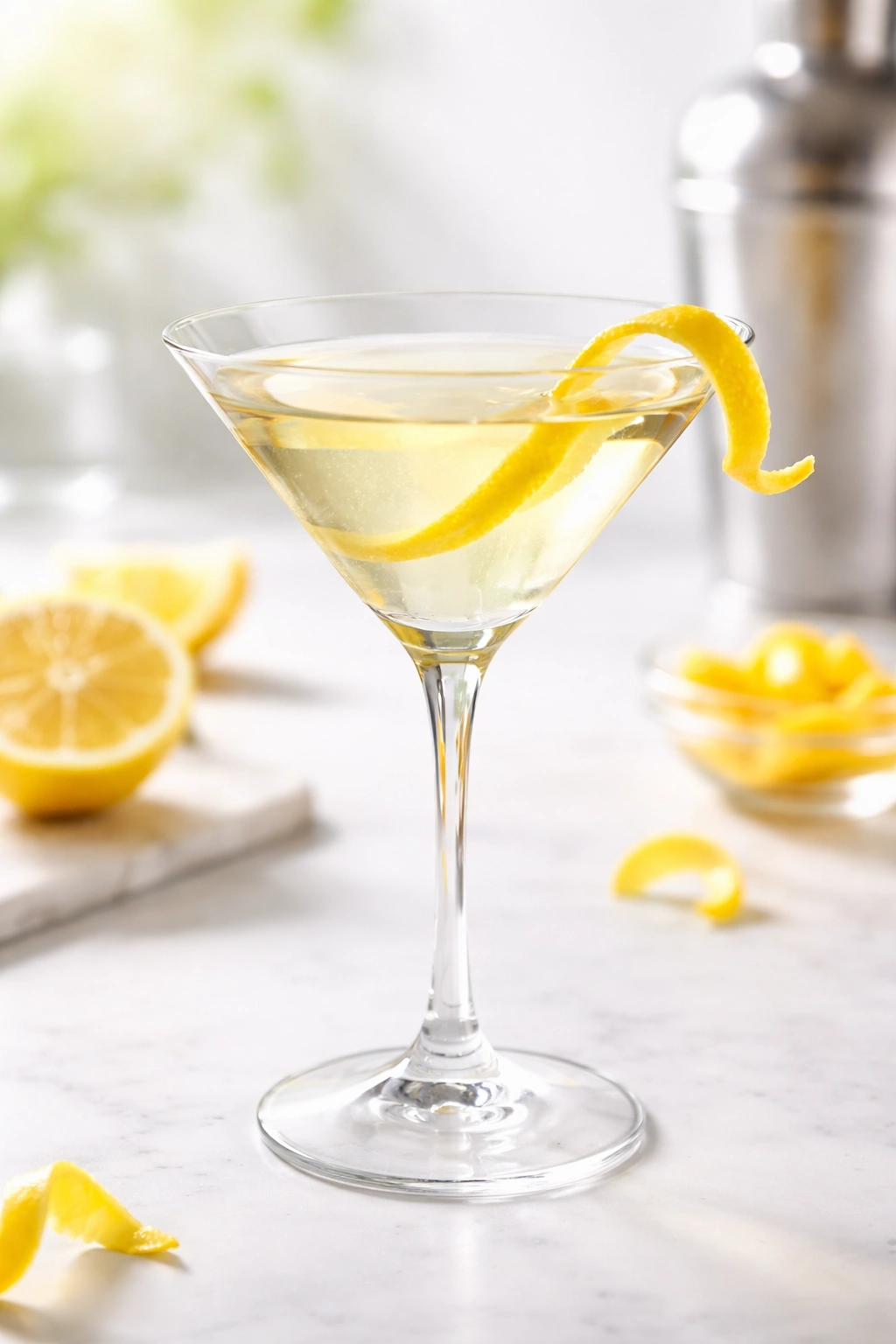
The lemon martini (sometimes called a citrus martini or a martini with a twist) is brightness in a glass. Fresh lemon juice combines with vodka to create something that tastes fresh and clean while maintaining complete martini elegance. This is the martini for people who want flavor without sweetness, and for anyone who loves citrus. The lemon version is particularly popular as an aperitif because the acidity wakes up the palate and prepares it for food. A properly made lemon martini should taste like cold, vodka-spiked lemonade made with premium ingredients—tart, clean, and refreshing.
Yield: Makes 1 drink | Prep Time: 5 minutes | Difficulty: Beginner—this is as straightforward as martinis get.
Ingredients:
- 2 ounces premium vodka
- ½ ounce dry vermouth
- 1 ounce fresh lemon juice (about 1 large lemon)
- ½ ounce simple syrup
- Ice for shaking
- 1 long lemon peel or 1 lemon wheel for garnish
Instructions:
-
Fill a cocktail shaker with ice. Add the vodka, dry vermouth, fresh lemon juice, and simple syrup.
-
Shake vigorously for 8-10 seconds. The drink will be perfectly clear with a pale yellow tint from the lemon.
-
Strain into a chilled martini glass. The drink should be ice-cold and completely clear.
-
For garnish, either express the oils from a long lemon peel (twist it over the drink so the oils mist across the surface and the peel releases its aroma), then drop the peel in, or place a thin lemon wheel across the rim of the glass.
-
Serve immediately and enjoy while the drink is at peak temperature.
Advertisements
The Importance of Fresh Lemon Juice
Bottled lemon juice is never acceptable in a martini—the taste difference is immediately apparent and dramatic. Fresh lemon juice has brightness and subtle flavor complexity that bottled juice, even “fresh” bottled juice, simply cannot match. A good quality lemon juicer or reamer costs $10-15 and pays for itself in the quality increase of your cocktails. If you’re making multiple drinks, juice all your lemons at once and keep the juice in a small glass in the fridge for the duration of the evening—fresh juice stays good for several hours.
Flavor Customizations
- Add honey for sweetness: Substitute ½ ounce of honey syrup (equal parts honey and hot water, cooled) for the simple syrup. This creates a honey-lemon martini that’s less tart and more rounded.
- Go for sour: If you love pucker, reduce the simple syrup to ¼ ounce. The result is a very tart, very clean martini that’s perfect before a meal.
- Add thyme or rosemary: Lightly muddle a sprig of fresh thyme or rosemary in the shaker before adding other ingredients. Herbs and lemon are a classic pairing that adds sophistication.
- Make it a pisco sour-style martini: Replace the vodka with pisco (a South American brandy) for a completely different but equally delicious drink.
7. Lavender Martini
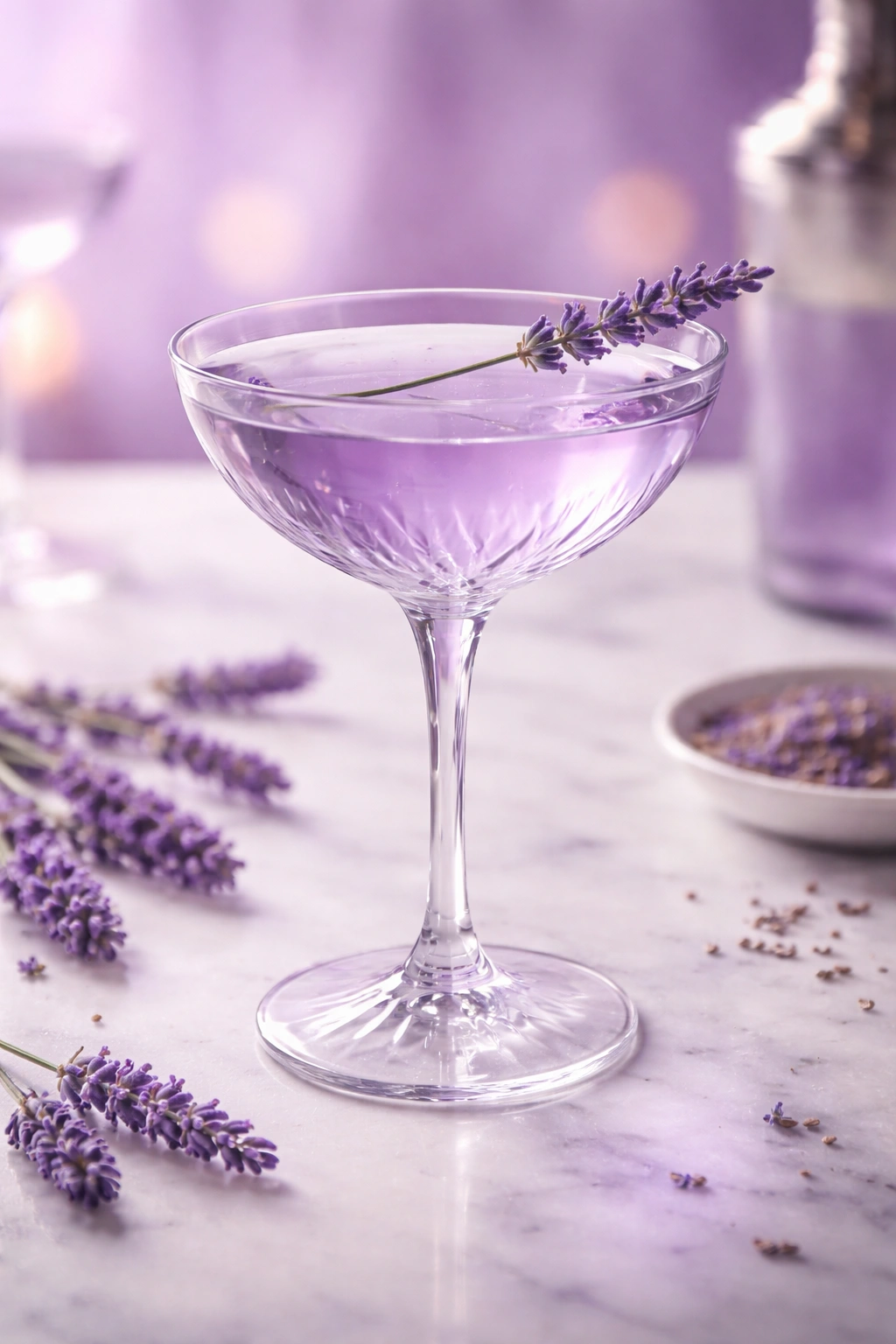
The lavender martini is for anyone who loves floral flavors and wants something that tastes special and a bit unexpected. Lavender syrup or lavender-infused spirits bring a delicate floral note that’s sophisticated without being perfume-like or soapy. This is the martini to serve when you want guests to have a memorable experience and a conversation starter. The key to a successful lavender martini is balance—you’re using just enough lavender to be interesting, not so much that it overwhelms. This drink is particularly beautiful in color if you add a touch of butterfly pea flower (which adds a pale purple tint) or serve it as-is for a crystal-clear drink with a delicate floral aroma.
Yield: Makes 1 drink | Prep Time: 5 minutes (if using prepared lavender syrup) | Difficulty: Intermediate—because making lavender syrup requires advance preparation, though you can buy quality versions.
Ingredients:
- 2 ounces premium vodka (or lavender vodka if you can find it)
- ½ ounce dry vermouth
- ½ ounce lavender syrup (see note below for store-bought or homemade)
- ½ ounce fresh lemon juice
- Ice for shaking
- 1 long lavender sprig or a lemon peel for garnish
Instructions:
-
Fill a cocktail shaker with ice. Add the vodka, dry vermouth, lavender syrup, and fresh lemon juice.
-
Shake vigorously for 8-10 seconds until the drink is ice-cold and the flavors are integrated.
-
Strain into a chilled martini glass. The drink should be crystal clear with a pale lavender hue if you’ve used butterfly pea flower syrup, or completely clear if using standard lavender syrup.
-
Garnish with a single sprig of dried culinary lavender placed across the rim, or express the oils from a lemon peel and drop it in alongside the lavender.
-
Serve immediately. Sip slowly to appreciate the delicate floral notes.
Advertisements
Making Lavender Syrup at Home
If you can’t find quality lavender syrup, it takes only 10 minutes to make. Combine 1 cup of sugar with 1 cup of water in a small saucepan. Add 2 tablespoons of dried culinary-grade lavender (not the kind from a craft store—use actual food-grade lavender from a spice supplier or health food store). Heat over medium heat until the sugar dissolves, then remove from heat and let it steep for 15-20 minutes. Strain out the lavender buds and let the syrup cool completely before using. It keeps in the refrigerator for at least 2 weeks.
Why This Works
Lavender has a subtle sweetness and a mineral quality that complements dry vermouth beautifully. The lemon juice adds brightness and prevents the drink from tasting too sweet or too perfume-like. This combination creates a drink that feels elegant, tastes fresh, and leaves a subtle floral impression on the palate.
Variations and Flavor Bridges
- Add butterfly pea flower: If you can find butterfly pea flower powder (available online), add a tiny pinch to the syrup for a stunning pale purple color. The flavor impact is minimal, but the visual is memorable.
- Use gin instead: While this wouldn’t technically be a vodka martini, gin and lavender are a classic pairing. If your group includes gin-lovers, this variation is worth trying.
- Add elderflower: Reduce the lavender syrup to ¼ ounce and add ¼ ounce of elderflower liqueur (St. Germain is the standard) for a more complex floral profile.
- Go botanical: Add a touch of cucumber or fresh basil to the shake for an herbal-floral drink that’s complex and intriguing.
8. Chocolate Martini
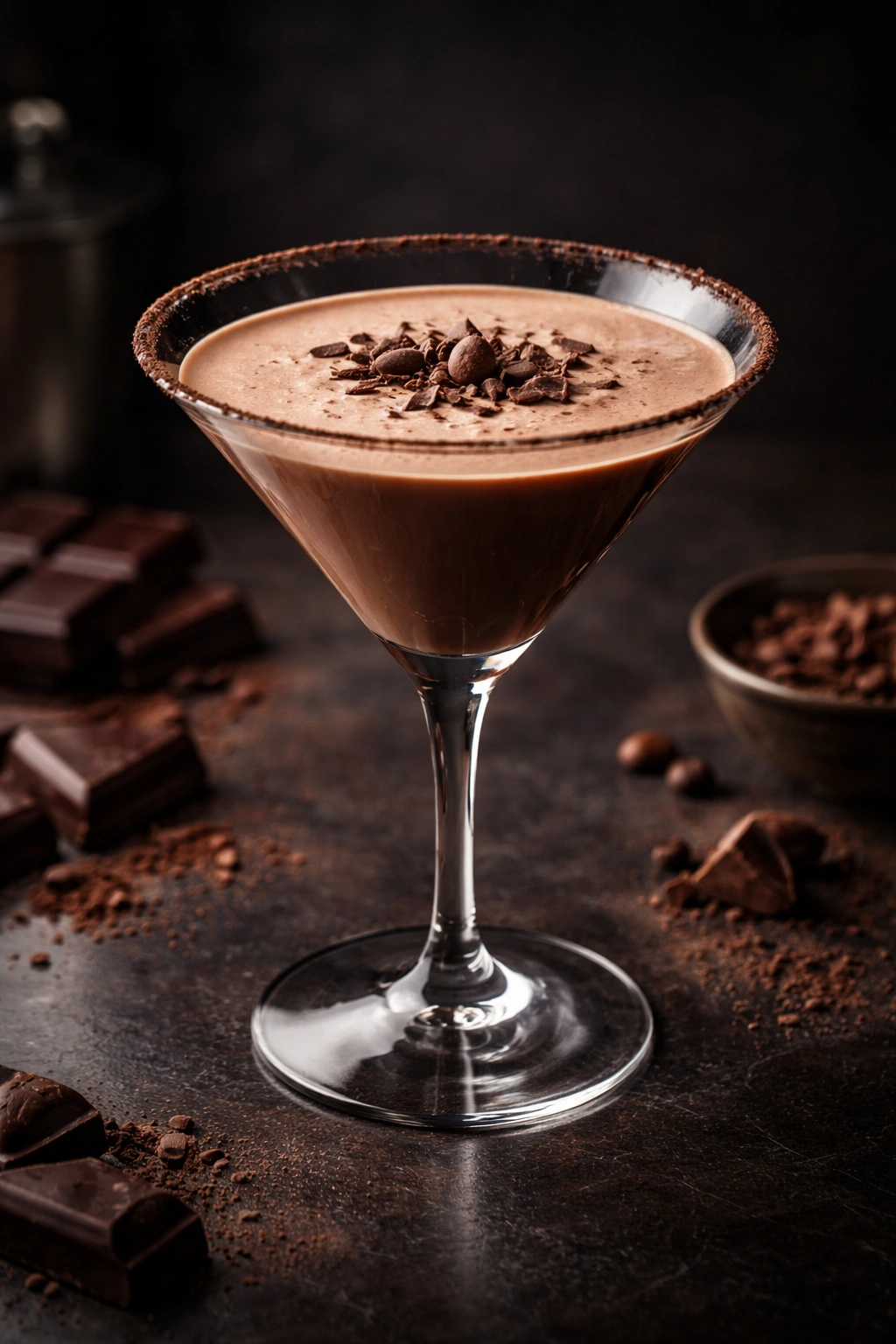
The chocolate martini is dessert in a martini glass—pure indulgence that tastes like a boozy chocolate truffle. Rich chocolate liqueur, vodka, and a touch of cream combine to create something that’s smooth, sweet, and utterly luxurious. This is the martini to serve at the end of a night, or as a special celebratory drink. The key to avoiding an overly sweet result is using quality chocolate liqueur and keeping the drink relatively spirit-forward so the vodka provides balance to the sweetness. This martini also works beautifully as a base for creative variations with coffee, vanilla, or peppermint.
Yield: Makes 1 drink | Prep Time: 5 minutes | Difficulty: Beginner—straightforward ingredients and technique.
Ingredients:
- 1½ ounces premium vodka
- ¾ ounce chocolate liqueur (Godiva or Crème de Cacao are quality options)
- ½ ounce heavy cream or half-and-half
- Ice for shaking
- Cocoa powder or chocolate shavings for rim (optional but recommended)
- 1 chocolate-covered cherry or a few chocolate shavings for garnish
Instructions:
-
If you’re rimming the glass, pour a small amount of cocoa powder onto a shallow plate. Lightly wet the rim of a martini glass with a damp cloth or paper towel, then dip the rim into the cocoa powder so a thin layer coats the edge. Set aside.
-
Fill a cocktail shaker with ice. Add the vodka, chocolate liqueur, and heavy cream.
-
Shake vigorously for 8-10 seconds. You’ll notice the cream creates a slight opacity and the drink becomes noticeably richer-looking.
-
Strain into your prepared martini glass. The drink should be pale brown or tan, smooth, and rich-looking.
Advertisements -
Garnish with a chocolate-covered cherry on a cocktail pick or a sprinkle of chocolate shavings on top.
-
Serve immediately. This drink is best enjoyed while cold and the cream is still evenly incorporated.
Understanding Chocolate Liqueurs
Not all chocolate liqueurs are created equal. Godiva Chocolate Liqueur is rich and smooth with actual chocolate flavor. Crème de Cacao is lighter and more vanilla-forward with subtle chocolate notes. Both work beautifully in martinis—your choice depends on whether you want maximum chocolate flavor (Godiva) or something slightly more refined and less intensely sweet (Crème de Cacao). Try both to discover your preference.
Creative Variations
- Peppermint chocolate: Add ¼ ounce of peppermint liqueur (Peppermint Schnapps or Crème de Menthe) alongside the chocolate liqueur. The result is a sophisticated thin-mint flavor.
- Espresso chocolate: Combine ½ ounce of chocolate liqueur with ¼ ounce of coffee liqueur and add ½ ounce of cooled espresso. You get the chocolate-coffee flavor combination that feels both decadent and grounded.
- Vanilla chocolate: Use Crème de Cacao (which already has vanilla notes) and increase the cream to ¾ ounce. Add a small splash of vanilla extract (just a few drops) to amp up the vanilla element.
- Less sweet version: Reduce the chocolate liqueur to ½ ounce, increase the vodka to 2 ounces, and use just ¼ ounce of cream. This creates a more balanced, less dessert-like martini that’s still clearly chocolate-forward.
Pro Tips for Serving Multiple Variations
If you’re making these eight martinis across a girls’ night, a few preparation tricks will make your life easier. Pre-chill all your glasses in the freezer for at least 20 minutes before serving—this allows each drink to stay properly cold longer. Set up a small bar station with all your spirits, juices, and tools organized within arm’s reach. If you’re batch-making any of these drinks (making three lemon martinis and two cucumber ones), you can partially pre-prepare them. Combine spirits and non-citrus ingredients up to an hour in advance, then add juices and shake fresh to order. Always shake or stir with fresh ice for each individual drink—reusing ice from one drink in another dilutes the flavor of subsequent cocktails.
The beauty of having eight distinct martini options is that everyone finds something they love, and the variety transforms the evening into a proper cocktail experience rather than just a casual drink gathering. These eight recipes give you the foundation to become genuinely confident making martinis—once you understand the basic technique and proportions, customizing them becomes intuitive. Some evenings you’ll want to stick with the classic; others you’ll explore the espresso or lavender versions. That flexibility, combined with the sophisticated elegance that comes with a properly made martini, is why these drinks have remained beloved for more than a century.
Final Thoughts

The secret to hosting a girls’ night featuring excellent martinis isn’t about having expensive spirits or complicated equipment—it’s about understanding the fundamentals and executing them with care. A chilled glass, proper proportions, the right shaking or stirring technique, and fresh ingredients are what separate a forgettable cocktail from one people remember and ask for again. Start with one or two variations from this list, master those, and then experiment with the others. Your friends will be genuinely impressed by the quality and consistency of what you’re serving, and you’ll find that making cocktails becomes an enjoyable, meditative ritual rather than a hassle. The investment in a quality cocktail shaker and a bar spoon pays dividends across every martini you’ll ever make. These eight variations provide enough diversity that you can serve an entire evening of sophisticated, different-tasting drinks without repeating yourself—or you can pick your favorite and perfect just that one until you’re making it better than most bars. Either way, you’ve got the knowledge to make martinis that stand up to professional standards and taste absolutely delicious.
