



Book club nights are meant for meaningful conversation, lively discussion, and getting lost in characters and plots. But let’s be honest—the snacks matter just as much as the book itself. The right spread keeps people comfortable, gives hands something to do during awkward pauses, and honestly, it’s one of the best reasons to show up.
The challenge isn’t finding a snack. It’s finding snacks that work together, that don’t require you to be in the kitchen while everyone else is debating symbolism, and that taste sophisticated enough that you don’t feel like you’re serving library hour refreshments. The snacks that disappear fastest are the ones that balance ease of eating with real flavor—nothing that requires two hands or leaves fingers greasy when you’re holding a book.
What makes a book club snack different from party food? Scale, mostly. You’re not feeding a crowd of 50. You’re feeding 6 to 12 people for 2 to 3 hours, which means quality beats quantity, prep time matters, and anything that can be partially made ahead is worth its weight in gold. The best snack spreads feel thoughtful without looking like you spent all day in the kitchen—a mix of textures, a balance of sweet and savory, things people can graze on without commitment.
Cheese and Charcuterie Boards with Intentional Pairings
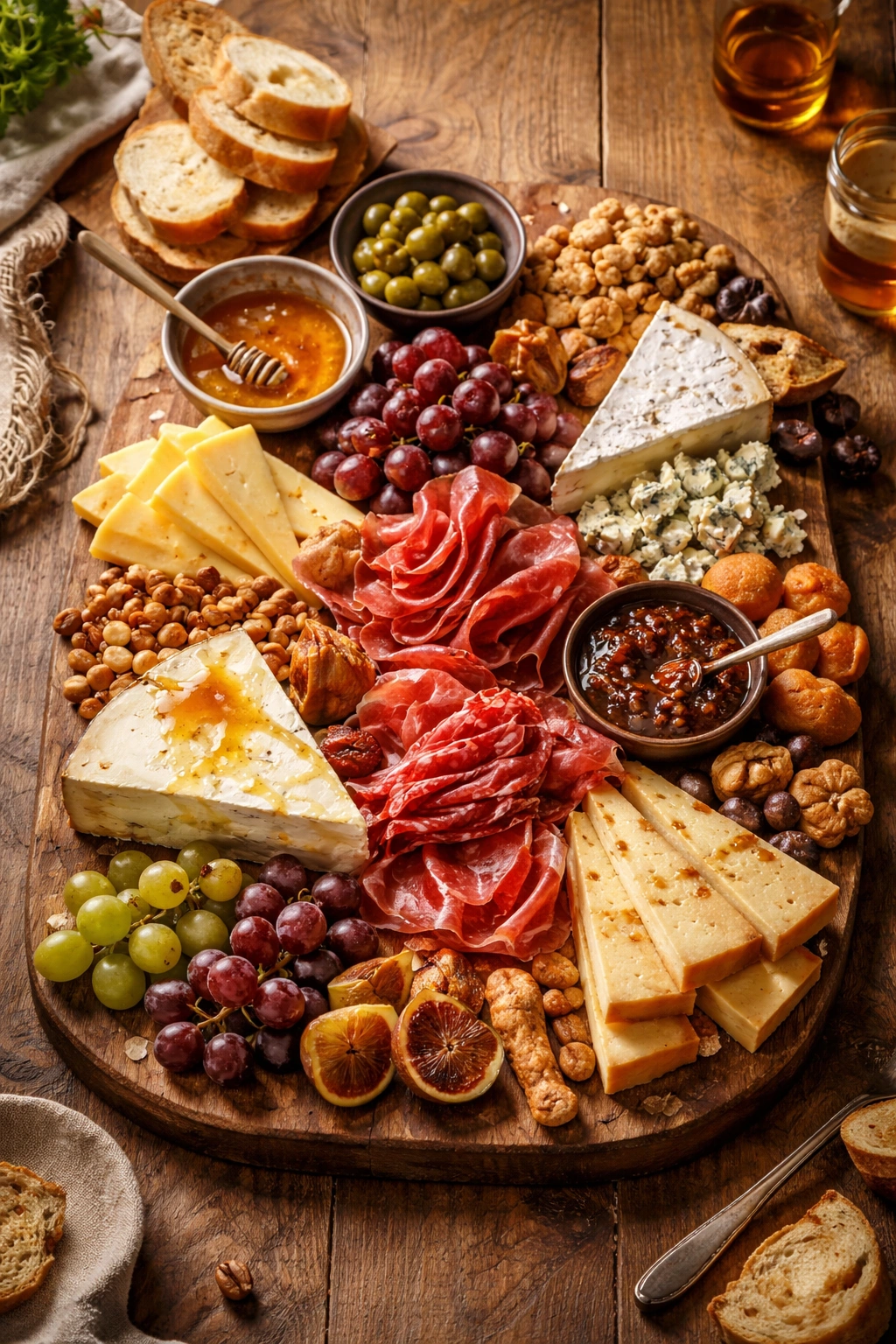
A charcuterie board isn’t just a snack—it’s a conversation starter that gives people something to do while they settle in. The key is building it with layers of flavor and texture so it stays interesting across the whole evening. Start with a wooden board or slate surface that’s larger than you think you need; crowding snacks makes them look scarcely available and harder to navigate.
Choose 3 to 4 cheeses in different styles: a firm aged cheese like Gruyère or an aged gouda, a creamy soft cheese like brie or burrata, a blue or funky cheese if your group leans adventurous, and something with visual interest like a herb-coated round or a smoked cheese. Pair each cheese with something that complements it—crusty bread, thinly sliced apples, honey, fig jam, or candied nuts. This intentionality signals that you actually thought about what goes together, not just threw whatever was on sale onto a board.
The Charcuterie Strategy That Actually Works
For cured meats, buy from a proper source if possible—the quality difference between grocery store presliced ham and actual prosciutto or spicy sopressata is worth the extra few dollars. Fold or roll the meat into loose waves rather than laying it flat; it looks more abundant and is easier to grab. Aim for 4 to 5 different types: something fatty and rich, something spiced, something mildly flavored, something with texture.
Anchor the board with 2 to 3 high-impact elements—marcona almonds (they’re worth the premium over regular almonds), marcona olives in a small bowl, and something unexpected like candied orange peel or spicy pickled vegetables. Add a small knife with each cheese so people don’t mix flavors, and include a small plate nearby for people to assemble their own combinations.
Pro tip: Build your board no more than 2 hours before guests arrive. Cheeses oxidize and dry out, cured meats develop a papery edge, and everything starts looking tired. If you need to prep earlier, wrap everything individually and assemble just before people arrive.
Spiced Roasted Chickpeas for Crunchy Protein
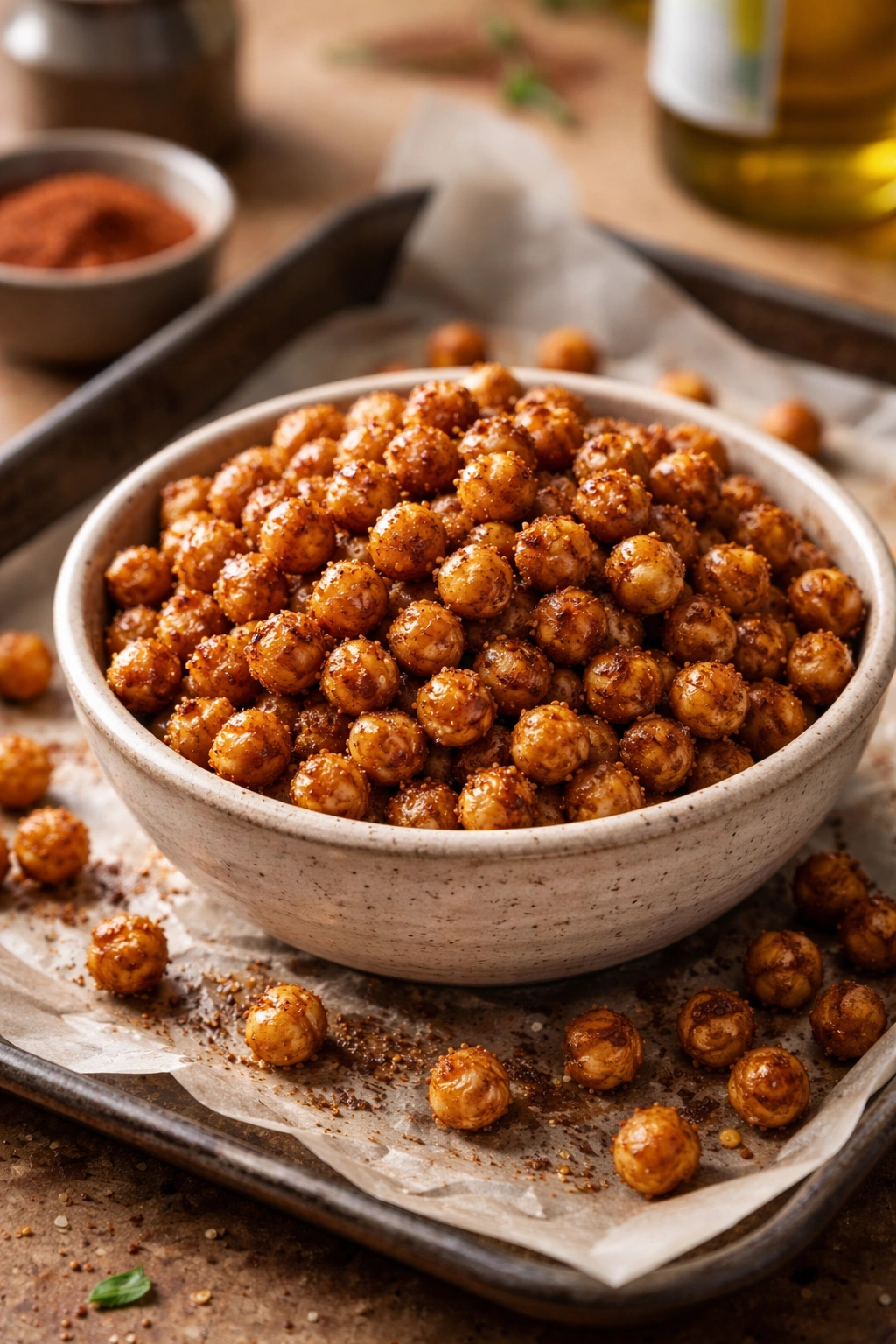
Roasted chickpeas are the sneaky snack that people eat handful after handful without realizing they’re getting legit protein and fiber. They’re crispy, they’re shelf-stable, they’re cheaper than nuts, and they’re different enough that they feel like you actually made something rather than just opened a bag.
Drain and thoroughly dry a can of chickpeas—this matters more than anything else. Wet chickpeas will steam instead of roast. Toss them with olive oil, salt, and whatever spice profile appeals to your crowd. Warm spices (cumin, paprika, cinnamon, a pinch of cayenne) work beautifully. So do savory-salty options (garlic powder, nutritional yeast, smoked salt). Roast at 400°F for 25 to 30 minutes, shaking the pan every 10 minutes, until they’re deeply golden and sound crispy when you shake the pan.
Why Chickpeas Beat Nuts for Book Club
Chickpeas don’t leave your fingers oily, which is the single biggest advantage for anyone holding a book or wine glass. They’re also cheaper than buying several pounds of nuts, and they feel like a made snack rather than a purchased one. Store them in an airtight container for up to 5 days, though they’re best eaten within 2 days of roasting when they’re still maximally crispy.
Make 2 to 3 different batches with different seasonings: one spiced and warm, one with just salt and garlic powder, one with a hit of lemon zest and thyme. The variety keeps people coming back, and you’ve got options if someone wants savory versus wants something with brightness.
Spinach and Feta Phyllo Cups
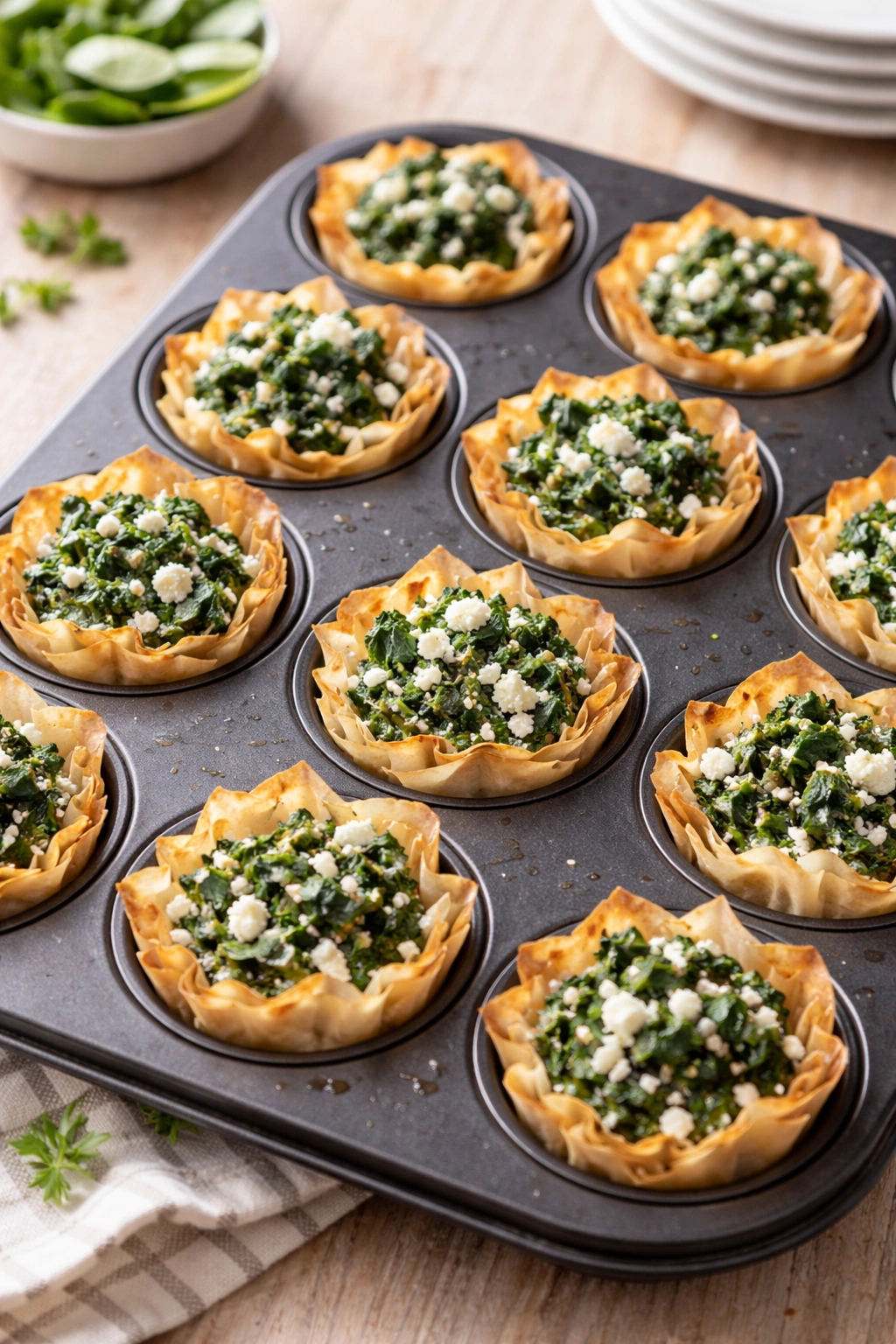
These look fancy, taste sophisticated, and actually require less effort than you’d think. Buy phyllo dough from the frozen section, thaw it, and you’re halfway there. Phyllo cups from the bakery section are an even bigger shortcut, and honestly, nobody will know you didn’t make them from scratch.
Mix together fresh spinach (thawed and squeezed completely dry), crumbled feta, a small amount of grated onion or shallot, fresh lemon zest, and a pinch of nutmeg. If using phyllo sheets, brush each sheet lightly with melted butter or olive oil, cut them into squares, and press them into the cups of a mini muffin tin. If using ready-made cups, simply fill them. Bake at 375°F for 12 to 15 minutes until the cups are golden and filling is warm.
These can be completely made ahead, refrigerated, and then warmed for 5 minutes in the oven just before guests arrive—a massive convenience factor. They look like you spent hours. They’re vegetarian. They’re bite-sized so people can eat them without interrupting their book discussion. They stay fresh for a few hours, so there’s no stress about serving them at a specific time.
Make-Ahead Magic for Busy Hosts
Assemble the phyllo cups the morning of your book club. Keep them covered in the fridge. Pop them in a warm oven 10 minutes before people arrive, and they’ll be still-warm and beautiful when people walk through the door. If you’re worried about them drying out, cover them loosely with foil while they warm.
Caprese Skewers with Fresh Basil and Balsamic
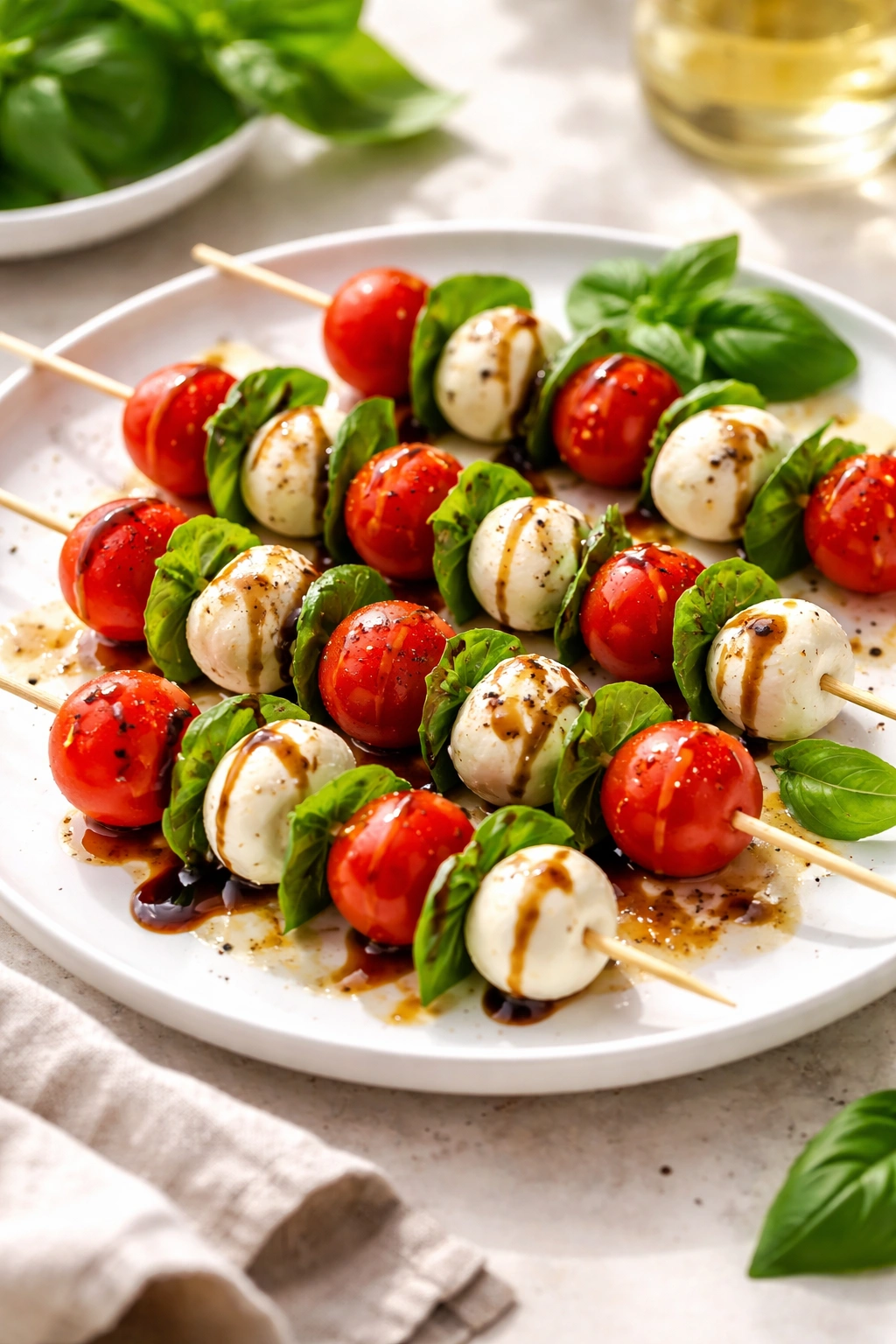
This is summer-friendly simplicity that tastes like you know your way around fresh ingredients. Thread fresh mozzarella balls, cherry tomatoes, and fresh basil leaves onto small skewers or toothpicks. Just before serving, drizzle with high-quality balsamic vinegar and good olive oil, hit everything with sea salt and cracked pepper.
The combination of warm and cool (the tomatoes are usually room temperature, the cheese is cool), the textural contrast, and the bright basil flavor make this feel fresher and more intentional than it actually is. It requires zero cooking, takes 15 minutes to assemble, and tastes completely different from the standard cheese and crackers.
Keep the balsamic and oil in small drizzle bottles on the side if you’re making these more than 30 minutes before serving—the skewers stay fresher looking if they’re not pre-dressed. Let guests dress them themselves, or add the dressing just before setting them out.
Herbed Flatbread with Whipped Ricotta
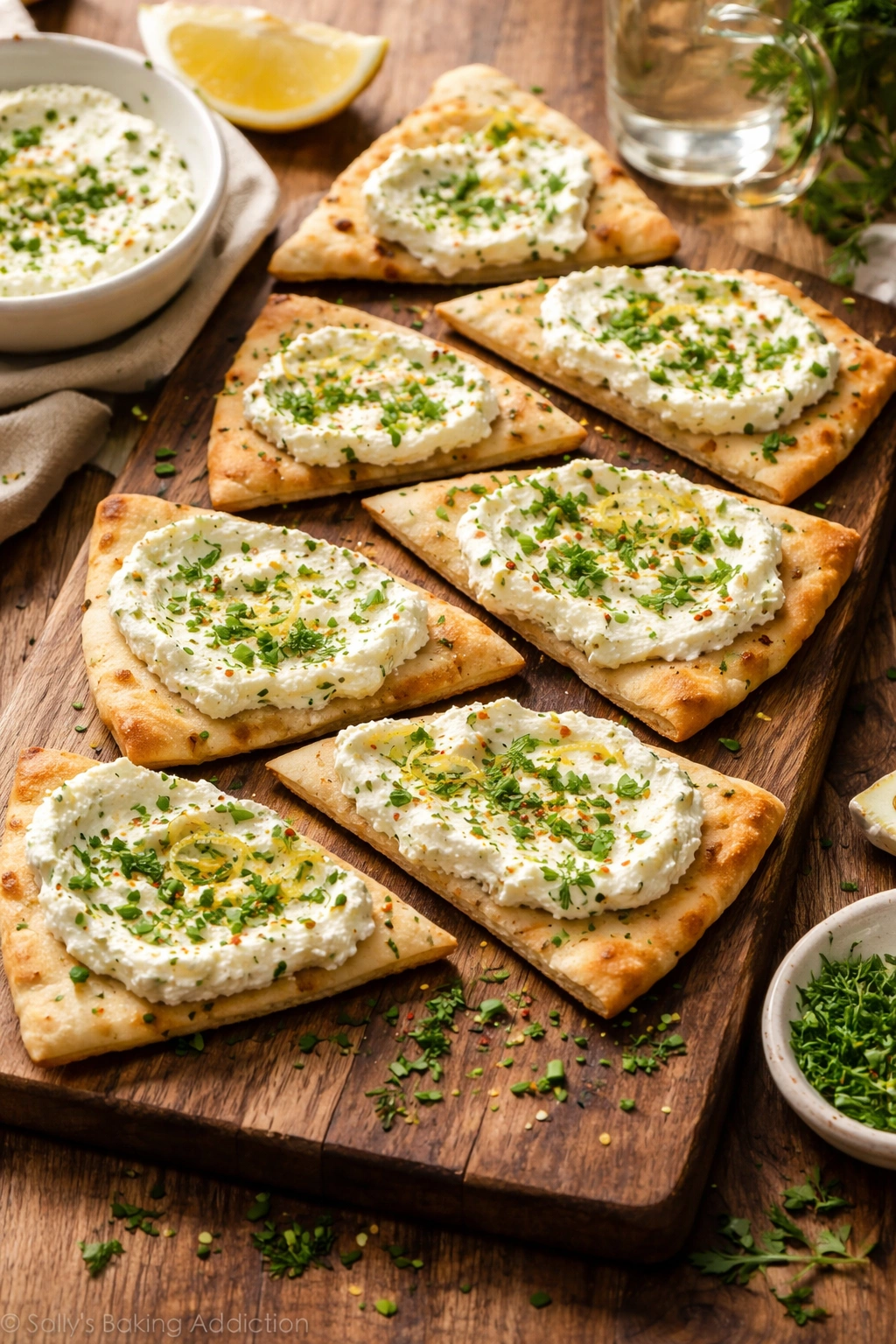
Fresh, creamy, and alive with herb flavor, whipped ricotta spread on toasted flatbread is the kind of snack that makes people ask for the recipe. It looks elegant but requires no special skills.
Combine fresh ricotta with grated lemon zest, minced fresh herbs (basil, thyme, or dill work beautifully), salt, pepper, and a touch of good olive oil. Whip it with a fork until it’s creamy and fluffy. Slice flatbread or naan into strips, brush lightly with olive oil, toast at 400°F for 5 to 7 minutes until light golden, and then spread each piece with ricotta mixture.
Top with fleur de sel, cracked pepper, a whisper of flaked red pepper, or microgreens if you have them. These are best served within an hour of assembly so the bread stays crispy on the bottom while the topping stays cool and creamy.
The Ricotta Edge Over Other Spreads
Ricotta whips into something lighter and airier than cream cheese, and it has a subtle sweetness that makes it less one-note than hummus. It’s substantially cheaper than burrata, and you can doctor it endlessly with different herbs and citrus depending on what flavors you want. A container of ricotta, a handful of fresh herbs, and some good bread become an elevated snack that took maybe 10 minutes to assemble.
No-Bake Chocolate Peanut Butter Bites
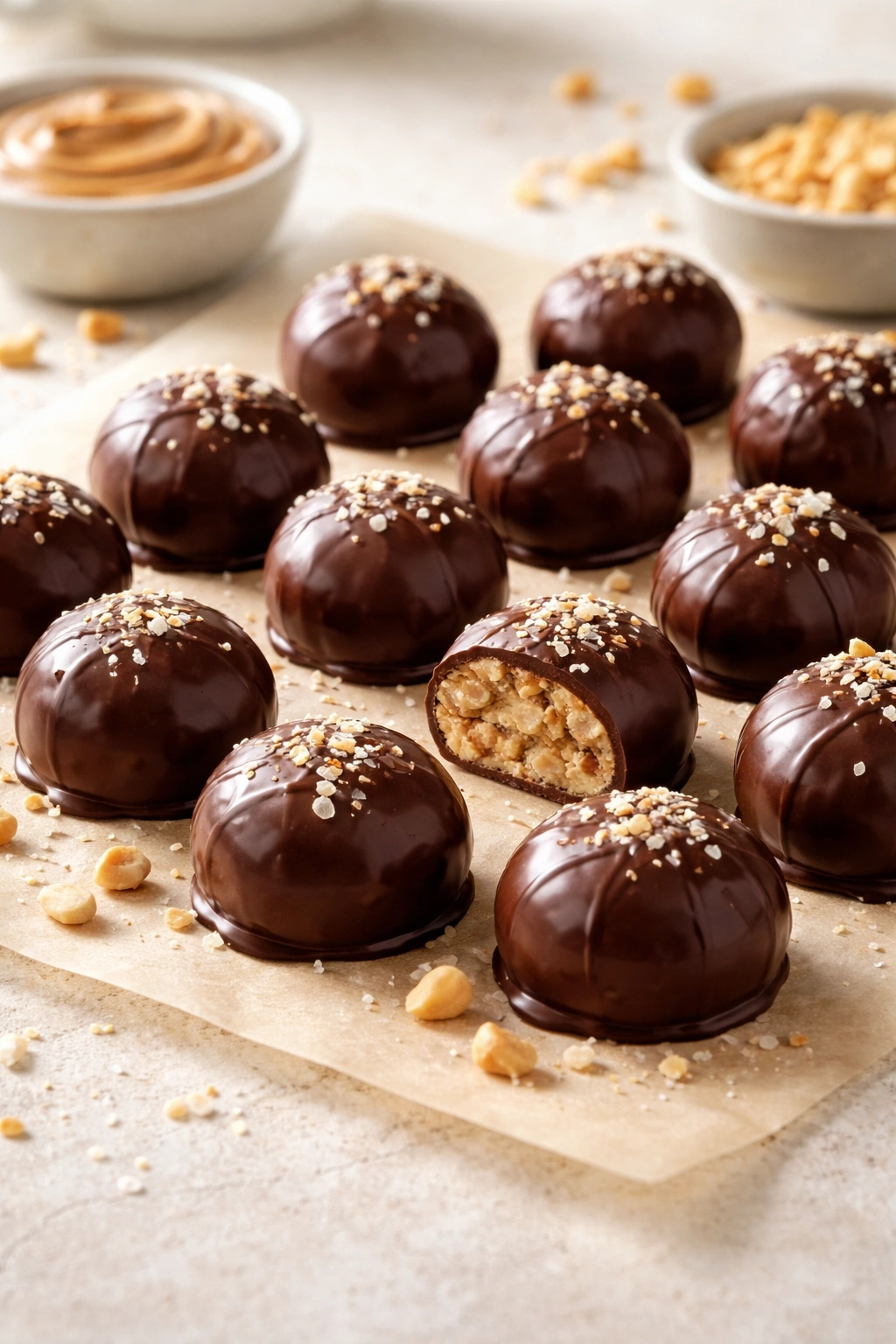
These are the confidence snacks—almost impossible to mess up, deeply satisfying, and the kind of thing people will ask for by name at the next book club. Mix together peanut butter, powdered sugar, a small amount of melted coconut oil, and a pinch of sea salt. Chill the mixture for 30 minutes, then roll into 1-inch balls and dip in melted dark chocolate.
Let the chocolate set on parchment paper at room temperature or in the fridge, depending on how warm your house is. They’re done when the chocolate shell is completely hardened. These hold well for up to a week in an airtight container, which means you can make them days ahead and forget about them until book club night.
The combination of salty and sweet, the richness of dark chocolate against nutty peanut butter, and the small bite-sized format make these disappear fast. They don’t require any special equipment—just a bowl, a spoon, and your hands. Even if your chocolate coating isn’t perfectly smooth, the taste is exactly right.
Lemon Shortbread Cookies with Thyme
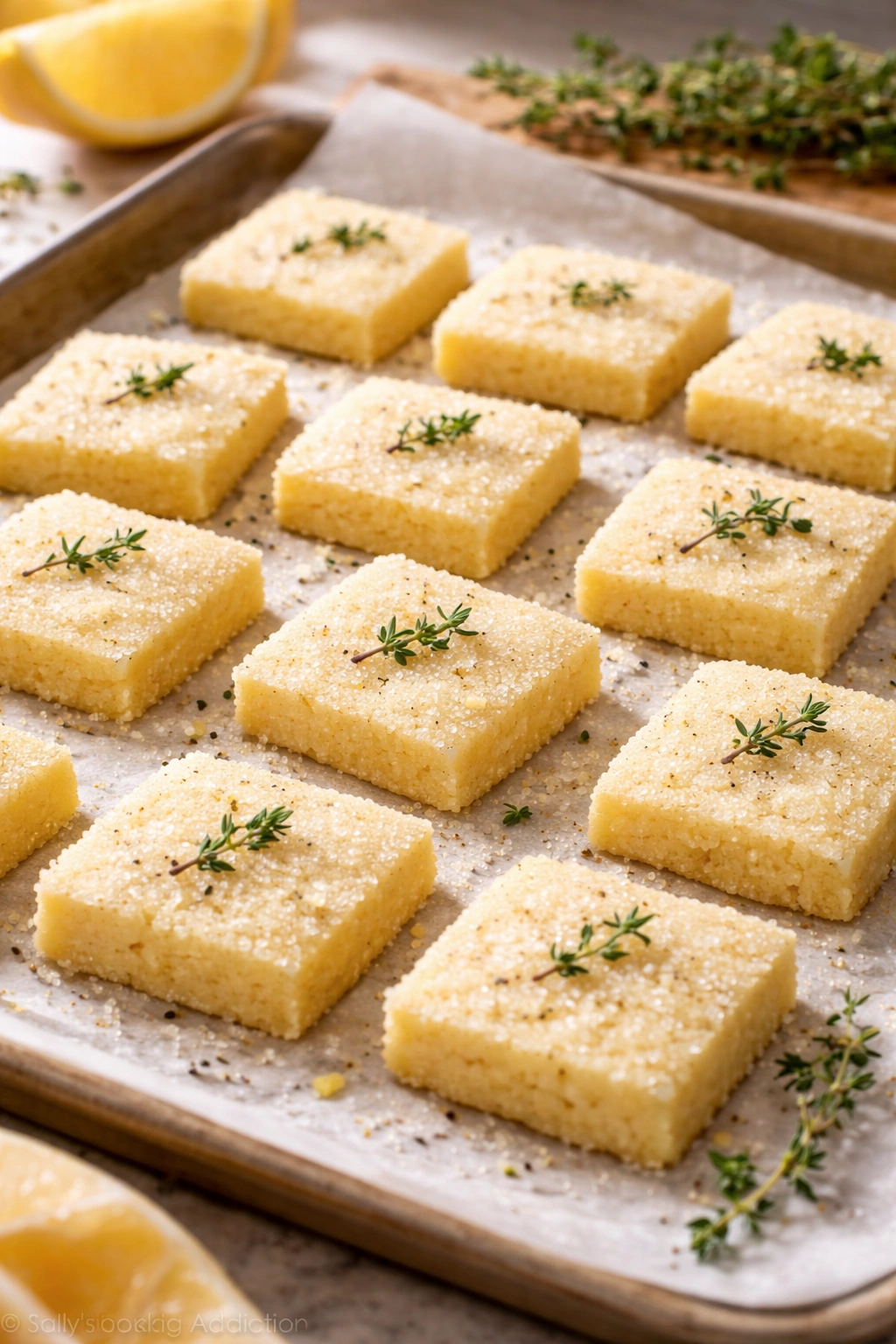
Sweet without being cloying, buttery, and finished with a whisper of fresh thyme that elevates them above standard lemon cookies. These are the snack that makes people realize you actually baked something rather than assembled a board.
Make shortbread dough (butter, sugar, egg yolk, flour, sea salt) with finely grated lemon zest folded in. Press into a thin layer on a parchment-lined baking sheet, score into squares, and top with a single thyme leaf on each cookie. Bake at 325°F for 12 to 15 minutes until pale golden. While still warm, dust lightly with a mixture of lemon sugar (zest mixed with granulated sugar).
These are buttery and tender enough that they almost melt, and the thyme adds a subtle savory note that makes them taste way more sophisticated than they actually are. They hold for days in an airtight container and travel well if you need to bring them to a friend’s house book club.
Homemade Trail Mix with Dried Fruit and Nuts
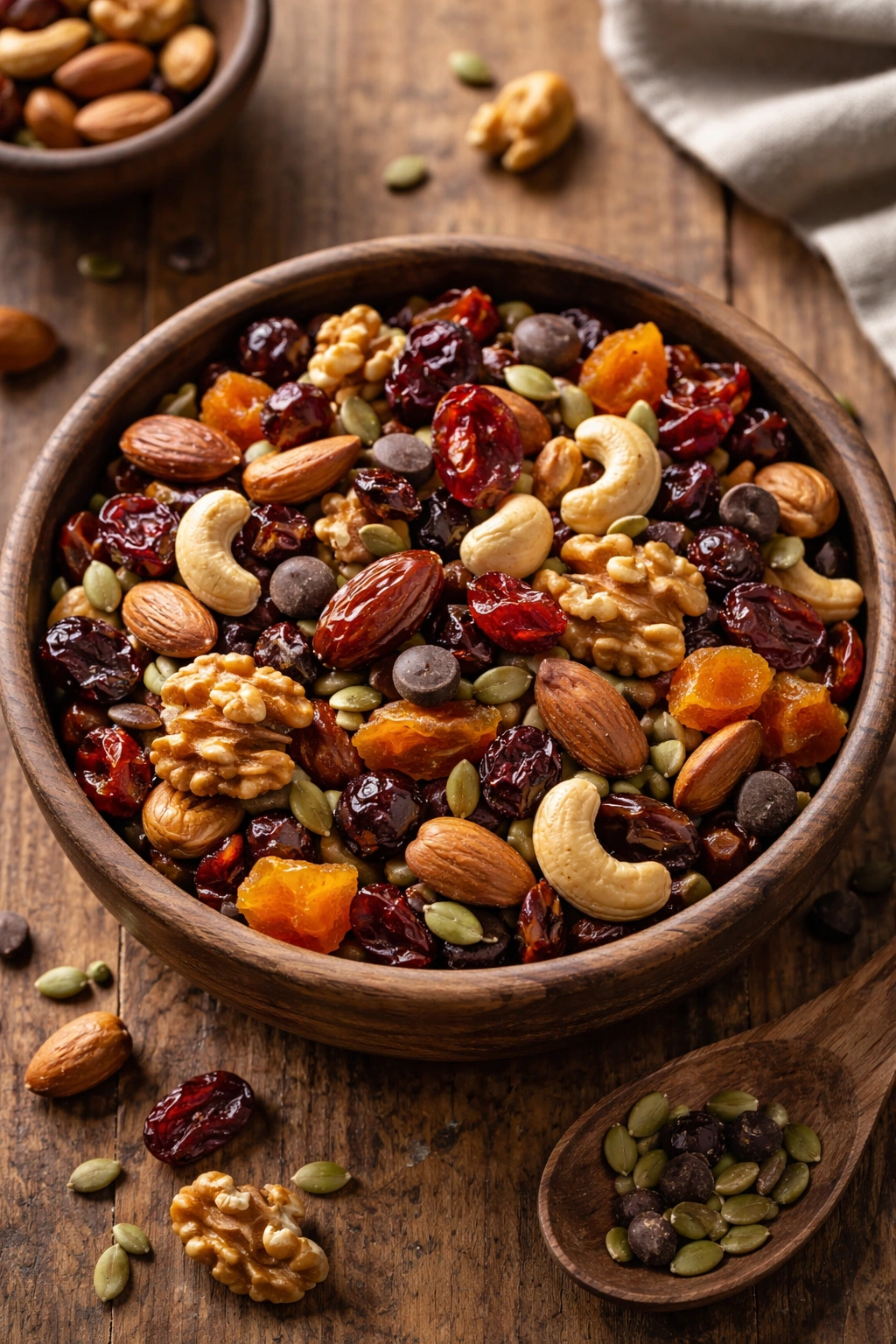
Commercial trail mix is either too salty, too chocolate-heavy, or too full of raisins. Make your own in whatever proportions appeal to you, and you’ve got a customizable snack that costs a fraction of the fancy bagged versions.
Combine raw or roasted nuts (almonds, cashews, walnuts), dried fruit (cranberries, apricots, dates, tart cherries), seeds (pumpkin, sunflower), a small amount of dark chocolate chips, and maybe a small amount of unsweetened coconut flakes. Add sea salt and, if you want it slightly sweet, a touch of cinnamon or cocoa powder.
Build Your Mix Intentionally
The ratio that actually works is roughly equal parts nuts and dried fruit by volume, seeds make up maybe 10 to 15 percent, and chocolate chips are there for fun, not as a main component. Taste as you go. The goal is for no single ingredient to dominate—you want people reaching back for more because they can’t predict what they’re going to get.
Make this in large batches and store it in airtight containers or glass jars. It lasts for weeks and becomes your go-to snack for anything unexpected. It’s also deeply customizable, so you can adjust it based on dietary preferences in your group.
Chocolate-Dipped Strawberries with Toppings
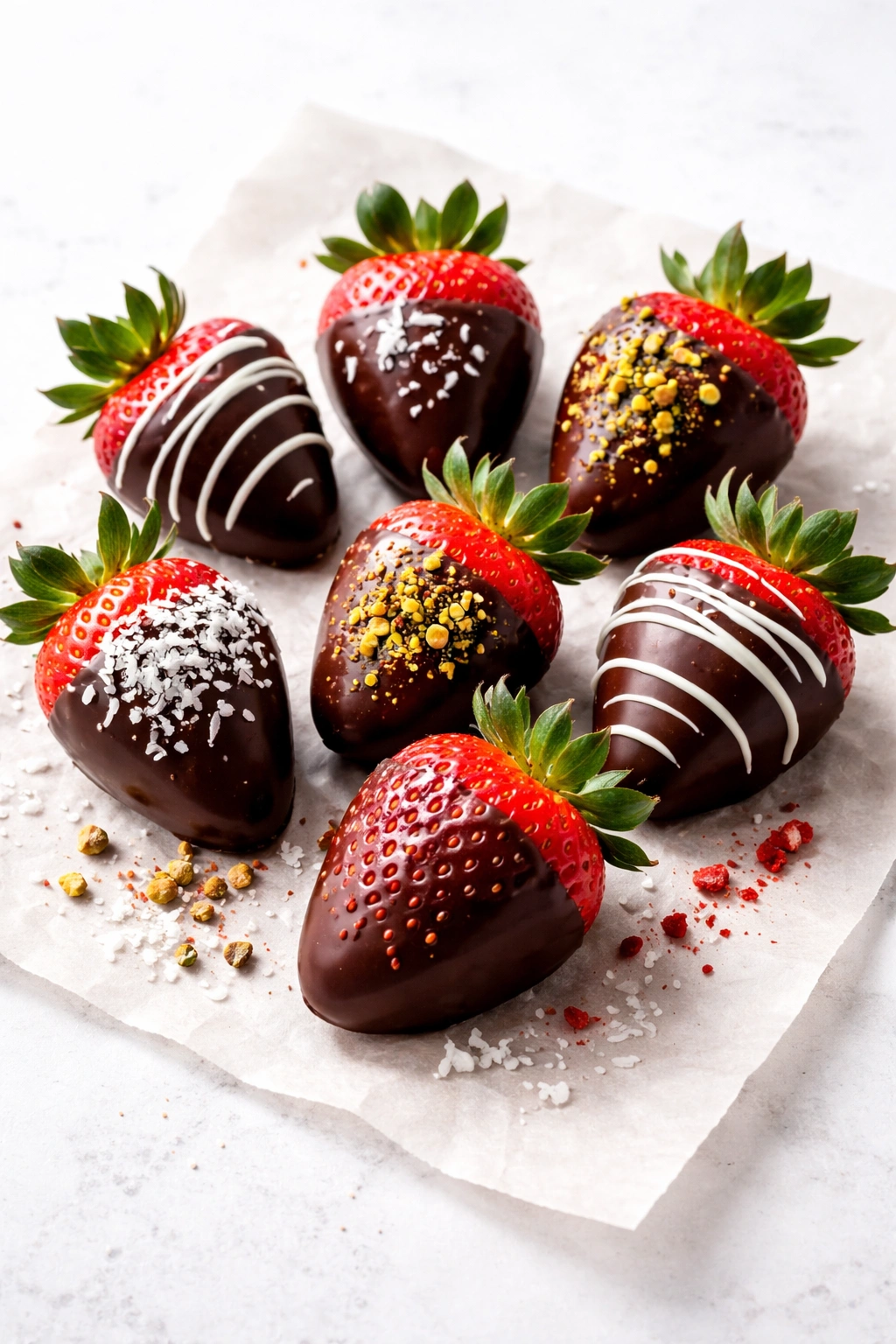
Simple, elegant, and somehow always impressive even though it’s literally three ingredients. Melt dark chocolate, dip fresh strawberries, and set them on parchment to cool. The magic is in the toppings: crushed pistachios, toasted coconut flakes, mini candied ginger pieces, freeze-dried berries, or a drizzle of white chocolate.
The variety of topping options means different people can grab different versions, and visually, they look like something from a high-end chocolate shop. Strawberries are best dipped no more than a few hours before serving—the chocolate stays glossy and the strawberry stays fresh.
Real talk: Wash and fully dry your strawberries before dipping. Wet strawberries make the chocolate slide right off. Pat them thoroughly with paper towels, and the dip will cling perfectly.
Brownies Cut into Bite-Sized Squares
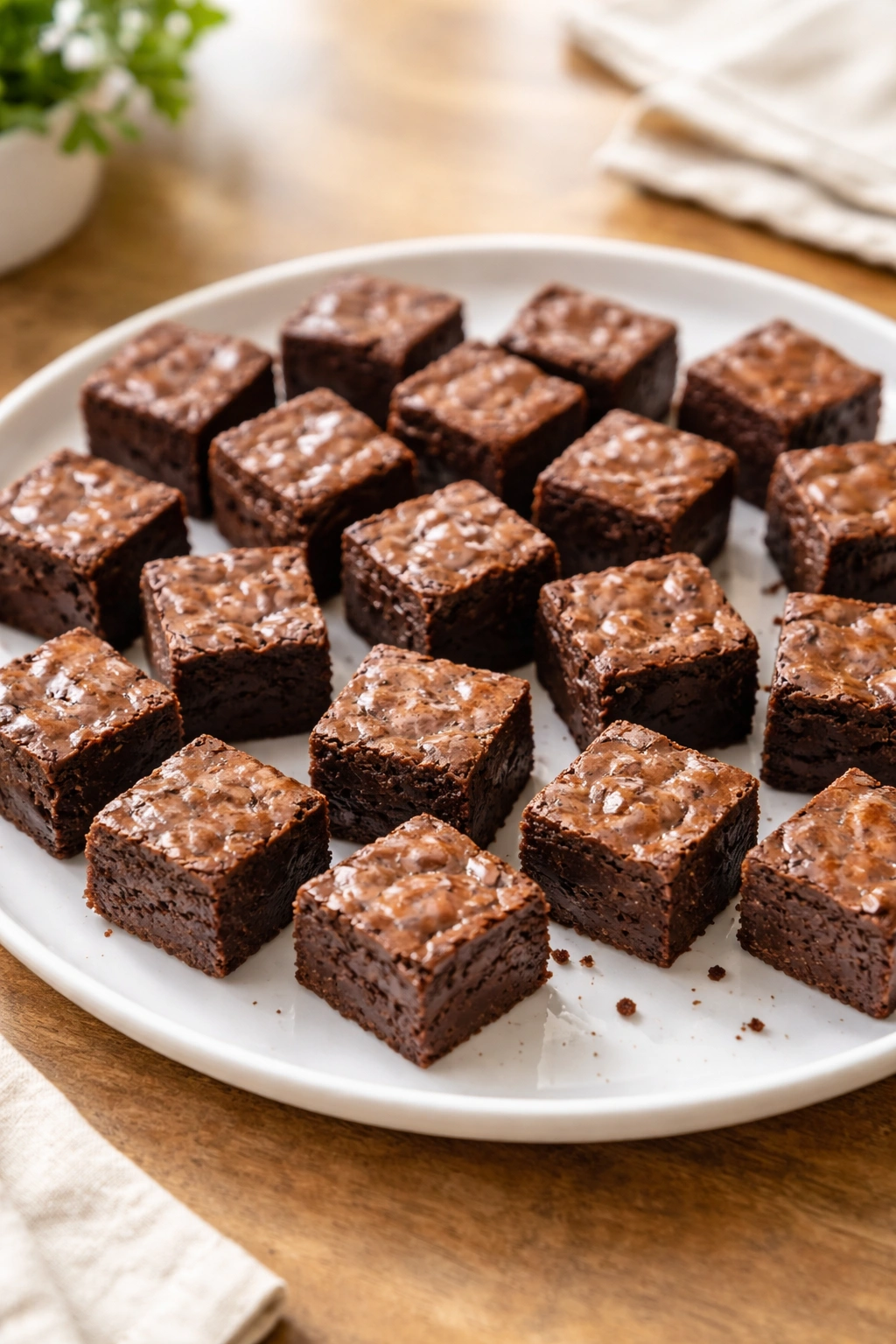
Brownies are not fancy, but they are reliable. A good brownie recipe, baked until just barely underdone so they stay fudgy, cut into small squares, and they’re the snack that makes people happy.
The magic is in baking them slightly underbaked so the center is still fudgy and they don’t dry out over the course of the evening. Pull them from the oven when a toothpick inserted in the center still has a few fudgy crumbs clinging to it, not when it comes out completely clean. Let them cool completely before cutting—warm brownies crumble; cool brownies cut clean.
These can be made days ahead, wrapped tightly, and are actually better the next day once the flavor has settled. Bring them wrapped, unwrap them just before guests arrive, and arrange them on a board or plate so they look intentional rather than cafeteria-style.
Homemade Granola Bars
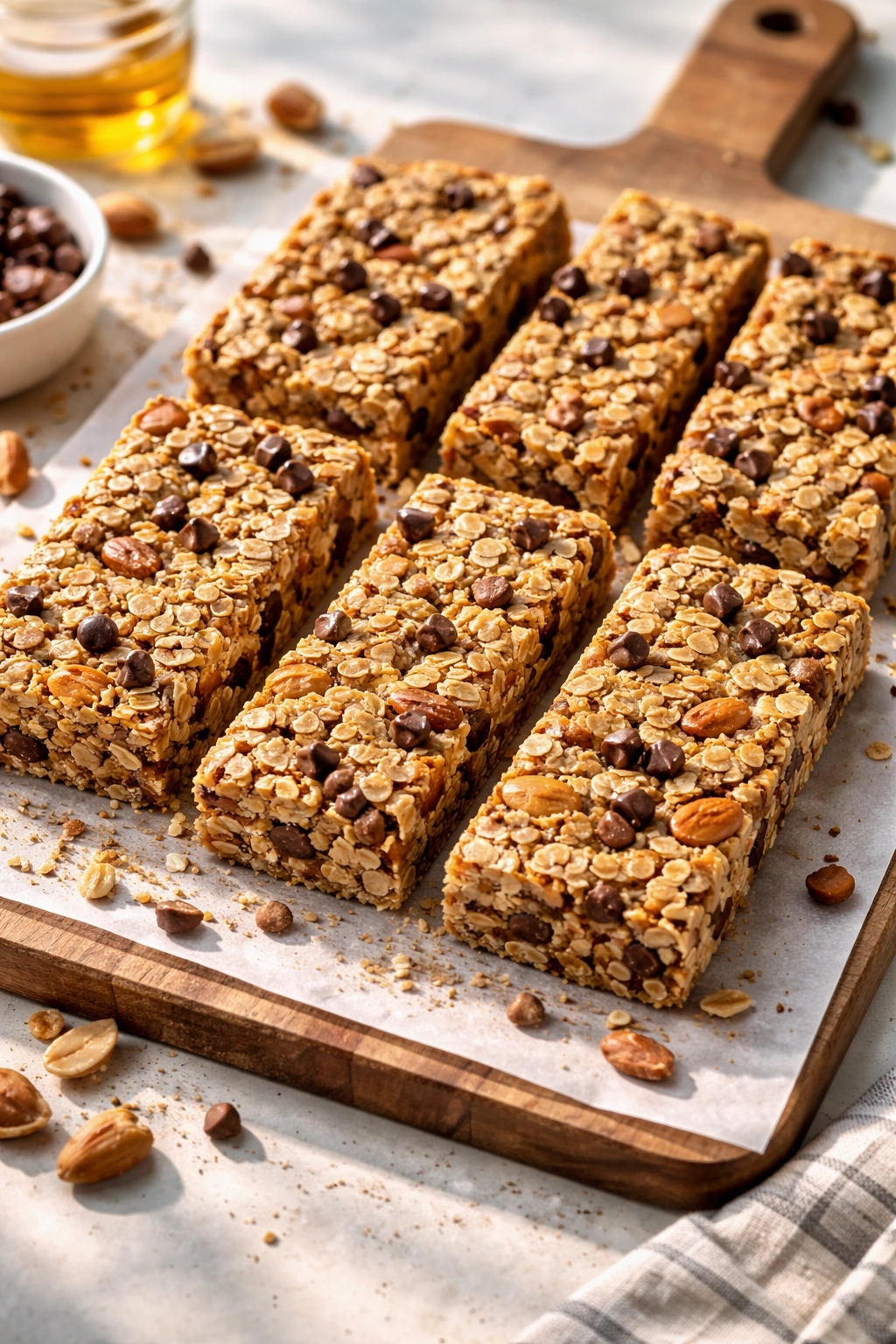
These bridge the gap between snack and sweet treat—substantial enough that they feel like real food, not just sugar. Mix oats, nut butter, honey, coconut oil, and whatever you want to add (chocolate chips, dried fruit, nuts, seeds). Press into a lined pan, bake at 325°F for 15 to 20 minutes until golden, cool completely, and cut into bars.
The beauty of homemade granola bars is that you control the sweetness and the mix-ins. You can make them as wholesome or as indulgent as your crowd prefers. They’re portable, they don’t require a napkin to eat, and they’re filling enough that people might actually eat one instead of grazing on five different snacks.
Make these a week ahead. Wrap them individually in parchment. They travel beautifully and you’ll have snack-sized portions ready to go.
Seasonal Fruit Platters with Dipping Sauces
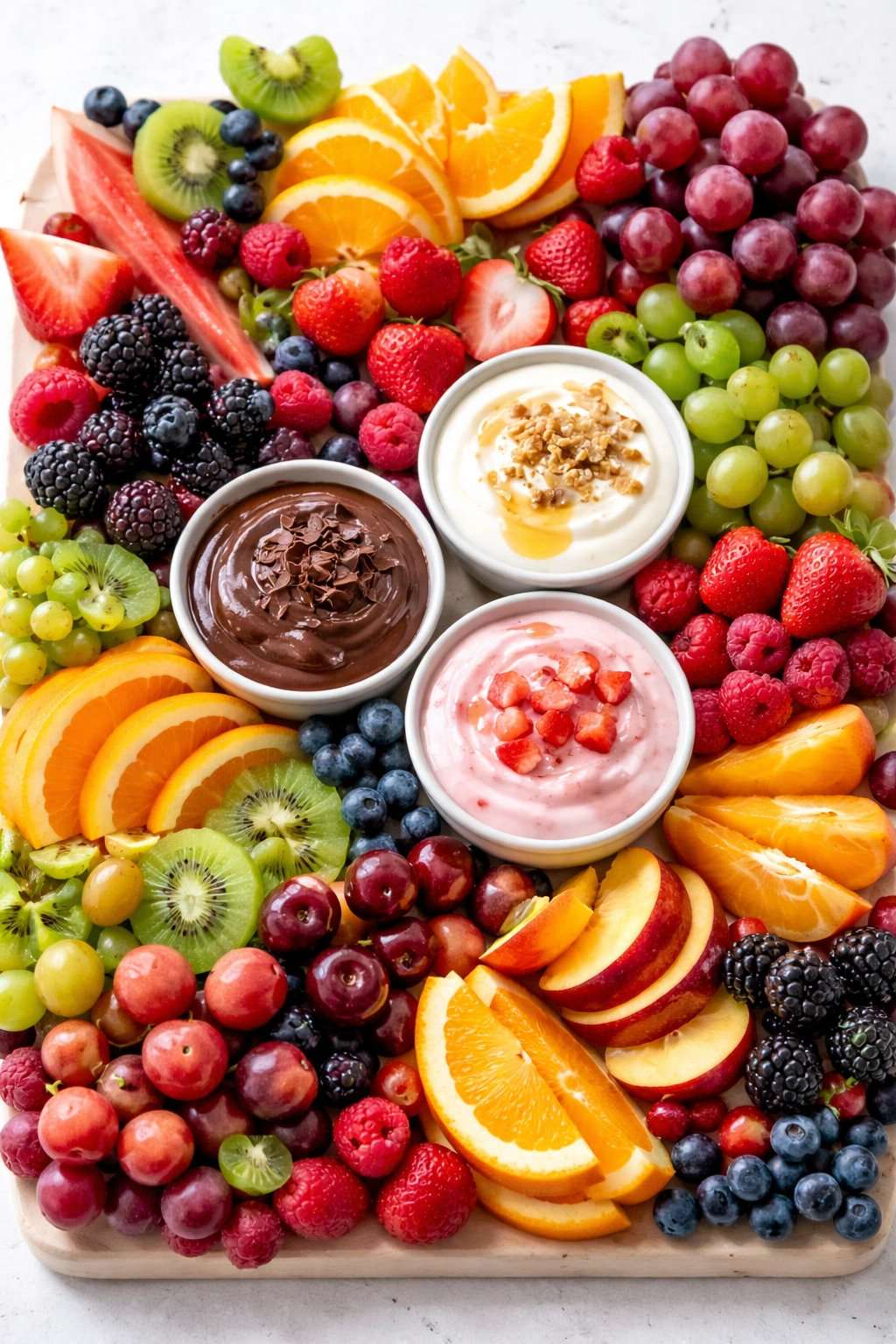
A beautiful fruit platter is the nutritional conscience on your snack board, and if it’s actually good, people will eat it. The secret isn’t the fruit itself—any grocery store has decent fruit. It’s the dipping sauces and the presentation.
Arrange fruit by color and type: berries in a cluster, stone fruit in slices, citrus segments, grapes on stems. The visual appeal makes people actually reach for it. Set out 2 to 3 dipping sauces: honey with fresh mint, a quick yogurt sauce with lemon and thyme, maybe a brown sugar and cinnamon dip. Small bowls nearby for people to collect fruit as they eat.
Sauce Ideas That Actually Get Used
Whip Greek yogurt with honey, lemon zest, and fresh mint. Thin Greek yogurt with a touch of honey and vanilla. Melt dark chocolate with a splash of cream and a pinch of sea salt. Blend ricotta with honey, fresh herbs, and lemon. These dips are simple, but they transform fruit from an obligation into something people actually want to eat.
Prep fruit no more than 2 to 3 hours before guests arrive. Longer than that and cut fruit starts oxidizing and looking tired. If you need to prep earlier, arrange it with cut side down on the board, cover loosely, and refrigerate.
Antipasto Cups and Mason Jar Containers
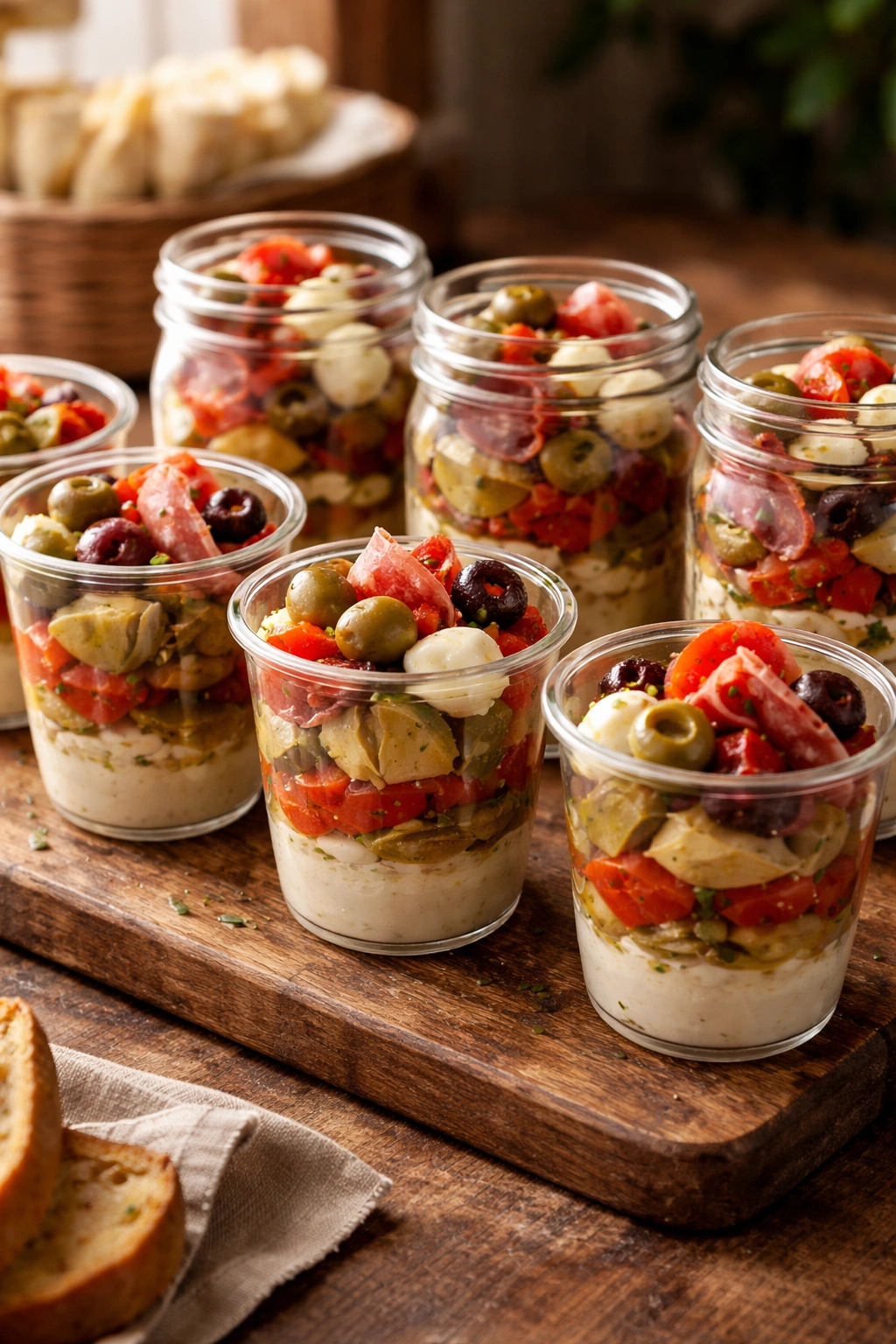
Layers of flavor and texture in a completely portable, easy-to-hold package—antipasto cups are the snack that looks like it takes effort but is actually just assembly.
Use small mason jars or disposable clear cups. Layer in this order: a small dollop of white beans or chickpea spread on the bottom, then marinated artichoke hearts, roasted red peppers, olives, fresh mozzarella cubes, salami or prosciutto, maybe some marinated vegetables. Drizzle with good olive oil and balsamic, hit with salt and pepper, and put a small fork or spoon in each jar.
These can be made hours ahead, refrigerated, and everything stays fresh and separate rather than becoming a soggy mess. They’re elegant enough to look intentional but practical enough that people can actually eat while holding a book.
Coconut Date Energy Balls
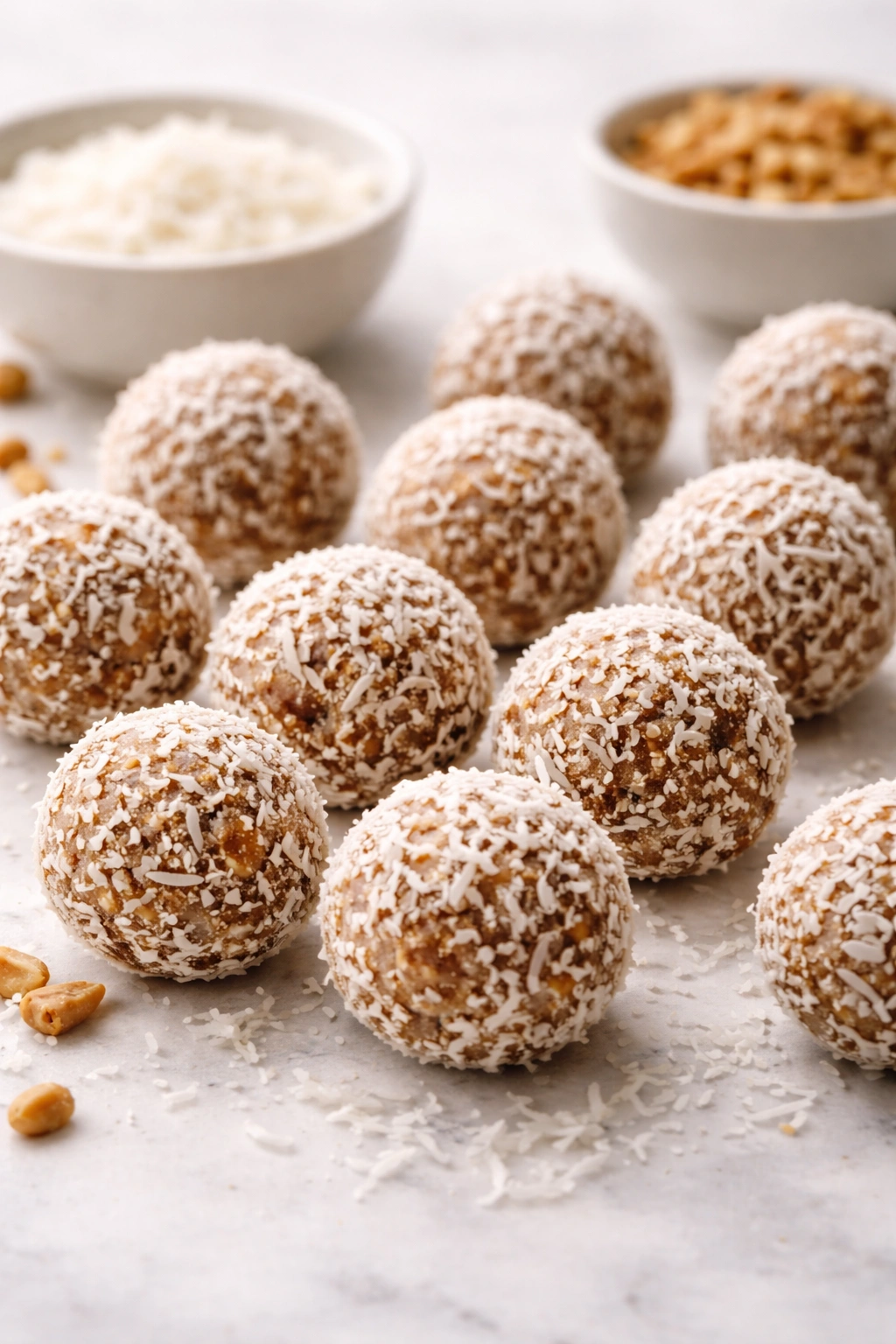
These taste like a serious treat but are basically just dates and coconut. Pit and blend dates with shredded coconut, a small amount of coconut oil, and maybe a pinch of sea salt. Roll into balls and roll in unsweetened shredded coconut, finely chopped nuts, or a cocoa powder mixture.
They’re naturally sweet, they don’t require any baking, and they feel like you made an actual candy. Make them a day or two ahead and they’ll firm up perfectly. Store in the fridge and they stay fresh for over a week.
Savory Popcorn Three Ways
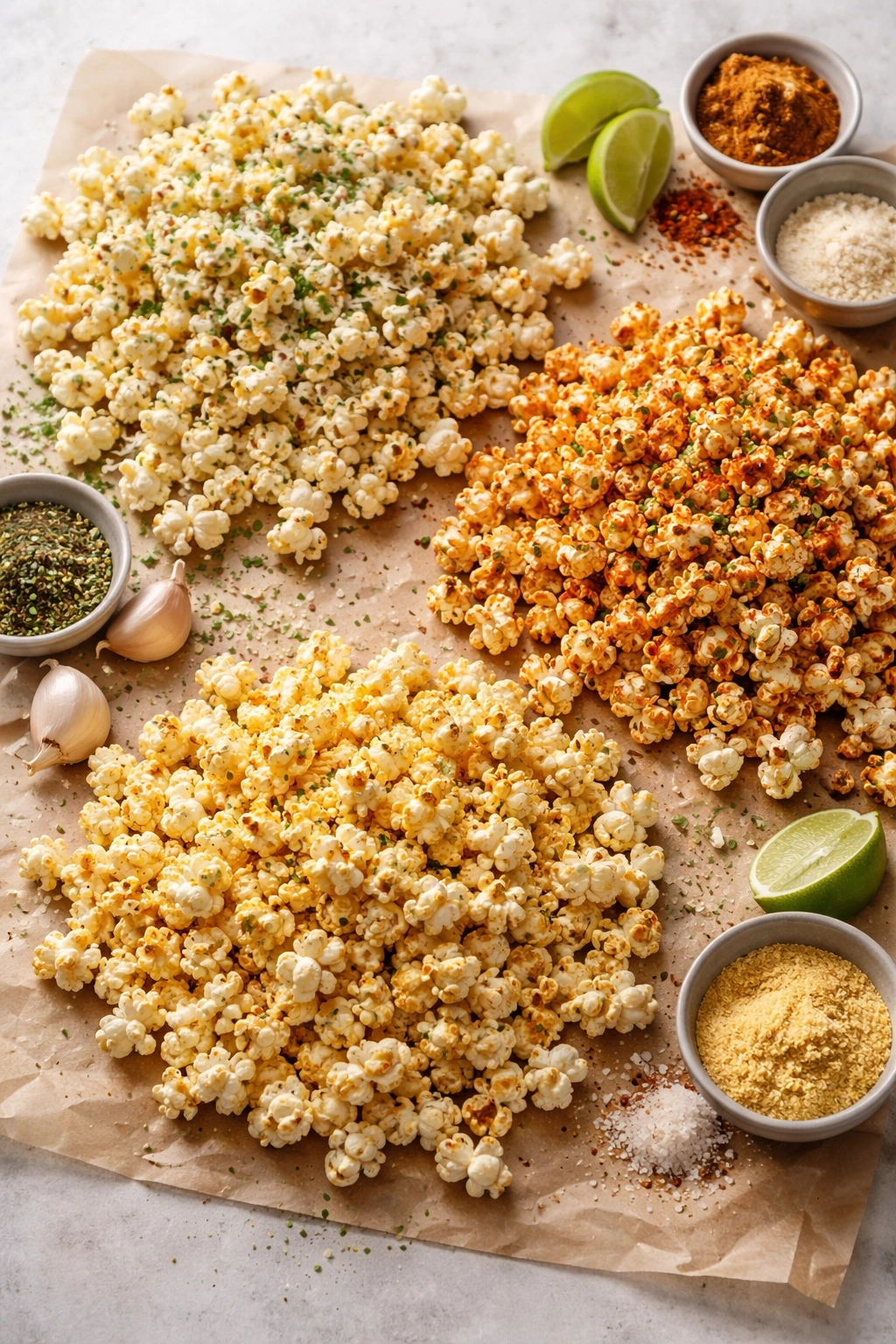
Popcorn is criminally underrated as a book club snack. It’s light, it doesn’t leave your fingers greasy, and you can make it ahead and store it in advance. Pop a big batch and divide it into thirds.
Toss one third with melted butter, grated Parmesan, and Italian seasoning. Toss another third with melted butter, lime zest, chili powder, and salt—a Mexican-inspired version. Toss the last third with melted butter, nutritional yeast, garlic powder, and smoked salt.
Spread each version on separate parchment, let cool and crisp up, then store in separate airtight containers. People can grab a small handful of whichever version appeals to them. It’s crunchy, it’s satisfying, and nobody’s fingers are greasy by the end of the night.
Tips for Preparing Snacks Ahead of Time
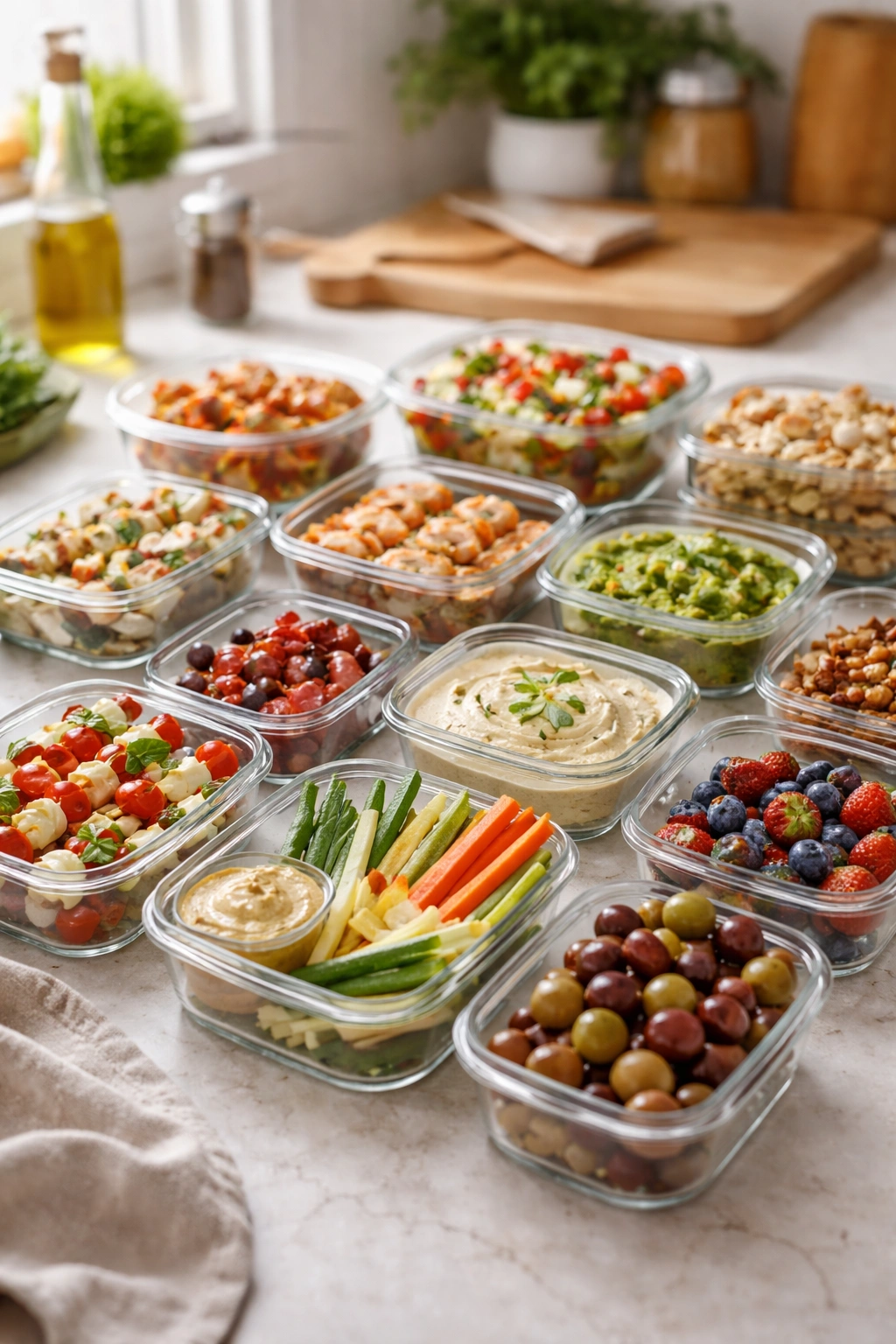
The best book club snack spreads don’t look like you spent all day cooking, but they actually do require some planning. Make lists of what components can be prepped days ahead versus what needs to stay fresh.
Things you can absolutely make days ahead: trail mix, granola bars, brownies, chocolate-dipped strawberries (up to a day), roasted chickpeas, energy balls, shortbread cookies, any dip or spread that’s not dairy-based. Things that are best made the morning of: the phyllo cups (assembled morning, baked before guests), whipped ricotta spread, fresh fruit platters, antipasto jars (can be made ahead, taste better if made a few hours before).
The night before, set out serving platters, label sticky notes for anything with common allergens, and plan your layout. Which snacks go in the living room versus the kitchen? What needs to be in bowls versus on boards? This mental rehearsal means you’re not scrambling when people arrive.
The Real Hosts’ Secret: Batch Cooking
Pick 2 to 3 snacks that can be made well in advance, 2 to 3 that are made the morning of, and 1 to 2 that are assembled right before people arrive. This system means you’re never suddenly panicked, and you have a mix of fresh and stable items on the board at all times.
Set a phone reminder the week before your book club to make the batch-ahead items. Set another for the morning of to handle the fresh-sensitive snacks. This turns snack prep from overwhelming into a series of small, manageable tasks.
Dietary Considerations and Allergy-Friendly Options
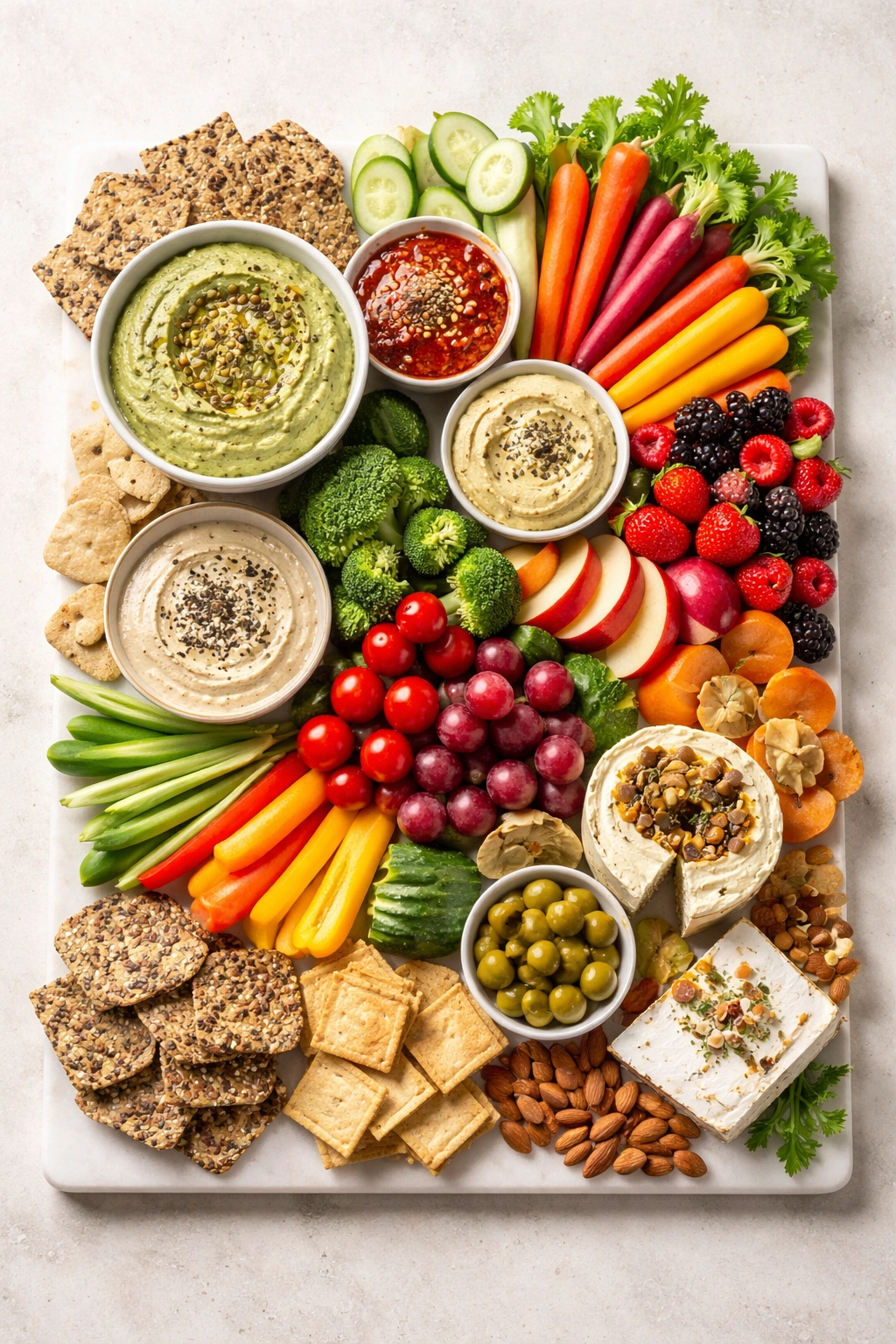
The only thing worse than showing up to book club with snacks nobody can eat is watching friends scan your spread and find nothing safe for their dietary needs. A simple solution is to ask your group ahead of time about allergies and dietary preferences.
For nut allergies, seed-based snacks work beautifully: sunflower seed butter instead of peanut butter, pumpkin seeds instead of almonds, tahini-based spreads. For gluten-free needs, you have options: naturally gluten-free snacks like cheese, fruit, vegetables, or nuts require no substitutions, and increasingly available GF crackers and flatbreads work perfectly.
For dairy-free or vegan friends, antipasto cups made with dairy-free cheese, hummus or seed-based spreads, and loads of vegetables work well. Nut or seed butters with fruit, energy balls made with dates and nuts, popcorn made with olive oil instead of butter—there are easy options. Dairy-free chocolate exists. If you’re serving a rich cheese board, having one or two strong dairy-free options means everyone feels included.
The easiest approach is to build one section of your snack board that’s naturally aligned with common dietary needs, then label it clearly. Or ask your group what they need and make one or two snacks specifically with them in mind. People remember being thoughtfully included far longer than they remember eating regular cheese.
Final Thoughts
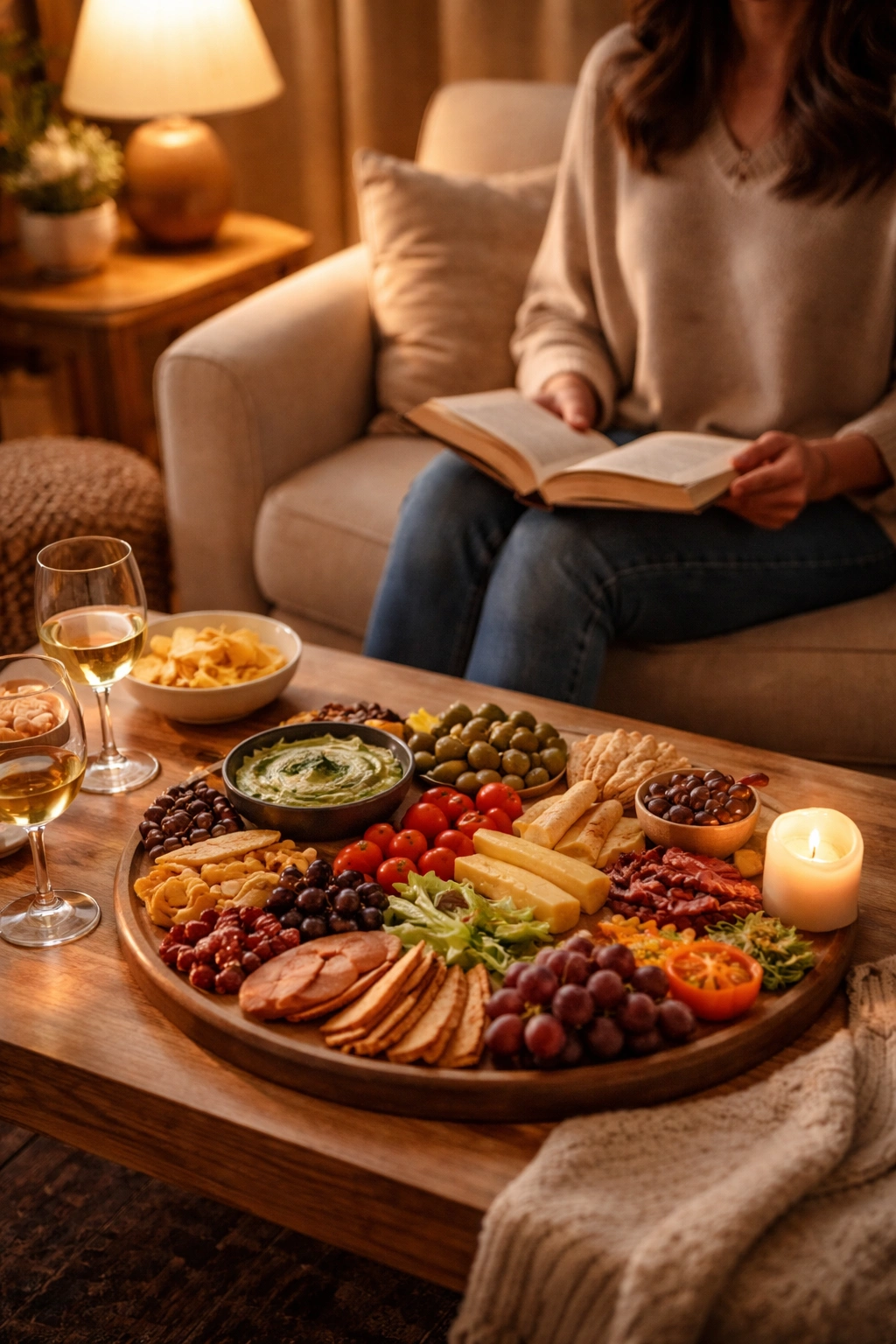
The best book club snack spread isn’t about impressing anyone with complicated recipes or Instagram-worthy arrangements. It’s about feeding your people something delicious that allows them to relax into conversation without thinking about food. It’s having enough variety that everyone finds something they actually want to eat. It’s being thoughtful enough that prep doesn’t consume your entire day before people arrive.
Start with 2 to 3 snacks you’re confident making—maybe a board you’ve done before, one baked good, and something fresh. Once you’ve hosted successfully once, you’ll know exactly what your group gravitates toward, what actually gets eaten, and what sits untouched. That knowledge becomes your guide for next time.
Remember that homemade usually beats purchased for taste, but there’s absolutely no shame in combining made snacks with excellent store-bought components. A board with one really good thing you made and several high-quality things you bought beats a board of all homemade items that stressed you out. People are there for the book, the discussion, and genuine connection. The snacks are the supporting act, not the main event—but they’re a lovely one nonetheless.
