



If you’ve ever bitten into a forkful of creamy potatoes, melted cheese, and tender ham all in one bite, you understand exactly why this casserole earns a permanent spot on family dinner tables everywhere. This isn’t just a side dish—it’s the kind of meal that makes people ask for seconds before they’ve finished their first serving, the dish that gets requested for birthdays and holidays, and the recipe that somehow tastes even better the next day.
What makes a cheesy ham and potato casserole truly unforgettable has nothing to do with fancy techniques or exotic ingredients. Instead, it’s about understanding how simple, honest components—potatoes, ham, cheese, and a silky cream sauce—can come together to create something so deeply satisfying that it transcends being merely “good” and becomes genuinely craveable. The magic lies in the details: knowing exactly when to par-boil your potatoes so they’re tender but not mushy, understanding which cheese melts to creamy perfection, and discovering how to build a sauce that coats every piece without becoming heavy or gluey.
This casserole has an almost universal appeal that crosses age groups, dietary preferences, and cooking skill levels. Whether you’re a beginner cook nervous about your baking abilities or an experienced cook looking for reliable comfort food, this dish rewards you with consistent, delicious results. It’s become a family staple for good reason—it’s forgiving, adaptable, makes excellent use of leftovers, and genuinely nourishes both body and soul on the evenings when everyone’s tired and hungry.
Why This Casserole Becomes a Family Favorite
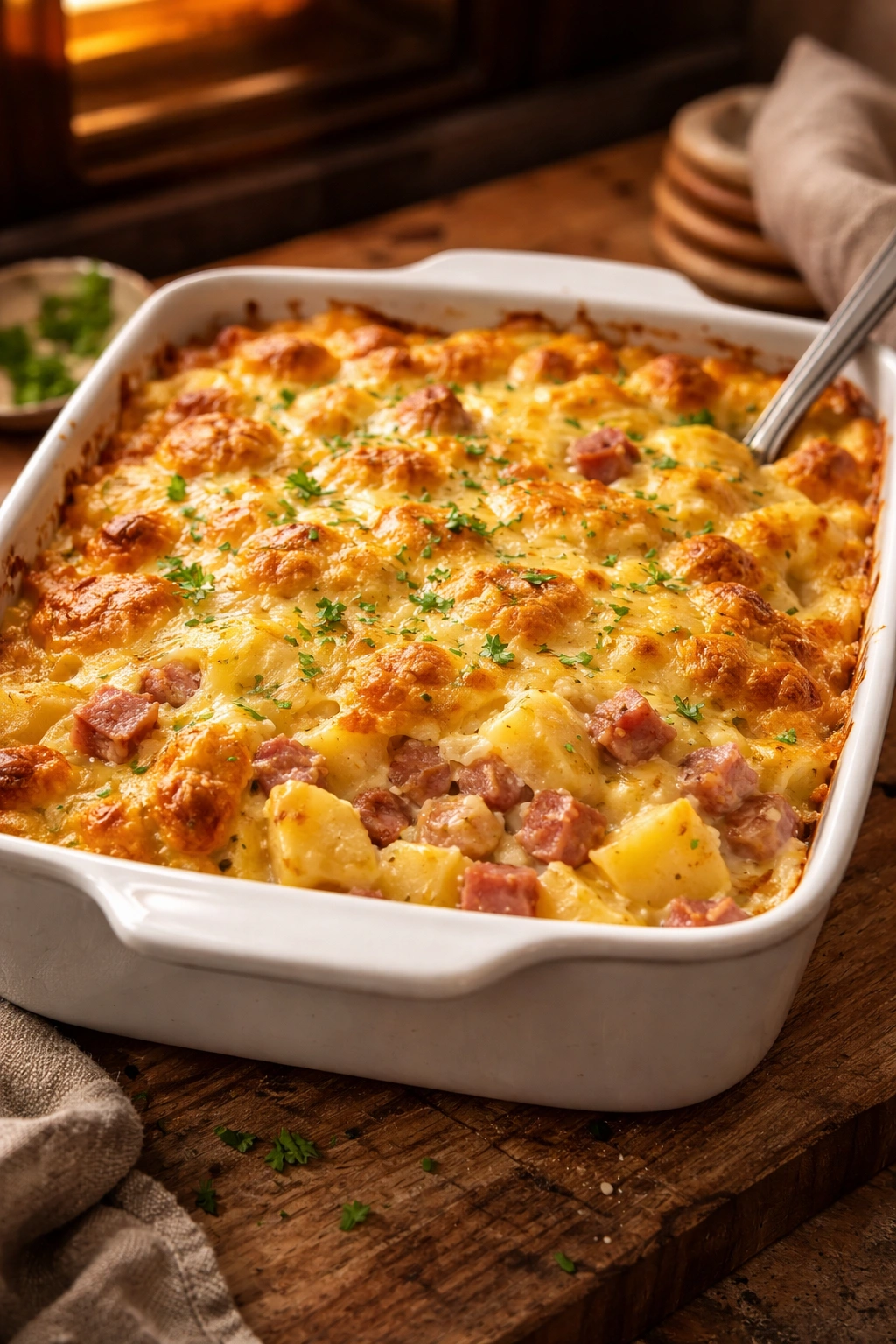
There’s something about pulling a bubbling, golden-topped casserole from the oven that immediately signals comfort and care. This dish doesn’t try to impress through complexity; instead, it earns its place at the table through pure, unpretentious deliciousness. Every element serves a purpose, and every bite delivers exactly what your palate expects—creamy, cheesy, salty, and deeply satisfying.
Part of what makes this casserole so beloved is its versatility. It works equally well as a casual weeknight dinner, a brunch centerpiece, a side dish at holiday gatherings, or even a breakfast option. Serve it with a simple salad and fresh bread, or pair it with roasted vegetables and it becomes a complete meal. There’s truly no wrong context for this dish.
The other secret to its popularity is how efficiently it uses ingredients. If you’ve just finished a holiday ham, this casserole becomes the ideal way to transform those leftovers into something that tastes completely different from the original meal. Even without leftover ham, picking up a ham steak from the grocery store deli is affordable and convenient. You’re not buying expensive specialty ingredients or hunting for hard-to-find items—just honest, accessible components that most kitchens stock regularly.
The Story Behind Cheesy Ham and Potato Comfort Food
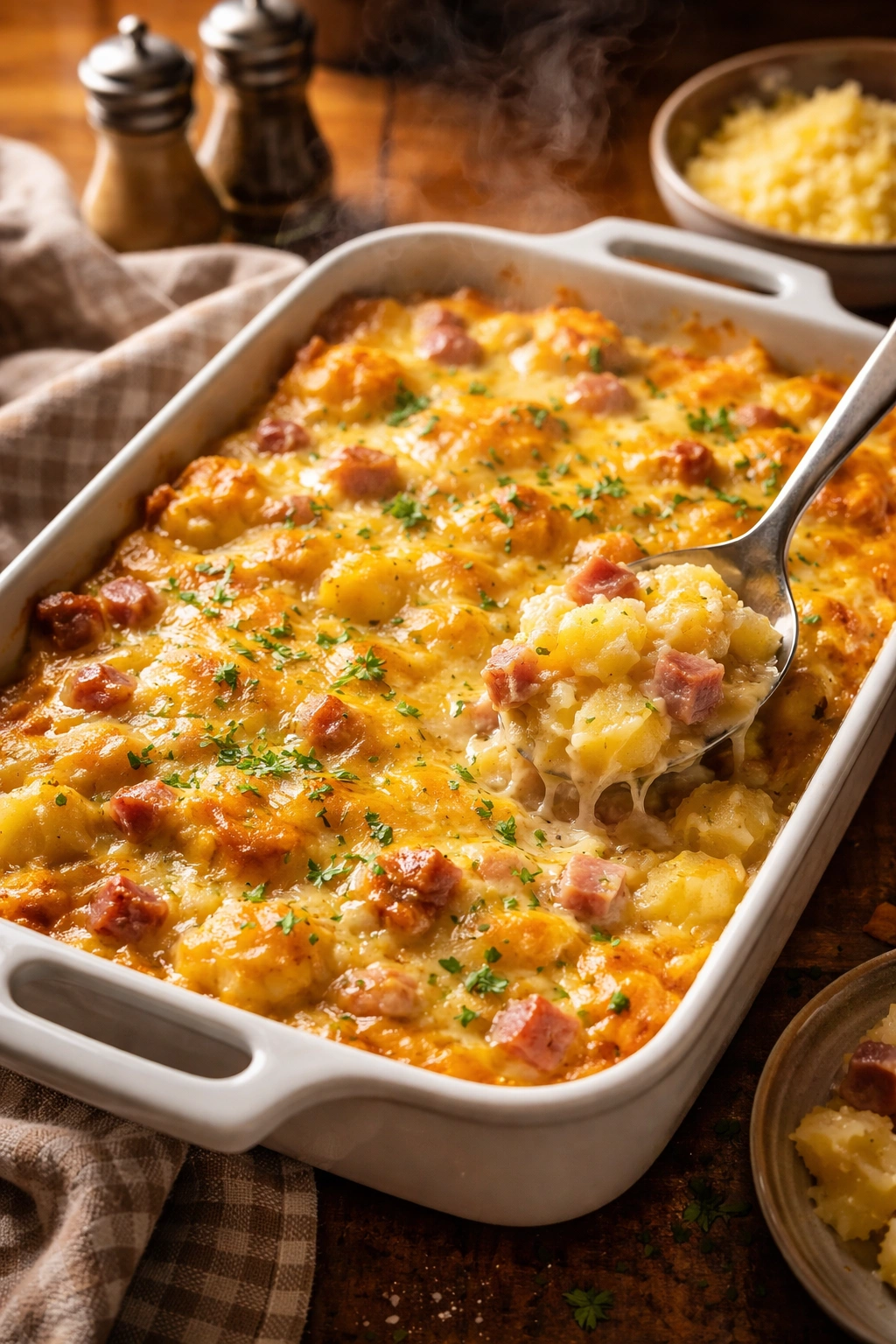
Casseroles have a long history in home cooking, particularly in American households where they’ve served as the ultimate practical dinner solution. The combination of ham and potatoes specifically traces back centuries to both European and American traditions of using what was available and preserved through winter months. Ham, being a preserved meat, paired beautifully with potatoes—a crop that stored well and could be prepared countless ways.
The modern cheesy version we know today developed largely throughout the 20th century as cream soups, processed cheese, and home ovens became standard kitchen features. What began as a practical way to stretch ingredients evolved into a beloved comfort food tradition. Many families have their own version of this recipe, passed down through generations with slight tweaks and personal touches that make it uniquely theirs.
What’s remarkable is how this dish has remained popular despite food trends constantly shifting. While cooking fashions come and go, this casserole stays relevant because it delivers something people genuinely crave—warmth, abundance, and the satisfaction of real food that tastes good. It’s the kind of recipe that doesn’t require any justification or explanation. No one questions whether casserole is “cool” enough to serve; they just want a big helping of it.
What Makes the Perfect Cheese and Ham Combination
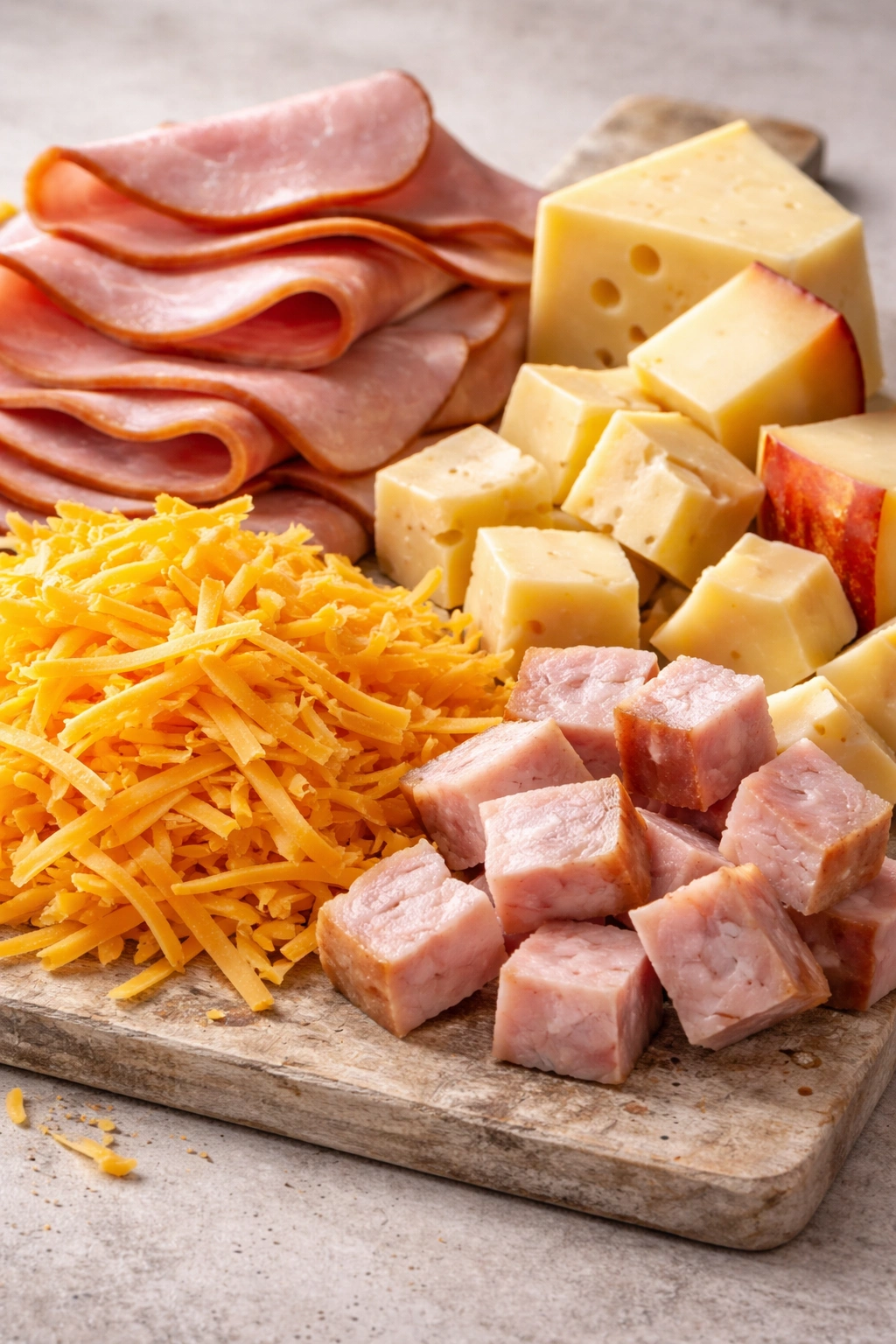
The cheese you choose dramatically influences how this entire dish comes together. Sharp cheddar has become the classic choice for good reason—its bold, tangy flavor cuts through the richness of the cream sauce and balances the saltiness of the ham perfectly. The sharpness adds complexity that mild cheddar simply cannot provide. If you grate your own cheese from a block rather than using pre-shredded, you’ll notice an immediate improvement in how smoothly it melts and how the sauce coats the potatoes.
That said, you’re not limited to cheddar. Gruyere adds a sophisticated nuttiness that pairs beautifully with ham. Smoked gouda brings an extra layer of richness and a subtle smokiness that complements the ham without overwhelming it. Fontina is wonderfully creamy. Some cooks swear by a blend of cheeses—perhaps cheddar combined with a bit of Gruyere or Gouda. The important factor is choosing cheese that melts smoothly and has enough flavor to taste distinctive in the finished dish.
Ham selection matters equally. The difference between high-quality ham and budget ham is noticeable in the final dish. Better ham has cleaner flavor, better texture, and less of an artificial aftertaste. Whether you use leftover baked ham from a special dinner or purchase a ham steak from the deli, look for ham that’s been properly cured and doesn’t have a soapy or overly chemical flavor. The ham should taste like, well, ham—not a list of additives.
The proportion of ham to potatoes affects how the dish tastes overall. Too little ham and it reads as a potato casserole that happens to have some ham in it. Too much ham and the texture becomes dry and the flavor overwhelming. The ideal ratio is roughly one part ham to two parts potatoes by volume, which means if you have six cups of cubed potatoes, three cups of ham is perfect. This allows the ham to be a significant flavor presence without dominating the dish.
Choosing Your Potatoes for the Best Texture
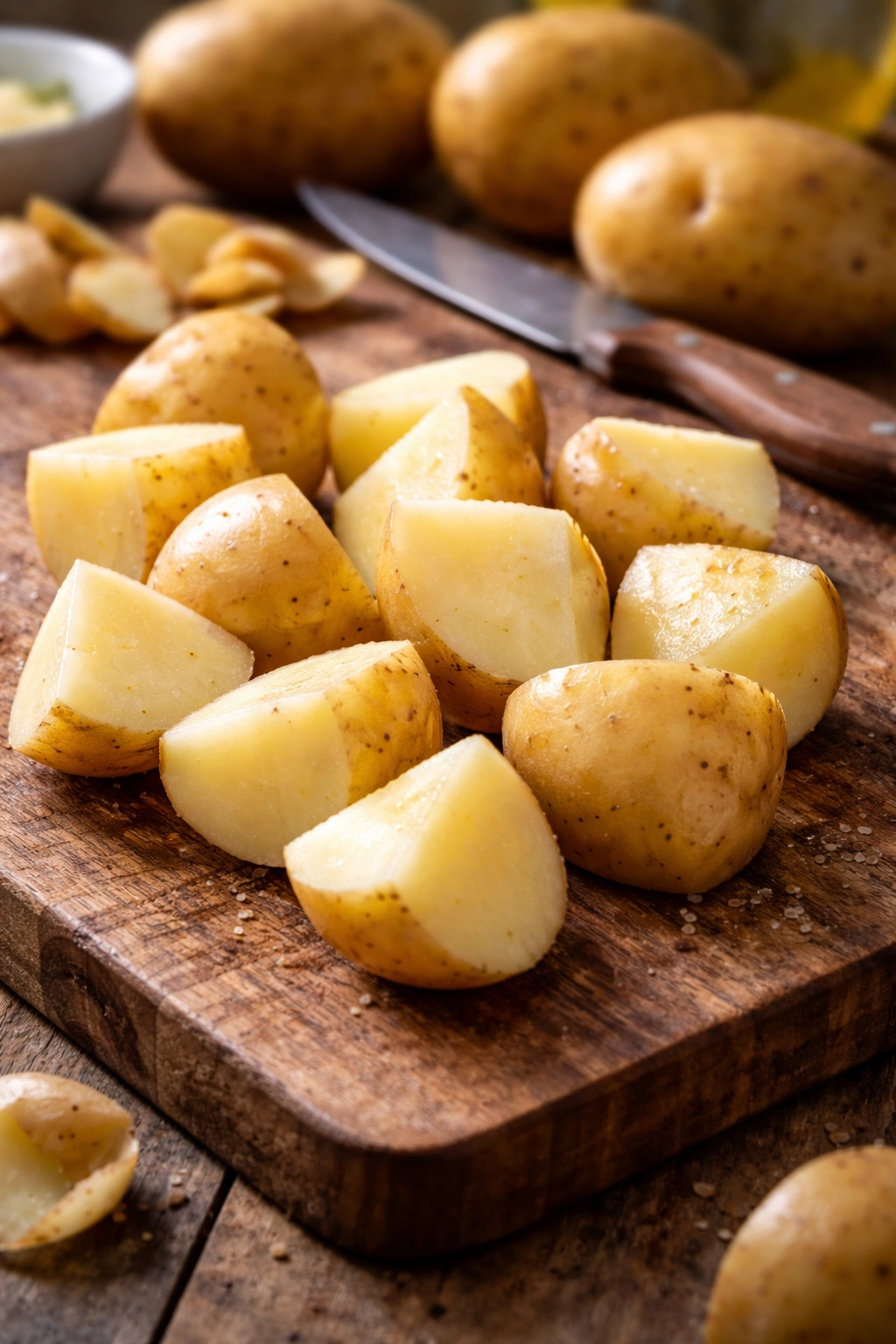
Potato selection influences texture more than most cooks realize. Russet potatoes are starchy and somewhat fluffy, which means they can break down during cooking if handled roughly. Yukon Gold potatoes have waxy interiors and thin, tender skins, making them forgiving and creamy. Red potatoes hold their shape beautifully but can be slightly waxy, which affects how they absorb sauce. For this specific casserole, Yukon Gold potatoes are genuinely the superior choice because they cook relatively quickly, maintain their shape during baking, and have a naturally buttery flavor that complements both the ham and cheese without requiring any butter additions to taste good.
If Yukon Gold potatoes aren’t available or you prefer something different, Russets work fine if you’re gentle during mixing and don’t over-handle them. Red potatoes also work beautifully, though they may cook slightly faster than Yukon Golds because they’re generally smaller. Whatever type you choose, cut the pieces uniform in size so everything cooks at the same rate. Uniform pieces are far more important than the potato variety—inconsistent sizing leads to some pieces being mushy while others remain too firm.
The size of your potato cubes determines cooking time significantly. Small, uniform cubes (approximately ½ to ¾ inch) cook through in the oven without requiring extensive par-boiling, which preserves the potatoes’ texture better. Larger chunks require longer cooking time and risk becoming mushy on the outside before the center fully cooks. Very small pieces can shred and become mealy. The medium-size cube strikes the perfect balance between quick cooking and maintaining structural integrity.
Preparing Fresh Potatoes vs. Frozen Options
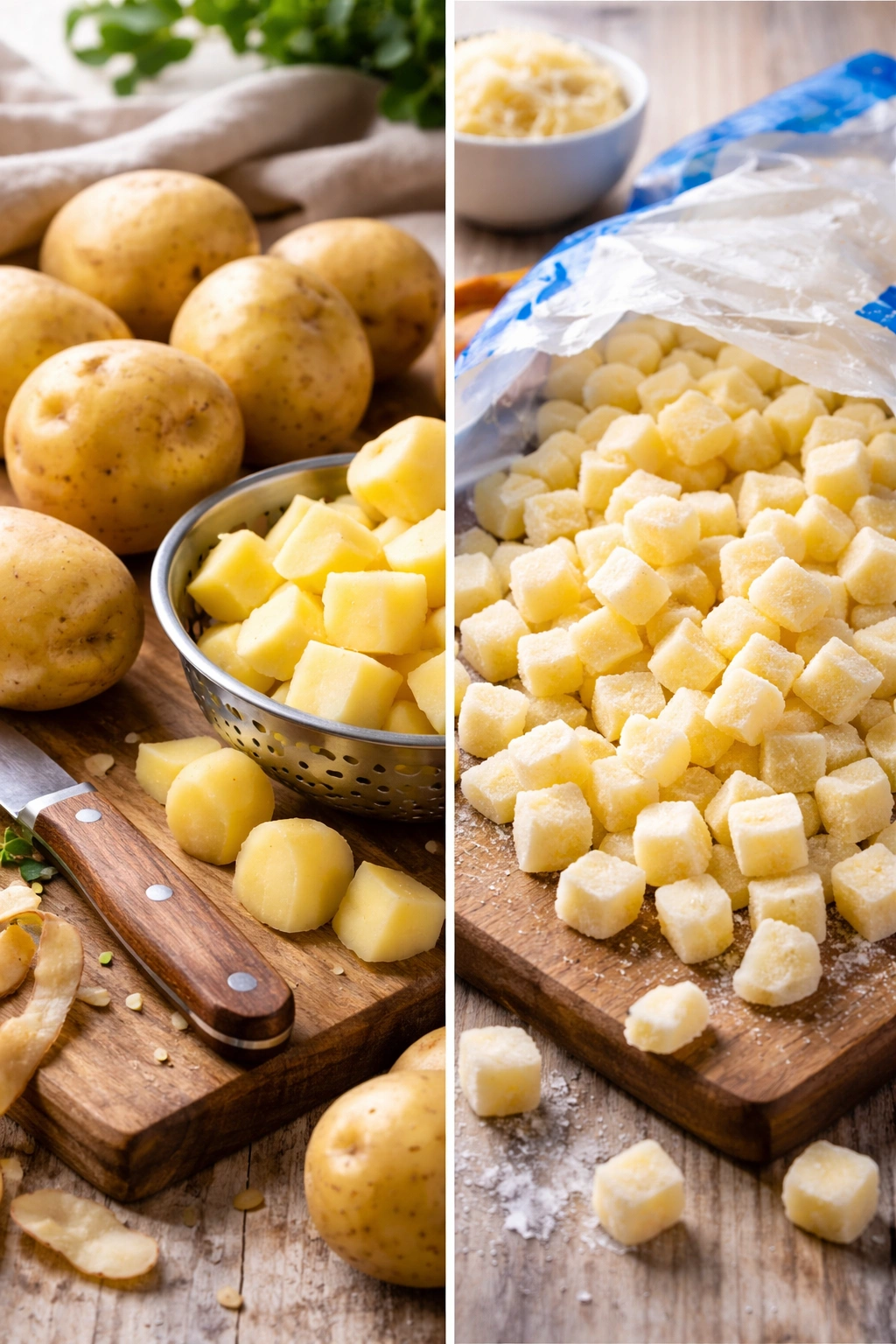
Many recipes suggest using frozen hash browns as a convenience shortcut, and while frozen potatoes do save prep time, there are trade-offs worth understanding. Frozen hash browns are already partially cooked and release significant water into the casserole as they thaw, which can make the finished dish watery if you’re not careful. They also have a different texture—somewhat softer and less distinct—than fresh potatoes that you’ve controlled throughout cooking.
Fresh potatoes give you complete control over texture and allow you to stop cooking at exactly the right moment. When you par-boil fresh potatoes for just five to six minutes, they’re partially softened but still have structure and bite. They continue cooking gently in the oven and reach perfect tenderness exactly when the sauce thickens and the cheese melts. Fresh potatoes also absorb the cheese sauce better, resulting in more flavorful bites throughout.
If you do choose frozen hash browns for convenience, use them but expect to adjust your liquid ratios slightly. Use a bit less milk in your sauce since the thawing potatoes will contribute liquid. Also, don’t skip the par-boiling step; even though they’re already partially cooked, brief cooking helps them release their water before mixing, so less moisture ends up in the finished dish. Pat the thawed potatoes dry with paper towels before adding them to the mixture—this extra step makes a genuine difference in preventing a soupy casserole.
The Creamy Sauce That Binds Everything Together
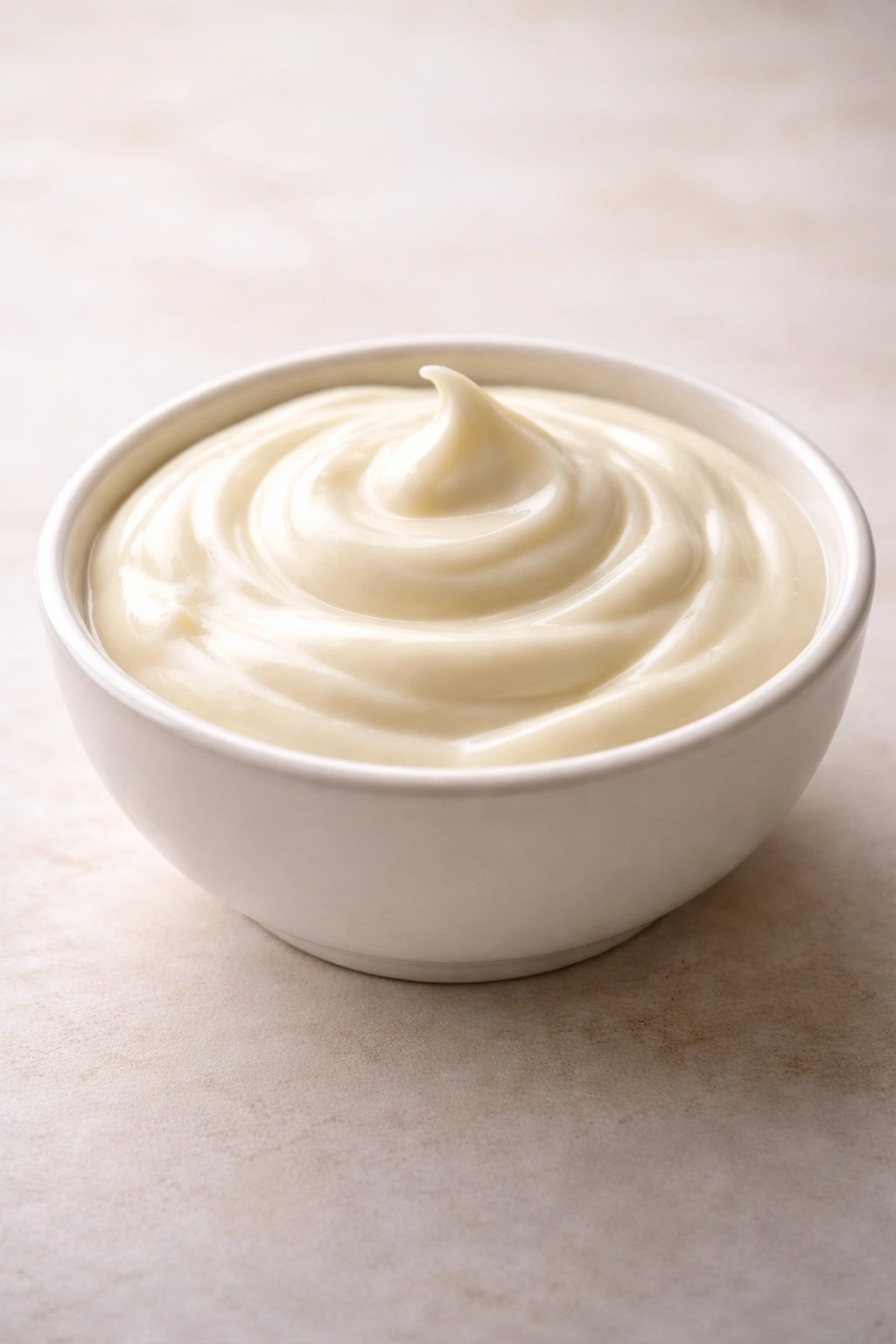
The sauce is arguably the most important component of this casserole. Too thick and it becomes gluey and heavy. Too thin and it runs off the potatoes, leaving dry pockets throughout the dish. The ideal consistency is creamy enough to coat every piece but thin enough that it flows gently through the casserole during baking.
Two approaches work well: making a traditional béchamel or cream sauce from scratch, or using cream of chicken soup as your base. The from-scratch approach gives you complete control over flavor and allows you to customize seasonings precisely. A homemade sauce starts with butter and onions sautéed until softened, then flour is whisked in to create a roux that thickens when milk or broth is added. Once the base thickens, you stir in cheese, seasonings, and perhaps a touch of sour cream for richness.
The cream of chicken soup approach is genuinely convenient and produces delicious results. The soup provides creaminess, thickening ability, and seasoning all in one ingredient. When you add milk to the soup and stir in melted butter and cheese, you get a sauce that’s foolproof and tastes great. Some cooks combine both approaches, using cream soup for convenience but adding a little flour as insurance against excessive thinness.
Whichever method you choose, taste and season the sauce before adding it to the casserole. This is your only opportunity to adjust flavors. The sauce should taste noticeably cheesy and well-seasoned—salty enough to make you notice it, with depth from garlic powder, onion powder, or even a touch of Dijon mustard or smoked paprika. Remember that the potatoes and ham will dilute flavors somewhat, so the sauce should taste quite robust on its own.
Why Par-Boiling Potatoes Changes Everything
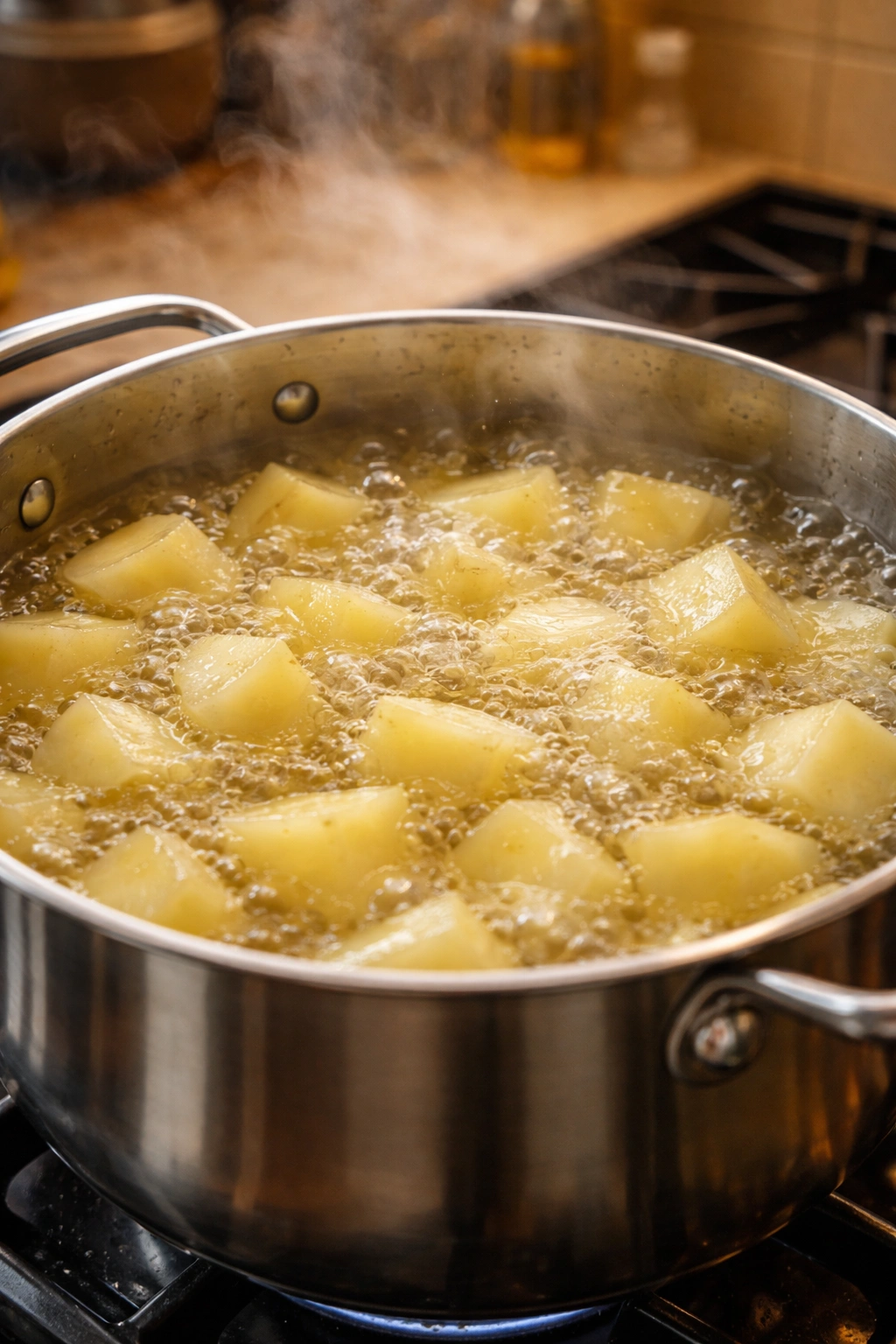
Par-boiling sounds like an extra step, but it’s the difference between a casserole that’s done baking in 30-35 minutes and one that takes nearly an hour. More importantly, it’s the difference between perfectly cooked potatoes and a mixture of some overcooked, mushy pieces and some undercooked, firm pieces.
Here’s what happens during par-boiling: the heat penetrates the outer layers of the potato pieces, beginning the cooking process. The insides remain mostly raw, but the outsides start softening. When you place these par-boiled potatoes in the oven with the sauce, the gentle, moist heat of the casserole finishes cooking them evenly from all directions. The entire piece reaches doneness at approximately the same time, rather than the outer edges overcooking while the center remains hard.
The ideal par-boiling time is five to six minutes at a rolling boil—long enough that the potatoes are noticeably softened but still have firmness and you can’t easily pierce them with a fork. If you boil them longer, say eight to ten minutes, they’ll start breaking apart during mixing or become mushy during baking. Underboiling for just two or three minutes doesn’t provide enough head start, and the casserole takes significantly longer to bake. Five to six minutes is the sweet spot.
Not par-boiling means adding 20-25 extra minutes to your baking time, which risks drying out the top of the casserole and cooking the ham too much. It’s genuinely better to take five minutes to par-boil than to let the oven do all the work. Your finished dish will have better texture, creamier potatoes, and more flavorful ham because everything cooks more gently and evenly.
Building Layers for Even Cooking and Flavor Distribution
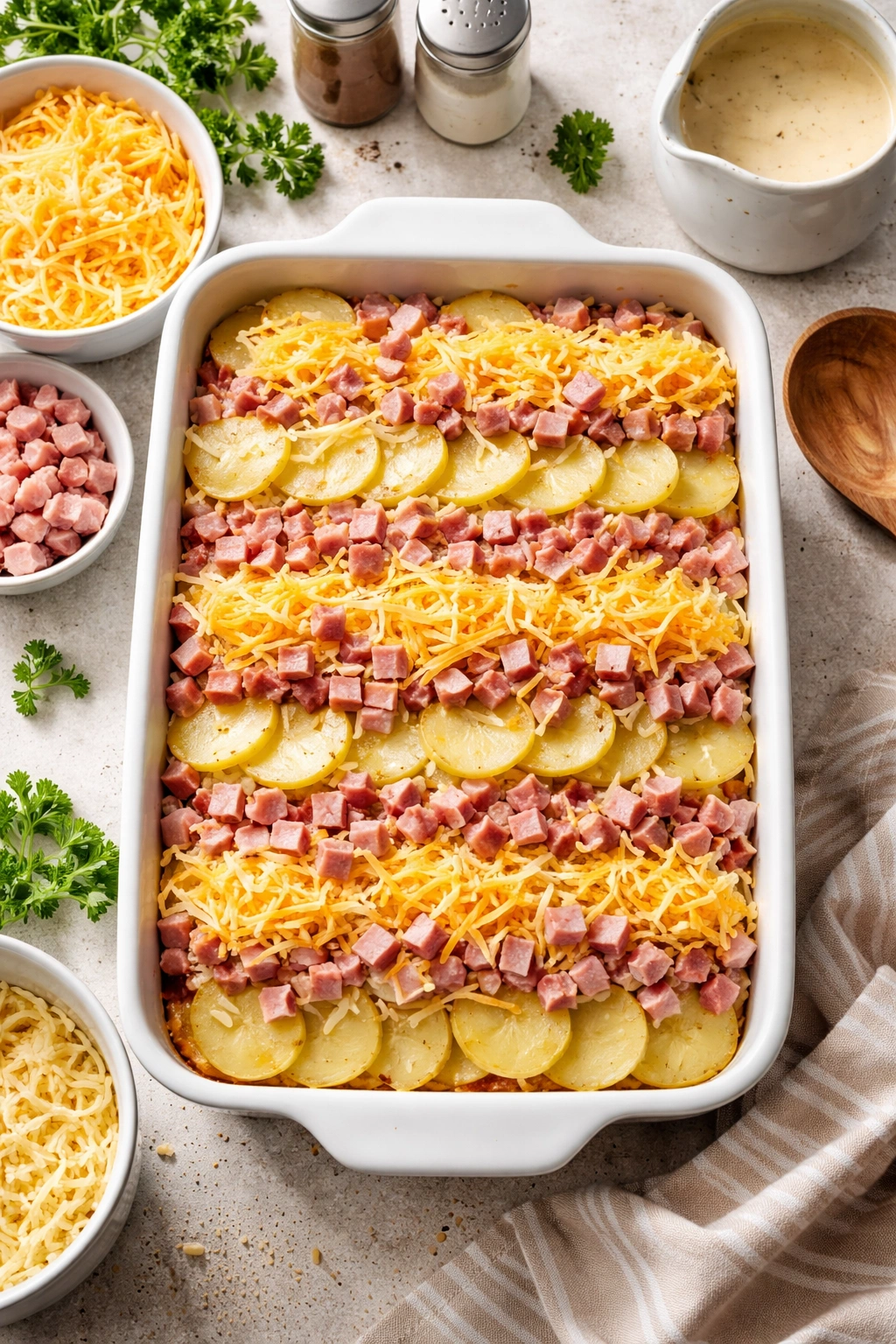
How you assemble the casserole influences which pieces end up at different temperatures during baking. Some cooks prefer layering—putting down a portion of potatoes, sprinkling ham and cheese, then more potatoes, then more ham and cheese. Others prefer mixing everything together gently and transferring the mixture to the dish as one combined mass.
Mixing everything gently in a large bowl is actually the superior method. When you combine the par-boiled potatoes, ham, cheese, and sauce in a bowl, then transfer to the baking dish, you ensure even distribution throughout. Every spoonful contains a proportional amount of ham, cheese, and sauce. Layering can result in some sections being cheese-heavy while others have less cheese. Mixing also ensures that the sauce has contacted all the potatoes before baking, which means they begin absorbing flavor immediately rather than waiting for sauce to permeate downward.
When mixing, use gentle motions—fold the ingredients together rather than vigorously stirring. Vigorous stirring breaks the potatoes apart, especially if they’re already fairly soft from par-boiling. A large rubber spatula is perfect for this task because it gently folds components together without crushing anything. The goal is even distribution while maintaining the structural integrity of the potato pieces.
Spread the mixed casserole into your prepared dish in an even layer, gently evening out the top with your spatula. Don’t press down hard; just spread and level. Leave a small space at the top of the dish because the casserole will rise slightly during baking as the sauce bubbles. Top with reserved cheese and slide into the oven. That reserved cheese will melt and brown slightly, creating a delicious crust that’s part of the appeal.
Common Mistakes That Ruin This Casserole (And How to Avoid Them)
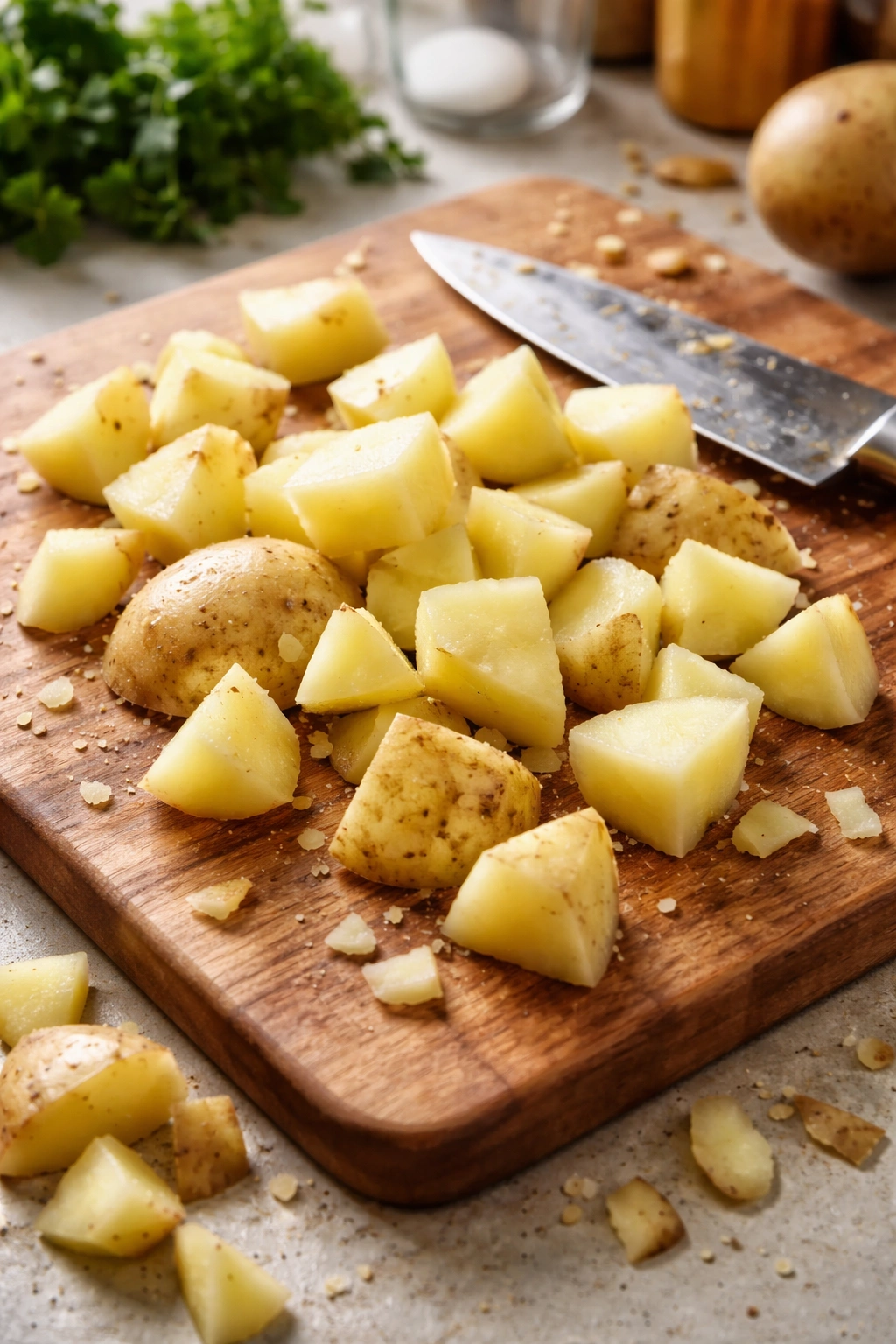
The most common error is cutting potatoes inconsistently, which leads to uneven cooking. You end up with a mix of textures—some pieces are creamy and perfect, while others are still firm. Spend two minutes extra cutting uniform pieces and you’ve solved this problem entirely.
Another frequent mistake is not par-boiling or under-par-boiling the potatoes. Cooks often skip this step thinking they’re saving time, only to discover the casserole bakes for over an hour and by then everything’s either mushy or still not fully cooked. Trust the par-boiling step. It’s not busywork; it’s essential.
Over-handling the mixture when combining ingredients breaks the potatoes apart. If you’re stirring vigorously or mixing multiple times, you’re destroying texture. Mix once, gently, transfer to the dish, and leave it alone until it goes in the oven.
Not seasoning the sauce adequately is another common issue. The sauce should taste quite strongly seasoned on its own because it will be diluted by the potatoes and ham. Many cooks under-season and end up with a casserole that tastes bland or one-dimensional. Taste the sauce and add more salt, pepper, garlic powder, or whatever seasonings you prefer. Make it taste good before you pour it over the potatoes.
Using pre-shredded cheese that’s been sitting for a while is worth avoiding. Old pre-shredded cheese doesn’t melt smoothly because the anti-caking agents have absorbed moisture and the cheese has begun separating. Grate fresh cheese from a block and you’ll immediately notice a difference in smoothness and melting quality.
Adding the casserole to the oven while it’s still hot from mixing is actually fine, but allowing it to rest at room temperature for 15-20 minutes before baking can produce slightly more even cooking. The residual heat distributes evenly throughout before baking begins, rather than the outer edges already being warm when the oven heat hits. This is optional but worth trying if you have time.
Make-Ahead Strategies for Busy Families
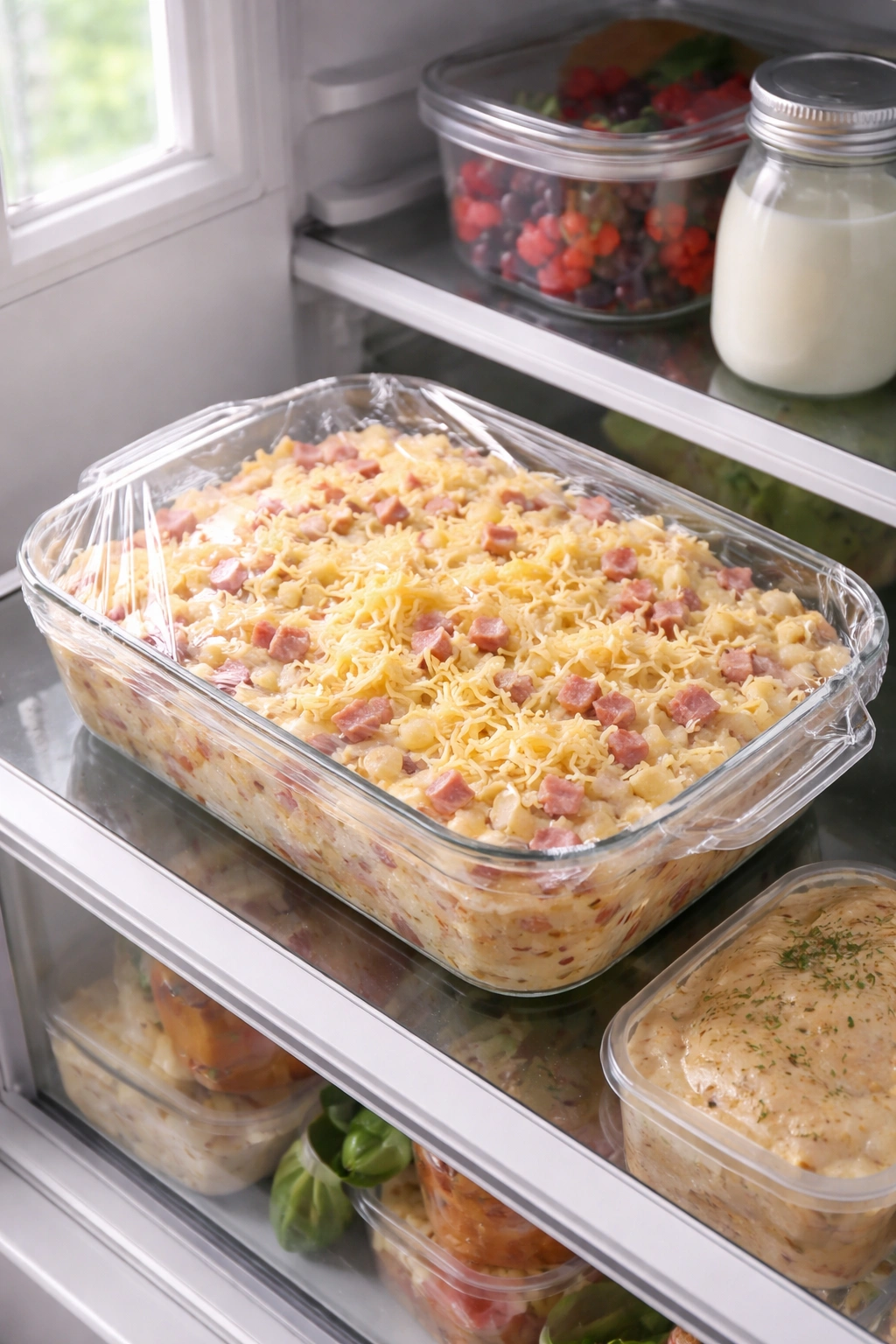
The beauty of casseroles is their make-ahead friendliness. You can fully assemble this casserole and refrigerate it, unbaked, for up to 24 hours before cooking. In fact, many cooks find that allowing it to sit overnight helps flavors meld together slightly and improves the finished dish.
To make ahead, assemble the casserole completely—mix the potatoes, ham, and sauce together, transfer to the baking dish, top with cheese, cover tightly with plastic wrap or aluminum foil, and place in the refrigerator. When you’re ready to bake, remove it from the fridge and let it sit at room temperature for 20-30 minutes while you preheat the oven. This prevents shocking the cold casserole with direct oven heat, which can create uneven cooking.
Add 10-15 extra minutes to your baking time if the casserole went straight from the fridge into the oven without resting. If you allowed it to reach room temperature, the original baking time should be accurate. Watch for it to be bubbling around the edges and have a golden top before you declare it done. The timing adjustments account for the casserole being colder throughout when it enters the oven.
You can also prepare the individual components in advance and assemble on the day you want to bake. Par-boil and drain the potatoes, dice the ham, prepare the sauce, and grate your cheese. Store everything separately in the fridge, then combine everything the morning of baking. This method provides flexibility if your schedule is unpredictable but requires more active work on cooking day.
Storage, Reheating, and Leftover Magic
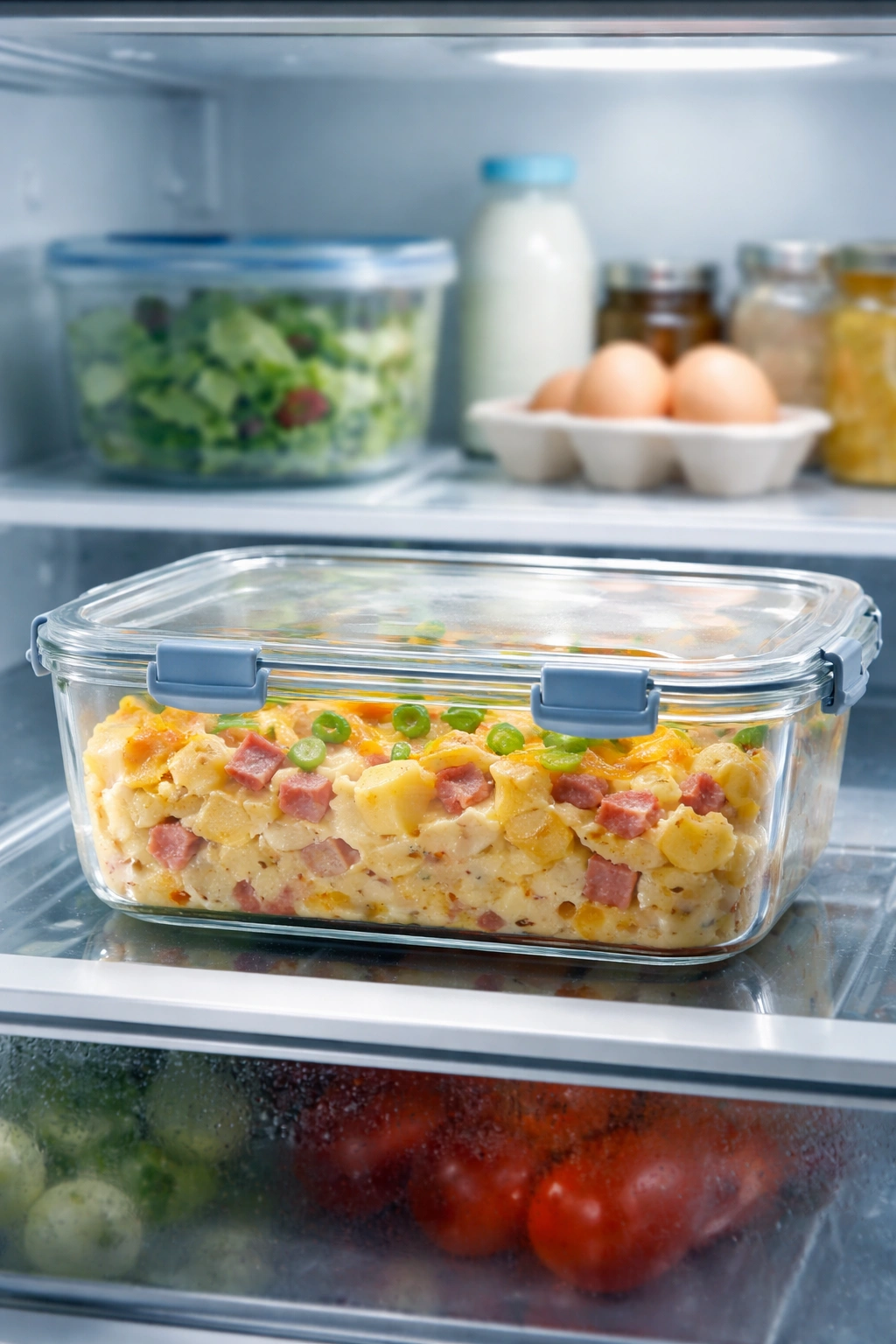
Properly stored leftovers will keep in an airtight container in the refrigerator for three to five days. The casserole continues to firm up slightly as it cools, which many people prefer. Some cooks actually make this dish specifically so they’ll have excellent leftovers for easy lunches.
Reheating can be done several ways depending on how much you’re warming and how much time you have. For individual portions, the microwave works fine—heat at 50% power for a minute or two, stirring occasionally, until warmed through. For larger amounts, the oven is superior because it reheats more evenly and gently. Cover the dish with foil and reheat at 350°F for about 20 minutes until it’s hot throughout. The foil prevents the top from browning excessively while the center catches up in temperature.
Freezing works beautifully if you’re doubling the recipe or know you’ll have extras. Let the casserole cool completely, then cover tightly with plastic wrap followed by aluminum foil. Freeze for up to three months. Thaw overnight in the refrigerator, then reheat as described above, adding an extra 10 minutes to the heating time since it’s coming from a cold state.
Some cooks have discovered that frozen and reheated casserole actually tastes better than fresh because the flavors have time to fully meld. The texture remains creamy and delicious rather than becoming mushy or drying out, which is the risk with some other dishes when frozen and reheated.
Variations to Keep It Fresh and Exciting
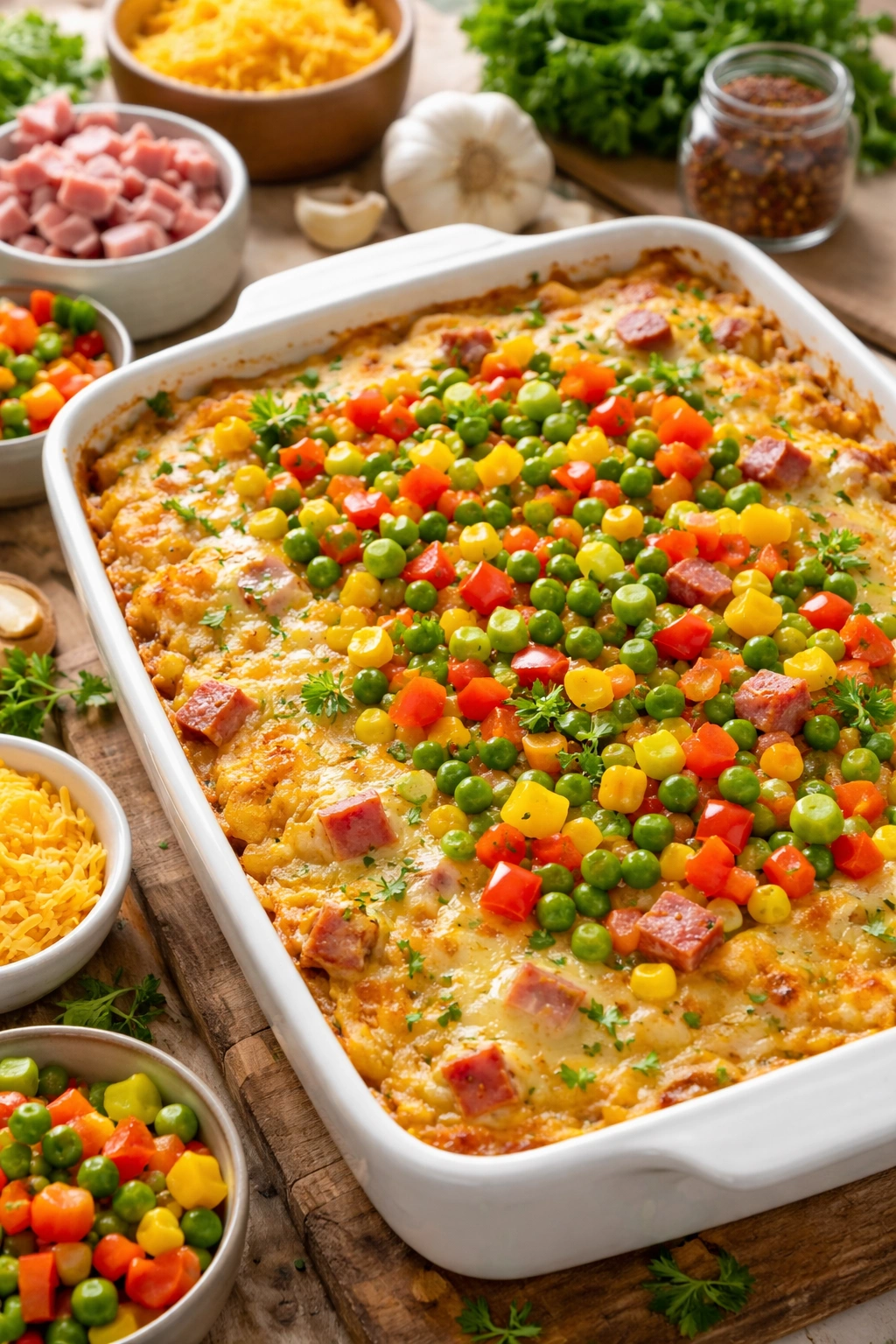
Once you’ve made this casserole a few times, experimentation becomes fun. Adding vegetables that cook quickly—diced bell peppers, peas, corn, or sliced mushrooms—increases nutrition and adds color without requiring any technique changes. Add raw vegetables directly to the sauce before mixing with potatoes, or briefly sauté them first if you prefer them softer. About one to two cups of vegetables is the maximum before they overwhelm the ham and potato flavors.
Changing the cheese entirely transforms the dish while maintaining the familiar structure. Smoked gouda creates an entirely different flavor profile. Pepper jack adds heat. A blend of Gruyere and sharp cheddar creates sophistication. Swiss cheese is creamy and mild. Experiment to find your family’s preference.
Adding crispy elements on top elevates texture. Crushed potato chips, crumbled bacon, or toasted breadcrumbs added in the final few minutes of baking create a textural contrast that some families prefer to plain melted cheese. Just add them when the casserole is nearly done so they don’t have time to soften.
Changing the ham to other proteins works well. Cooked sausage, crumbled bacon, or even shredded cooked chicken all work in place of ham. The sauce and potatoes don’t care which protein you’re using—they’ll taste good with almost anything. This flexibility means you can make variations based on what’s in your kitchen or what you’re craving.
Swapping some milk for cream, sour cream, or half-and-half creates a richer dish, though you may need slightly less liquid overall. More cream-forward sauces can become overly heavy, so this change works best if you’re reducing the overall sauce amount slightly.
Adding aromatic variations to the sauce—sautéing minced garlic along with the onions, adding herbs like thyme or oregano, including a touch of Dijon mustard or dry mustard powder—customizes the flavor without changing the basic structure. The sauce is your platform for creativity.
Perfect Side Dishes and Beverage Pairings
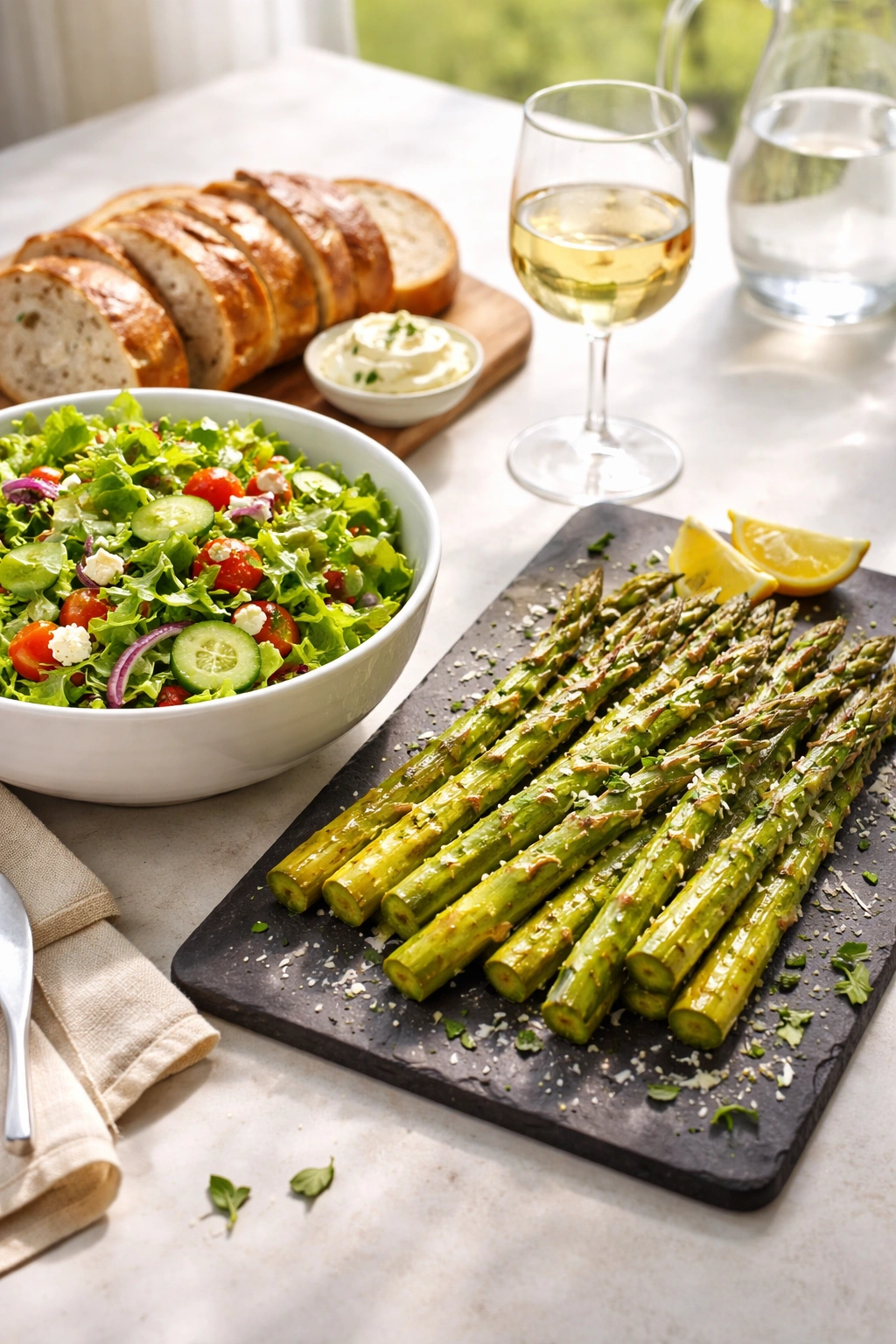
Because this casserole is fairly rich and contains ham and cheese, it pairs beautifully with light, fresh sides that provide contrast. A simple green salad with tangy vinaigrette is perfect—the acidity cuts through richness and cleanses the palate. Roasted asparagus, steamed green beans, or sautéed spinach add vegetables without competing for attention.
Fresh bread is optional but beloved with this casserole. Warm, crusty bread is perfect for soaking up any extra sauce, and dinner rolls make it feel festive. Garlic bread is perhaps too much richness alongside the casserole, but simple rolls or rustic bread work well.
For beverages, white wine pairs nicely—something crisp and slightly acidic like Sauvignon Blanc or a dry Riesling. Beer, particularly lighter ales or wheat beers, complements ham and cheese beautifully. For non-alcoholic options, sparkling water with lemon or lime is refreshing, while apple cider also pairs well with ham.
Cooked fruit sides like applesauce or cranberry sauce provide sweet-tart contrast that balances the savory, creamy casserole. These work especially well if you’re serving the casserole at brunch or for a special occasion dinner.
For breakfast or brunch service, pair this casserole with fresh fruit, simple scrambled eggs if you want additional protein, and fresh-baked biscuits or muffins. This becomes a complete brunch spread without requiring any cooked main dish.
Cheesy Ham and Potato Casserole Recipe
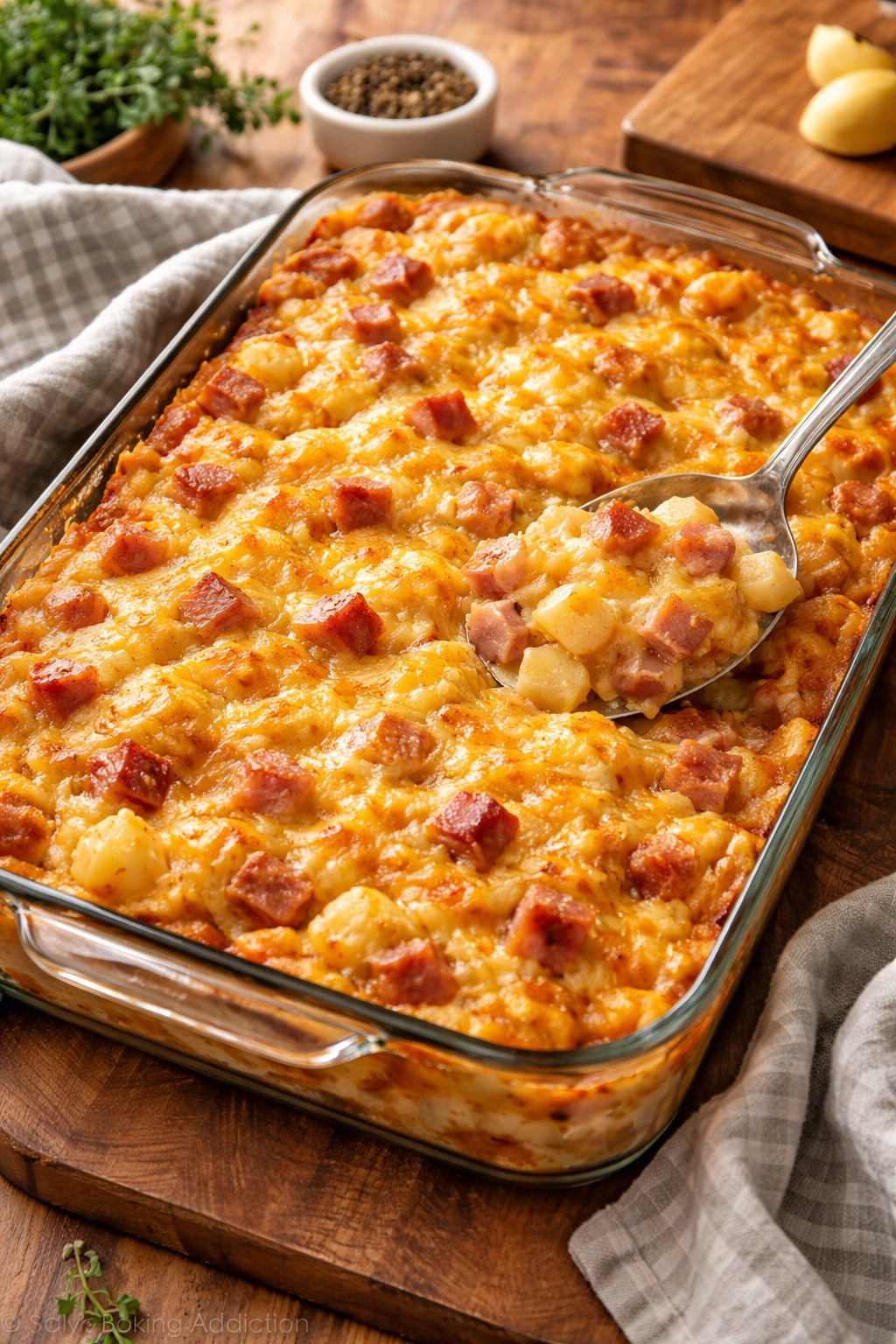
Yield: Serves 8 to 10 | Makes one 9×13-inch casserole
Prep Time: 25 minutes
Cook Time: 45 minutes
Total Time: 1 hour 10 minutes
Difficulty: Beginner — This recipe requires basic knife skills and simple stovetop and oven work. The techniques are straightforward, and the casserole is forgiving if you’re not perfectly precise about anything.
For the Casserole:
- 2½ pounds Yukon Gold potatoes (approximately 6 cups when diced), peeled and diced into ½-inch cubes
- 3 cups cooked ham, diced into ½-inch pieces (leftover baked ham or store-bought ham steak, both work beautifully)
- 2 cups shredded sharp cheddar cheese, divided (1½ cups for mixing, ½ cup for topping)
- 1 medium yellow onion, finely diced
- Cooking spray (for the baking dish)
- Fine sea salt and freshly ground black pepper, to taste
For the Creamy Sauce:
- 3 tablespoons unsalted butter
- 3 tablespoons all-purpose flour
- 2 cups whole milk, at room temperature
- 1 cup chicken broth (low-sodium, homemade or store-bought)
- 1 teaspoon garlic powder
- ½ teaspoon dry mustard powder (this adds depth, not mustard flavor)
- ½ teaspoon smoked paprika (optional but recommended)
- ¼ teaspoon cayenne pepper (optional, for gentle heat)
- ½ teaspoon fine sea salt, plus more to taste
- ¼ teaspoon freshly ground black pepper, plus more to taste
For Serving (Optional):
- 2 tablespoons fresh chives, finely snipped
- Fresh cracked black pepper
- Hot sauce, for those who enjoy it
Prepare the Potatoes:
-
Fill a large pot three-quarters full with water and bring to a rolling boil over high heat. While the water heats, peel the potatoes and cut them into ½-inch cubes. The smaller, uniform pieces are crucial—they’ll cook evenly and create a consistent texture throughout the casserole.
-
Once the water reaches a rolling boil, carefully add the diced potatoes and stir gently so they’re all submerged. When the water returns to a boil, begin timing. You want to par-boil them for exactly 5 to 6 minutes—not longer, or they’ll become mushy; not shorter, or they won’t have enough of a head start on cooking.
-
The potatoes are ready when a fork easily pierces the outer layer but encounters firmness in the center. The outside should be noticeably softened, but each piece should still feel substantial and hold its shape. Drain them in a colander and set aside to cool slightly while you make the sauce.
Prepare the Sauce:
-
In a large saucepan or skillet, melt the butter over medium heat. Add the diced onion and cook, stirring occasionally, for 4 to 5 minutes until the onion is completely softened and just beginning to turn translucent at the edges. The onion will cook down to almost nothing and won’t be detectable in the finished dish—it’s here purely for flavor building.
-
Sprinkle the flour over the cooked onion and stir constantly for 1 to 2 minutes, creating a paste-like mixture (this is your roux). You’re not trying to brown the roux deeply; just cook it enough that the raw flour flavor disappears. Stirring prevents lumps from forming.
-
Remove the pan from the heat briefly. Slowly pour in the chicken broth while whisking constantly and vigorously. The cold broth hitting the hot roux can create lumps if you’re not careful, so whisk aggressively to smooth out any lumps as they form. Once the broth is fully incorporated, return the pan to medium heat.
-
Slowly pour in the milk while continuing to whisk. The mixture will seem thin at first. Continue cooking and stirring for 3 to 4 minutes until the sauce thickens noticeably—it should reach the consistency of gravy, thick enough to coat the back of a spoon but still pourable. If a line drawn through the sauce on the spoon’s back stays clear, you’re at the right consistency.
Advertisements -
Remove from the heat and stir in the garlic powder, dry mustard powder, smoked paprika (if using), cayenne (if using), salt, and black pepper. Taste the sauce carefully—it should taste quite strongly seasoned because the potatoes and ham will dilute flavors. Add more salt, pepper, or your preferred seasonings until it tastes excellent to you. This is your only chance to adjust flavors.
-
Fold in 1½ cups of the shredded cheddar cheese, stirring until completely melted and incorporated. The sauce should be a rich, golden color and taste distinctly cheesy. Set aside to cool slightly (about 5 minutes). The sauce doesn’t need to be completely cold, just cool enough that it won’t cook the ham pieces when you mix.
Assemble the Casserole:
-
Preheat the oven to 350°F and position the rack in the center. Lightly spray a 9×13-inch baking dish (or any 3-4 quart dish) with cooking spray.
-
In a very large bowl, gently combine the drained potatoes, diced ham, and 1½ cups of the shredded cheese. Use a large rubber spatula and fold these ingredients together gently—this is not the time for vigorous stirring. The goal is even distribution while keeping the potato pieces intact, so each bite contains potato, ham, and cheese.
-
Pour the warm cheese sauce over the potato mixture and fold everything together very gently until all components are coated in sauce. Again, use gentle folding motions rather than stirring. The sauce should coat every piece of potato, and there shouldn’t be any dry pockets.
-
Transfer the entire mixture to the prepared baking dish, spreading it into an even layer. Don’t press down hard; let it settle naturally. Sprinkle the remaining ½ cup of cheddar cheese evenly over the top.
Bake:
-
Transfer the baking dish to the preheated oven and bake for 40 to 45 minutes. You’re looking for the casserole to be bubbling gently around the edges and the cheese on top to be melted and just beginning to turn golden brown. The edges will bubble first—this is normal and a good sign that heat is penetrating throughout. The center may take the full 45 minutes to bubble.
-
Once the casserole is bubbling and the cheese is melted, remove it from the oven carefully (the dish and its contents are quite hot). Allow it to rest, undisturbed, for 5 to 10 minutes before serving. This resting period is crucial—it allows the sauce to set slightly and all the flavors to meld together. Serving immediately while everything is still very loose can result in sauce running off and a less cohesive dish.
Advertisements
Serve:
- Spoon the casserole into bowls or onto plates. If desired, garnish with fresh chives for color and a slight onion brightness, and offer hot sauce on the side for anyone who enjoys additional spice.
Pro Tips for Restaurant-Quality Results

Grating your cheese from a block rather than using pre-shredded produces noticeably smoother, silkier sauce. Pre-shredded cheese contains anti-caking agents that prevent it from melting quite as seamlessly. If you only have pre-shredded cheese available, toss it lightly with a tiny bit of cornstarch before adding to the sauce—this helps it melt more smoothly.
Taste the sauce before combining with potatoes. This is genuinely important. You won’t have another chance to adjust seasonings, and underseasoned sauce creates underseasoned casserole. The sauce should taste noticeably good on its own—rich, cheesy, and well-seasoned.
Let the assembled casserole rest at room temperature for 15-20 minutes after assembly and before baking if you have time. The residual heat distributes evenly, creating more uniform cooking when the oven heat hits. This step is optional but produces the best results.
Invest in a good instant-read thermometer if you want perfect results every time. The casserole is done when the center reaches 165°F. This removes guesswork and prevents over or underbaking.
Don’t peek constantly while baking. Opening the oven repeatedly releases heat and extends cooking time. Check at the 35-minute mark, then allow it to finish.
For extra-golden, crispy cheese on top, turn on the broiler for 2-3 minutes at the very end of baking, watching carefully to ensure the cheese doesn’t burn. The broiler creates a darker, crisper crust that many people find irresistible.
Troubleshooting Your Casserole Problems
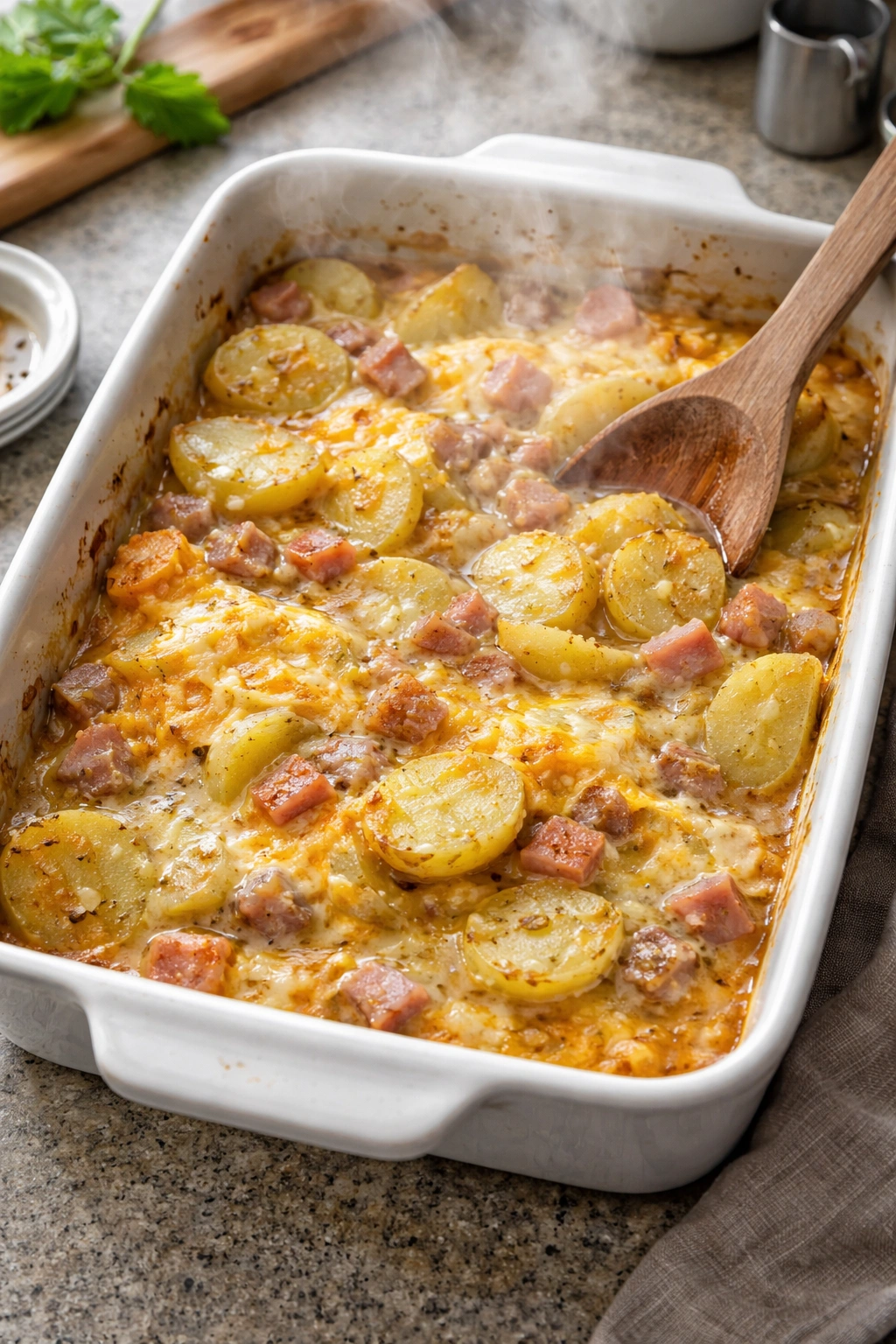
If your finished casserole is watery or has excess liquid, the potatoes likely released too much moisture. This happens most often when using frozen hash browns or when the potatoes weren’t properly drained after par-boiling. In the future, pat drained potatoes with paper towels and use fresh potatoes when possible.
If potatoes are still firm in the center after 45 minutes of baking, you either didn’t par-boil them long enough or cut them too large. Both issues mean the oven has to do all the cooking work. Next time, commit to the full 5-6 minute par-boil and aim for ½-inch cubes.
If the casserole baked for over an hour and potatoes are mushy but edges are burnt, you likely par-boiled too long or cut pieces too small. Both cause the outer pieces to over-cook. Cut larger, more uniform pieces next time and par-boil for exactly 5-6 minutes.
If the sauce separated or broke (looks grainy or has visible fat), your milk was likely too cold when added to the hot roux. Let milk come to room temperature before adding. If this happens, you can sometimes rescue it by straining through a fine mesh sieve.
If the casserole tastes bland, the sauce wasn’t adequately seasoned. Remember that potatoes dilute flavors, so what tastes good when it’s sauce alone will taste less strong when mixed with potatoes. Add more salt, pepper, and seasonings to your sauce before combining with potatoes.
If cheese on top isn’t melting fully, the oven temperature might be running low, or you covered the dish too long. Try uncovering for the final 10-15 minutes to allow direct heat to reach the cheese. If the base is done and cheese still isn’t melting, briefly run it under the broiler.
Final Thoughts
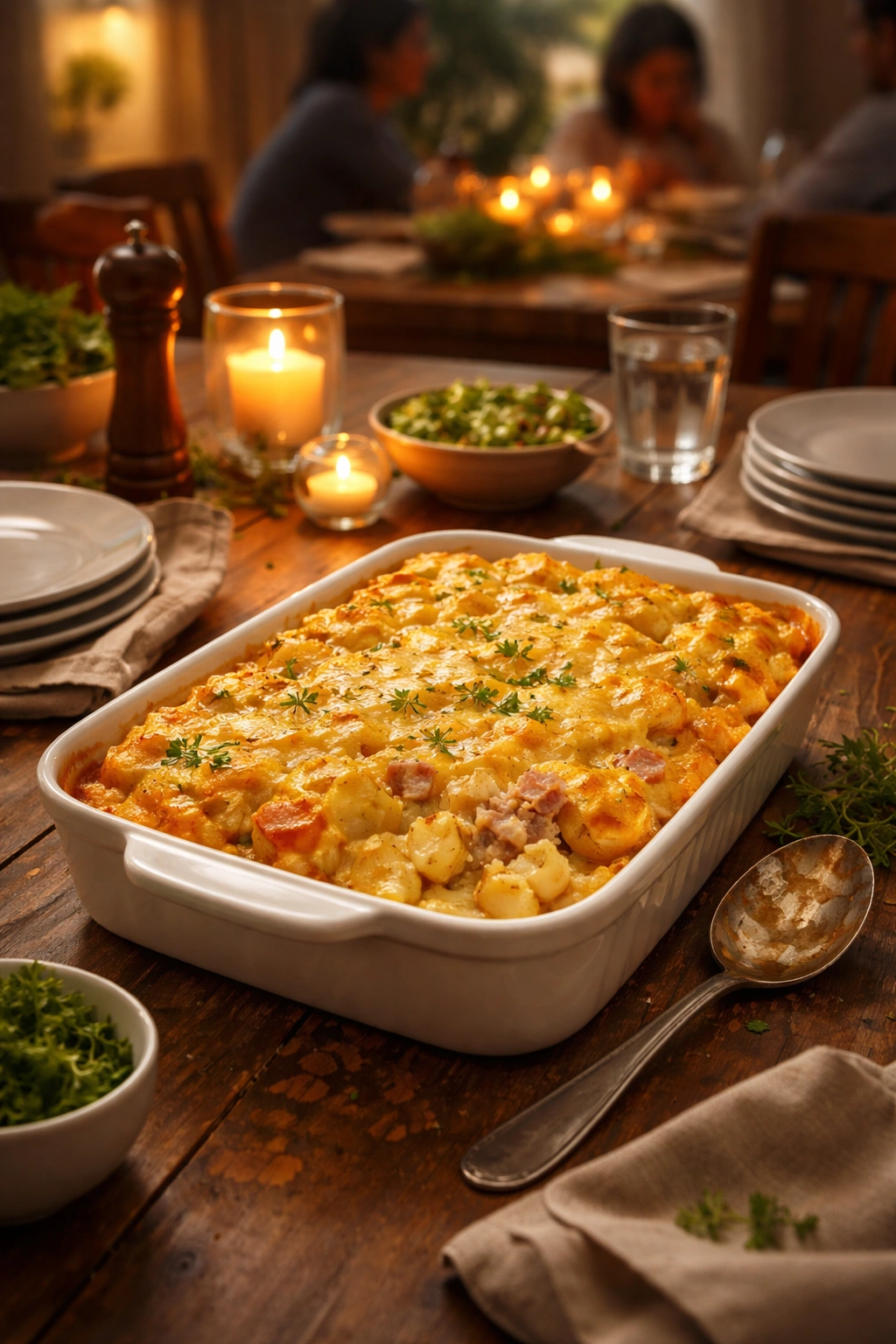
This casserole endures as a family favorite because it delivers consistent, genuine deliciousness without requiring fancy techniques or obscure ingredients. It’s built on the principle that simple, honest ingredients prepared with care and attention create something greater than the sum of their parts. You don’t need to be an experienced cook to make this dish—you just need to follow the steps, taste and season your sauce, and allow the oven to do its work.
The real magic happens when families gather around the table and see that familiar golden-topped casserole emerge from the kitchen. There’s something comforting about knowing exactly what you’re getting—creamy potatoes, tender ham, melted cheese, and sauce that coats everything beautifully. It’s food that nourishes and satisfies, that tastes even better the next day, and that somehow always seems to bring people together.
Make this casserole, watch your family’s faces light up at the table, and you’ll understand exactly why it commands such loyalty across generations. This is the kind of recipe that earns its place in your regular rotation, the one people request by name, and the one you’ll find yourself making again and again because it never fails to deliver exactly what everyone hopes for: pure, uncomplicated comfort.
