



When the temperature drops and you’re craving something that feels like a warm hug, there’s nothing quite like a steaming bowl of Chicken Parm Soup. This dish takes everything you love about the classic Italian-American favorite—crispy, breaded chicken topped with melted mozzarella and marinara—and transforms it into a comforting, one-pot meal that comes together faster than you’d expect. Whether you’re dealing with a hectic weeknight schedule or simply want something satisfying without the fuss, this soup delivers on flavor while keeping cleanup to a minimum.
Why Chicken Parm Soup Is the Ultimate Comfort Food
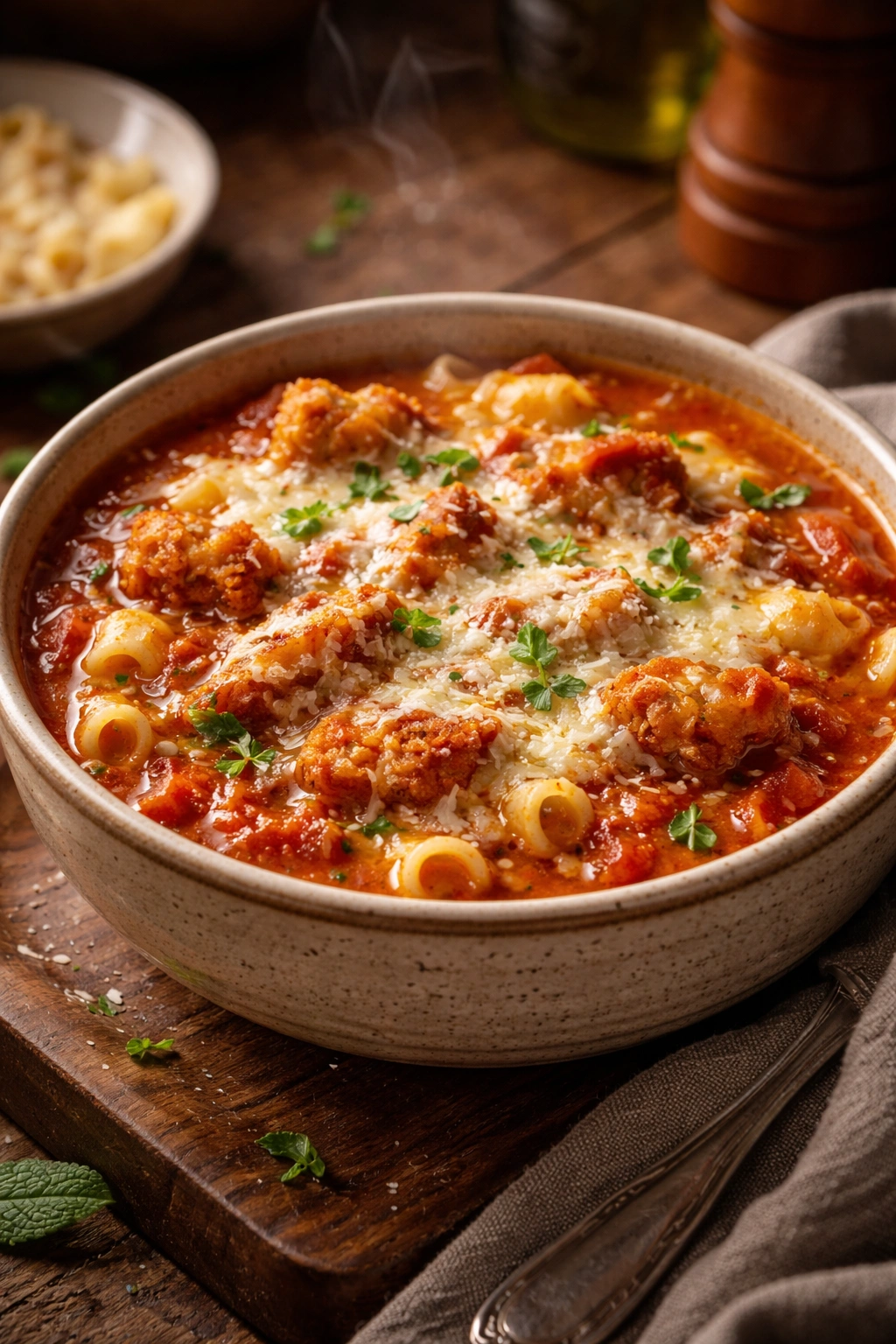
There’s a reason comfort food exists, and it has everything to do with how our brains respond to familiar flavors and warm meals. Chicken Parm Soup merges nostalgia with practicality, giving you the savory satisfaction of a restaurant-quality dish without requiring multiple pans or complicated techniques. The combination of tender chicken, rich tomato broth, melted cheese, and pasta creates layers of flavor that develop beautifully as everything simmers together.
What makes this soup particularly genius for chilly evenings is its versatility. You can have it on the table in less than an hour using pre-cooked rotisserie chicken, or you can let it simmer longer if you’re starting from scratch. The beauty of soup is that it welcomes customization—add extra vegetables if you’d like, adjust the creaminess to your preference, or pile on your favorite toppings. It’s a dish that adapts to what you have on hand while maintaining its essential comforting character.
The warmth of the bowl itself becomes part of the experience on cold nights. Soup fills you up efficiently, the high liquid content keeps you hydrated, and the protein-carb-fat combination means you’ll feel satisfied for hours afterward.
The History and Appeal of Chicken Parmesan Reimagined as Soup
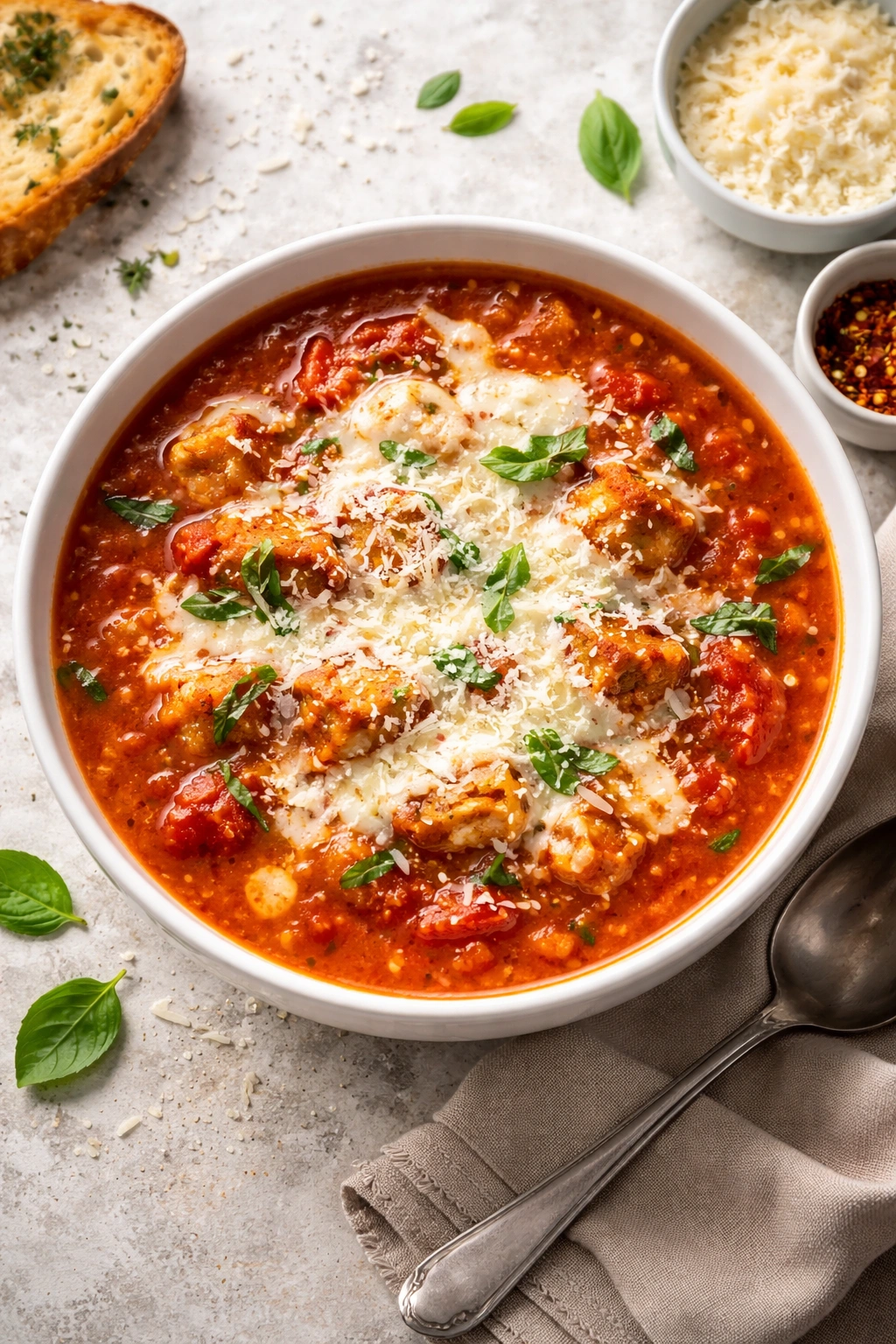
Chicken Parmesan has Italian origins but became a beloved American staple, particularly in Italian-American cuisine. The dish traditionally features a breaded and fried chicken breast layered with marinara sauce and melted mozzarella cheese. It’s indulgent, comforting, and instantly recognizable on restaurant menus across the country.
The genius of transforming this into soup form is that you capture all the essential flavors without the breading and frying process. You still get that savory Parmesan punch, the subtle sweetness of tomatoes, and the creamy richness of melted cheese—but in a format that’s lighter, faster to prepare, and arguably even more satisfying on a cold evening. The pasta that gets added to the soup serves the same textural role as traditional chicken parm would, while the broth ties everything together into a cohesive dish.
This adaptation also addresses practical concerns: frying chicken at home can be messy and requires careful temperature management, while soup simply needs you to bring liquid to a simmer. The result tastes like you spent hours in the kitchen, but it’s actually quite straightforward to execute even on your busiest nights.
Essential Ingredients for Perfect Chicken Parm Soup
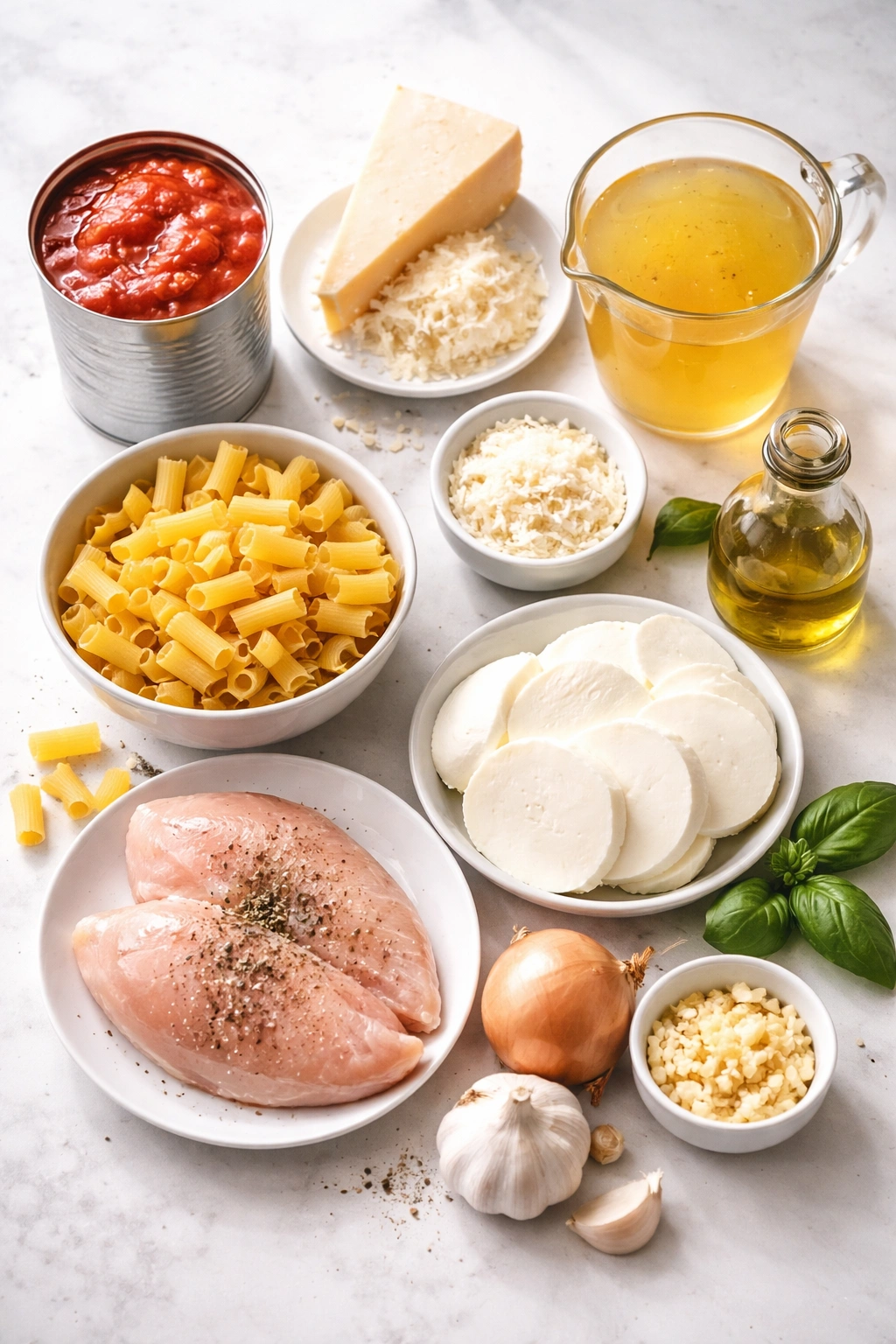
Before you start cooking, understanding each ingredient’s role makes all the difference. The foundation of great chicken parm soup isn’t just about throwing ingredients together—it’s about selecting items that will work in harmony.
Quality matters here more than in some other recipes. Canned tomatoes are perfectly acceptable (and often fresher than fresh tomatoes when they’re out of season), but the brand you choose affects the final flavor. Similarly, your broth serves as the base for the entire soup, so choosing low-sodium broth gives you control over seasoning rather than being locked into what the manufacturer decided.
The cheese situation deserves special attention. Pre-shredded Parmesan cheese contains anti-caking agents that can make it taste slightly chalky and melt less smoothly than freshly grated cheese. If you have the time, grating your own block of Parmigiano-Reggiano makes a noticeable difference. For mozzarella, fresh mozzarella adds a delicate texture, but regular shredded mozzarella works beautifully as a topping.
Pasta choice is personal, but medium-sized shapes work best in soup. Penne, orecchiette, or small shells hold the broth nicely without overwhelming the spoon. Avoid very small pasta like ditalini, which can get lost, and very large pasta, which can be awkward to eat.
Choosing Quality Chicken for the Best Results
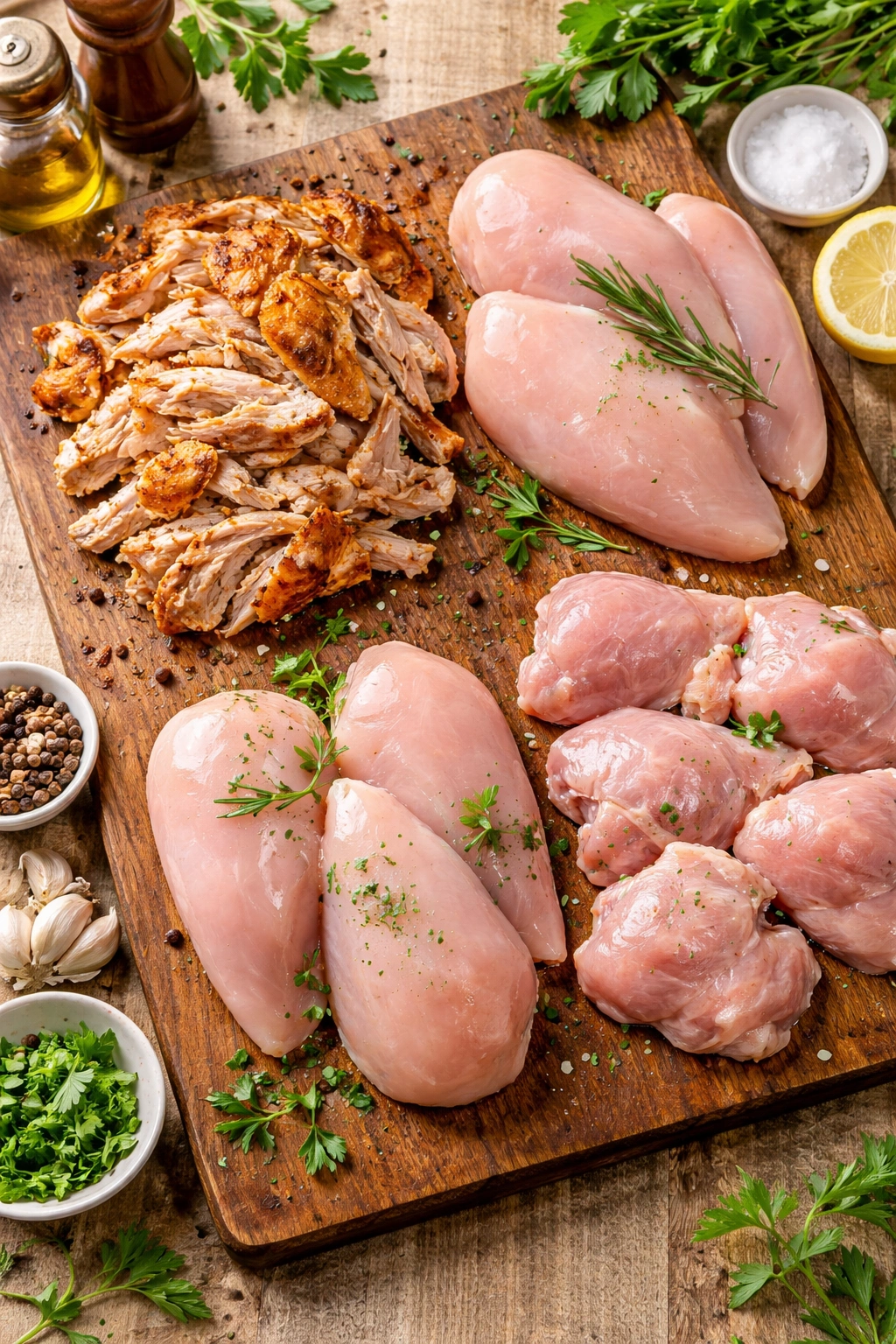
The chicken is where much of your protein and substance come from, so this choice significantly impacts your final dish. You have several excellent options, each with its own advantages depending on your time and preference.
Rotisserie chicken from the grocery store is the fastest route and requires no additional cooking. A whole rotisserie bird typically yields about three to four cups of shredded meat once you remove the skin and bones. Many cooks prefer the white meat for a more delicate texture, though using both white and dark meat adds richer flavor. The convenience factor is substantial—you can have the chicken ready to go while you’re chopping your other ingredients.
Boneless, skinless chicken breasts are the leanest option and cook quickly in broth. They’ll become tender if you simmer them gently for fifteen to twenty minutes, and they won’t overshadow the other flavors in your soup. If you go this route, you can cut them into chunks before adding to the pot, which speeds up cooking time significantly.
Chicken thighs offer more flavor than breasts and are harder to dry out, making them forgiving for less experienced cooks. They take slightly longer to cook but remain juicy and contribute more body to the broth through their natural fat content. For a hybrid approach, many cooks use a combination of chicken breasts and thighs to balance leanness with flavor.
Regardless of which chicken you choose, ensure it’s fully cooked before adding it to the soup, and cut it into bite-sized pieces or shred it so you can eat it easily with a spoon.
Building Layers of Flavor in Your Broth
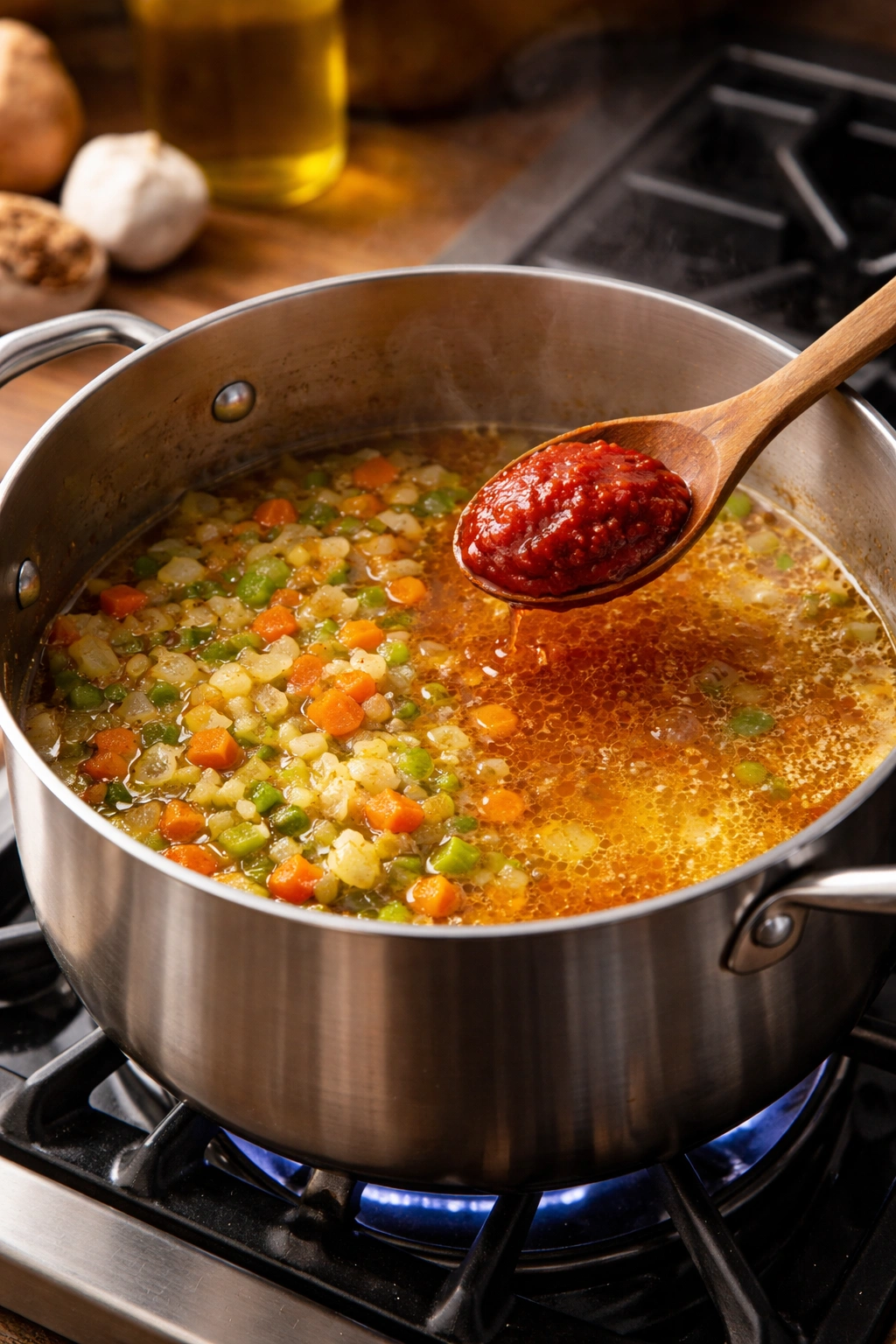
The broth is where your soup either shines or falls flat, which is why this component deserves real attention. Starting with quality chicken or vegetable broth gives you a foundation, but layering flavors transforms it into something restaurant-worthy.
The aromatic vegetables—onion, garlic, and sometimes celery and carrot—should be sautéed first in a bit of olive oil. This step, called blooming, releases their essential oils and develops their flavors before they go into the liquid. Take a few extra minutes here; when the onion becomes translucent and the garlic turns golden, you’ll smell the difference this makes.
Tomato paste is a secret weapon in chicken parm soup. Just a tablespoon or two, stirred into the softened aromatics for a minute or two before adding your broth, concentrates the tomato flavor and adds umami depth. This technique is borrowed from Italian cooking and makes an enormous difference in the final soup’s complexity.
Your liquid base—typically chicken broth and crushed tomatoes—should combine in roughly equal proportions, though you can adjust based on how brothy or tomato-forward you like your soup. Some recipes add a splash of tomato sauce or marinara for extra flavor without the texture of chunks.
Seasonings matter tremendously. Dried basil, oregano, and Italian seasoning all have their place, but remember that dried herbs are concentrated, so a teaspoon is often enough. A small pinch of red pepper flakes adds warmth without obvious heat. Some cooks add a tiny pinch of sugar or honey to balance the acidity of tomatoes, though this is optional and more a matter of personal preference.
The Art of Cooking Pasta Just Right
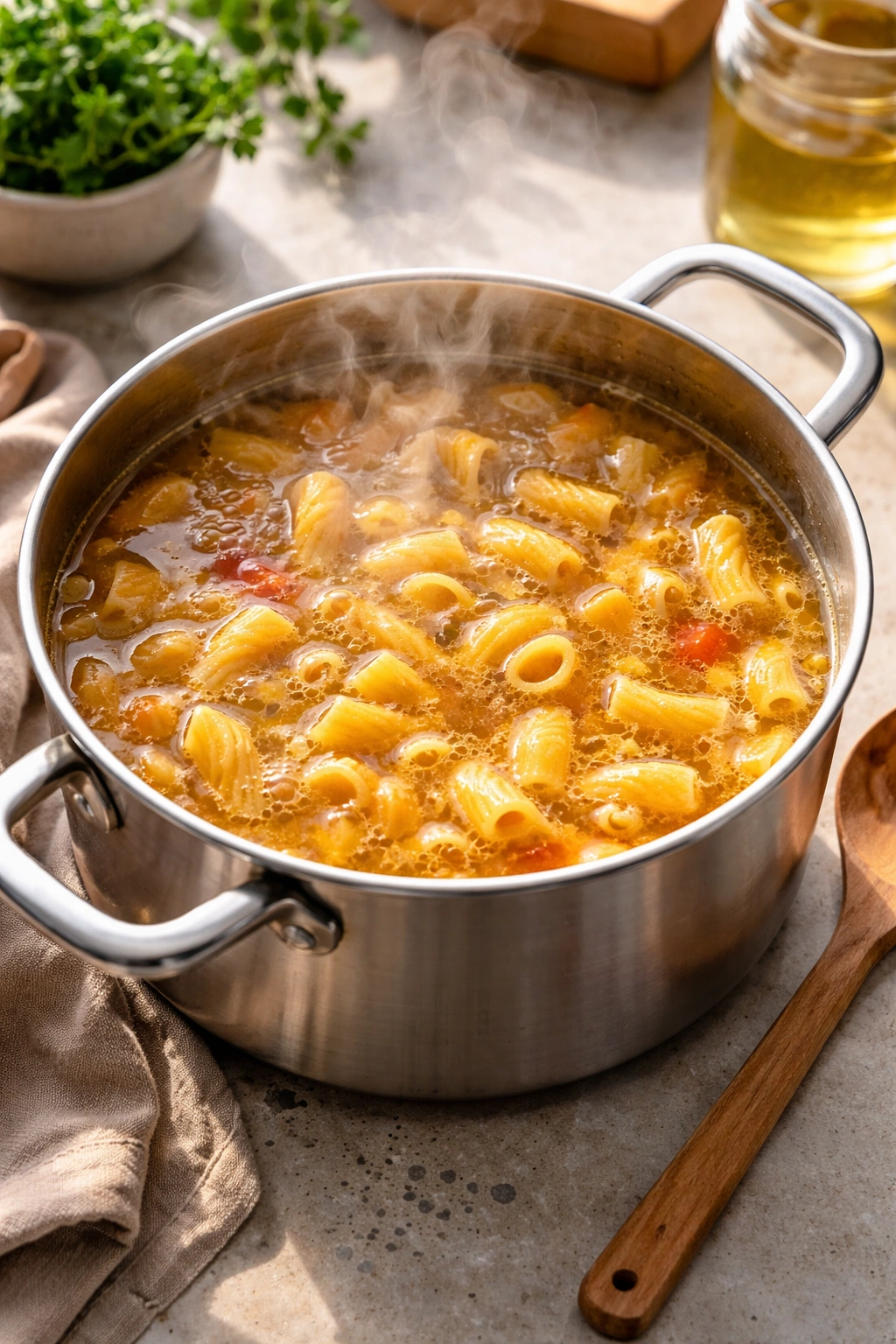
Pasta in soup is a delicate matter because it continues absorbing liquid even after it’s done cooking, which means leftover soup often becomes thicker and mushier by the next day. Understanding when and how to add your pasta makes the difference between silky, perfectly textured soup and a gluey mess.
If you’re planning to eat the soup immediately, you can add the pasta directly to the simmering broth and let it cook until al dente, which typically takes ten to fifteen minutes depending on the shape and brand. Watch it carefully during the last couple of minutes—overcooked pasta becomes mushy and loses its structural integrity, making the soup feel heavy rather than light.
For make-ahead or leftover situations, cook your pasta separately in salted water and add it to individual bowls before pouring the soup over. This prevents the pasta from absorbing excess broth and thickening the soup significantly. It takes an extra minute or two but saves your leftover portions from becoming disappointing.
The water you cook pasta in should be well-salted—it should taste like the sea, as chefs say. This is your only opportunity to season the pasta itself, and it makes a real difference in the final flavor. Once it’s cooked al dente, drain it (but don’t rinse, which removes starches that help the pasta absorb flavors), and either add it immediately to the soup or set it aside for later use.
Achieving the Perfect Cheese Distribution
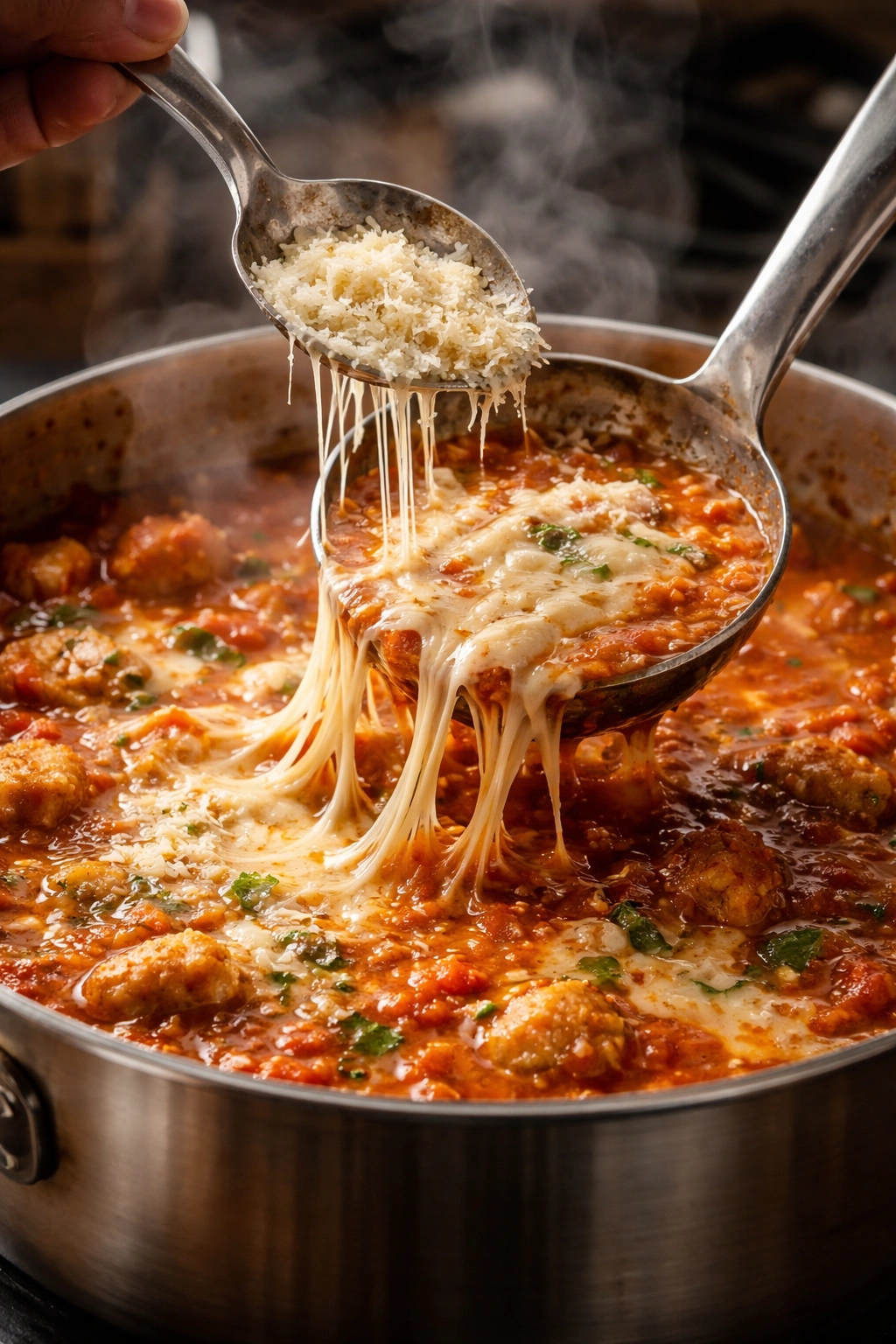
Cheese is what elevates soup from merely satisfying to genuinely crave-worthy, but adding it requires technique to prevent clumping or greasiness. The key is understanding that Parmesan and mozzarella behave differently and deserve different treatment.
Parmesan cheese should be stirred into the hot soup just before serving or right at the end of cooking. If you add it too early, you risk it becoming separated and oily as the soup continues to cook. Stir slowly and steadily, allowing each addition to melt completely before adding more. This gentle approach keeps the cheese emulsified and silky rather than grainy.
Mozzarella works better as a topping, either stirred in right before serving or melted directly on top of the hot soup as it sits in your bowl. Fresh mozzarella, thinly sliced, creates beautiful strands when the heat hits it. Regular shredded mozzarella melts more readily and distributes throughout more evenly.
Some cooks prefer broiling the mozzarella on top for a few minutes to achieve that golden, bubbly finish reminiscent of the baked casserole version of chicken parm. If you try this method, use a broiler-safe pot and watch carefully—cheese can go from perfectly melted to burnt in seconds, so stay close to the oven.
A light dusting of grated Parmesan as a final garnish adds visual appeal and an extra hit of that distinctive sharp, nutty flavor that makes chicken parm soup so distinctive.
Step-by-Step Cooking Instructions
Yield: Serves 4 to 6
Prep Time: 15 minutes
Cook Time: 35 minutes
Total Time: 50 minutes
Difficulty: Beginner — This recipe requires only basic chopping skills and standard stovetop technique. No special equipment necessary.
For the Soup:
For the Base:
- 1 tablespoon extra-virgin olive oil
- 1 medium yellow onion, finely diced
- 3 garlic cloves, minced
- 2 tablespoons tomato paste
- 4 cups low-sodium chicken broth
- 2 (14.5-ounce) cans crushed tomatoes, with their juices
- 1 teaspoon dried basil
- ¾ teaspoon dried oregano
- ¼ teaspoon crushed red pepper flakes (optional, omit if you prefer no heat)
- ½ teaspoon fine sea salt (add more to taste at the end)
- ¼ teaspoon freshly ground black pepper
For the Pasta and Chicken:
- 4 ounces (about 1⅓ cups uncooked) penne or small shell pasta
- 2 cups cooked chicken, shredded or diced (from about one rotisserie chicken, or 1 pound boneless chicken breasts or thighs, cooked)
For Finishing:
- ½ cup (2 ounces) freshly grated Parmesan cheese, divided
- 1 cup (4 ounces) shredded mozzarella cheese, divided
- Fresh basil leaves, for garnish (optional but highly recommended)
- Additional grated Parmesan for serving
Prepare the Aromatics:
-
Heat the olive oil in a large pot (at least 6-quart capacity) over medium heat until it shimmers but doesn’t smoke. Add the diced onion and cook, stirring occasionally, until the onion becomes translucent and softened at the edges, about 4 to 5 minutes. You should be able to see through the onion pieces when it’s ready.
-
Add the minced garlic and cook, stirring constantly, for about 1 minute until the garlic becomes fragrant and just begins to turn golden at the edges. Don’t let garlic brown completely, as this turns it bitter and unpleasant. The aroma should be noticeably stronger at this point.
-
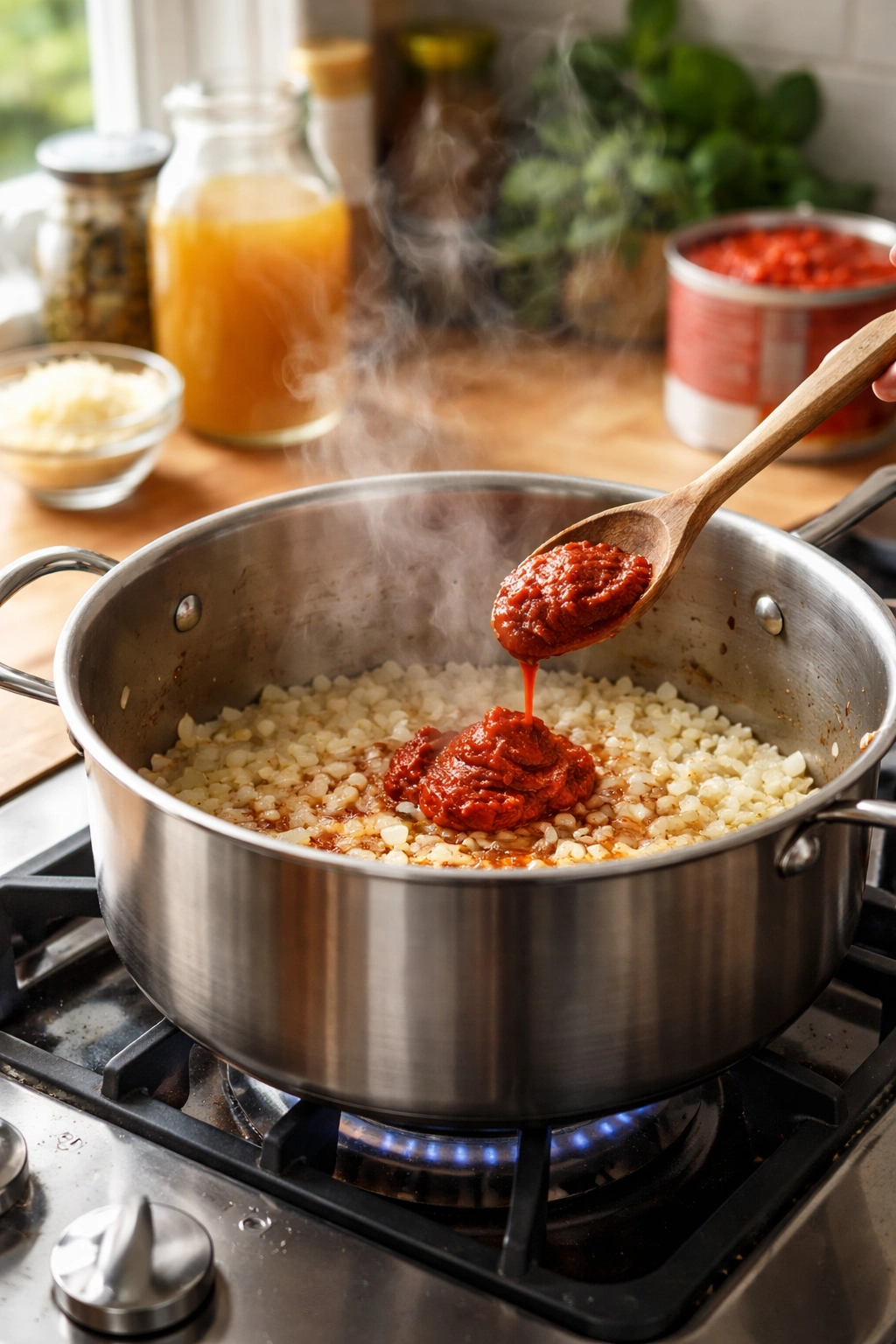
Stir in the tomato paste and cook, stirring frequently, for 1 to 2 minutes. During this time, you’ll notice the paste sticking slightly to the bottom of the pot and deepening in color. This step concentrates the tomato flavor and develops umami depth—it’s worth not skipping or rushing.
Build the Broth:
-
Pour in the chicken broth, scraping the bottom of the pot with a wooden spoon as you go to release all the flavorful browned bits stuck to the pot (this is called deglazing). These bits contain concentrated flavor and shouldn’t be wasted.
Advertisements -
Add the crushed tomatoes along with all their juices. Stir well to combine, breaking up any clumps of tomato. The mixture should look smooth and cohesive.
-
Stir in the dried basil, oregano, red pepper flakes, salt, and black pepper. Bring the mixture to a gentle boil over medium-high heat, then reduce the heat to maintain a steady simmer. The soup should bubble gently but not vigorously—vigorous boiling can cause flavors to flatten and textures to break down.
-
Let the soup simmer uncovered for 8 minutes to allow the flavors to meld. During this time, you might notice the color deepening slightly and the aroma becoming more complex and rounded.
Add Pasta and Chicken:
-
Stir in the uncooked pasta and cooked chicken. Add the pasta dry (uncooked) directly to the simmering broth—this method allows it to absorb flavor as it cooks rather than cooking in plain salted water separately. The liquid should return to a simmer within about a minute.
-
Reduce the heat to medium and maintain a simmer, stirring occasionally. Cook uncovered for 10 to 12 minutes, until the pasta is al dente—tender but still slightly firm when you bite into a piece. Set a timer so you don’t forget about it; overcooked pasta can make the soup feel heavy and mushy.
Finish with Cheese:
-
Remove the pot from the heat. Add about ¼ cup of the grated Parmesan cheese and stir slowly and steadily until completely melted and incorporated. This slow stirring prevents the cheese from clumping and creates a silky, emulsified texture rather than gritty or separated.
-
Taste the soup and adjust the seasoning with additional salt, pepper, or a splash of lemon juice if you’d like brightening. Season thoughtfully—you can always add more, but you can’t remove salt, so go gradually.
Serve:
-
Ladle the hot soup into bowls, dividing it evenly among your serving dishes. Top each bowl with about ¼ cup of the shredded mozzarella cheese, a sprinkle of the remaining Parmesan, and a few fresh basil leaves if you have them. The residual heat from the soup will gently melt the mozzarella, creating those gorgeous, stretchy strands.
-
Serve immediately while steaming hot, alongside crusty bread if desired. The soup is best enjoyed right away, though leftovers store beautifully (see storage section below).
Insider Tips for Restaurant-Quality Results
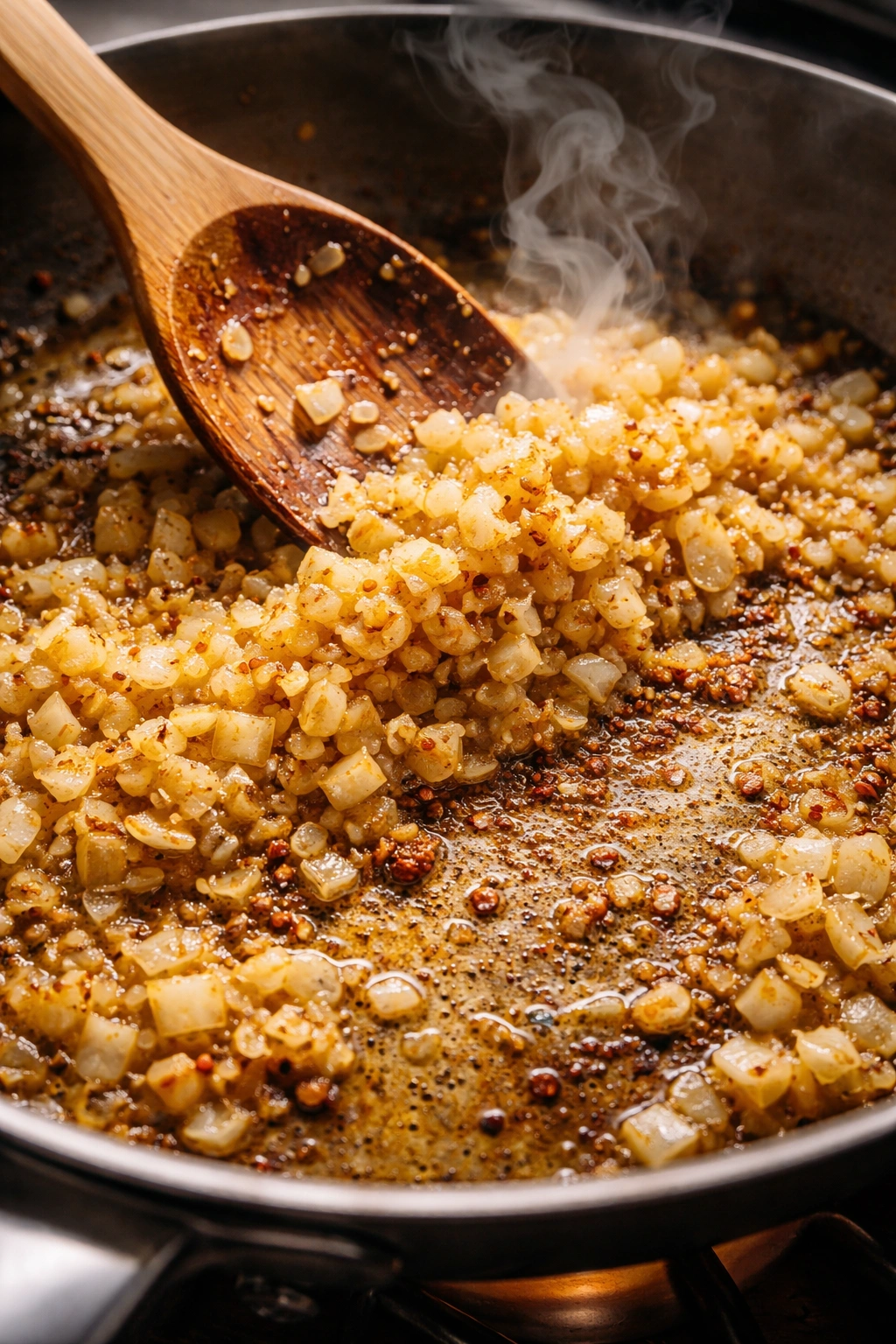
Creating soup that tastes like it came from a trattoria rather than a weeknight kitchen comes down to small details and techniques. These insider tips come from experienced soup makers and will noticeably elevate your results.
Invest a moment in properly sautéing your aromatics. Many home cooks rush this step, but those extra few minutes of allowing the onion and garlic to develop golden edges transforms the entire soup’s flavor profile. You’re not looking for deep browning—just enough color that the vegetables become fragrant and slightly caramelized at the edges.
Use fresh garlic whenever possible. The difference between jarred minced garlic and freshly minced garlic is stark in a dish where garlic is a starring ingredient rather than one flavor among many. Fresh garlic has complexity and sharpness that aged jarred versions simply don’t match. If you use jarred garlic, reduce the amount by about a third, as it’s already more concentrated.
Don’t skip deglazing. When you pour the broth into the pot after cooking the paste and aromatics, take thirty seconds to scrape the bottom with a wooden spoon. Those brown, stuck-on bits contain deep flavor and contribute significantly to the soup’s final taste.
Taste as you cook, especially before adding cheese and at the very end. Canned tomatoes vary in acidity and saltiness by brand, and your broth might be more or less salty than you expect. Adjusting seasonings during cooking rather than all at once at the end gives you better control. Add half of what you think you need, taste, then adjust from there.
Consider adding a small splash of balsamic vinegar or red wine vinegar in the last minute of cooking. Just a teaspoon or two adds a subtle depth and brightness that makes people ask “what’s that flavor?” without being able to identify vinegar.
Use the best Parmesan you can afford. Parmigiano-Reggiano from Italy, aged at least 24 months, has a crystalline texture and nutty depth that domestic Parmesan sometimes lacks. Freshly grated from a block tastes dramatically better than pre-shredded, even if the label says “100% Parmesan.” The anti-caking agents in pre-shredded versions prevent smooth melting and mute flavors.
Common Mistakes and How to Avoid Them
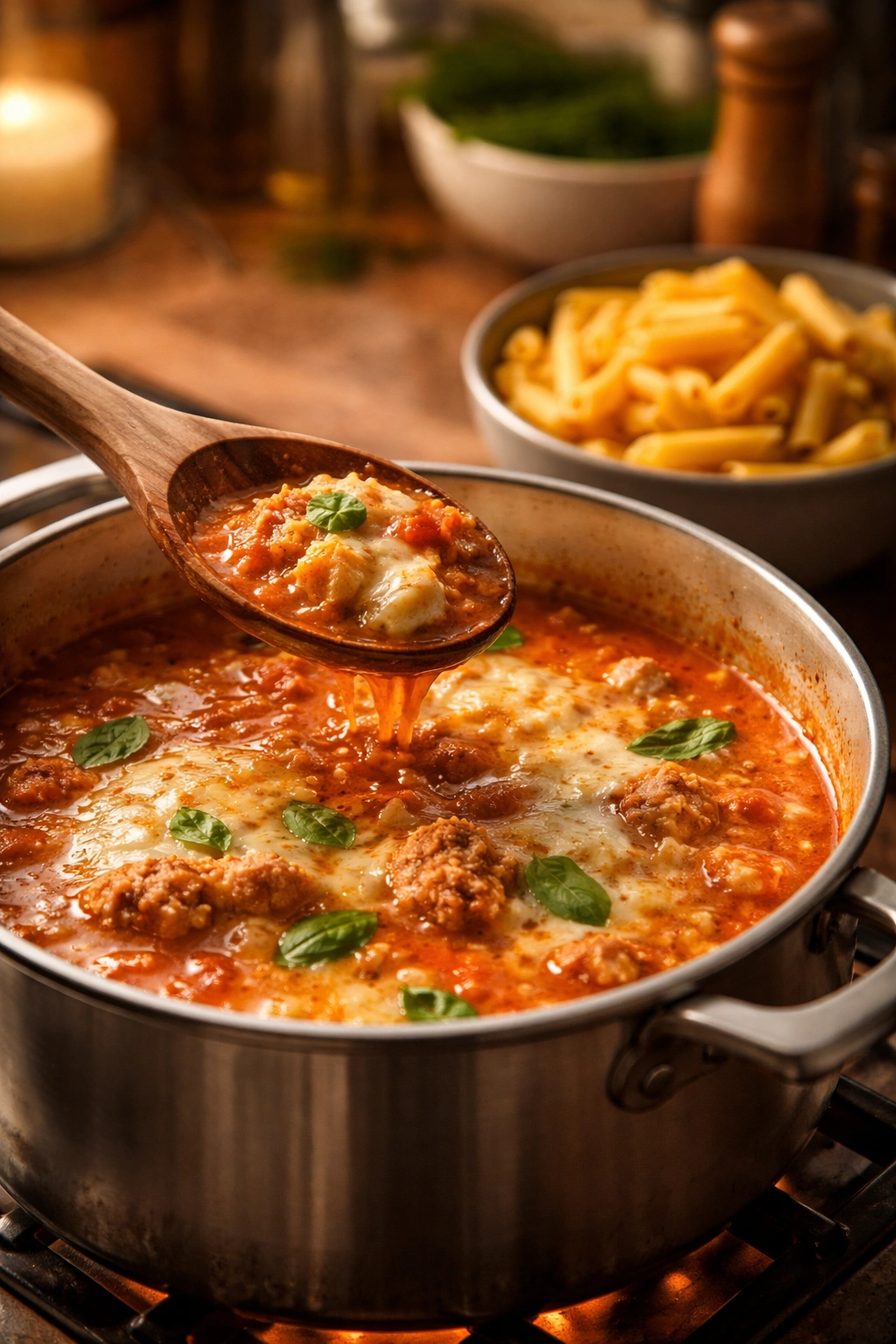
Even straightforward recipes have pitfalls, and understanding them means you can sidestep them entirely. Knowing what goes wrong helps you make intentional choices rather than wondering why your soup tastes different than expected.
Adding pasta too early is a frequent mistake. If you add the uncooked pasta when the soup first reaches a simmer, the pasta will absorb liquid and continue cooking even after reaching al dente, resulting in overcooked, mushy pasta by serving time. Add it about two-thirds of the way through your cooking time so it finishes exactly when everything else is ready.
Not seasoning enough is another common error. Many people salt conservatively, worried about overdoing it. Remember that soup is mostly liquid, which distributes salt differently than in solid dishes. Taste frequently and adjust, adding salt a pinch at a time. You can always add more, but you can’t take it out.
Using overly hot heat causes the soup to boil vigorously, which can break down the tomatoes into mush and cause flavors to taste flat and one-dimensional. Maintain a gentle simmer where small bubbles break the surface steadily but not aggressively. This slower, gentler approach develops more complex, rounded flavors.
Adding all the cheese at once and stirring vigorously can cause graininess as the cheese separates. Add Parmesan gradually while stirring slowly. If you’re adding it to hot liquid, you’re essentially making a warm emulsion, and gentle handling preserves this.
Not using fresh basil for garnish is a missed opportunity. Dried basil goes into the soup itself for background flavor, but a few fresh basil leaves at the end add aroma and a subtle peppery brightness that transforms the experience of eating the soup.
Overcrowding the pot when simmering can cause uneven cooking and flavor development. A good rule is filling your pot no more than three-quarters full of liquid before adding solids, which leaves room for everything to move and cook evenly.
Make-Ahead and Meal Prep Strategies
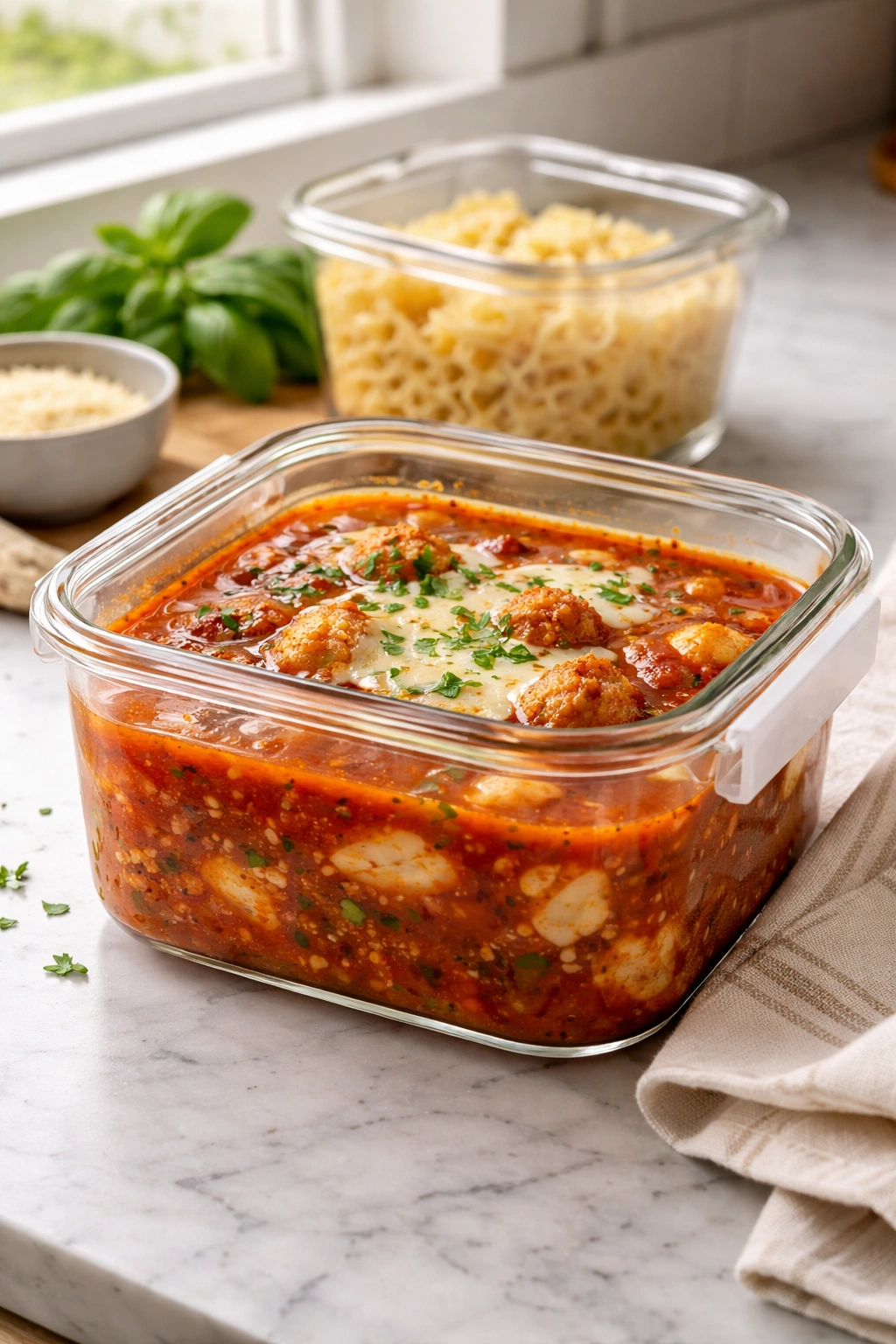
One of soup’s greatest advantages is that it often tastes better the next day once flavors have had time to fully develop and marry. Understanding how to make and store chicken parm soup means you can work intelligently with your schedule.
You can prepare the soup base—everything up through the initial simmer before adding pasta and chicken—up to three days in advance. Cool the soup completely, transfer it to airtight containers, and refrigerate. When you’re ready to serve, reheat the base gently over medium-low heat until steaming, then add the cooked chicken and pasta and proceed from step eight in the cooking instructions. This approach gives you most of the convenience of making soup ahead while ensuring the pasta stays perfectly textured.
Alternatively, make the complete soup, but hold the pasta and store them separately. Cool the soup and pasta separately, place in airtight containers, and refrigerate for up to four days or freeze for up to three months. When reheating, combine the cold pasta with the reheated soup—the contrast of temperatures will equalize, and you’ll avoid the mushy pasta problem that comes from long storage.
For the absolute busiest schedules, prep your aromatics and other chopped ingredients the night before. Store the diced onion, minced garlic, and any other fresh ingredients in airtight containers in the refrigerator. They’ll stay fresh for twenty-four hours and are ready to go straight into the pot when you start cooking.
Portion the soup into individual serving containers if you’re planning to eat it throughout the week. This makes reheating faster and more precise, and you can grab a serving without opening the whole batch.
Storage and Reheating for Maximum Freshness
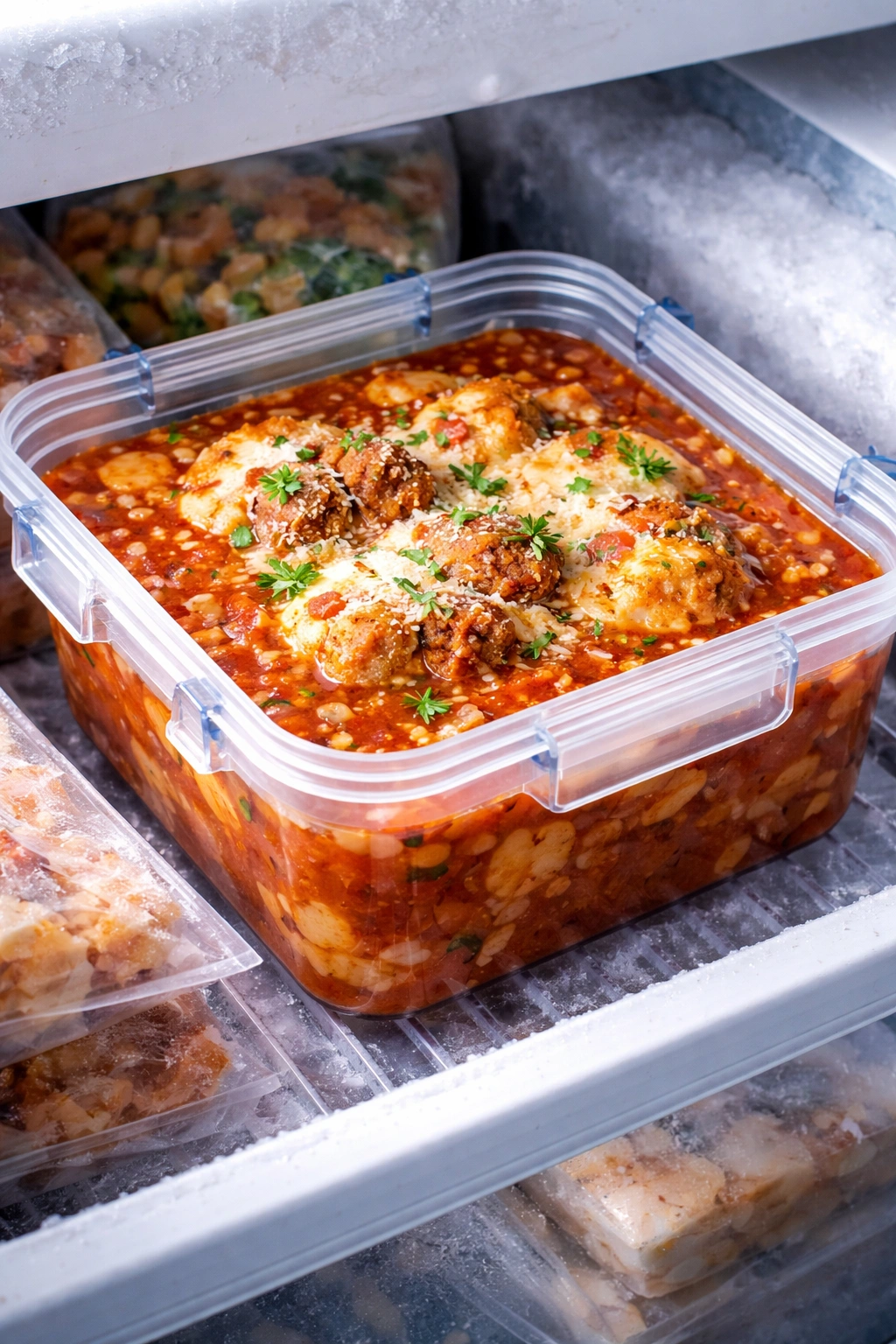
Proper storage extends your soup’s life and maintains its quality, while incorrect storage can ruin an otherwise delicious batch in a day or two. Knowing the best practices means your efforts pay off over multiple meals.
Allow the soup to cool to room temperature before refrigerating. This prevents condensation from forming inside your container, which can dilute the soup. You can speed cooling by spreading the soup in a wide, shallow container rather than piling it deep in a narrow one.
Store cooled soup in airtight containers in the refrigerator for up to four days. Glass containers with locking lids work particularly well because they’re visible (so you remember what you have) and seal tightly.
For freezing, use freezer-safe containers or bags, leaving about an inch of headspace at the top since liquids expand slightly as they freeze. Label the container with the contents and the date. The soup will keep frozen for up to three months, though it tastes freshest within the first month.
When reheating, thaw frozen soup overnight in the refrigerator if possible, then reheat gently over medium-low heat on the stovetop. Stir occasionally and add a splash of chicken broth or water if the soup has thickened too much during storage (this happens because the pasta continues absorbing liquid). Microwaving works in a pinch, but stovetop reheating gives you more control over temperature and texture.
If you stored the pasta separately, add it to the reheated soup just before serving rather than letting it sit in the broth. This preserves the pasta’s texture and prevents the soup from becoming thicker and heavier as the pasta absorbs liquid.
Never refreeze thawed soup, as this creates food safety risks. If you thawed a large batch and won’t use it all within four days, consider freezing the unused portion back to avoid waste, but do this only once.
Delicious Serving Suggestions and Pairings
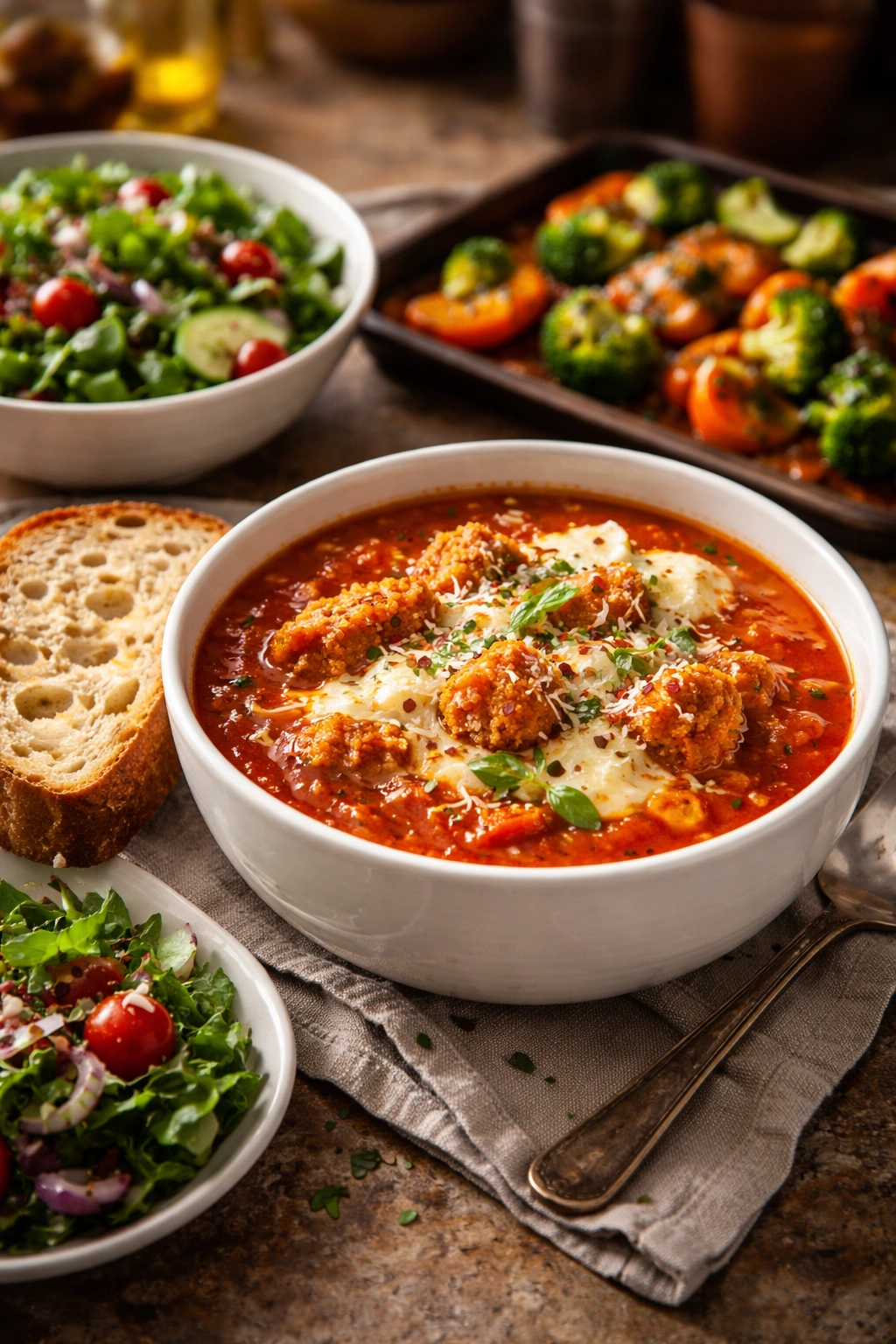
Chicken parm soup stands beautifully on its own as a complete meal, but thoughtful accompaniments and presentation elevate it from dinner to an experience. Consider these serving suggestions that play to the soup’s strengths while balancing its richness.
Crusty bread is the classic accompaniment, and for good reason. A toasted slice of ciabatta, focaccia, or a sturdy sourdough becomes a vehicle for soaking up every last drop of broth. Garlic bread is particularly wonderful with this soup—the toasted garlic complements the savory cheese and herbs beautifully.
A fresh green salad provides refreshing contrast to the soup’s richness. A simple toss of arugula or mixed greens with a bright vinaigrette—perhaps lemon-based or with white wine vinegar—cleanses the palate between spoonfuls and adds textural variety to the meal.
Roasted vegetables served alongside the soup add heartiness and nutrition. Roasted broccoli, Brussels sprouts, or green beans with a drizzle of olive oil and a sprinkle of salt complement the soup without competing for attention.
For a more complete, heavier meal, serve the soup over cooked pasta. Ladle the soup over a nest of cooked penne or shells in a wide bowl—this transforms the soup into something closer to a pasta dish and creates a more substantial dinner.
Top individual bowls with crispy croutons for textural contrast, especially if you’re serving the soup to guests and want visual appeal. Homemade croutons, tossed with olive oil and Italian seasoning, taste infinitely better than store-bought and take just ten minutes to make.
A grating of fresh Parmesan and a sprinkle of fresh basil at the table lets people customize their own bowl to their preference. Some prefer more cheese, others less—offering choices makes everyone happy.
For wine pairing, a light white wine with good acidity works beautifully. A crisp Pinot Grigio, Albariño, or even a dry rosé cuts through the richness of the cheese and complements the tomato-based broth without overwhelming the delicate flavors.
Flavor Variations to Keep Things Interesting
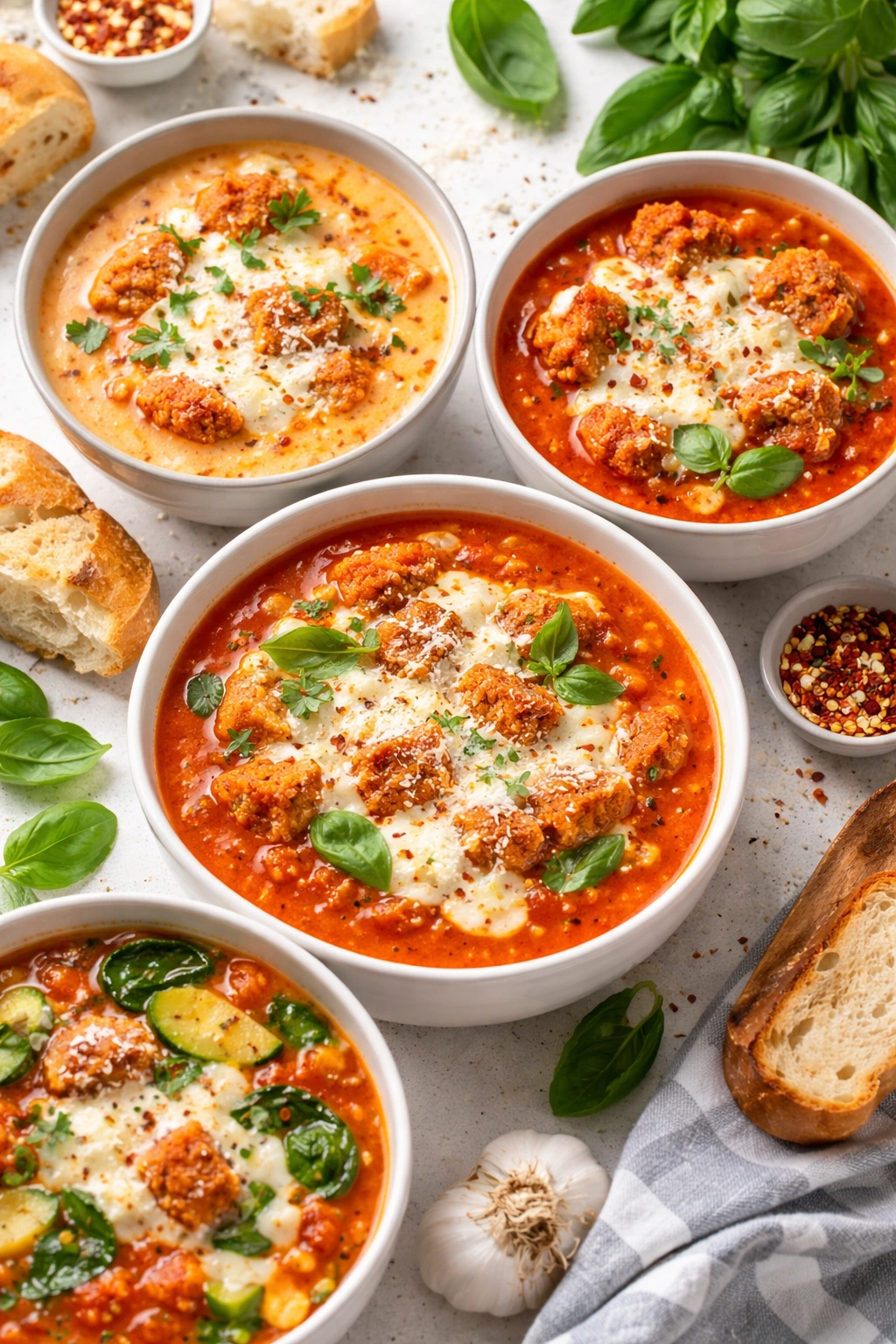
Once you’ve mastered the basic recipe, variations let you keep the soup exciting and suited to different moods and seasons. Each variation maintains the essential character of chicken parm soup while taking it in a slightly different direction.
A creamy version of this soup appeals to those who prefer richer textures. Add half a cup to a full cup of heavy cream (depending on your preference) during the last step before adding cheese. Stir it in slowly to prevent curdling, and reduce the amount of cheese slightly since cream adds richness. The result is more luxurious and closer to a bisque than a traditional brothy soup.
For a spicier version, increase the red pepper flakes to ½ teaspoon and add a pinch of cayenne pepper along with them. Some cooks also include diced fresh jalapeños added during the simmer for a more pronounced, fresh heat. Start with less spice and add more to taste—you can always make it spicier, but you can’t reduce heat once it’s in.
A vegetable-forward variation incorporates fresh or frozen vegetables. Diced zucchini, bell peppers, mushrooms, or spinach all work beautifully. Add heartier vegetables like zucchini when you add the pasta so they have time to cook properly. Spinach or more delicate vegetables can be stirred in at the very end, just before serving, so they wilt slightly without overcooking.
For a white chicken parmesan soup, replace the crushed tomatoes with chicken broth and add heavy cream along with a splash of white wine. Omit the tomato paste and adjust the herbs—this becomes more of an Alfredo-style soup with chicken and pasta. It’s lighter in color but richer in texture, and it appeals to those who love creamier dishes.
A tortellini version substitutes fresh or frozen cheese tortellini for the penne. Add the tortellini a few minutes before the end of cooking since it cooks faster than penne. The result is extra cheesy since the tortellini itself is cheese-filled, so you might reduce the final Parmesan and mozzarella slightly to avoid overwhelming cheese flavor.
Dairy-Free and Dietary Adaptations
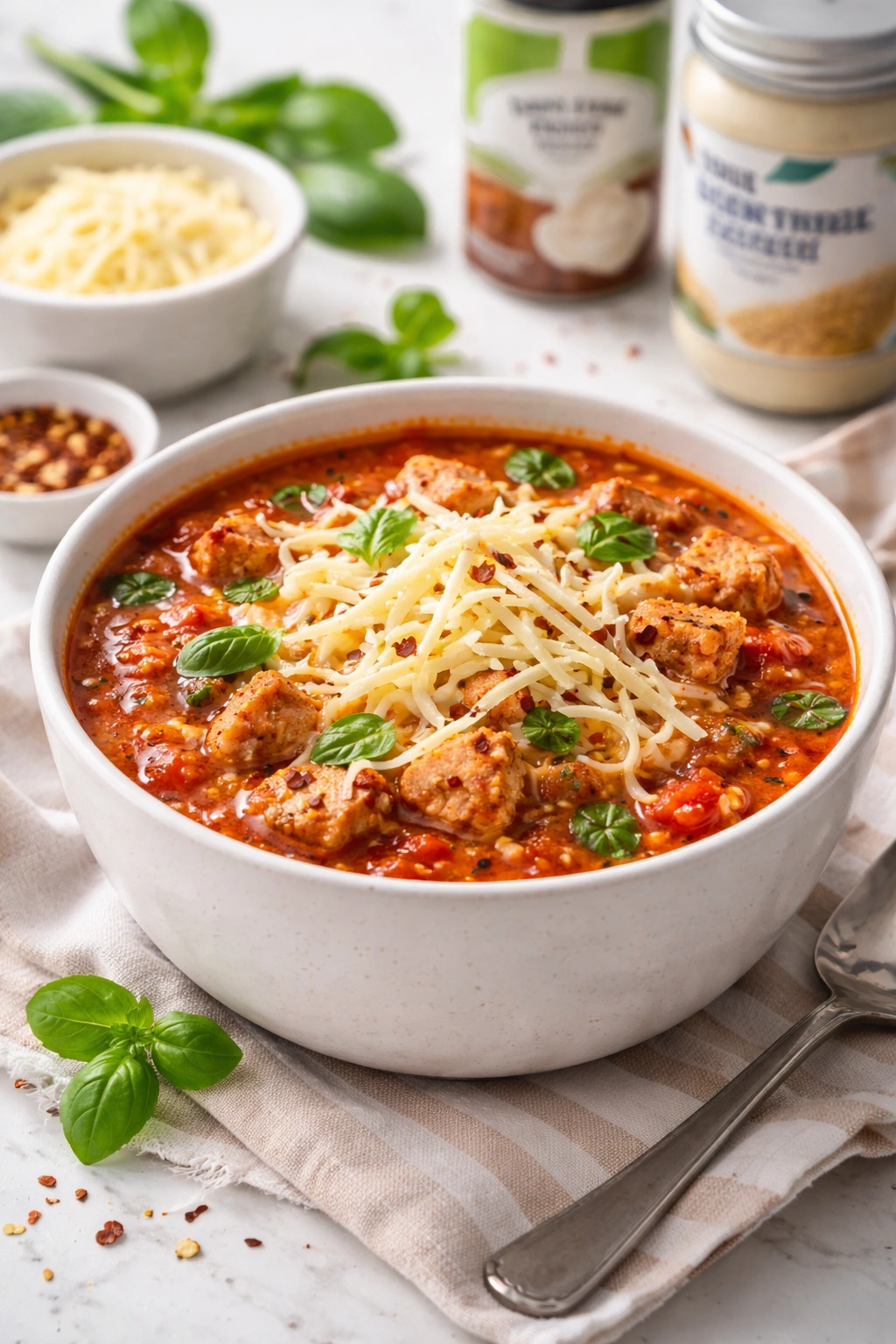
Not everyone can or wants to eat dairy, and fortunately, chicken parm soup adapts beautifully to various dietary restrictions without sacrificing satisfaction or taste. These adaptations let everyone enjoy this comforting dish, regardless of their dietary needs.
For a dairy-free version, replace the mozzarella and Parmesan with dairy-free alternatives. Brands like Violife, Miyoko’s, and Follow Your Heart make mozzarella and Parmesan alternatives that melt reasonably well and provide that cheesy flavor you’re after. These alternatives can be slightly grainier than dairy versions, so stir them in gently at the end rather than during cooking.
Nutritional yeast offers a dairy-free way to add that characteristic Parmesan sharpness and umami. Add two to three tablespoons of nutritional yeast with the other seasonings, stirring it in thoroughly. It adds flavor and nutrients without dairy, though it doesn’t create the same melted cheese effect as regular Parmesan.
Coconut milk can replace heavy cream in a creamy version of this soup, though it will taste slightly different—richer and with a subtle coconut undertone. Use the full-fat canned version for best results, stirring it in slowly at the end.
For a gluten-free version, simply use gluten-free pasta instead of regular wheat pasta. Brands like Barilla, Banza, and Tinkyada make excellent gluten-free pasta shapes that hold up well in soup. Allow them slightly longer cooking time than the package suggests, as gluten-free pasta sometimes needs an extra minute or two to reach perfect al dente.
A paleo or whole-30 version omits the pasta entirely and adds extra vegetables instead. Double the amount of diced vegetables—zucchini, carrots, bell peppers, and mushrooms—and cook them until tender before serving. The result is lighter and vegetable-forward but still deeply satisfying.
For a low-sodium version, use no-salt-added or low-sodium broth, omit added salt entirely, and taste carefully before adding any at the end. You’ll find the soup’s other flavors become more prominent and nuanced.
Final Thoughts
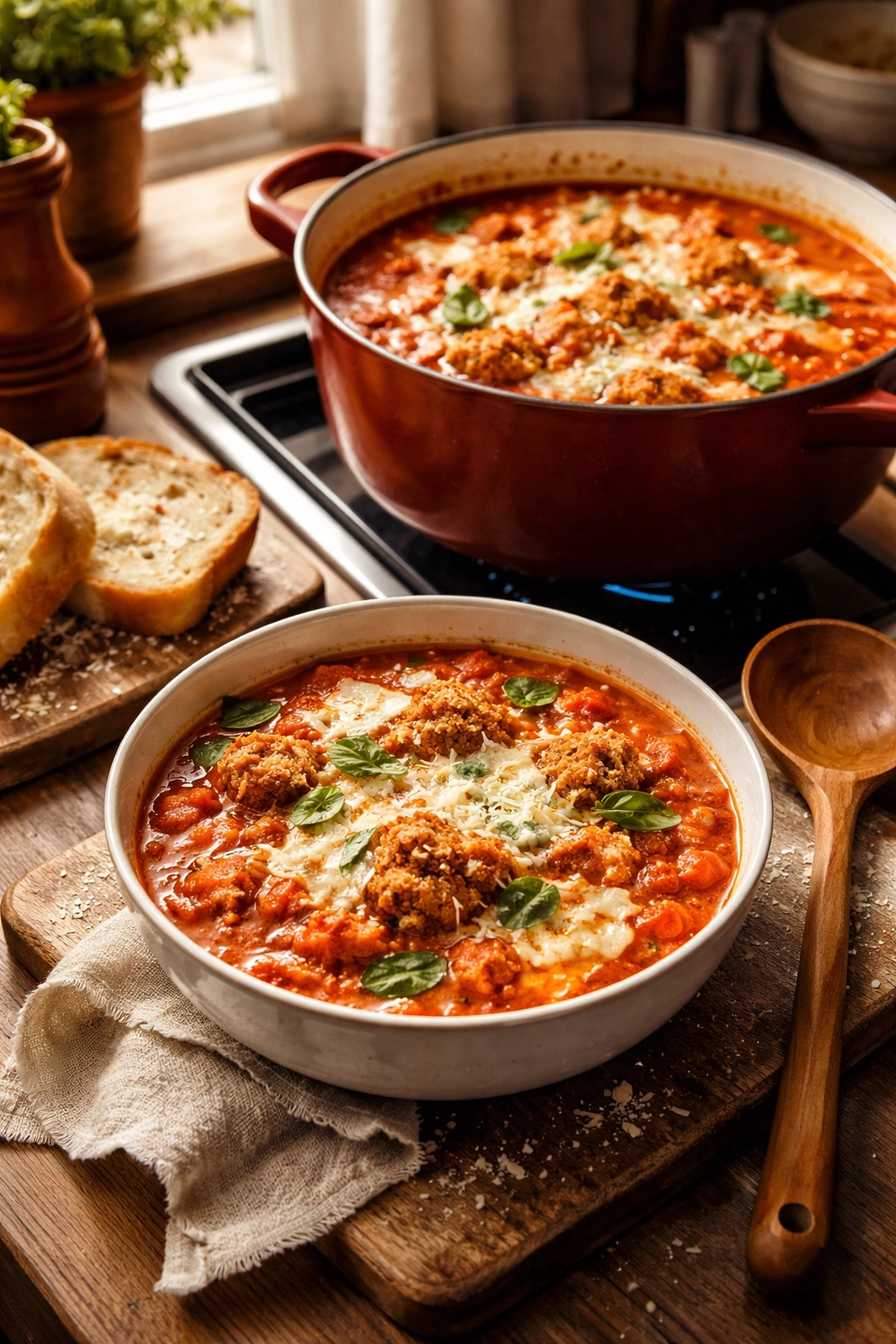
Chicken Parm Soup achieves something genuinely special: it tastes indulgent and restaurant-quality while being entirely accessible for weeknight cooking. You don’t need special equipment, advanced techniques, or hard-to-find ingredients. You just need a pot, good quality basics, and a few minutes of attention.
The beauty of this soup reveals itself in its versatility. Make it once following the basic recipe to understand how all the components work together. Then, use that understanding as a foundation for variations that suit your mood, your pantry, and your dietary preferences. Add vegetables when you have them. Make it creamier or lighter. Adjust the spice level. The soup welcomes these changes while maintaining its essential comforting character.
When chilly evenings arrive and you need something warming that doesn’t demand hours in the kitchen, remember that a pot of chicken parm soup can be ready in under an hour. Better yet, remember that it tastes even better the next day, making it perfect for meal prep and batch cooking. You’ll serve it to yourself multiple times during the cold months and likely find yourself making it regularly once you realize how satisfying and straightforward it actually is.
The comfort food payoff is immediate—that first spoonful, the warmth spreading through you, the familiar flavors that taste like someone cared enough to cook something special. That’s what chicken parm soup delivers, night after night, without fanfare or fuss. It’s reliable, delicious, and absolutely worth keeping in your regular rotation.
