



Picky eaters and dairy-free requirements can feel like opposing forces in the kitchen, but they don’t have to be. The real challenge isn’t finding something your family will eat — it’s finding something that’s actually good enough to make again without complaint. Dairy-free dinners have earned an undeserved reputation for being either boring vegetable-heavy affairs or complicated dishes that require specialty ingredients from three different stores. The truth is far more encouraging: some of the most satisfying, kid-approved dinners naturally happen to be dairy-free, and you probably have the ingredients already on hand.
The hardest part about feeding a picky eater on a dairy-free diet is understanding what actually makes food appealing to them — and it’s rarely what you’d expect. Picky eaters aren’t rejecting good nutrition out of spite; they’re responding to taste, texture, temperature, and presentation in ways that are entirely logical once you understand the pattern. A child who refuses a creamy casserole might love the exact same ingredients in a different form. Someone who turns their nose up at a “healthy” dinner might eat twice as much if the same meal is served as finger food or with a dipping sauce.
What makes dairy-free dinners work for skeptical eaters is simplicity with depth. You’re not replacing cream with coconut milk in every recipe or asking your family to embrace “alternative” versions of foods they already know. Instead, you’re building meals where dairy was never the main event in the first place — meals based on flavor, texture, and satisfaction that just happen to be naturally free from milk, cheese, and butter. The dinners that work best are the ones your picky eaters actually ask for again, not the ones you have to negotiate around.
The Real Reason Picky Eaters Reject Dairy-Free Meals
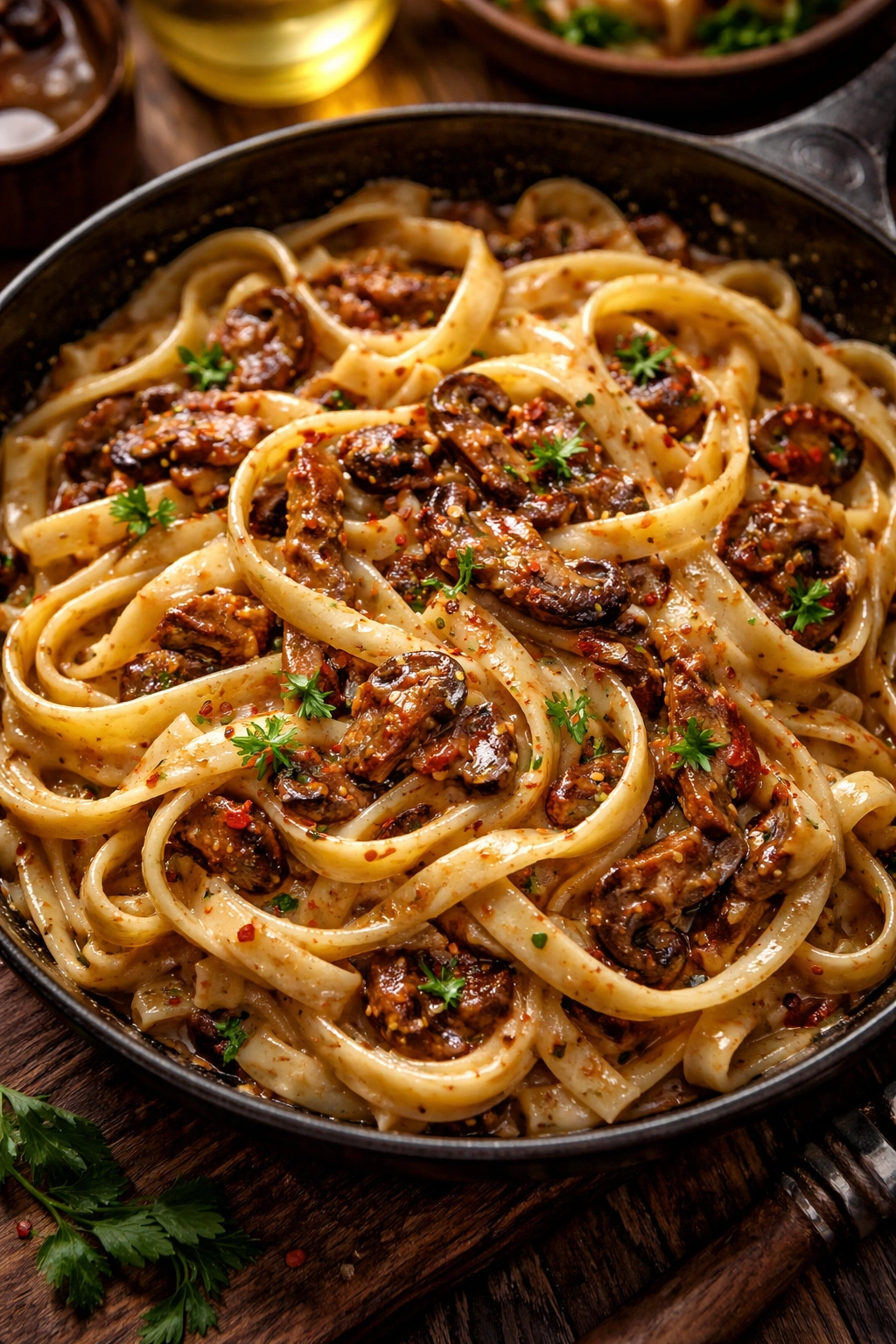
Most dairy-free dinners fail not because they lack dairy, but because they’re missing something essential that made the original version satisfying. That’s usually richness — and richness doesn’t always come from cream. Understanding this distinction changes everything about how you approach dairy-free cooking for a skeptical audience.
When a picky eater rejects a dairy-free pasta dish, they’re often responding to one of a few specific problems. The sauce feels thin or watery rather than coating the pasta with body. The flavors taste flat or vaguely “off” without being able to pinpoint why. The meal feels incomplete, like something is missing from the plate. Or — and this is surprisingly common — the food is perfectly fine, but the presentation or the way it’s served makes it feel like a substitute rather than something genuinely worth eating.
The solution isn’t to make dairy-free versions of dairy-heavy dishes. It’s to build meals where richness comes from other sources: fat from olive oil and quality cooking fats, depth from caramelized vegetables and browned proteins, umami from tomatoes and soy sauce, and textural contrast from crunchy elements. These meals don’t feel like they’re missing anything because they’re designed around abundance, not deprivation.
Picky eaters respond remarkably well to food that tastes intentional and complete. A roasted chicken thigh with crispy skin, seasoned potatoes, and charred vegetables is inherently satisfying — no dairy required. The same principle applies to every meal category: tacos with seasoned ground meat and toppings, stir-fries with sauce and texture contrast, grain bowls with roasted vegetables and a flavorful dressing, pasta with olive oil and garlic. The meals that work are ones built on flavor foundations that picky eaters already understand and enjoy.
Building Foundational Flavors Without Dairy
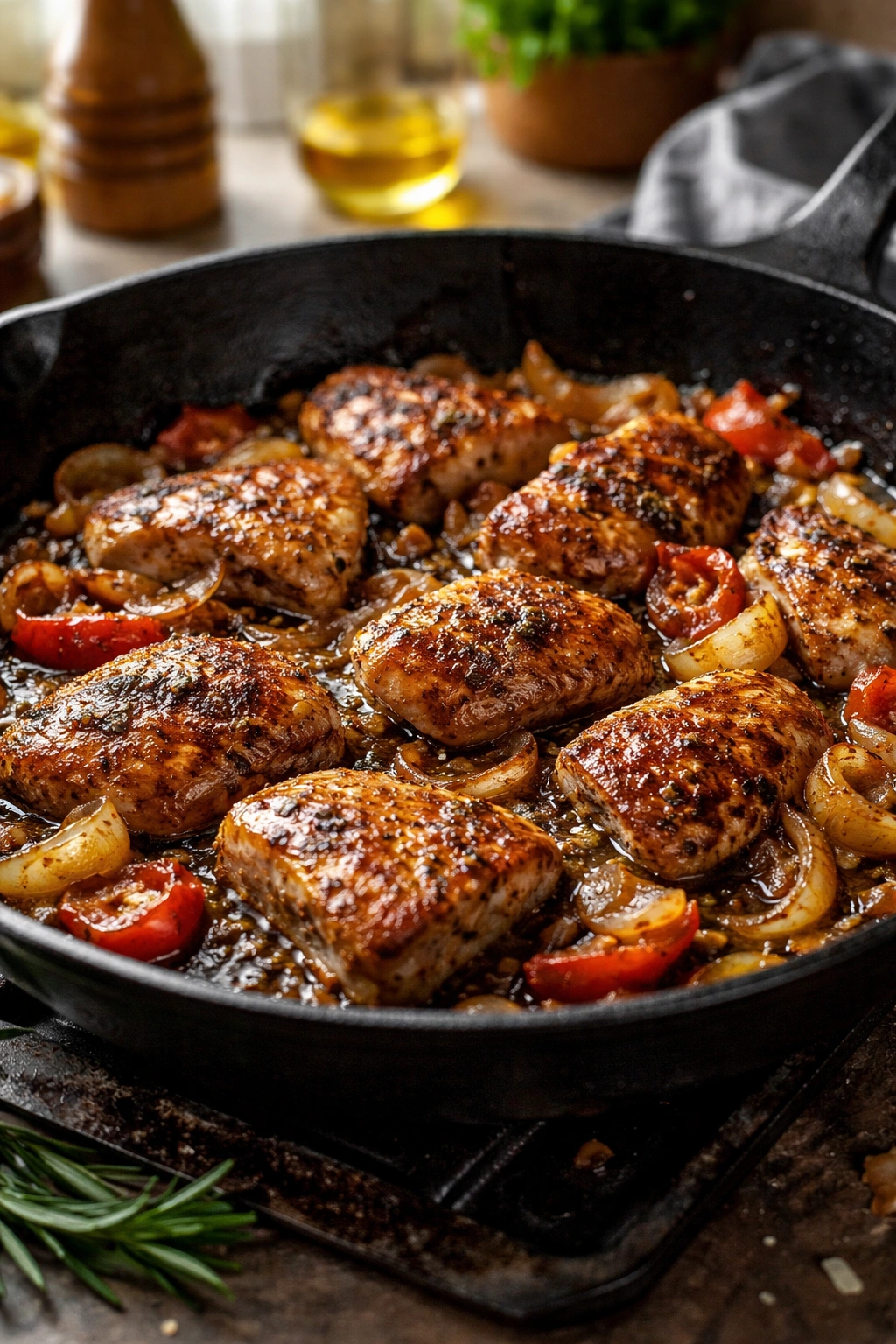
The secret to dairy-free dinners that stick around your dinner table is building them on flavor foundations that resonate with how picky eaters already eat. These foundations are consistent across successful meals, whether you’re making dinner for a family with one dairy-free eater or an entire household avoiding dairy.
Salt and fat are non-negotiable. This isn’t about health debates; it’s about how taste perception works. Salt amplifies flavor and makes everything taste more like itself — it’s why food tastes dull without enough seasoning. Fat carries flavor and creates the sensation of richness your picky eater is expecting. Use good olive oil generously, cook proteins in their own fat when possible, and don’t apologize for using it. A pasta dish dressed with quality olive oil, garlic, and a pinch of sea salt will satisfy a picky eater far more than the same pasta in a watery tomato sauce.
Browned food tastes better. The Maillard reaction — the chemical process that creates brown crusts on roasted vegetables, seared meat, and toasted grains — creates complex, savory flavors that feel rich without any dairy involvement. A picky eater will eat roasted broccoli with crispy edges before they’ll touch steamed broccoli, not because the steamed version is “too healthy,” but because the roasted version actually tastes better. Apply this to everything: brown the ground meat before making tacos, roast the vegetables instead of steaming them, toast the grain before cooking it into a bowl.
Umami is your secret weapon. Umami — that savory, mouth-filling sensation — comes from tomatoes, mushrooms, soy sauce, fish sauce, nutritional yeast, and slow-cooked meat broths. These ingredients create the same satisfying depth that many picky eaters associate with cheese and cream, but through an entirely different mechanism. A pot of pasta with tomatoes simmered for 20 minutes tastes more complete than a pasta with watered-down cream, because tomatoes have actual umami compounds. Use tomato paste, cooked mushrooms, soy sauce, or bone broth in your dairy-free dinners to build the foundation these meals need.
Pasta Dishes That Don’t Need Cheese to Be Complete
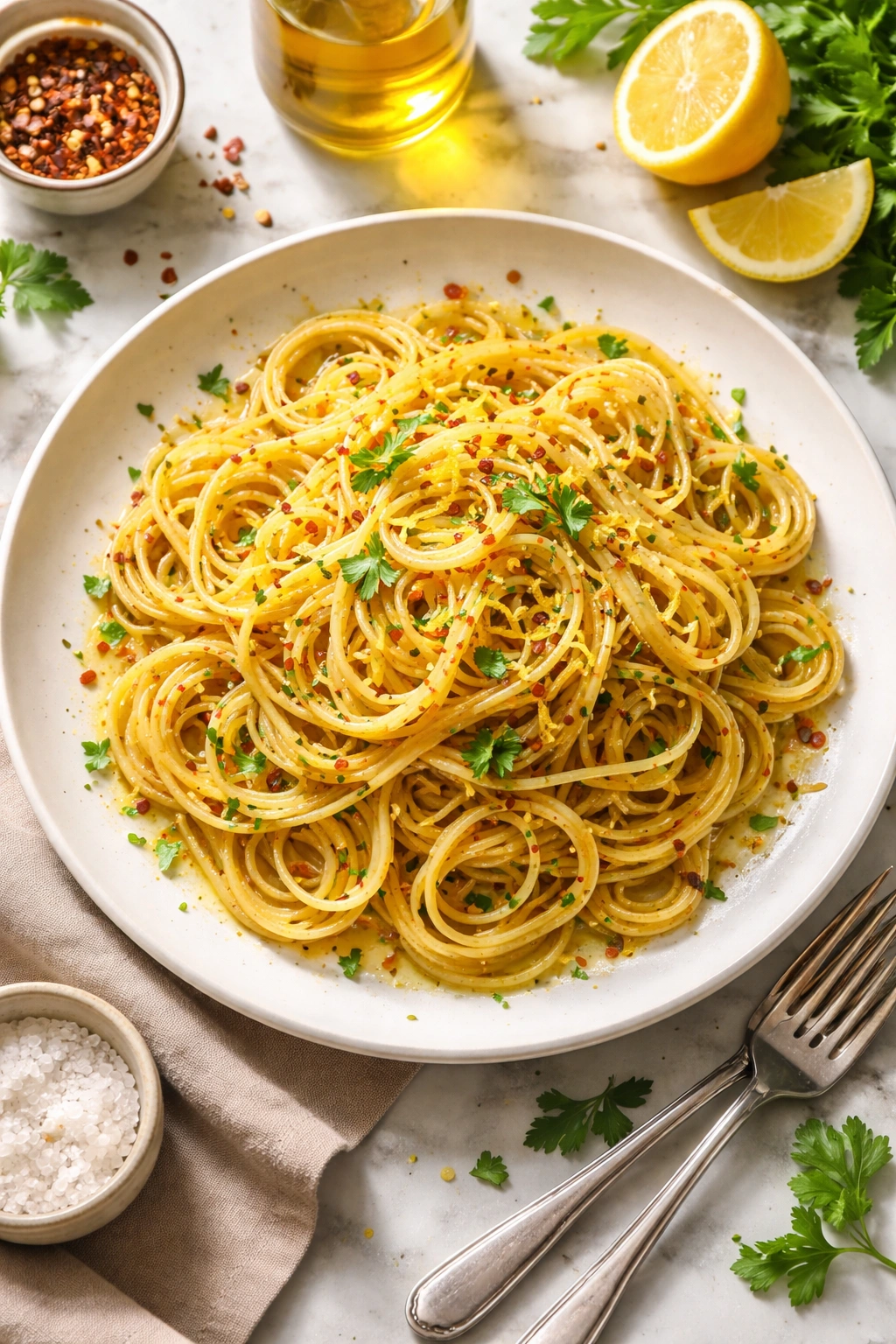
Pasta is often where dairy-free cooking fails with picky eaters because people try to replace the cream with substitutes. The better approach is forgetting about cream entirely and building pasta dishes where olive oil, tomatoes, or other strong flavors are the main event.
Aglio e olio — pasta with garlic and olive oil — sounds so simple it feels incomplete. It isn’t. The method is almost meditative: slowly cook thinly sliced garlic in generous amounts of good olive oil until the garlic is golden and completely soft, toss the cooked pasta with this oil, add red pepper flakes and sea salt, finish with pasta water to create a light sauce that clings to the noodles. The result is somehow richer than heavy cream, and picky eaters love it because the flavors are straightforward and the texture is silky without feeling fake. A squeeze of lemon and fresh parsley at the end add brightness without being “healthy.”
Tomato-based sauces work beautifully without dairy because tomatoes have natural depth and body. A simple marinara simmered for at least 20 minutes develops sweetness and complexity that feels complete on its own. Add ground meat browned with garlic and onions for extra umami, or pile the pasta with roasted vegetables mixed in. The key is cooking the sauce long enough that it reduces and concentrates — thin tomato sauce feels incomplete; thick tomato sauce feels intentional.
Oil-based sauces with vegetables and protein satisfy picky eaters because every element is visible and recognizable. Pasta with sautéed mushrooms and garlic, pasta with roasted broccoli and olive oil, pasta with ground meat and herbs — these meals work because each ingredient contributes something the eater can identify and appreciate. Skip trying to create fake creaminess and instead build flavor through caramelized vegetables, browned meat, and good seasoning.
Rice and Grain Bowls That Actually Appeal to Picky Eaters
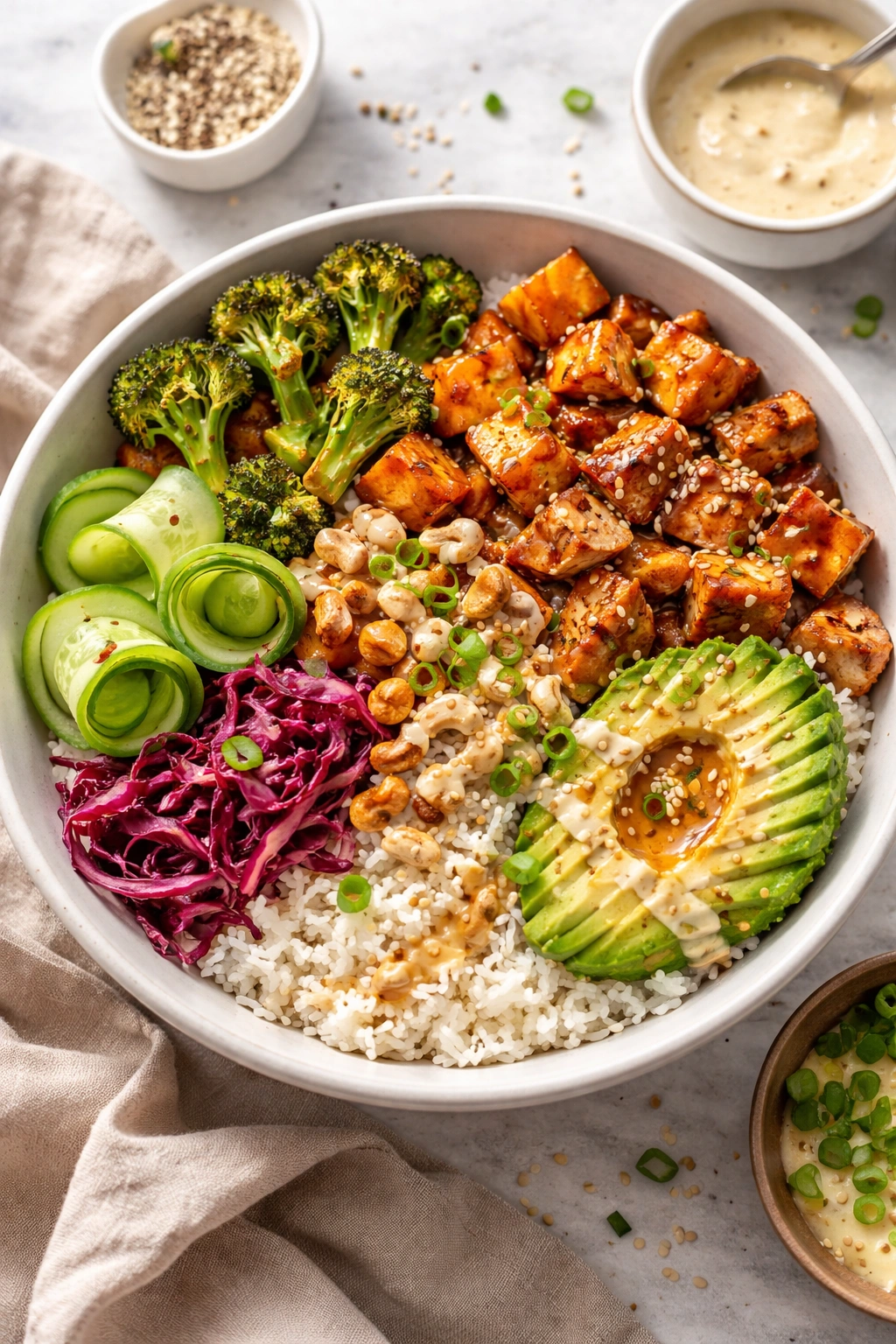
Grain bowls have the advantage of being naturally customizable, which helps with picky eaters who like to see what’s going into their food. The trick is building the bowl around flavors and textures that feel satisfying rather than healthy.
Structure your dairy-free grain bowls with this formula: a flavorful grain base, a protein that tastes good on its own, roasted vegetables that have actual caramelized edges, something crunchy for texture contrast, and a sauce or dressing that ties everything together. Picky eaters respond well to bowls because they can see each component and eat it on their own terms if needed — they can avoid the vegetables they dislike and focus on the protein and grain.
The grain matters more than you’d think. White rice, jasmine rice, or regular rice works better with picky eaters than brown rice or ancient grains because the texture is soft and familiar. Season it properly — cook it in broth instead of water, add salt, finish with a bit of oil. Unseasoned grain feels boring; properly seasoned grain feels intentional. Combine it with a sauce or dressing so the grain isn’t dry.
Roasted or grilled proteins are crucial. A chicken breast that’s been seasoned generously and either roasted until golden or quickly seared in a hot pan tastes completely different from plain boiled chicken. Same with ground meat cooked with spices and aromatics until it’s browned and fragrant. Picky eaters will eat meat they actually enjoy far more readily than “healthy” protein they tolerate. A seasoned beef taco filling works great in a rice bowl with roasted peppers and cilantro-lime dressing.
Roasted vegetables with visible caramelization convince picky eaters that vegetables taste good. Brussels sprouts with crispy outer leaves, broccoli with brown florets, carrots that are soft inside and slightly charred outside — these are completely different from steamed or raw vegetables. Toss them with oil, salt, and nothing else, then roast at high heat until the edges darken. Picky eaters will eat them because they taste like food, not obligation.
Crunchy elements make the meal. A handful of sliced almonds, crushed tortilla chips, toasted seeds, or crispy fried onions add textural contrast that makes the bowl feel more satisfying. This isn’t a garnish — it’s an essential component that transforms the eating experience. Picky eaters who find a bowl of soft food boring will eat it eagerly if there’s something crunchy in every bite.
Tacos and Handheld Meals for Picky Eaters
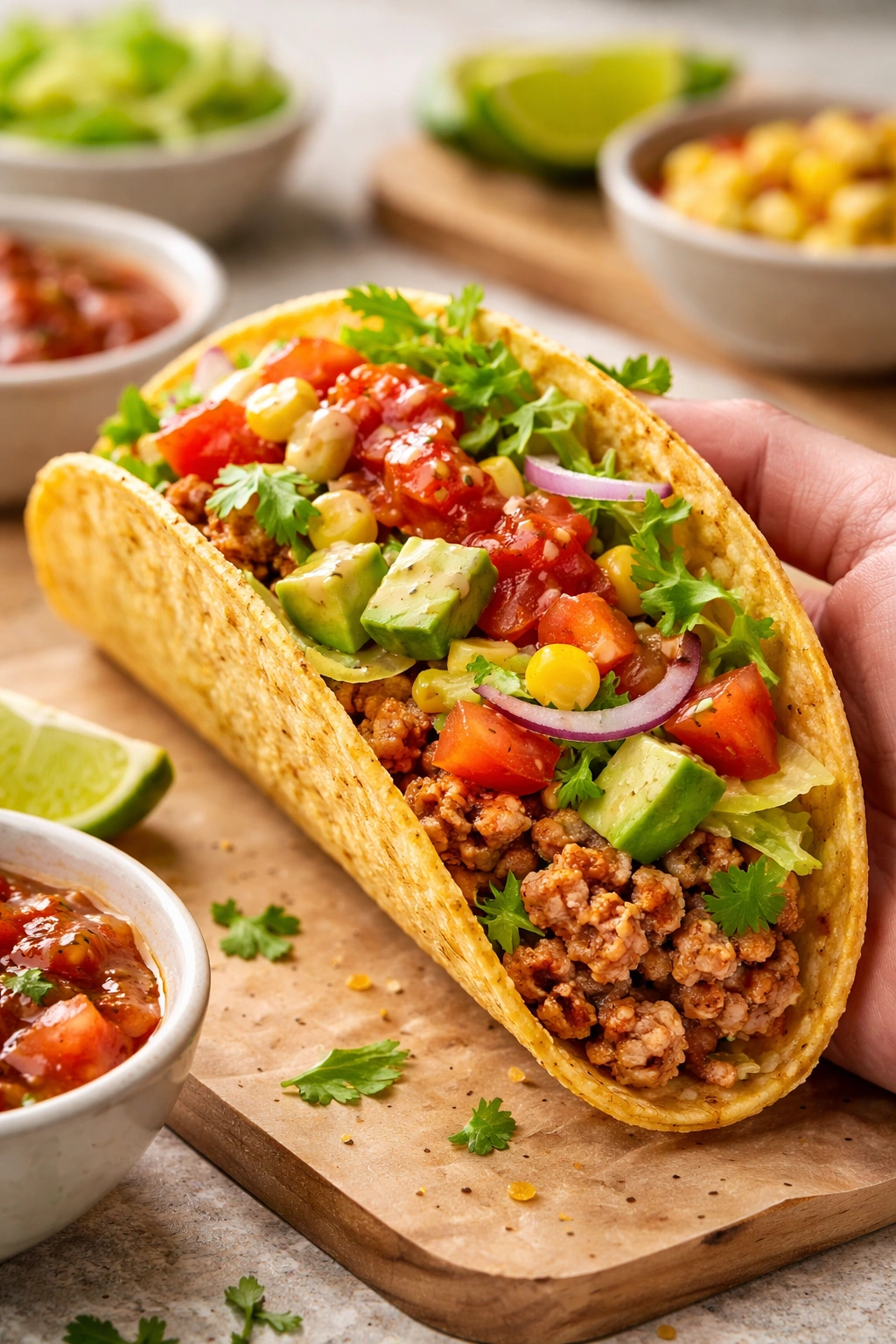
Tacos and other handheld meals are naturally perfect for picky eaters because everyone can build their own plate with exactly what they want to eat. The key is making sure every component actually tastes good — a mediocre taco filling will be rejected no matter how good the toppings are.
Seasoned meat is everything. A taco filling is only as good as its seasoning. Mix ground beef or turkey with cumin, chili powder, garlic powder, onion powder, smoked paprika, and salt, then brown it in a hot pan until it’s fragrant and the spices are toasted into the meat. The result is a filling with actual flavor complexity that tastes intentional, not like you’re serving your picky eater unseasoned meat. Slow-cooked shredded chicken works similarly — cook it with salsa and spices until it’s tender and flavored throughout, not just on the surface.
Serve the components separately. Give your picky eater taco shells or tortillas, the meat filling, and then let them choose toppings from: shredded lettuce, diced tomatoes, sliced avocado, salsa, cilantro, jalapeños, lime wedges, and any sauces. Picky eaters love tacos because they can control what touches their food. Someone might refuse a taco with cilantro mixed throughout but happily eat the same taco where they can pick off the cilantro. Serving components separately eliminates the negotiation.
Dairy-free sauces make the meal. A cilantro-lime crema made from coconut milk or cashew cream adds richness without dairy. A simple salsa has bright acidity. Hot sauce adds punch. These sauces are optional for picky eaters but deeply satisfying for anyone who wants them. The meal works with or without extra sauce because the filling itself is already flavorful.
Consider alternatives to traditional tacos. Rice bowls with seasoned meat and toppings, lettuce wraps with the filling and crunchy vegetables, or even seasoned meat over roasted potatoes all use the same flavorful base but present it in different ways. Variety prevents meal fatigue, which is crucial when feeding someone who already has limited preferences.
Sheet Pan Dinners for Simple, Complete Meals
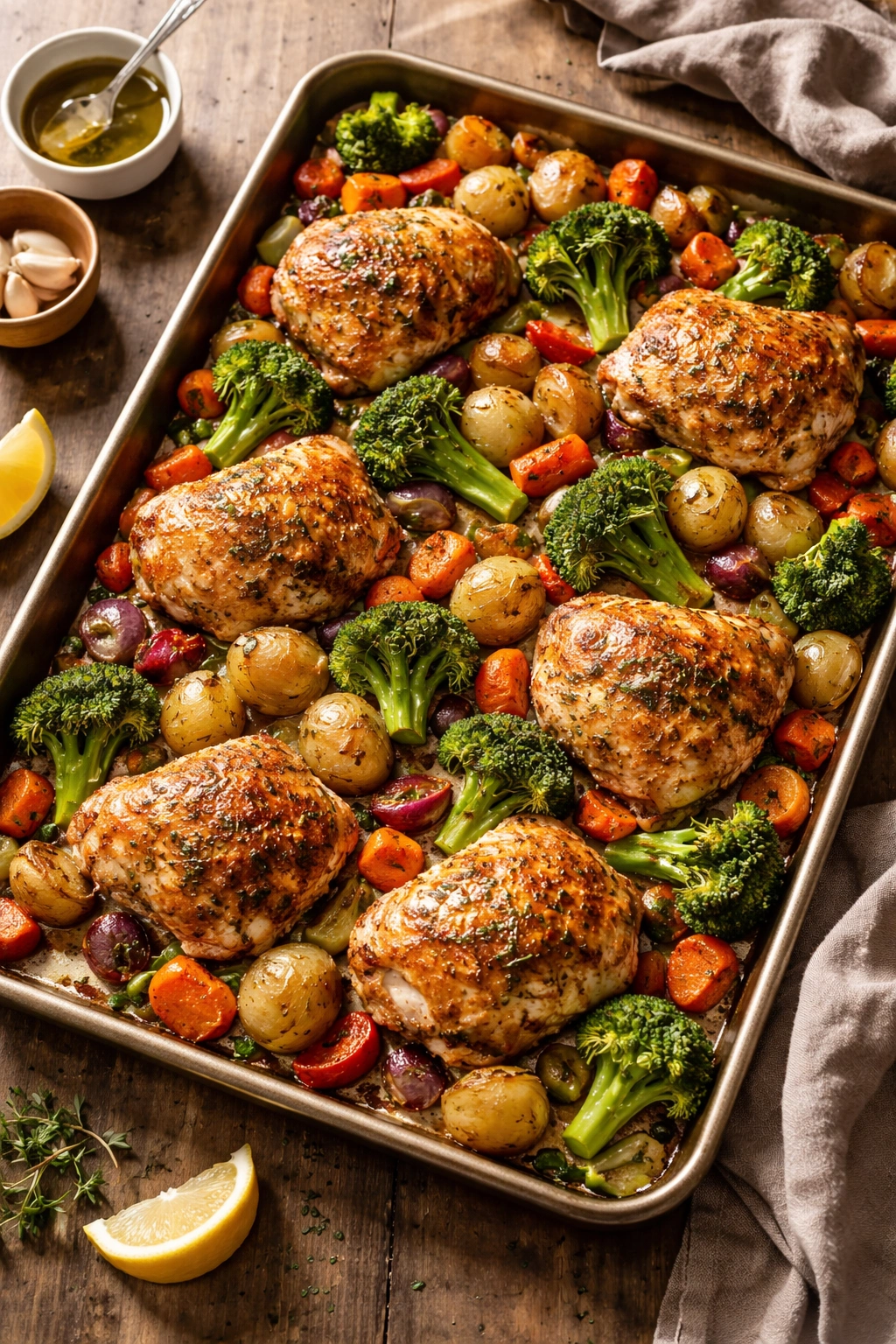
Sheet pan dinners solve multiple problems at once: they’re simple to make, everything cooks together, there’s minimal cleanup, and the finished meal feels complete without any dairy. A properly made sheet pan dinner has layers of flavor and multiple textures that keep even picky eaters satisfied.
The basic formula is protein plus vegetables, all roasted together. Choose a protein that roasts well: chicken thighs (leave the skin on), salmon fillets, ground meat formed into small patties, or hearty vegetables like cauliflower steaks. Pat the protein dry, season generously with salt, pepper, and whatever spices fit your theme. Chop vegetables into similar-sized pieces so they cook evenly — aim for pieces about the size of one bite. Onions, bell peppers, broccoli, Brussels sprouts, carrots, and zucchini all work beautifully.
Toss everything with oil and season it properly. This is where many people go wrong — they skimp on oil or seasoning to avoid “overdoing” it. Vegetables need enough oil to caramelize properly, which requires more oil than you might expect. Season aggressively with salt and any spices that fit your meal: cumin and garlic for a Tex-Mex angle, oregano and garlic for a Mediterranean direction, ginger and garlic for an Asian direction.
Roast at high heat until vegetables have brown edges. The temperature matters. At 400°F (205°C) or higher, vegetables develop caramelized, slightly crispy edges that taste dramatically better than vegetables roasted at lower heat. The higher heat also means faster cooking, which helps picky eaters get through the meal without attention spans wandering.
Serve with a simple sauce or dressing. A squeeze of lemon, a drizzle of tahini mixed with lemon and water, a cilantro-lime dressing made with olive oil and lime juice, or even a simple balsamic vinegar glaze makes the meal feel complete. The sauce ties all the components together and adds brightness.
Stir-Fries and One-Pan Asian-Inspired Dinners
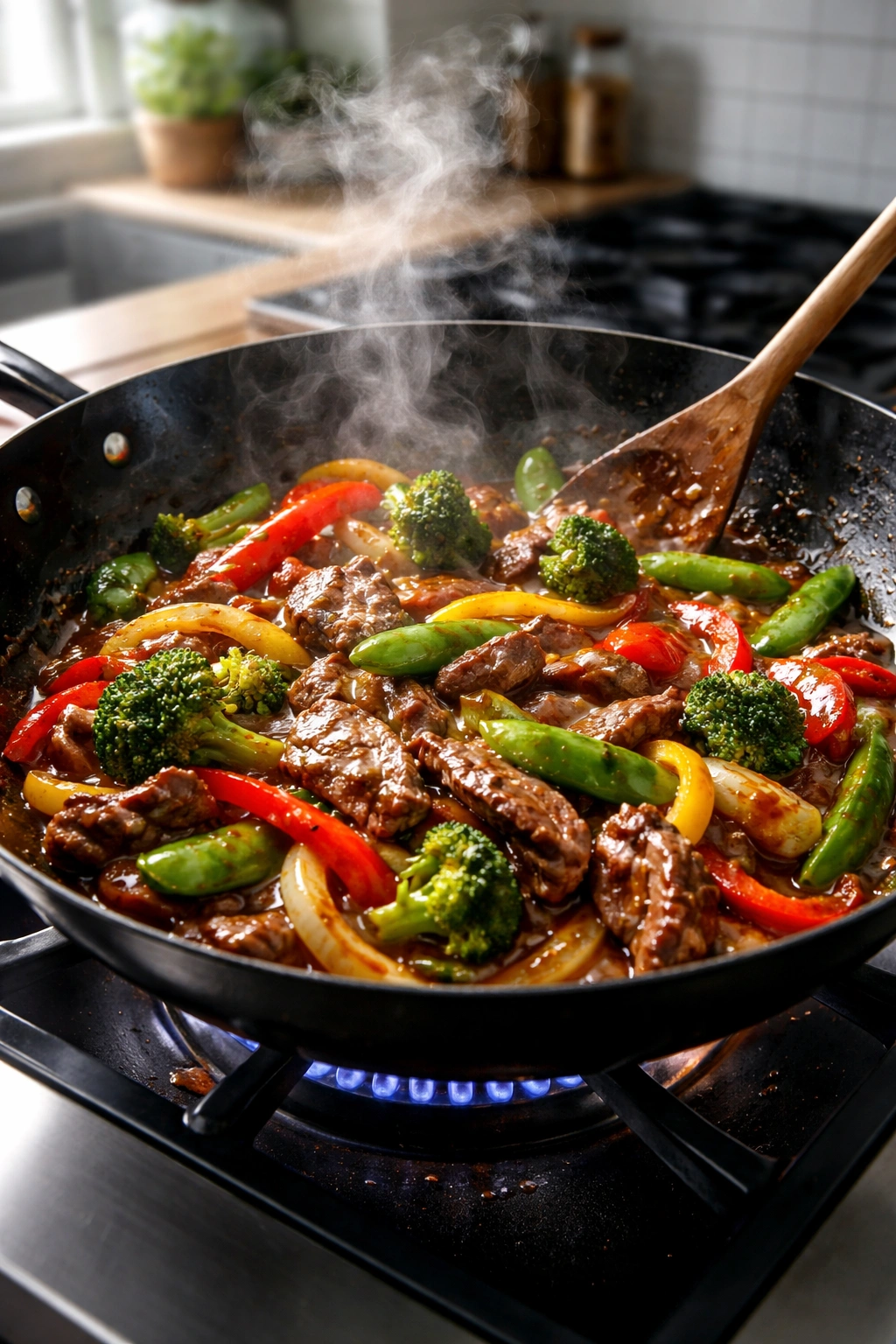
Stir-fries appeal to picky eaters because the food cooks quickly over high heat, maintaining texture and flavor that might get lost in longer cooking methods. Plus, all the components cook in one pan, which feels manageable and reduces cleanup.
Use a properly hot wok or large skillet. This is non-negotiable for good stir-frying. The pan needs to be hot enough that oil shimmers immediately when it hits the surface. This heat is what creates the “wok hei” — the slight char and deep flavor that makes stir-fried food taste dramatically better than pan-fried food.
Cook proteins and vegetables separately, then combine. This prevents overcrowding the pan, which causes steaming instead of searing. Remove the cooked protein and set aside, then cook the vegetables in batches if needed, ensuring each batch gets actual heat and develops color. Once the vegetables are partially cooked, return the protein to the pan, add the sauce, and toss everything together to combine.
The sauce is crucial. A basic stir-fry sauce combines soy sauce, a bit of rice vinegar, minced garlic, and a touch of sugar or honey. Some people add ginger, sesame oil, or sriracha. The sauce should be balanced between salty and tangy, with a subtle sweetness underneath. Even picky eaters who claim to dislike “Asian food” will often eat it without complaint when the sauce is properly balanced, because the flavors make sense to them.
Add texture contrast. Include something crunchy in the finished stir-fry: sliced almonds, cashews, or sesame seeds. The contrast between the soft cooked vegetables and proteins and the crunchy element makes the meal more interesting and satisfying.
Serve over rice or noodles. The grain base makes the meal feel complete and helps picky eaters feel full. White rice is often a safer bet than brown rice with skeptical eaters, though jasmine rice offers better flavor than plain white rice. Rice noodles, lo mein, or regular noodles all work.
Slow Cooker and Instant Pot Meals for Busy Evenings
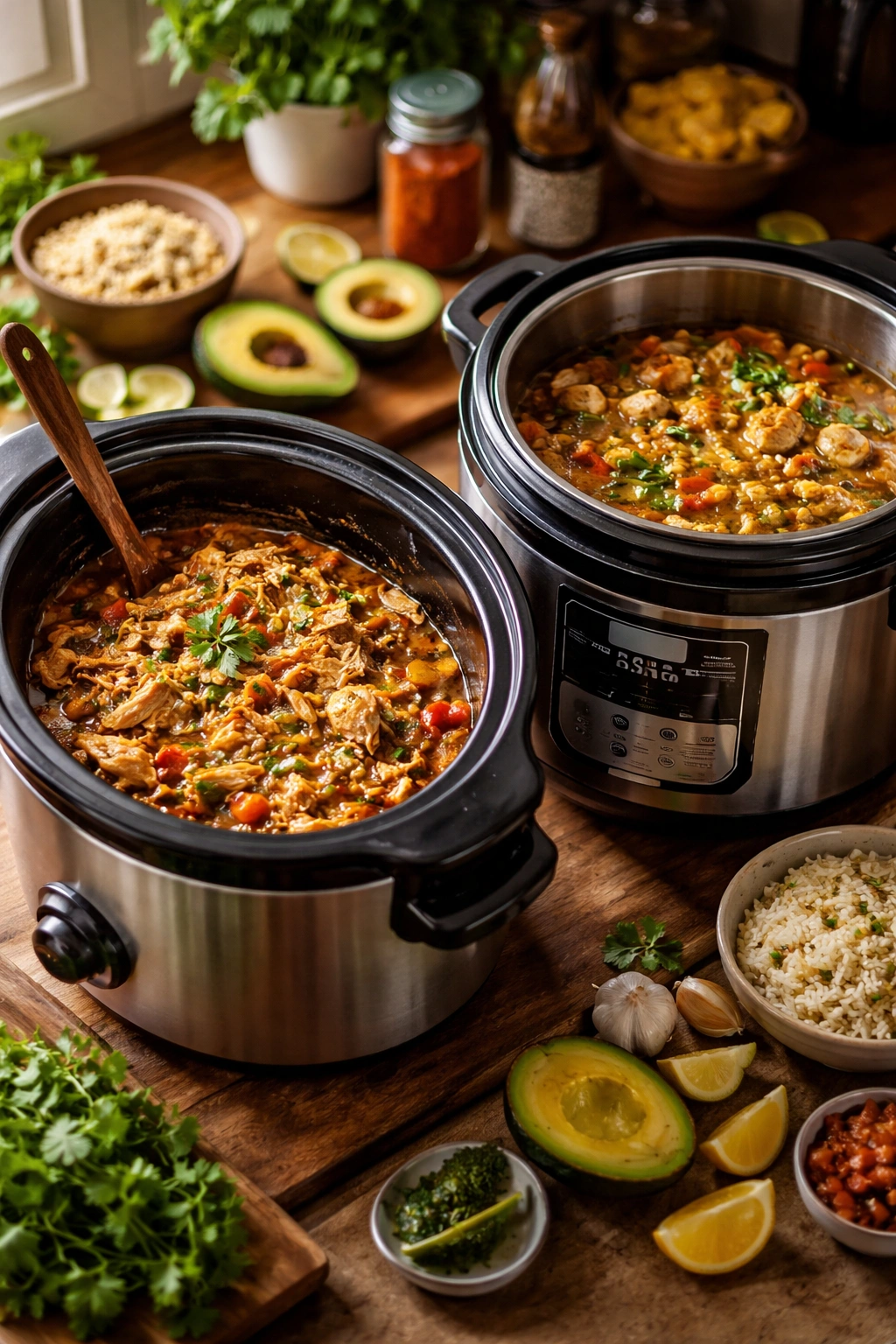
When time is limited, slow cooker and Instant Pot meals save the evening — and these cooking methods naturally create the kind of tender, flavorful results that appeal to picky eaters. The long, slow cooking develops flavors that can’t happen with quick stovetop methods.
Slow cooker meals work because everything becomes tender. Meat becomes fork-tender, vegetables soften completely, and flavors meld together. For a picky eater who dislikes texture, this can be genuinely helpful. A pulled chicken or beef dinner develops flavor and tenderness over hours that satisfies most palates. The key is building flavor from the start with proper seasoning and aromatics.
Make a flavor base first. Before adding everything to the slow cooker, sauté aromatics like onions and garlic to develop their flavor. Add tomato paste and any spices, let them toast for a minute. This step takes five minutes but creates a depth that can’t happen if you just throw ingredients in raw. Then add the protein, any vegetables that hold up well to long cooking (carrots, potatoes, mushrooms), and broth or cooking liquid.
Instant Pot cooking is faster but requires different timing. The Instant Pot excels at creating tender meat and fully cooked vegetables in a fraction of the time. Use the sauté function to brown meat and aromatics first, then add liquid and cook under pressure. The results are similar to slow cooking but happen in 30-45 minutes instead of 8 hours. For picky eaters, the tender results are equally satisfying.
Finish with acidity and fresh elements. A squeeze of lime or lemon, fresh herbs added at the end, or hot sauce served on the side adds brightness that prevents the meal from tasting heavy or one-note. These elements are optional for picky eaters who prefer simplicity, but they improve the meal significantly for anyone who wants them.
Building Meals Around Proteins Picky Eaters Actually Eat
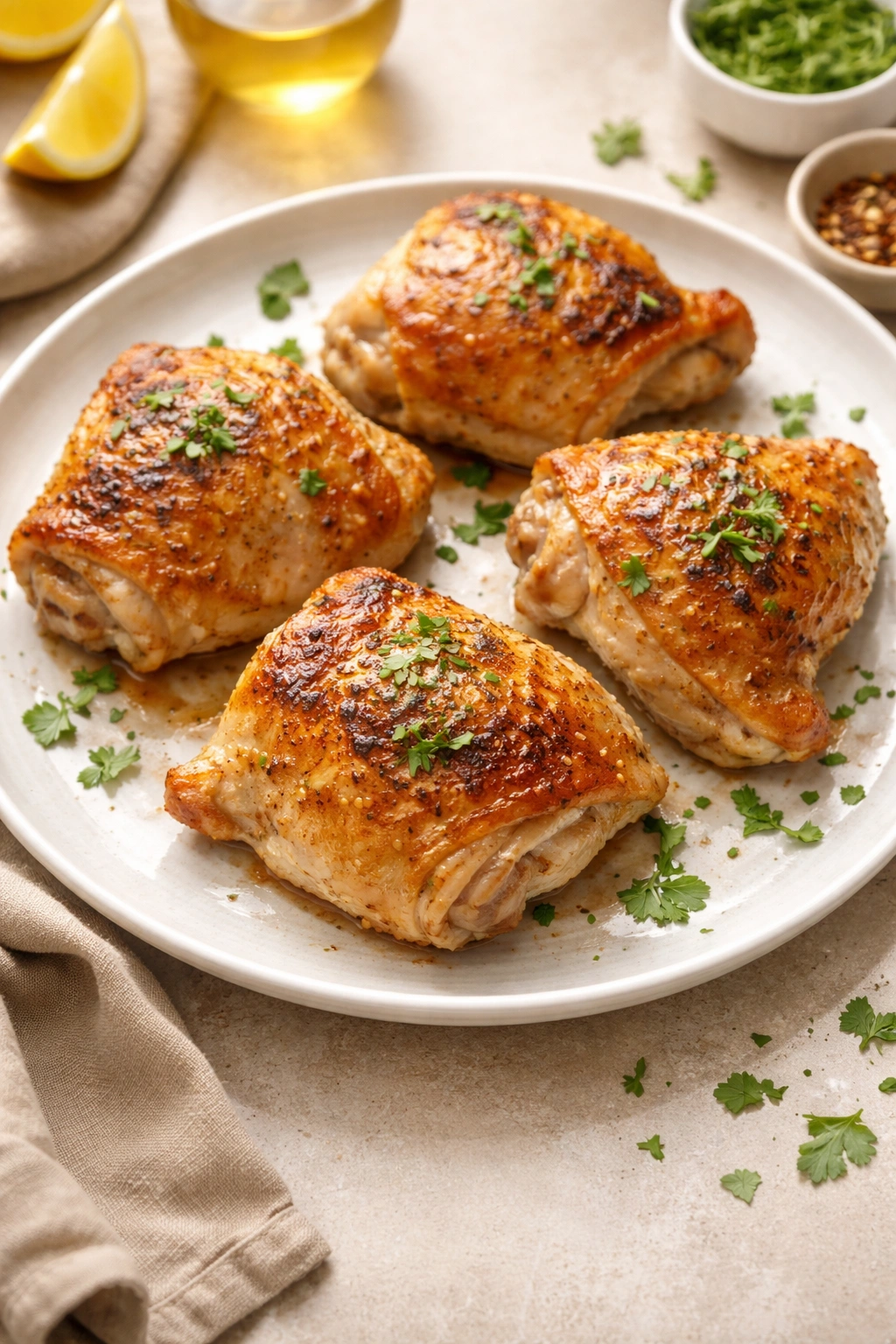
Rather than trying to convince your picky eater to eat new proteins, build your dairy-free dinners around the proteins they already enjoy. This removes one variable from the equation and lets you focus on making the meal taste genuinely good.
Chicken is the safest choice. Most picky eaters eat chicken without complaint, especially if it’s properly cooked and seasoned. Roasted chicken thighs (darker meat is more forgiving), seasoned ground chicken for tacos or pasta, grilled chicken breasts with a sauce, or slow-cooked shredded chicken all work. The key is cooking chicken properly — dry, bland chicken convinces people they dislike it, when what they actually dislike is bad cooking.
Ground meat is exceptionally versatile. Browned ground beef, turkey, or chicken becomes the base for tacos, pasta sauce, rice bowls, lettuce wraps, or even pizza (on a dairy-free crust with dairy-free toppings). The flavor happens during the browning and seasoning step, making it easy to adjust to different meal themes. A picky eater who eats tacos one night can eat nearly the same meat in a different format the next night.
Fish and seafood work well if your picky eater is willing. Salmon is naturally rich and satisfying; white fish is mild and familiar. Both cook quickly and taste good with simple preparation: olive oil, lemon, herbs, and roasted vegetables. If your picky eater enjoys seafood, it’s an excellent option because it usually requires minimal seasoning and cooking time.
Eggs are a complete protein that many picky eaters enjoy. Scrambled, fried, or baked in a frittata with vegetables and meat, eggs create satisfying meals without any dairy. An egg-fried rice with roasted vegetables and meat, an omelet loaded with protein and vegetables, or even shakshuka (eggs poached in spiced tomato sauce) all work beautifully and hit picky eaters’ texture and taste preferences.
Vegetables That Picky Eaters Will Eat
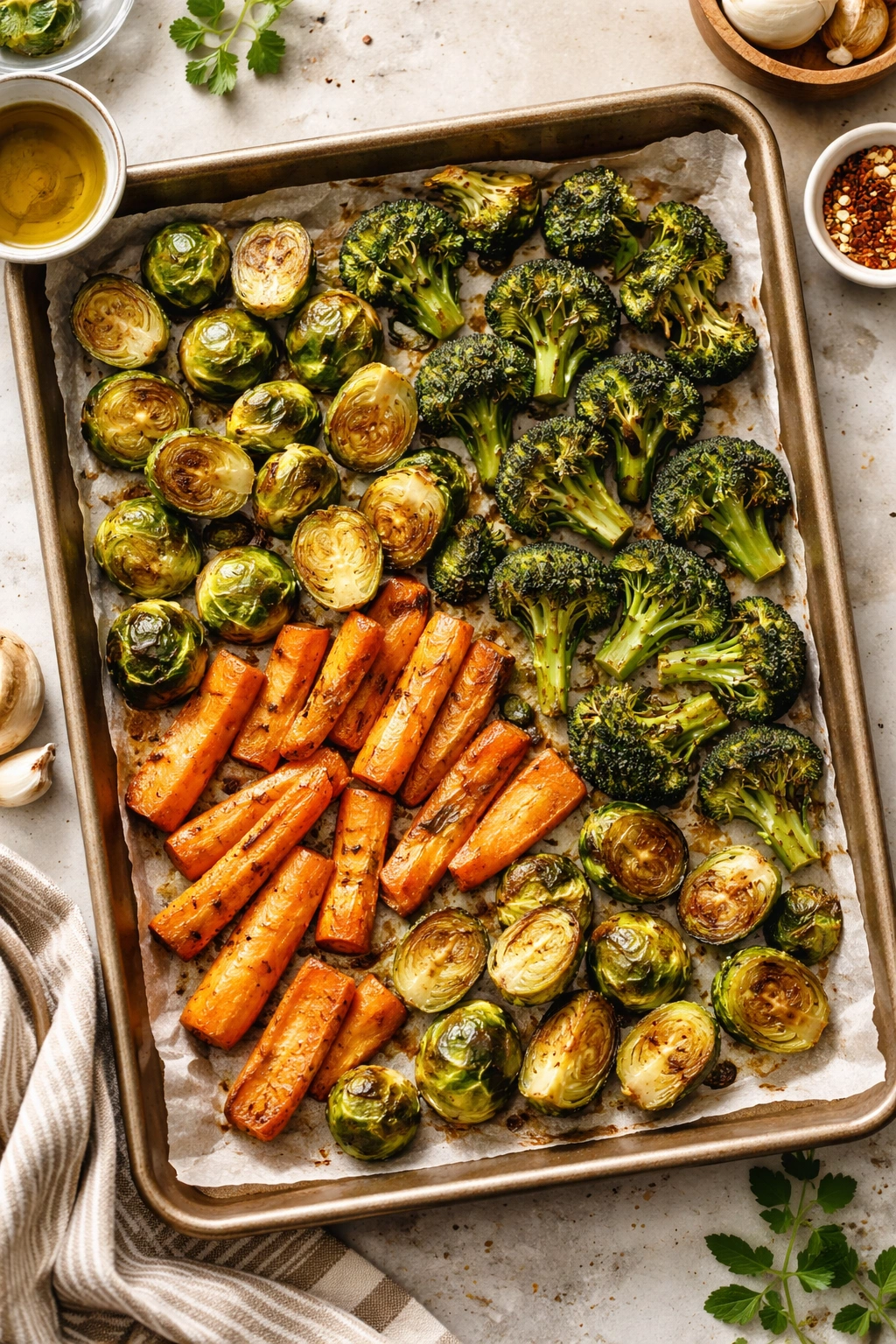
The issue isn’t usually that picky eaters dislike vegetables — it’s that they dislike how vegetables are typically prepared. The same picky eater who rejects steamed broccoli will often eat roasted broccoli with crispy edges.
Roasted vegetables are uniformly better than steamed or raw. Roasting brings out natural sweetness through caramelization, creates texture contrast with crispy edges, and develops flavors that steamed vegetables can’t achieve. The method is simple: chop vegetables into similar-sized pieces, toss generously with oil, salt, and pepper, spread on a sheet pan, and roast at 400°F (205°C) or higher for 20-30 minutes, stirring halfway through. The goal is visible browning on the edges.
Choose vegetables based on texture. Some picky eaters prefer softer vegetables (sweet potatoes, winter squash), while others prefer vegetables with more bite (broccoli, Brussels sprouts, green beans). You don’t have to force a child to eat a vegetable they hate; make the vegetables they’ll eat taste as good as possible instead. A perfectly roasted Brussels sprout is genuinely delicious — it’s not health food pretending to taste good, it’s actually good food.
Make vegetables a side you want to eat, not an obligation. If the roasted vegetables taste good enough that you’re eating them without guilt or obligation, they’ll taste good enough for your picky eater too. Season them confidently, use enough oil, roast them until they develop color, and they’ll taste like something worth eating rather than something you’re forcing down.
Hide vegetables strategically without lying about it. You don’t need to sneak vegetables into sauce — that’s not what we’re talking about. Instead, incorporate vegetables into foods that are already appealing: mix finely diced mushrooms into ground meat for sauce, add roasted vegetables to rice bowls where they’re visible, include vegetables in pasta where their sweetness complements the sauce. These meals have vegetables, but the vegetables aren’t the scary part — they’re part of the overall deliciousness.
Sauces and Dressings That Make Dairy-Free Meals Taste Rich
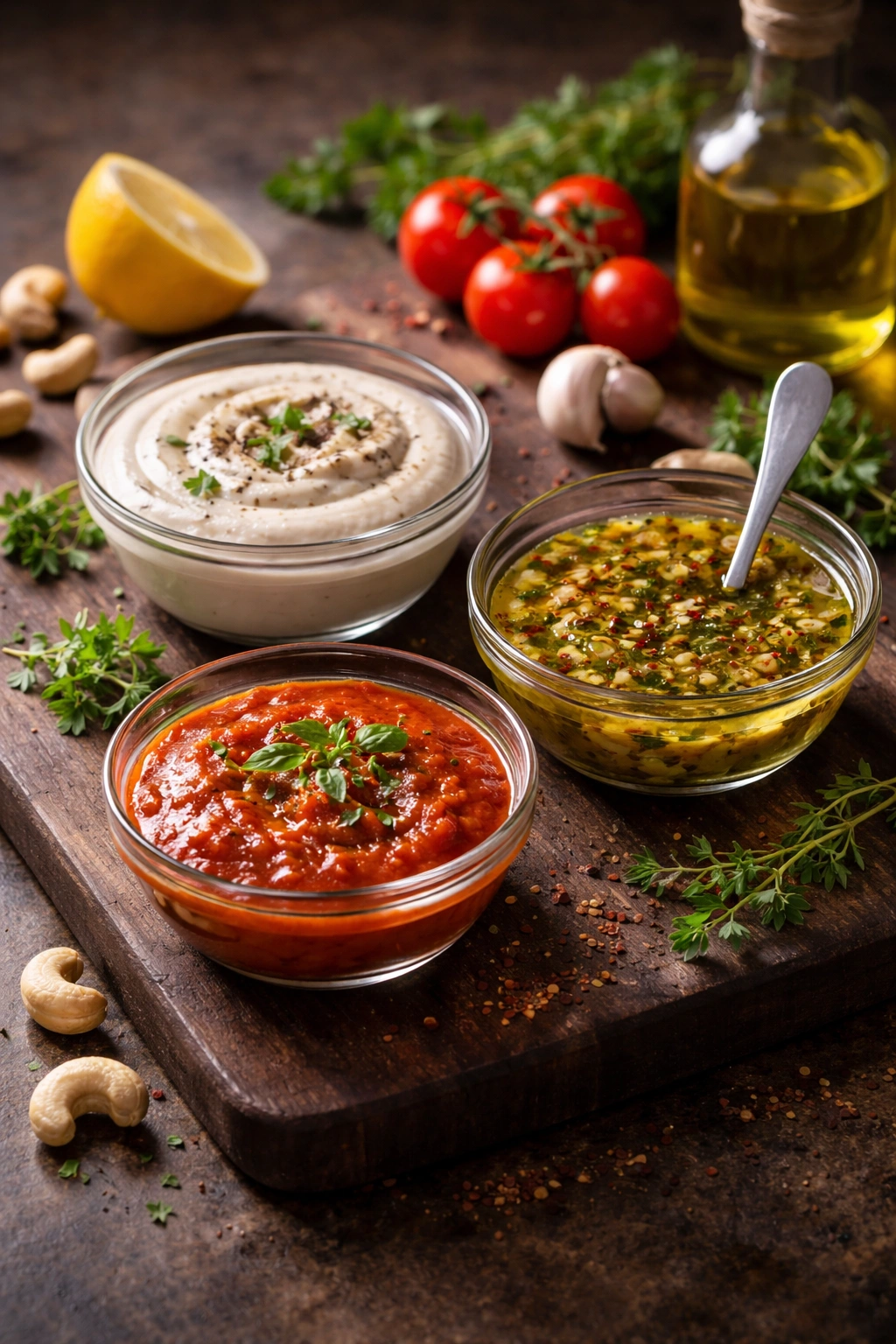
The difference between a meal that feels complete and one that feels like something’s missing is often just sauce. Dairy-free sauces don’t need to be complicated, but they need to taste intentional.
Oil-based dressings replace dairy-based ones. A simple vinaigrette of olive oil, vinegar or lemon juice, and mustard works on everything from salads to roasted vegetables to rice bowls. The ratio is roughly three parts oil to one part acid, with a teaspoon of mustard added for emulsion and flavor. This tastes light and fresh, not heavy or fake.
Tomato-based sauces are naturally dairy-free and deeply satisfying. A simple marinara made from canned tomatoes, garlic, and olive oil tastes complex and complete. Simmer it until it reduces, season generously, and it becomes a versatile base for pasta, rice, or vegetables. A curry-spiced tomato sauce works similarly — it just requires adding spices to the basic tomato foundation.
Dairy-free creamy sauces exist and actually work. Cashew cream (soaked cashews blended with water and salt) creates a genuinely creamy sauce that even picky eaters accept. Coconut milk creates richness in curry-style sauces. An avocado-lime dressing (avocado blended with lime juice, garlic, water, and salt) creates something creamy without any dairy. These sauces require more effort than a basic oil dressing, but they’re worth it when your picky eater actually needs creaminess.
Flavor sauces make any meal more interesting. A ginger-garlic sauce for stir-fries, a cilantro-lime dressing for grain bowls, a tahini-lemon sauce for roasted vegetables, or a chimichurri for grilled meat — these sauces add flavor without relying on dairy. They transform simple, plain components into meals that taste intentional.
Making Picky Eater Accommodations Without Cooking Separate Meals
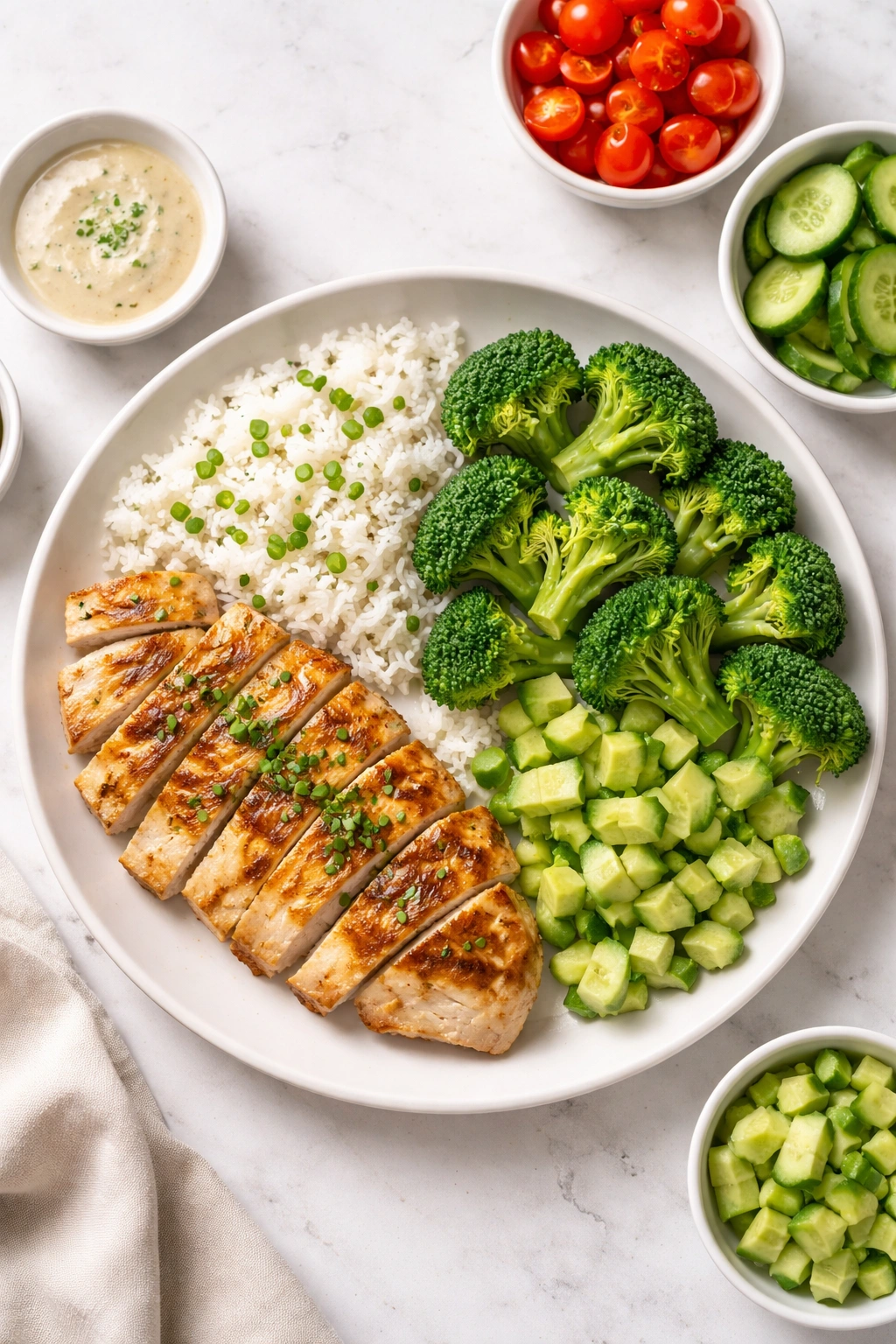
The worst part about cooking dairy-free for a picky eater is the temptation to just cook two completely different meals. Here’s how to avoid that trap and still get everyone fed.
Build meals in components that can be eaten separately. Tacos, rice bowls, sheet pan dinners, and grain bowls all naturally accommodate picky eating without requiring you to cook anything separately. Your picky eater can eat the components they like and leave the rest, while you eat the complete meal exactly as intended.
Season and dress things at the table. Cook proteins and vegetables plainly, then let each person season and dress their own portion. This is only minimally more work than plating, and it means your picky eater has control while you don’t have to cook something bland.
Use mild dishes as the base, then add heat or flavor for adults. Make a rice and chicken meal that’s mild enough for picky eaters, then serve hot sauce, extra spices, or bold herbs on the side for adults who want more intensity. The meal is essentially the same, but everyone gets what they need.
Don’t mention that the meal is dairy-free to picky eaters. A picky eater’s brain sometimes decides something will be bad if they know it’s “healthy” or different. If the meal is just regular food that they eat without being told it’s specially modified, they’re far more likely to eat it without resistance.
Meal Planning Strategies for Dairy-Free Picky Eating
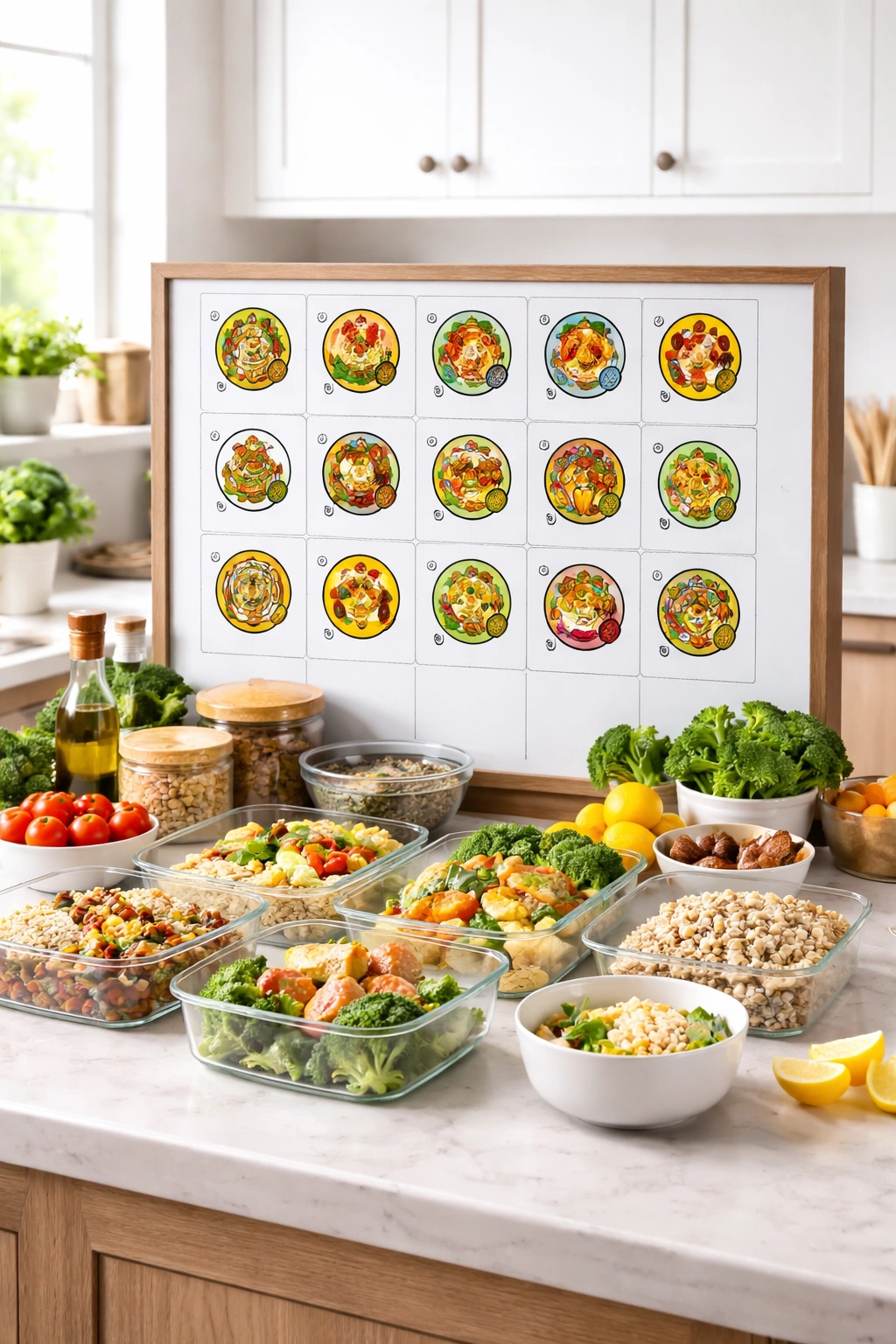
Planning ahead makes dairy-free cooking for picky eaters manageable instead of exhausting. The key is building variety while working within the constraints.
Identify the meals your picky eater actually eats and rotate them regularly. Most picky eaters have 5-10 meals they’ll eat reliably. These become your foundation. Build the weekly plan around these meals, cooking them twice a week with small variations. This sounds boring, but it’s actually what picky eaters need — predictability mixed with enough variation to prevent complete meal fatigue.
Use theme nights to simplify planning. Taco Tuesday, grain bowl Wednesday, sheet pan Thursday, stir-fry Friday — these themes make planning mindless because you’re always in the same category. Within each theme, you can change proteins, vegetables, and sauces, but the structure stays the same.
Prep components on a weekend. Cook a batch of rice, roast several sheet pans of vegetables, brown several pounds of ground meat, cook a batch of shredded chicken. Through the week, you assemble these components into different meals. This makes weeknight cooking feel manageable because the hard part is already done.
Keep a running list of what actually gets eaten. Notice which meals your picky eater ate completely, which meals they picked at, and which meals went uneaten. Build your regular rotation around the meals they actually eat. This removes guessing and makes meal planning simpler.
Common Mistakes to Avoid in Dairy-Free Picky Eating Cooking
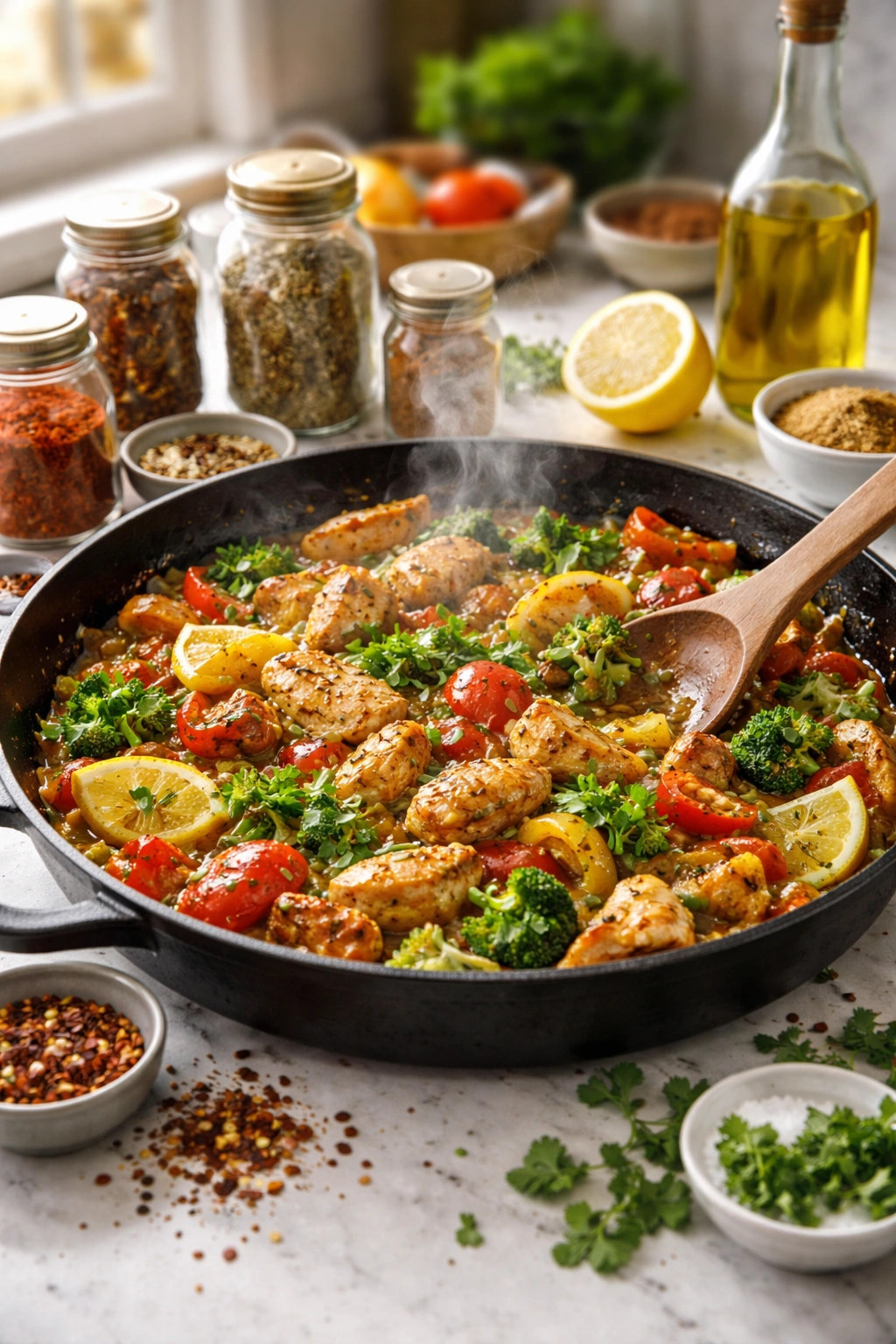
Several patterns sabotage dairy-free dinners for picky eaters. Recognizing and avoiding them makes everything easier.
Don’t try to make dairy-free versions of dishes your picky eater doesn’t already like. If your picky eater dislikes creamy sauces or casseroles, they’re not going to suddenly love them because you made them dairy-free. They disliked them because of the texture or general vibe, not the dairy. Choose meals that suit your picky eater’s preferences, then make them dairy-free.
Don’t underflavor food trying to be “healthy.” Bland food tastes bad regardless of its nutritional profile. Season generously, use fat intentionally, and build flavor. Your picky eater will eat food that tastes good far more readily than they’ll eat food that tastes like obligation.
Don’t assume dairy-free cooking requires special ingredients. You don’t need fancy substitutes or obscure products. Good olive oil, salt, spices, vegetables, and proteins create excellent meals without anything specialty or alternative about them. Special products exist if you want them, but they’re not required.
Don’t abandon seasoning because you’re worried about picky eating. Mild doesn’t mean unseasoned. Garlic, salt, oregano, cumin, and other basic seasonings make food taste better without being “spicy” or “weird” to picky eaters. Use them confidently.
Don’t serve dairy-free meals that look obviously different. A picky eater’s brain notices when something looks odd or fake. A pasta that looks like regular pasta but tastes different creates immediate skepticism. Serve meals that look exactly like food they’d recognize and enjoy.
When Dairy-Free Meets Other Dietary Restrictions
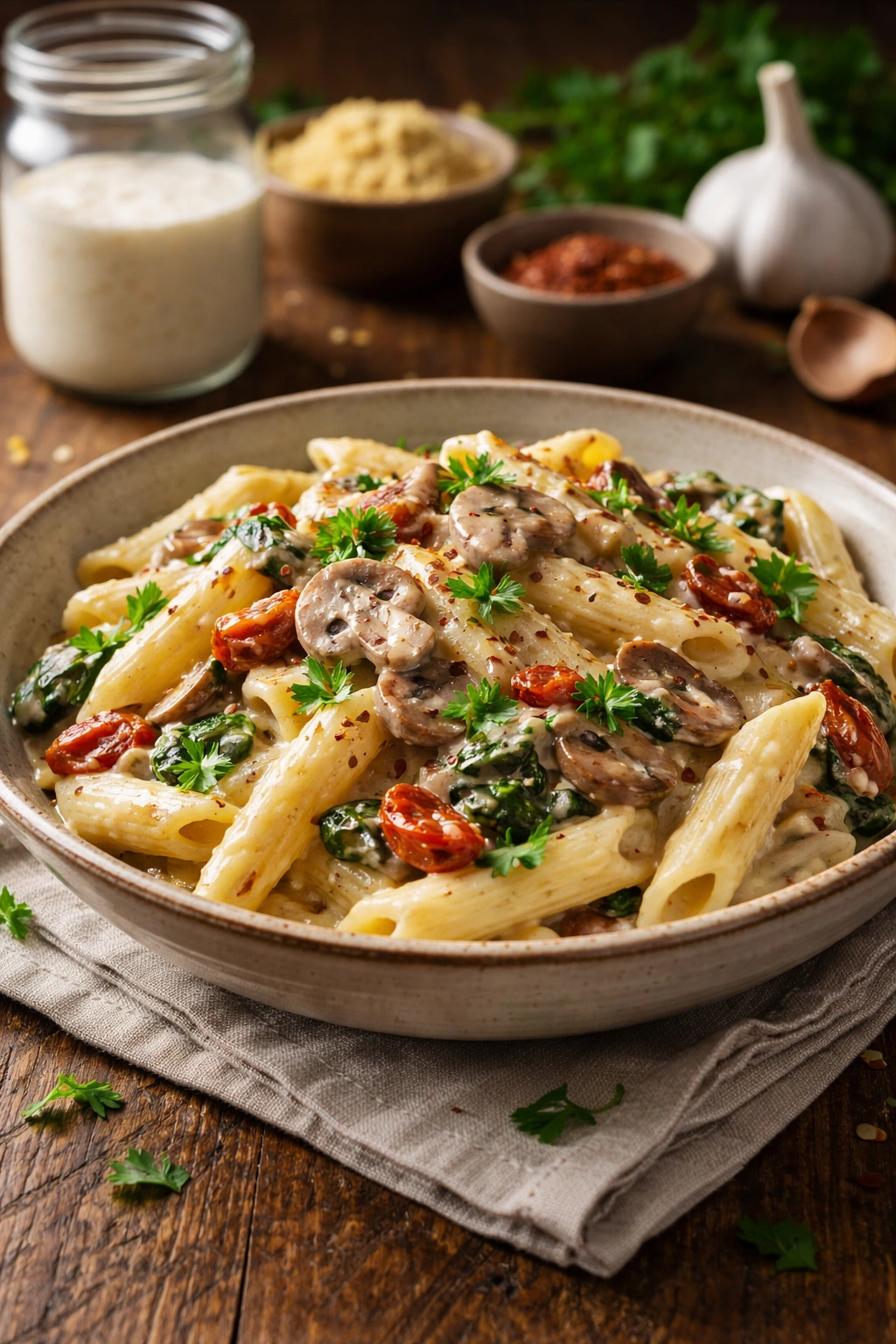
Some picky eaters have multiple dietary restrictions or preferences beyond dairy-free. Building satisfying meals requires working within these constraints.
Gluten-free pasta works beautifully if you need it. Gluten-free options have improved dramatically. Choose shapes and brands that hold sauce well and have a pleasant texture. A good gluten-free pasta behaves almost identically to wheat pasta and tastes similar when sauced properly.
Nut allergies mean cashew cream and almond-based sauces are out. Coconut milk, sunflower seed butter, or tahini become your creamy bases instead. These alternatives are genuinely delicious and work brilliantly in their own right, not just as substitutes.
Meat-free or vegetarian preferences shift meals toward legumes and eggs. Beans, lentils, tofu, and tempeh become your protein foundations. Season them thoroughly and treat them exactly as you’d treat meat — they need the same effort and intention. Many picky eaters eat plant-based proteins happily if they’re cooked with confidence.
Egg-free or tree-nut-free restrictions eliminate certain options but create room for others. Focus on the meals and components that do work instead of lamenting what’s eliminated. Build a strong rotation of meals that fit within the constraints, and everyone eats satisfying food.
Final Thoughts
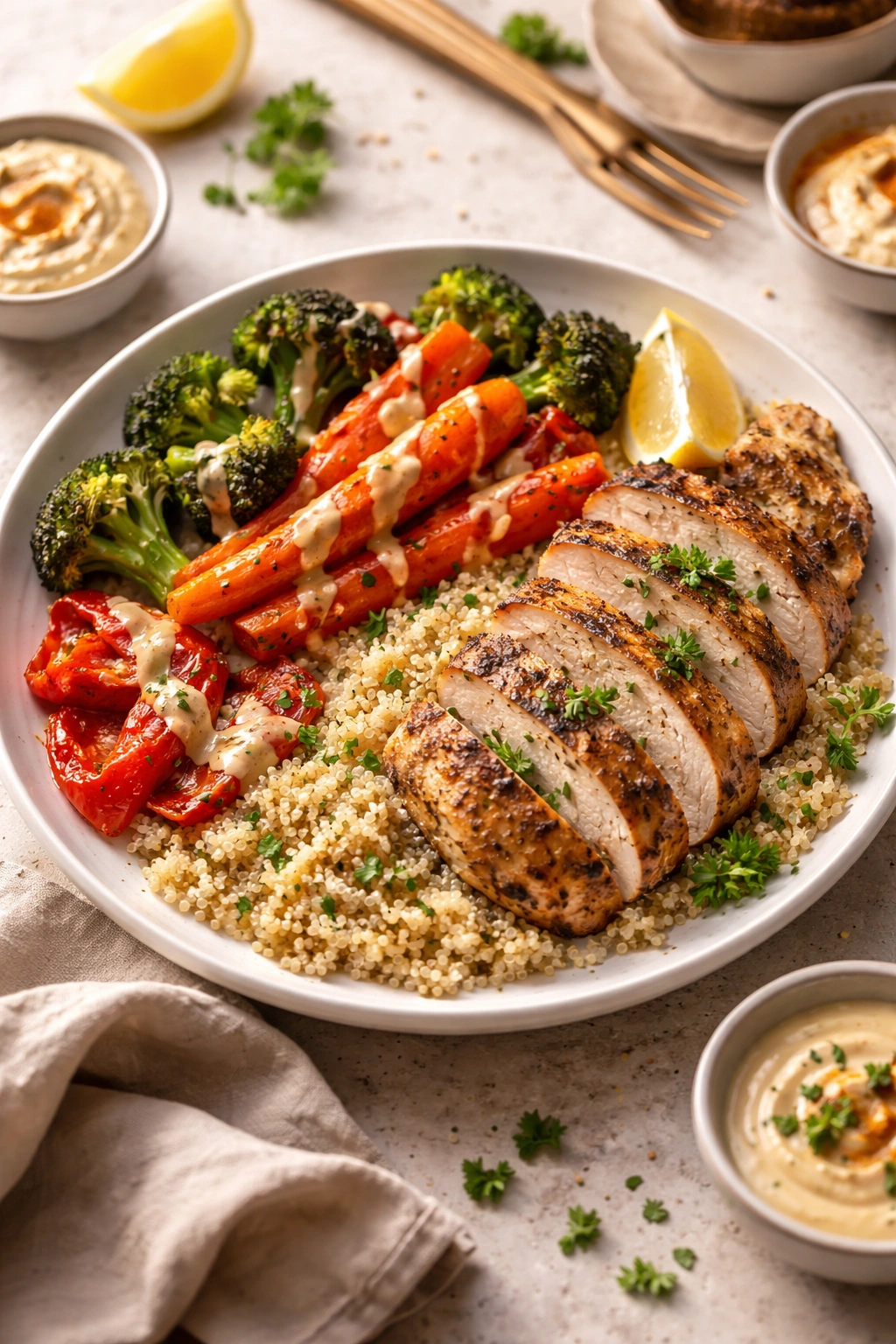
The reality of dairy-free dinners for picky eaters is far less complicated than the stress surrounding them suggests. You’re not creating special, alternative versions of food — you’re cooking meals that happen to be naturally dairy-free because they’re built on foundations that don’t need dairy in the first place. Roasted vegetables, seasoned proteins, flavorful sauces, and satisfying grains become the focus instead of what’s been removed.
The meals that work best are the ones your picky eater actually asks for again. Pay attention to which dinners disappear from the plate and which ones get picked at, then build your rotation around the winners. A picky eater doesn’t need variety for variety’s sake — they need meals they trust, prepared well, and seasoned properly. Add a little intention to the cooking process, and suddenly dairy-free dinners stop being a challenge and become exactly what gets cooked most nights anyway.
