



Fudgy brownies are one of those desserts that feel impossibly decadent yet surprisingly simple to make at home. There’s something almost magical about pulling a pan of rich, dark, chocolatey squares from the oven — the smell alone makes everyone pause and ask what you’re baking. The truth is, achieving that perfect fudgy texture isn’t about special techniques or hard-to-find ingredients. It’s about understanding what makes a brownie fudgy versus cakey, and then making deliberate choices that prioritize that dense, moist crumb every single time.
If you’ve had disappointing brownies before — ones that were dry, too cake-like, or brittle — it’s usually because they’ve been overbaked or over-mixed. The good news is that once you understand the fundamentals, you can consistently create brownies that are soft, fudgy, and absolutely impossible to resist. This is the exact recipe and process I’ve refined over years of baking, and it delivers results that rival any bakery version.
The best part? You probably already have everything you need in your pantry right now. No chocolate bars to temper, no fancy equipment required, and a total hands-on time of just 15 minutes before the oven does the real work.
What Makes These Brownies Truly Fudgy
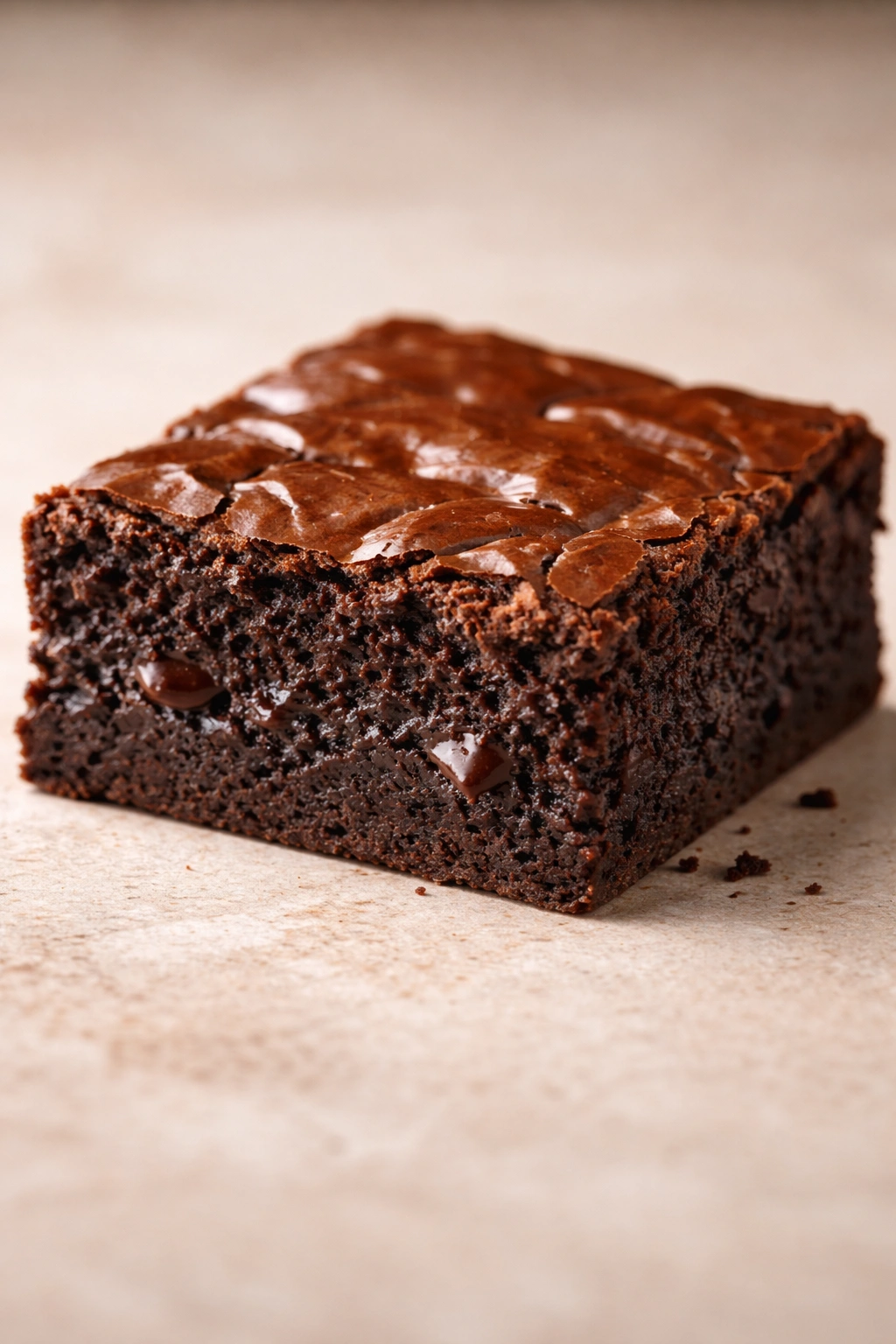
The fudgy texture you’re chasing comes down to a few specific factors, and understanding them changes how you approach the entire recipe. Fudgy brownies have a higher ratio of fat to flour than cakey brownies — this is deliberate, not a mistake. The fat coats the flour particles and inhibits gluten development, which is exactly what you want. More gluten means a tougher, cake-like crumb. Less gluten means the brownie stays tender and dense.
The second critical factor is baking time. This is where most home bakers go wrong. You’re not looking for a totally clean toothpick insertion — that’s actually the enemy of fudginess. A truly fudgy brownie will show a few moist crumbs clinging to the toothpick when you test the center. If the toothpick comes out completely clean, you’ve overbaked it, and the brownie will firm up too much as it cools.
Temperature also plays a surprising role. Cocoa butter, the fat in chocolate, has specific melting and resolidifying points. A brownie that’s slightly warm and fresh from the pan will feel softer and more fudgy than the same brownie at room temperature — the fat structure is still in transition. This is why cutting and serving brownies slightly warm is the ideal approach.
Why This Recipe Works
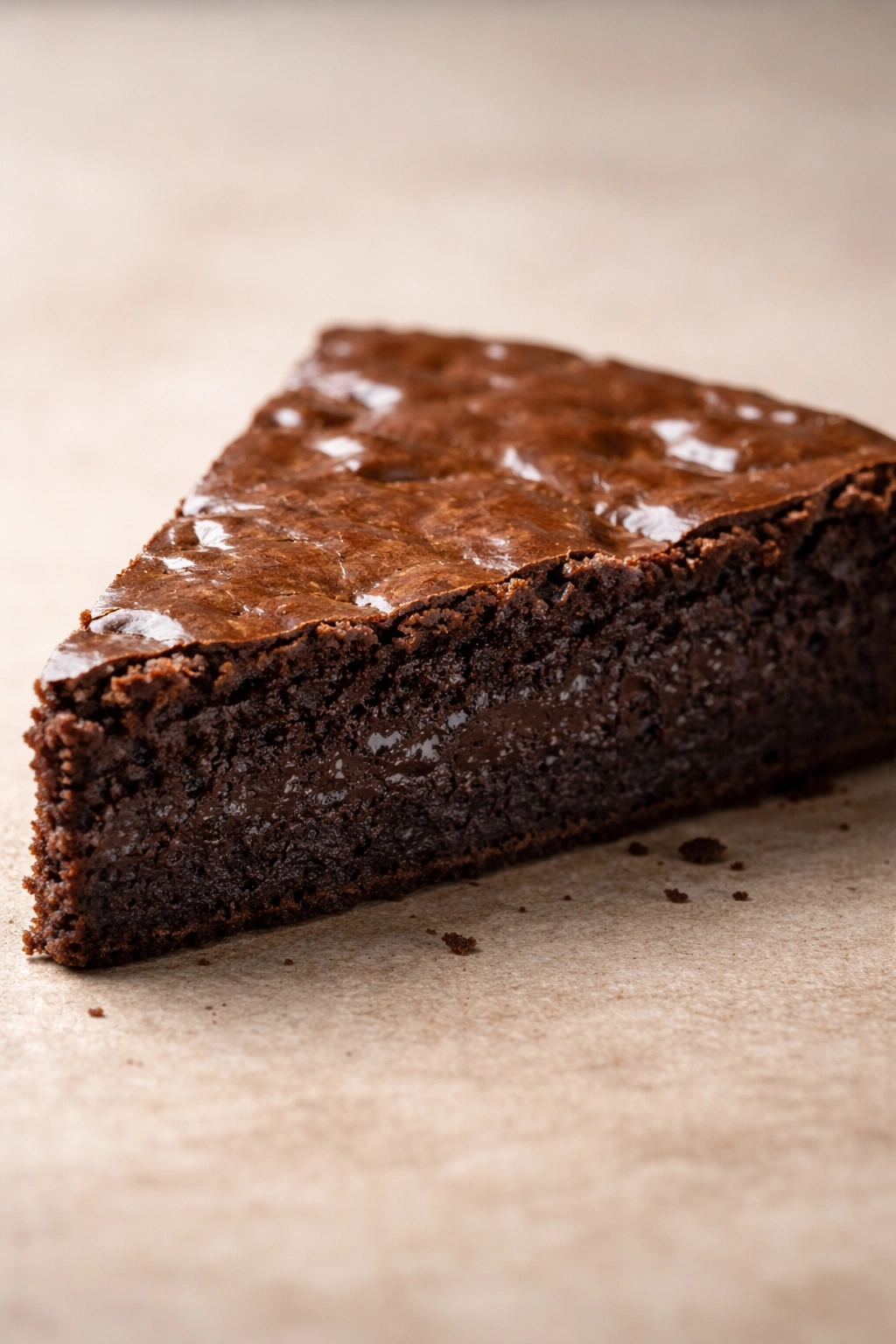
This particular formula has been tested and refined specifically for fudgy results, and every ingredient ratio serves a purpose. The amount of butter and chocolate is deliberately generous — this is what creates that rich, melt-in-your-mouth texture. The flour quantity is kept to the minimum needed to hold everything together. The eggs are whole eggs — not just whites — because the yolks add moisture and help create that dense, fudgy crumb.
The baking temperature of 325°F (instead of the 350°F you might see in other recipes) is cooler and slower, which allows the outsides to set while the center stays underbaked. This controlled, gentle bake is the secret to edges that are set but not hard and a center that’s deeply fudgy. If you bake at a higher temperature, the outsides will bake too fast and hard, and you’ll be forced to pull the pan before the texture develops properly.
The brown sugar in this recipe (rather than all white sugar) adds a subtle molasses depth that enhances the chocolate flavor. Combined with the cocoa powder stirred right into the batter, you’re getting chocolate flavor from three distinct sources — melted chocolate, cocoa powder, and brown sugar — which creates a more complex, richer taste than a simpler recipe could achieve.
The Ingredients You’ll Need
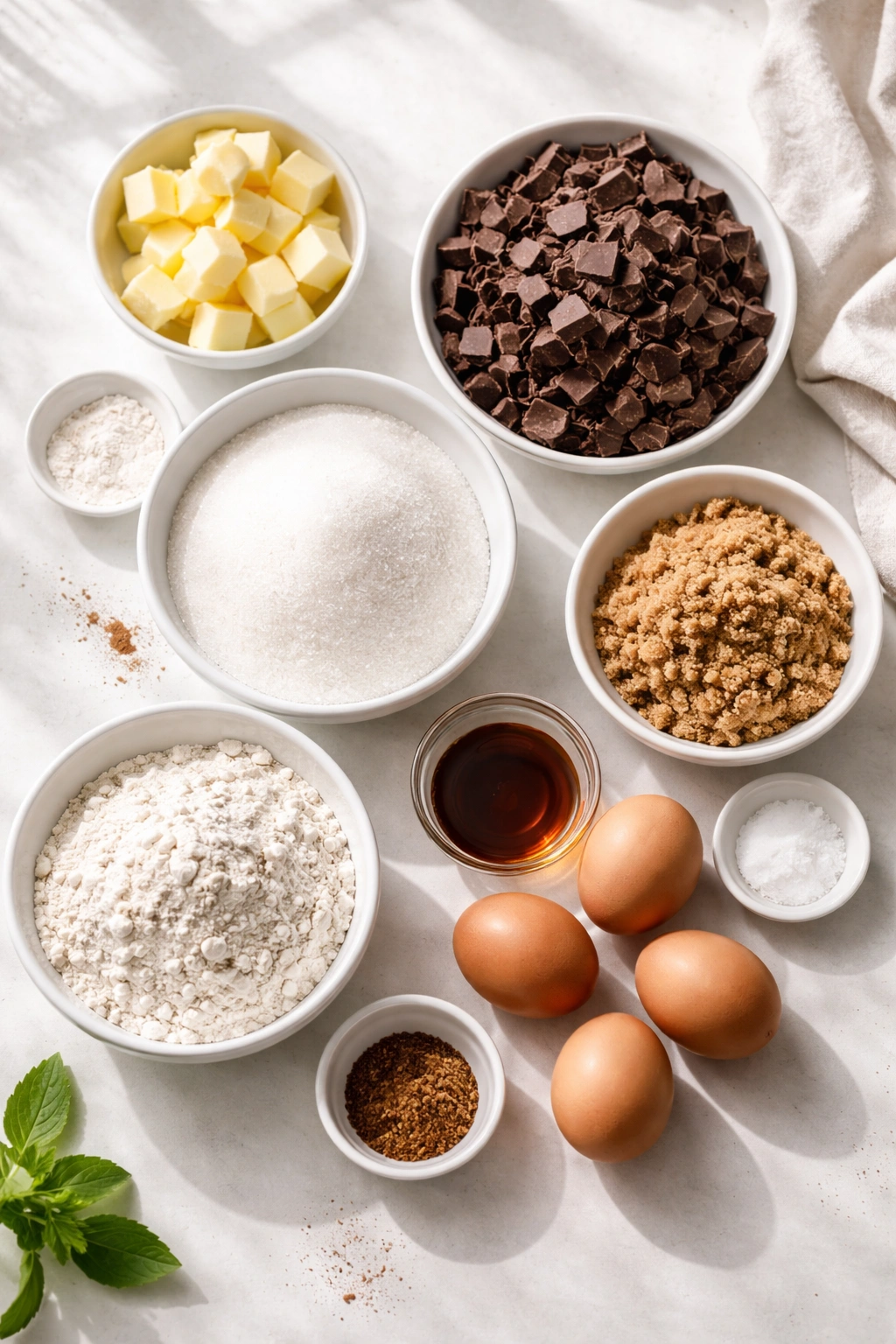
Yield: Makes 12 to 16 brownies (depending on how large you cut them) Prep Time: 15 minutes Cook Time: 28 to 32 minutes Total Time: 45 to 50 minutes (plus cooling time) Difficulty: Beginner — no special equipment or technique required, and the steps are straightforward even if you’re new to baking.
For the Brownies:
- ¾ cup (1½ sticks) unsalted butter
- 6 ounces semi-sweet or dark chocolate, chopped (about 1 cup chips or a combination)
- ¾ cup natural unsweetened cocoa powder
- 1 cup granulated sugar
- ¾ cup firmly packed brown sugar
- 3 large eggs, room temperature
- 1 teaspoon pure vanilla extract
- ½ teaspoon fine sea salt
- ¾ cup all-purpose flour
- ½ teaspoon baking powder (optional but helps with structure; omit for ultra-fudgy results)
For the Pan:
- 1 tablespoon unsalted butter, softened, for greasing the pan
- 1 tablespoon all-purpose flour, for dusting the pan
A Step-by-Step Guide to Perfect Brownies
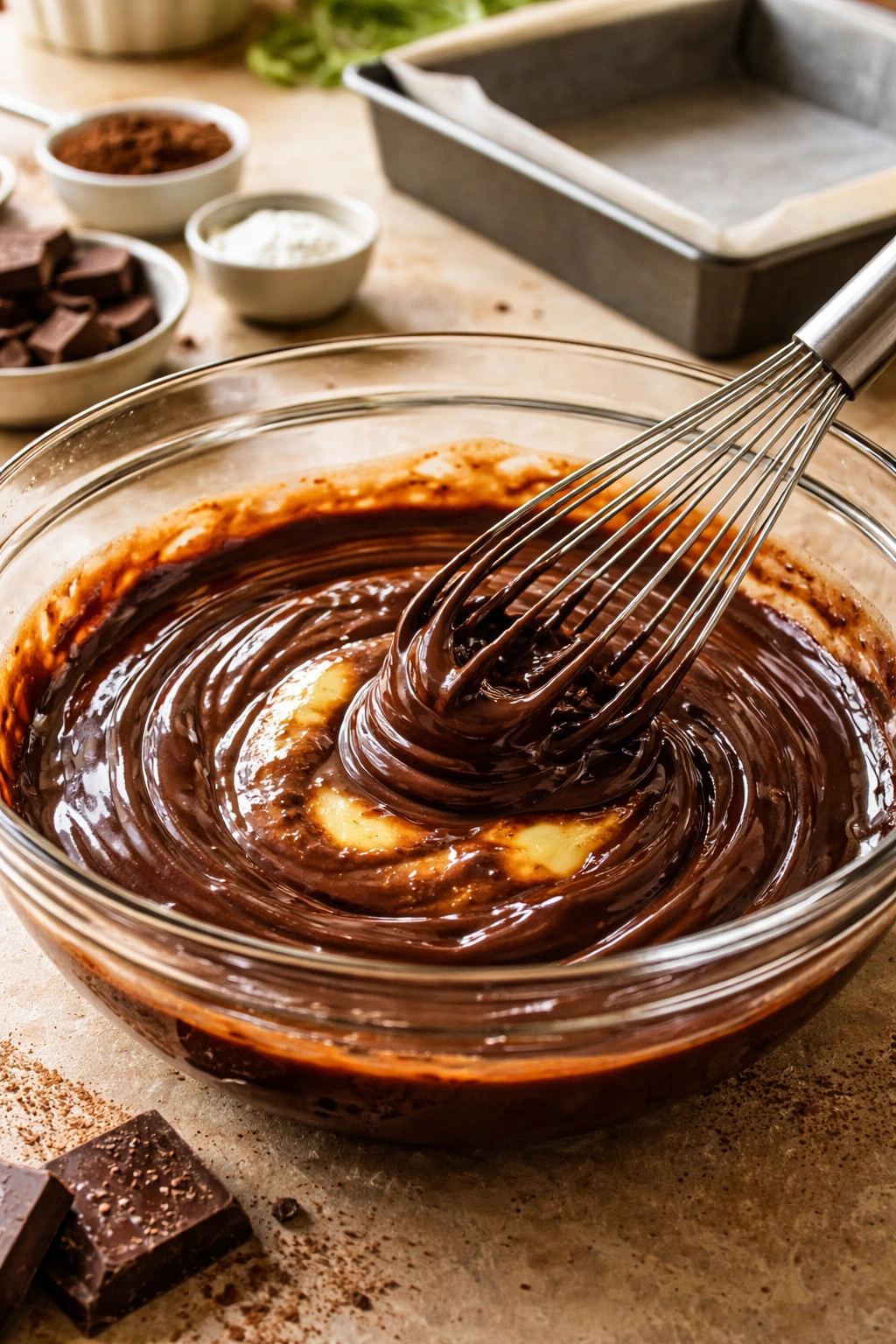
Prepare the Pan and Preheat:
-
Preheat your oven to 325°F (163°C) and position the rack in the center. This lower temperature is what gives you the fudgy texture — don’t be tempted to increase it.
-
Grease a 9×9-inch square baking pan with softened butter, making sure to coat all the corners and sides. Dust it with the tablespoon of flour, tapping out the excess. Alternatively, line the pan with a piece of parchment paper large enough to hang over two opposite sides by about an inch — this makes lifting out the finished brownies effortless and guarantees clean edges.
Melt the Chocolate and Butter:
-
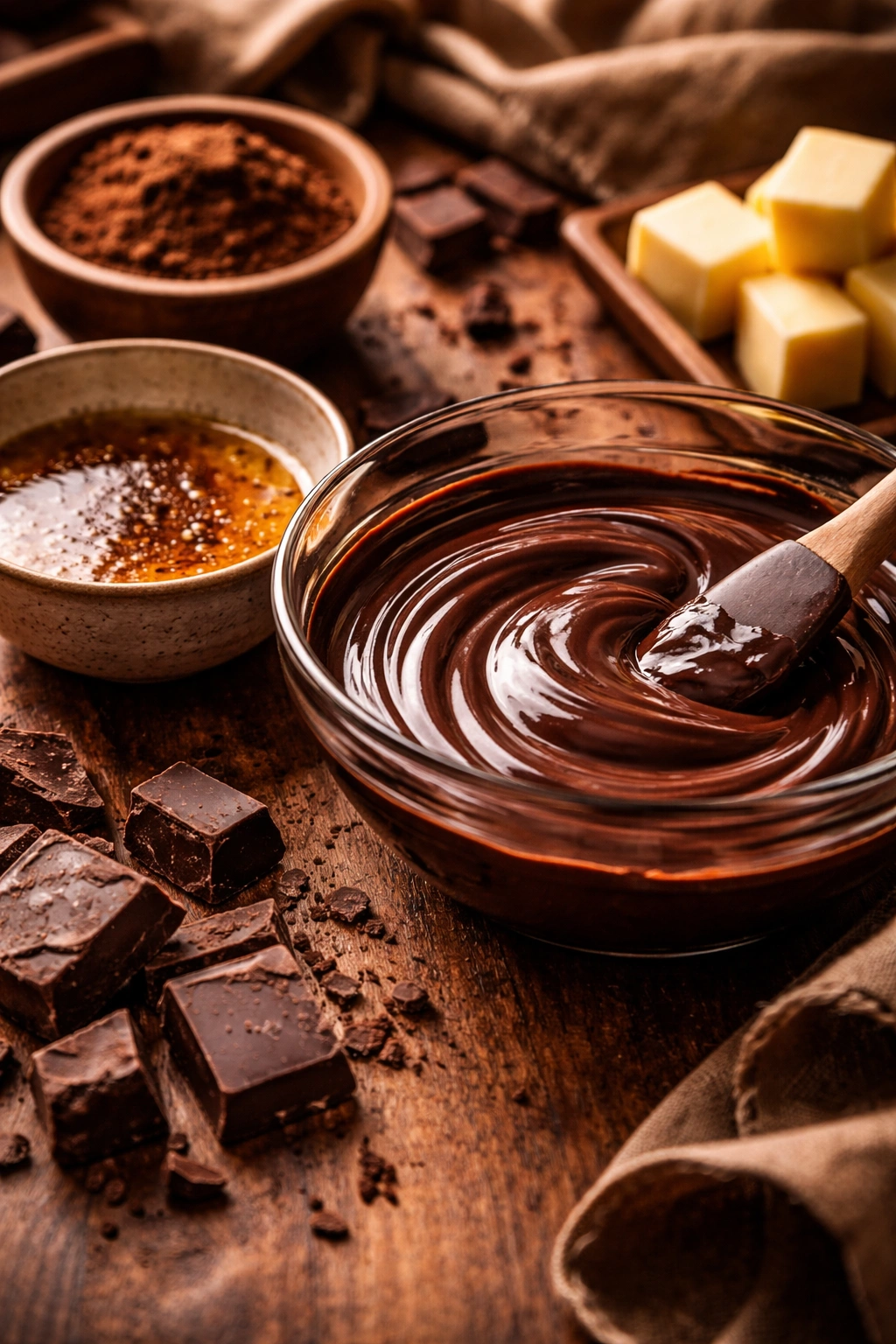
Add the butter and chopped chocolate to a medium heatproof bowl. You can either set this bowl over a pot of barely simmering water (a double boiler), keeping the bottom of the bowl from touching the water, or microwave in 30-second intervals, stirring between each interval, until the mixture is completely melted and smooth. Do not let the chocolate overheat — if using the microwave, pull it out as soon as the pieces are soft enough to stir smooth, even if there are still a few small solid pieces remaining. The residual heat will finish melting them, and you’ll have a silkier chocolate base than if you overheat it.
-
Once the chocolate and butter are melted together, add the ¾ cup cocoa powder directly to the bowl and whisk vigorously for about one minute until completely smooth. This step ensures the cocoa powder is fully hydrated and there are no lumps in the finished batter. Set this mixture aside to cool for about 5 minutes.
Mix the Dry and Wet Ingredients:
-
In a separate large bowl, whisk together the granulated sugar and brown sugar, breaking up any clumps of brown sugar with the back of a wooden spoon or your fingers. Add the eggs and vanilla extract to the sugar and whisk until the mixture is pale and foamy, about 1 to 2 minutes of vigorous whisking. This step is called “creaming” the eggs and sugar, and it’s important because it incorporates air into the batter, which helps create the proper texture. The mixture should feel smooth and lighter than it looked when you started.
Advertisements -
Pour the cooled chocolate mixture into the egg and sugar mixture and gently fold together with a rubber spatula until just combined. The batter may look a bit streaky at first — that’s fine. Continue folding until you see no white streaks of egg mixture remaining, but do not overmix or you will develop gluten, which will make your brownies cakey instead of fudgy.
-
In a small bowl, whisk together the flour, salt, and baking powder (if using). Add this dry mixture to the chocolate batter and fold together using the rubber spatula, making about 15 to 20 gentle folds, just until the flour disappears. Again, do not overmix — overmixing is the #1 reason brownies turn out cakey. The batter should look smooth and glossy, and slightly thicker than it was a moment before, but not dense or stiff.
Bake the Brownies:
-
Pour the batter into your prepared pan and smooth it into an even layer using an offset spatula or the back of a spoon. Tap the pan gently against the counter a couple of times to release any air bubbles.
-
Bake for 28 to 32 minutes, rotating the pan halfway through (at about the 15-minute mark) to ensure even baking. The key moment is knowing when to pull the brownies out. You’re looking for the edges to be set and slightly pulling away from the sides of the pan, but the very center should still jiggle slightly when you gently tap the pan. If you insert a toothpick in the center, it should come out with moist crumbs clinging to it — not with wet batter, but not completely clean either. This is the perfect stopping point. The brownies will continue to cook slightly as they cool, and this residual heat will set them to fudgy perfection. If the toothpick comes out completely clean, you’ve overbaked them and they’ll be more cake-like than fudgy.
-
Remove the brownies from the oven and set the pan on a wire cooling rack. Resist the urge to cut into them immediately — let them rest in the pan for at least 10 minutes. During this resting period, they’ll firm up slightly and become much easier to cut. For the fudgiest texture possible, let them cool in the pan for 30 to 45 minutes, and then cut and serve them while still slightly warm from the pan.
Cut and Serve:
- Once the brownies have cooled to your preference, use a sharp knife to cut them into 12 large squares or 16 smaller squares, depending on how decadent you want each piece to be. Wiping the knife clean between cuts helps prevent dragging the fudgy crumb. If you lined the pan with parchment, you can use that overhang to lift the entire block of brownies out of the pan before cutting — this gives you cleaner, more attractive edges.
Common Brownie Mistakes and How to Avoid Them
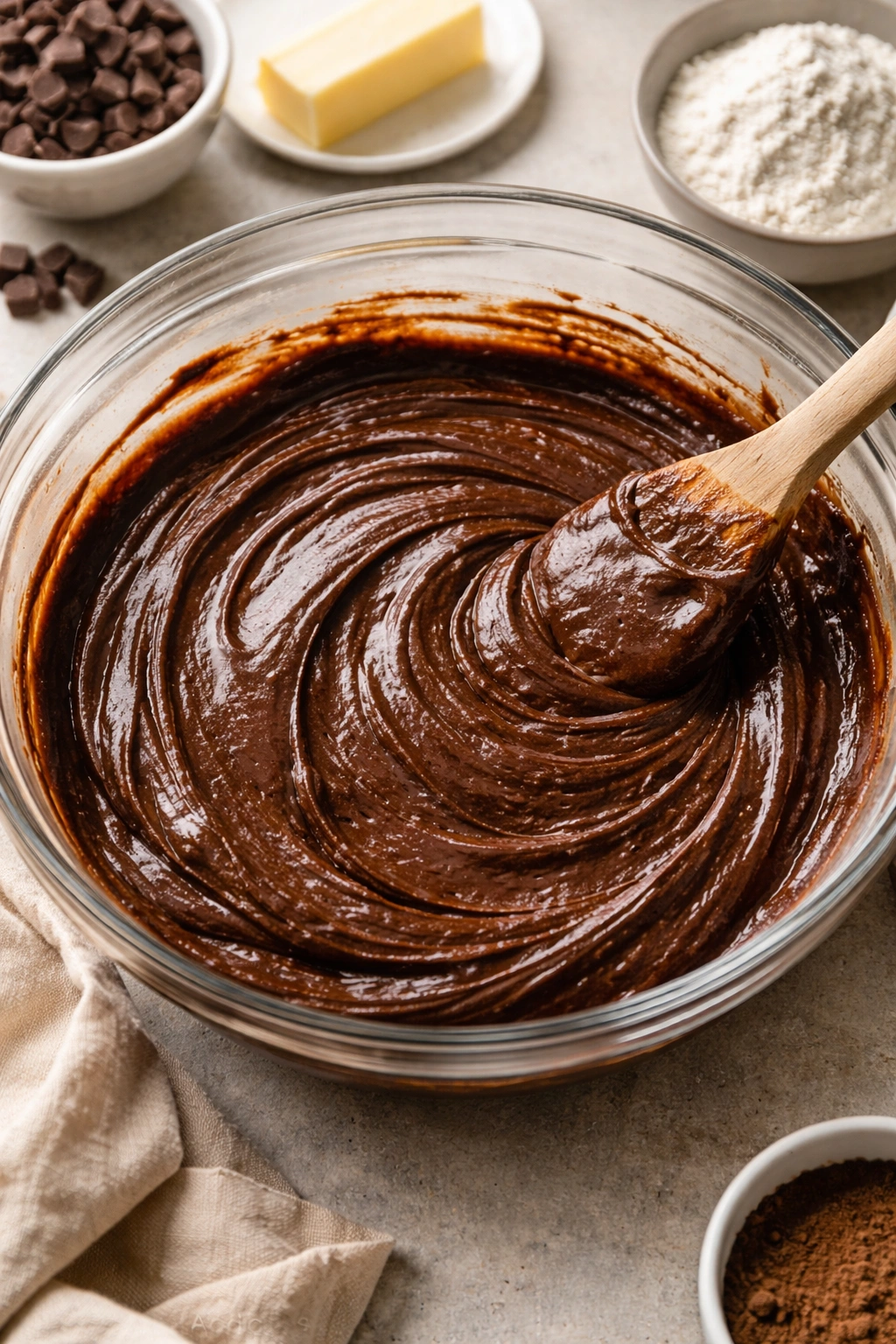
The most frequent mistake is overmixing the batter. Once you add the dry ingredients, switch to a gentle hand. A spatula and patience create better brownies than a mixer ever could. Overmixing develops gluten, and gluten is the enemy of fudginess. The batter should come together smoothly, but you should still be able to see the spatula’s path through it.
Overbaking is the second culprit. Many recipes recommend baking until a toothpick comes out clean, which is actually wrong for fudgy brownies. A clean toothpick means you’ve baked away the moisture. Slightly wet crumbs clinging to the toothpick are exactly what you want. This is where a kitchen timer becomes your best friend — set it, and when it goes off, test immediately. Don’t guess.
Using room-temperature eggs matters more than you’d think. Cold eggs don’t incorporate smoothly and can create a slightly separated, oily texture. Let your eggs sit on the counter for 15 to 20 minutes before baking, or set them in warm water for a few minutes. This small step creates a noticeably smoother, more cohesive batter.
Not allowing the chocolate to cool slightly before adding eggs is another trap. If your chocolate mixture is too hot when you add the eggs, it can scramble them slightly, creating a grainy, separated texture. Let the melted chocolate sit for 5 minutes after you remove it from heat — it should still be warm but not hot.
Tips for Extra Fudgy Texture
If you want brownies that border on gooey — the absolute fudgiest version possible — reduce the baking powder or omit it entirely. Baking powder adds lift and structure, which firms up the brownie slightly. Without it, you get a denser, more indulgent brownie that’s almost brownie-adjacent to warm chocolate pudding cake.
Using dark chocolate instead of semi-sweet deepens the flavor and creates a more sophisticated fudginess. Dark chocolate (60% to 70% cacao) has less sugar and more cocoa solids, so it stays a bit softer and more fudgy as it sets. If you use milk chocolate, the brownies will be sweeter and slightly firmer.
Another trick: pull the brownies out of the oven about 2 to 3 minutes before they look completely done. I know this sounds scary, but remember that they’ll continue to cook as they cool. A slightly underbaked brownie that you’re nervous about pulling out will cool into the perfect fudgy texture. An overbaked brownie that you waited on will be dry no matter what.
Brown butter adds incredible depth to fudgy brownies. Cook your butter in a saucepan over medium heat, swirling occasionally, until the milk solids turn golden brown and the butter smells toasted (about 5 to 7 minutes). Let it cool, then use it in place of the regular melted butter. The nutty, caramelized notes you gain are absolutely worth the extra step.
Variations and Flavor Twists
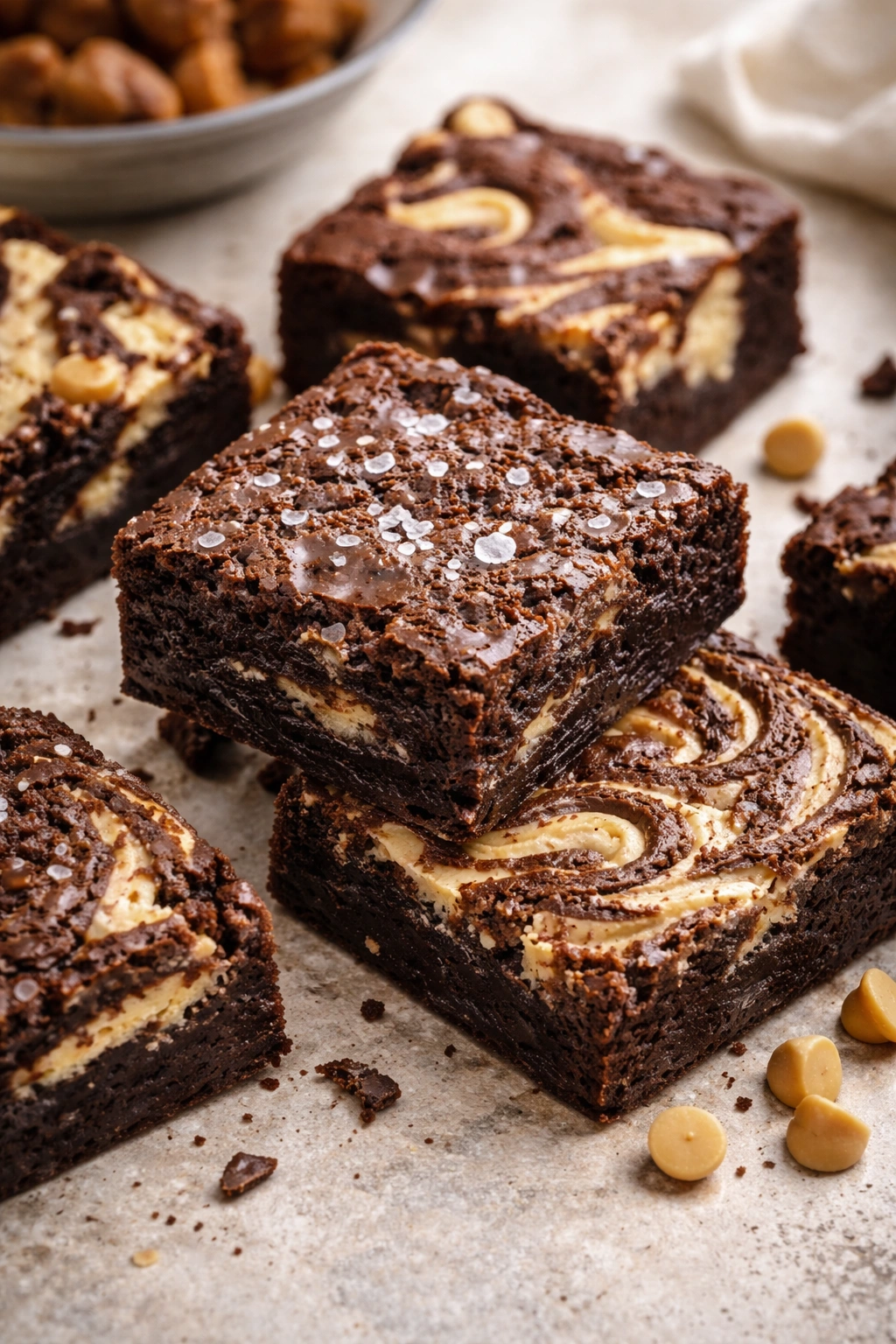
Salted Fudge Brownies: Sprinkle about ¼ teaspoon of fleur de sel or sea salt over the batter just before baking, or sprinkle it on top immediately after you pull the brownies from the oven while they’re still warm. The salt amplifies the chocolate flavor and creates that beloved sweet-salty contrast. This single change elevates the entire brownie.
Brownie Sundae in a Pan: Swirl cream cheese, peanut butter, or salted caramel into the batter before baking. Drop spoonfuls of your chosen mix-in onto the batter, then use a knife to swirl it together gently. Don’t over-swirl — you want ribbons of flavor, not a completely marbled brownie.
Espresso-Enhanced: Add 1 to 2 teaspoons of instant espresso powder to the cocoa powder before whisking it with the melted chocolate. You won’t taste “coffee” — instead, the espresso deepens and intensifies the chocolate flavor, making it taste more complex and sophisticated. This is a professional baker’s secret.
Double Chocolate: Replace ¼ cup of the cocoa powder with an additional 2 ounces of melted chocolate. This makes the brownies even richer and more indulgent, though slightly less fudgy since you’re adding more fat.
Brownie Blondies: If you want to play with the recipe further, substitute white chocolate or butterscotch chips for the dark chocolate, use vanilla extract plus a splash of almond extract, and reduce the cocoa powder to ¼ cup. You’ll end up with a completely different but equally fudgy texture — just in a sweeter, lighter direction.
Add-Ins That Work: Chopped nuts (walnuts, pecans, almonds), chocolate chips, mini marshmallows, or a sprinkle of sea salt all work beautifully. Add them either mixed into the batter (about ½ cup total) or sprinkled on top just before baking. Just remember that add-ins increase the batter’s density slightly, so you might need an extra minute of baking time.
Storage and Make-Ahead Options
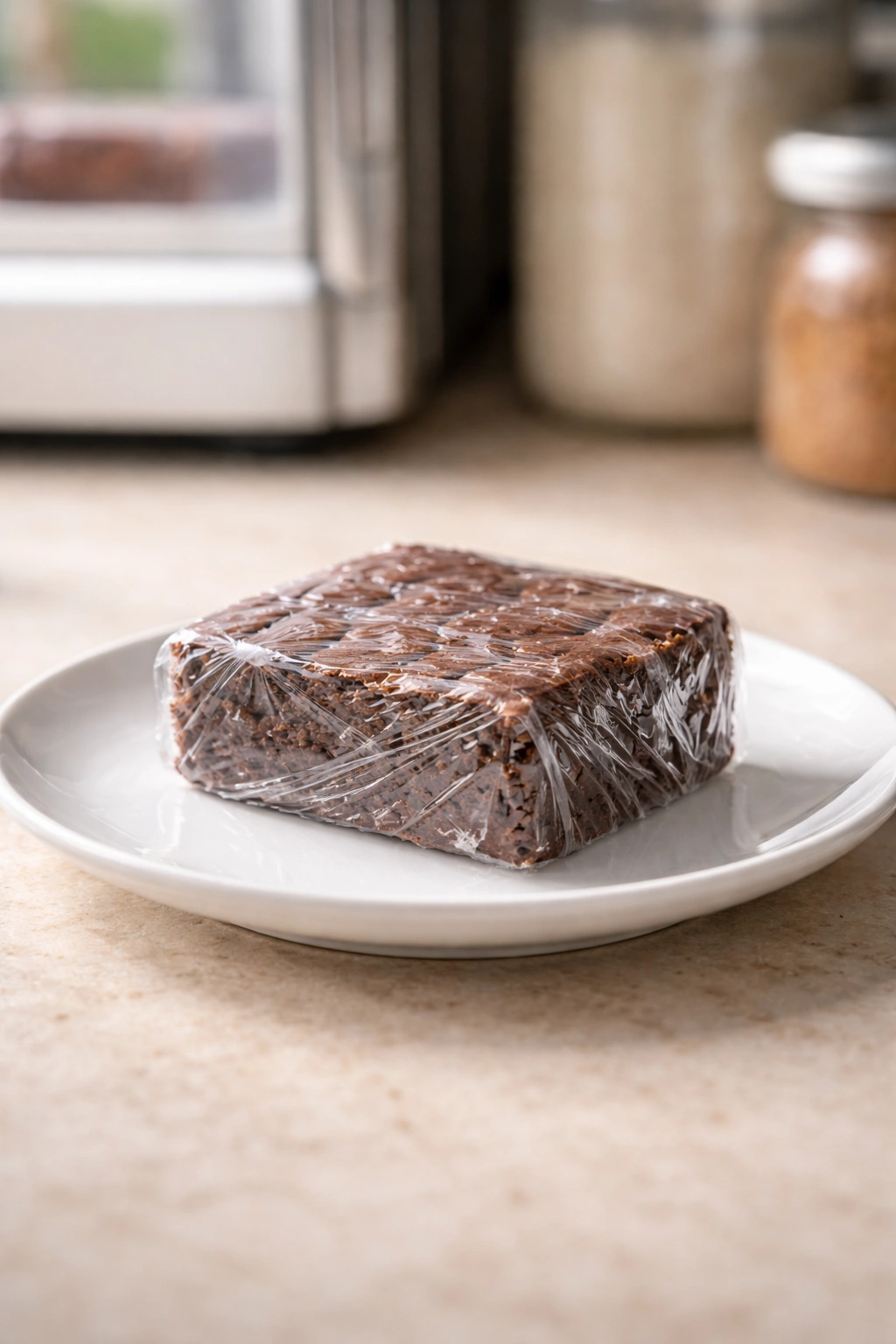
Brownies store beautifully at room temperature for up to three days, covered with plastic wrap or stored in an airtight container. They actually improve slightly on day two as flavors meld and the fudgy texture sets more firmly but remains soft. If you’re not serving them within three days, refrigerate them for up to a week — they’ll be slightly firmer when cold, but pulling them out 20 minutes before serving softens them back to almost-fresh texture.
For longer storage, brownies freeze exceptionally well. Cut them into squares, wrap each one individually in plastic wrap, and then place them in a freezer-safe container or bag. They’ll keep for up to three months in the freezer. Thaw them at room temperature for about an hour, and they’ll taste nearly identical to the day they were baked.
You can make the batter up to 24 hours in advance. Cover the bowl tightly with plastic wrap and refrigerate it. When you’re ready to bake, pour it directly into the prepared pan — no need to bring it back to room temperature first. The baking time might increase by 2 to 3 minutes since you’re starting with cold batter, so watch for the same doneness cues (edges set, center slightly jiggly, toothpick with moist crumbs).
If you want to make brownies without baking immediately, you can portion the batter directly into your baking pan, cover it tightly with plastic wrap, and refrigerate it for up to two days. When you’re ready to bake, let the pan come to room temperature (about 20 minutes on the counter) and bake as directed.
Serving Suggestions and Pairings
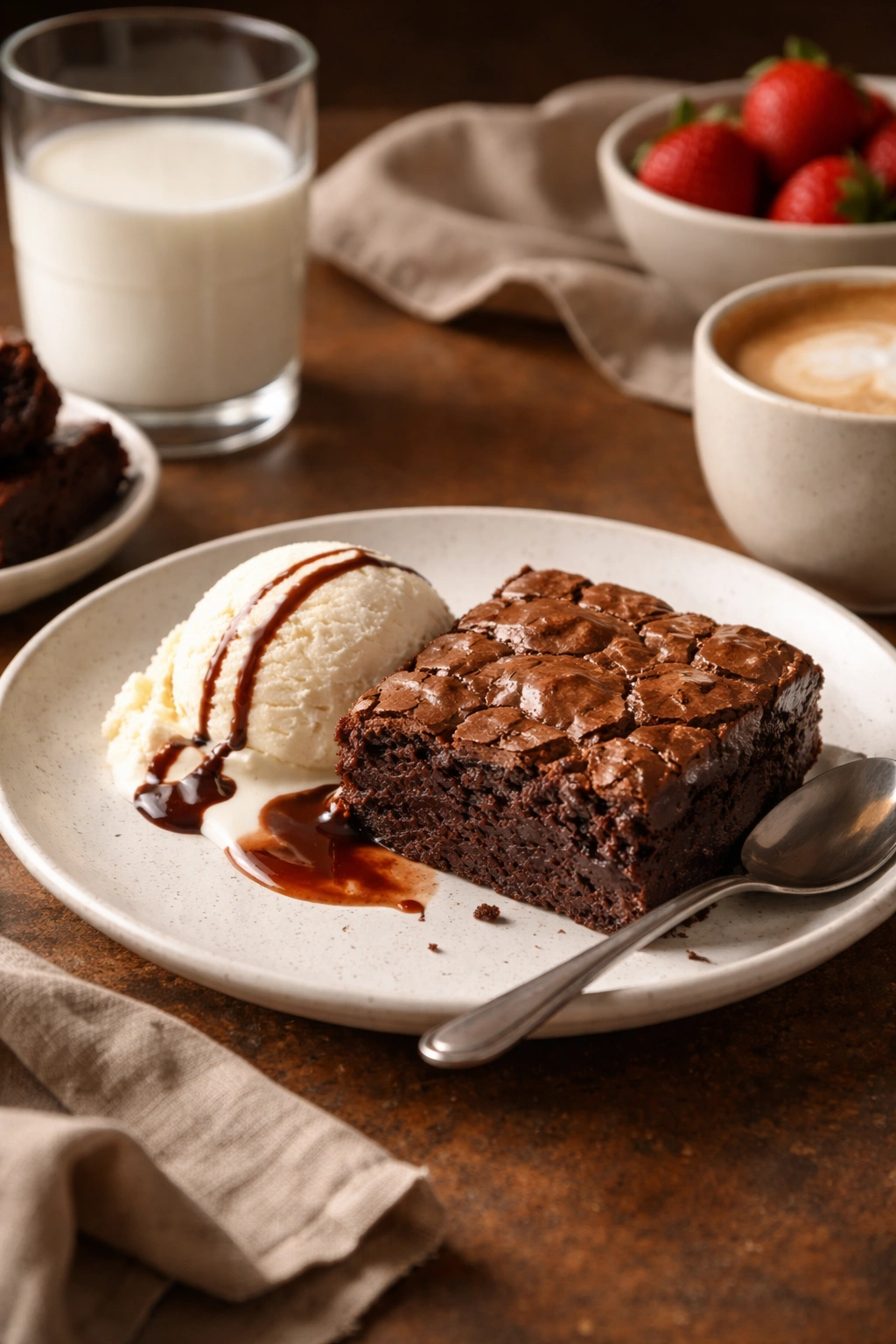
Warm brownies are incredible with a scoop of vanilla ice cream, which melts into the fudgy crumb and creates a texture that’s almost like warm chocolate pudding. But don’t stop there — try salted caramel ice cream for sweet-salty contrast, chocolate ice cream for pure chocolate decadence, or even a bright basil or mint ice cream for an unexpected flavor combination.
Brownies pair beautifully with hot beverages. Strong hot coffee or espresso cuts through the richness, while hot chocolate creates an intense chocolate experience. A mug of hot tea — especially something floral or slightly bitter like Earl Grey or oolong — provides a sophisticated contrast.
For entertaining, serve brownies on a simple white plate with a small glass of cold milk or an espresso cup of strong black coffee alongside. This simple presentation focuses attention on the brownie itself and signals that you’re serving something special.
Brownies also work wonderfully as gifts. Wrap them individually in parchment paper and tie with twine, then place them in a small box or bag. Homemade brownies feel infinitely more thoughtful than store-bought desserts, and their shelf stability means they travel well.
For a brownie board or dessert spread, cut brownies into different sizes and arrange them on a wooden board alongside fresh berries, candied nuts, and a small bowl of fleur de sel for dipping. The visual contrast of the dark chocolate against lighter elements makes the whole arrangement more interesting.
Troubleshooting Common Issues
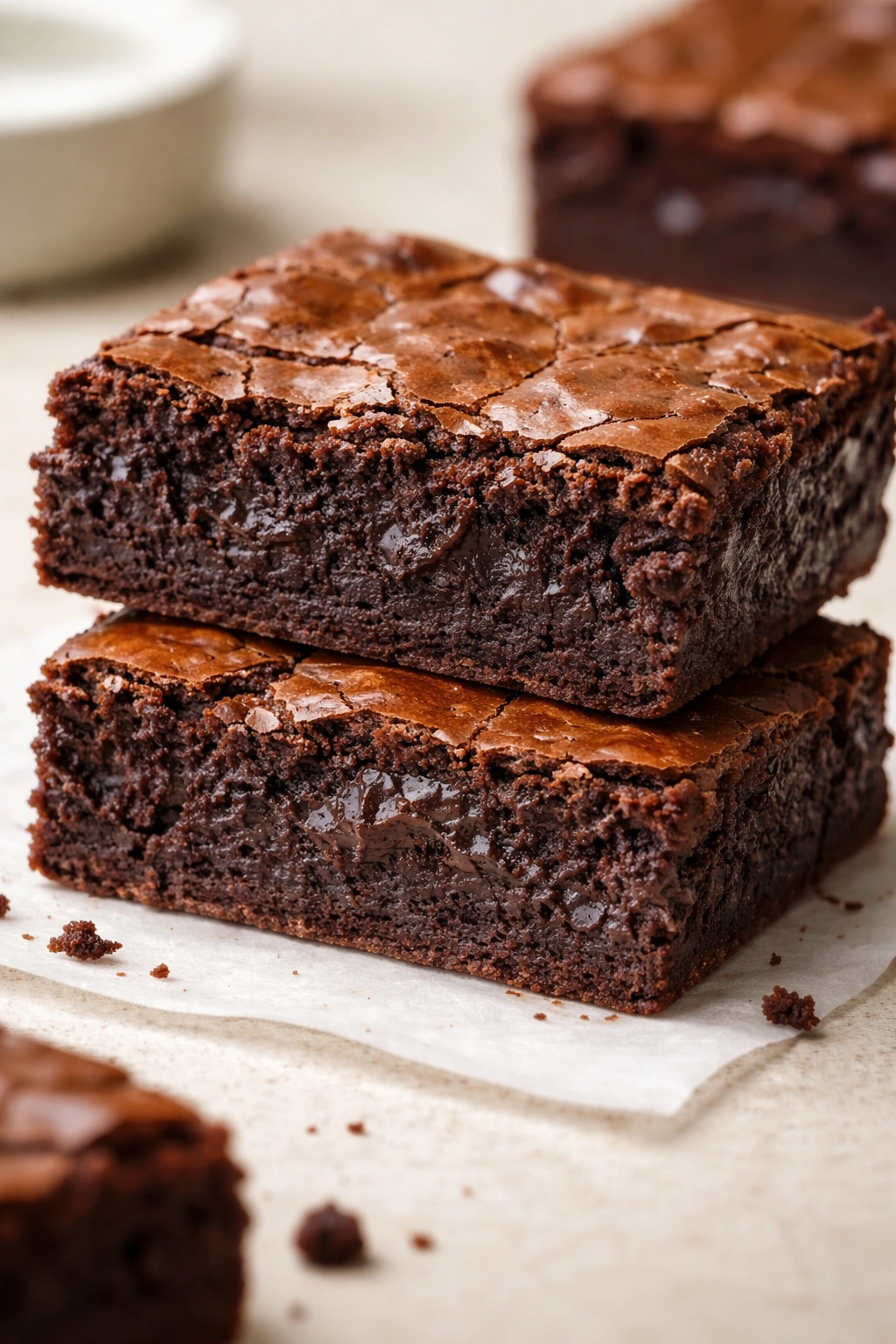
Brownies turned out cakey instead of fudgy: This usually means either overmixing (which developed gluten) or overbaking (which cooked away the moisture). Next time, fold the dry ingredients with just 15 to 20 gentle folds, and pull the brownies out when the center still jiggles slightly and the toothpick shows moist crumbs. Alternatively, omit the baking powder entirely — this removes the rise and results in a naturally denser brownie.
The edges are too hard or dark while the center is underdone: Your oven temperature might be too high. Reduce it by 25°F and try again, or move the oven rack lower so the pan is farther from the heat source. You can also tent the brownies with foil during the last 10 minutes of baking to prevent the edges from darkening further.
The batter looked separated or oily: Your chocolate was probably too hot when you added the eggs, or you overmixed. Make sure your chocolate cools for 5 minutes before stirring in the eggs. In the future, whisk the eggs and chocolate very gently, folding rather than stirring vigorously. A separated batter will still bake into brownies, but the texture might be slightly grainy.
Brownies stuck to the pan: This is a sign that you either didn’t grease enough or you cut them while still very warm. Next time, grease the pan thoroughly with butter, or use parchment paper. Let the brownies cool for at least 10 to 15 minutes before cutting, which gives them enough structure to hold together.
They’re too dense or heavy: You might have compressed the batter too much when pouring it into the pan, or you could be using a different flour than the recipe called for (cake flour versus all-purpose flour makes a difference). Measure your flour by spooning it into a measuring cup and leveling off with a knife, rather than scooping directly from the bag. This prevents packing flour too tightly into the cup.
Final Thoughts
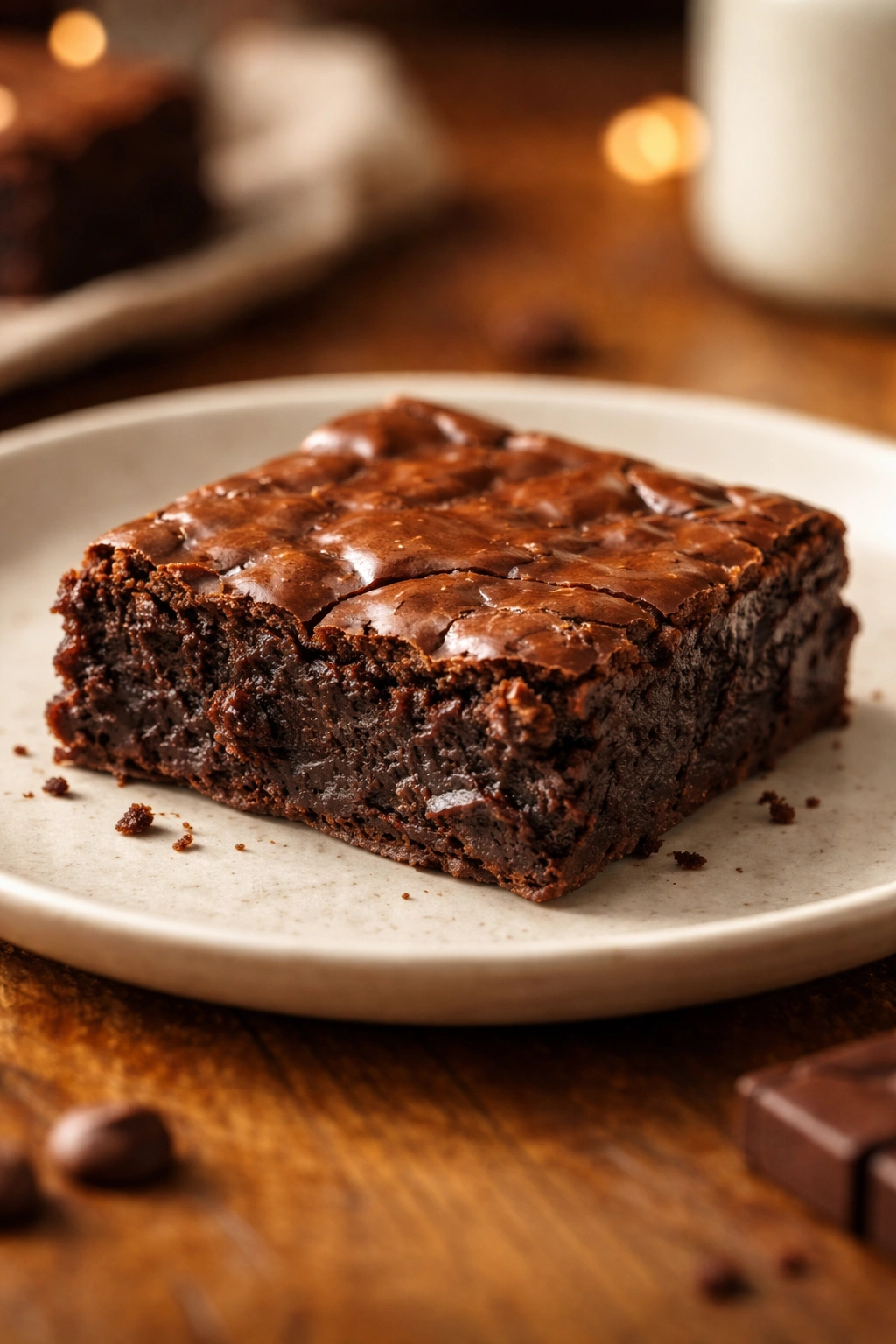
The beauty of this brownie recipe is that it works beautifully every single time, once you understand the core principles. Fudgy brownies aren’t a mystery — they’re the result of respecting the balance between fat and flour, not overmixing, and pulling them from the oven at exactly the right moment. You now have everything you need to become the person who makes legendary brownies that people ask about and request again and again.
Start with this recipe exactly as written to dial in your oven and your technique. Once you’ve made it a couple of times and you understand how your oven behaves and what the perfect brownie looks and feels like in your kitchen, feel free to experiment with the flavor variations and add-ins. That’s when these brownies become truly yours — a signature dessert that reflects your taste and creativity.
Bake them when you want something comforting and deeply satisfying. Bake them when you need a gift that says “I made this with care.” Bake them just because the smell of chocolate in the oven is one of the best things in the world. Either way, you’ll end up with brownies that are genuinely fudgy, deeply chocolate, and absolutely irresistible.
