


When you’re taking weight loss medication, the snacks you choose become incredibly important. These drugs work by reducing appetite and changing how your body processes hunger signals, but they don’t automatically guarantee success—your food choices still matter just as much. The real leverage comes from pairing your medication with smart snacking habits that support your goals, and that’s where protein becomes your secret weapon.
If you’ve recently started a weight loss medication like a GLP-1 agonist, phentermine, or another appetite suppressant, you’ve probably noticed that you feel fuller faster and that your interest in food has genuinely shifted. That’s exactly what the medication is designed to do. But here’s what many people miss: just because you’re not hungry doesn’t mean your body is getting what it needs. Protein fills the nutritional gap that smaller portion sizes create, and it helps preserve muscle mass as you lose weight—something that matters far more than most people realize.
The challenge isn’t finding snacks when you’re on weight loss medication; it’s finding snacks that actually work with your medication rather than against it. High-protein snacks are the non-negotiable foundation of snacking while on these drugs. They keep your energy stable, prevent the muscle loss that can happen during rapid weight loss, and make the whole process feel sustainable rather than depriving. This guide covers everything you need to know about choosing, preparing, and timing protein-rich snacks that genuinely support your weight loss journey.
Why Protein Is Critical When Taking Weight Loss Medication
Weight loss medications change your appetite, but they don’t change your body’s fundamental need for protein. If anything, your protein requirements become more important when you’re eating significantly less overall. Most people on weight loss medication consume smaller meals and eat less frequently, which means every bite needs to count nutritionally.
Protein is the macronutrient your body uses to build and repair muscle tissue, produce enzymes and hormones, and maintain immune function. When you’re losing weight, your body is technically in a catabolic state—it’s breaking down tissue for energy. Without adequate protein, your body breaks down muscle along with fat, which slows your metabolism and leaves you looking less toned even as the number on the scale goes down.
The standard recommendation for protein intake is 0.8 grams per kilogram of body weight for sedentary adults, but people on weight loss medication should aim higher—closer to 1.2 to 2 grams per kilogram, depending on your activity level. Since you’re eating less overall, prioritizing protein at every eating occasion becomes essential. That includes snacks, which is why the quality of what you snack on directly impacts your results and how you feel throughout the process.
Weight loss medications also tend to reduce overall food intake dramatically, sometimes to just 1,200-1,500 calories per day. In that tight calorie window, every food choice has to earn its place. A snack that’s mostly empty calories or sugar will leave you unsatisfied, tired, and more likely to make poor choices later. Protein snacks, by contrast, keep your energy stable and your satisfaction high, making adherence to your weight loss plan feel genuinely sustainable rather than like you’re white-knuckling through deprivation.
How Protein Affects Appetite and Satiety With Weight Loss Medication
Protein works through multiple mechanisms to keep you satisfied, and these effects compound when you’re already taking appetite-suppressing medication. Understanding how protein actually works in your body helps you make smarter snack choices throughout the day.
First, protein is the most satiating macronutrient available. It takes more energy for your body to digest protein than carbohydrates or fat, meaning you burn more calories just processing it. More importantly, protein stimulates the release of hormones like peptide YY and glucagon-like peptide-1 (GLP-1)—the exact hormones that weight loss medications are designed to elevate. When you eat protein, you’re enhancing the effect of your medication rather than fighting it. This synergy is exactly why protein-focused snacking works so well with weight loss drugs.
Protein also slows gastric emptying, which means food stays in your stomach longer and releases nutrients into your bloodstream more gradually. This creates a more stable blood sugar response, preventing the energy crashes and cravings that sabotage weight loss efforts. When you snack on something like hard-boiled eggs or Greek yogurt instead of crackers or fruit, you’re setting yourself up for sustained energy and reduced hunger until your next meal.
The psychological satisfaction of protein snacks matters too. When you’re taking appetite-suppressing medication, portions shrink and frequency of eating drops. Those smaller portions can feel unsatisfying psychologically, even if your brain isn’t signaling hunger. Protein-rich foods have more substance—they feel more filling to chew and swallow, they take longer to consume, and they create a sense of having actually eaten something substantial. That psychological component is real and shouldn’t be dismissed.
High-Protein Dairy Snacks for Sustained Satiety
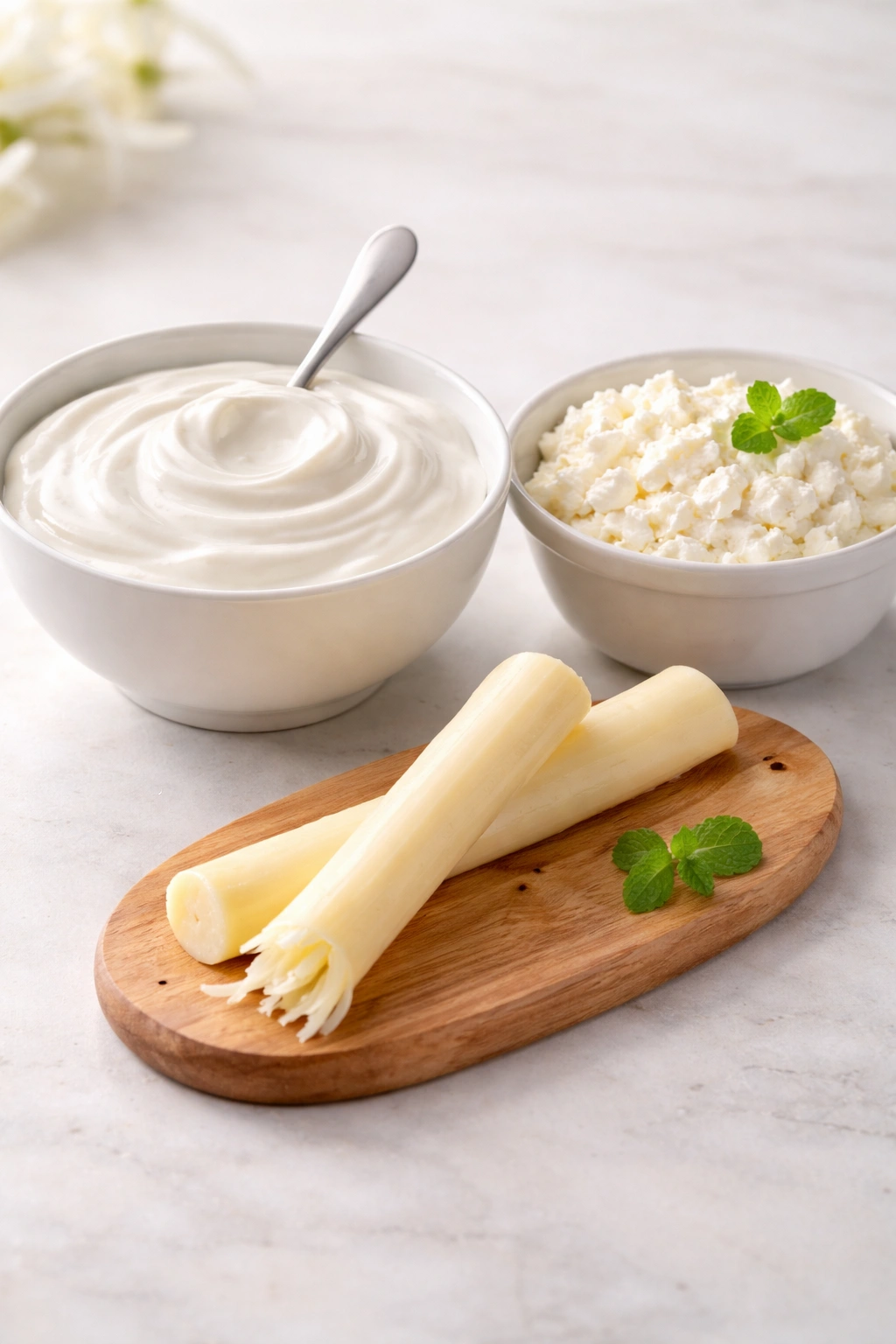
Dairy products are among the most accessible high-protein snacks available, and they offer versatility in how you use them. Greek yogurt, cottage cheese, and string cheese all provide 10-30 grams of protein per serving, making them genuinely effective at keeping hunger at bay between meals.
Greek yogurt deserves special attention because it’s become increasingly available in countless flavors and varieties, and many options are compatible with weight loss medication. A standard 150-gram serving of plain Greek yogurt contains roughly 15-20 grams of protein, depending on the brand. The key is choosing either plain varieties or flavored options that don’t contain excessive added sugar, since medications like GLP-1 agonists can increase nausea and digestive upset, and sugar tends to make both worse. Plain Greek yogurt topped with a small handful of berries and a sprinkle of nuts is one of the easiest, most reliable snacks you can reach for when you’re on weight loss medication.
Cottage cheese is another underrated option that works beautifully for snacking. It’s protein-dense (25 grams of protein per half-cup in many brands) and has a creamy, substantial texture that feels genuinely satisfying. Many people on weight loss medication report that dairy foods sit well in their digestive system, making cottage cheese a practical choice that won’t trigger the nausea or digestive issues that can accompany these medications.
String cheese or cheese cubes paired with a small handful of almonds creates a complete snack with both protein and healthy fat. The combination keeps you satisfied for hours and provides the micronutrients—particularly calcium, phosphorus, and B vitamins—that your body needs when it’s losing weight. A single string cheese stick has about 7 grams of protein, so pairing it with nuts creates a snack in the 12-15 gram protein range, which is appropriate for someone on weight loss medication who’s eating smaller amounts overall.
Protein-Rich Plant-Based Snack Options
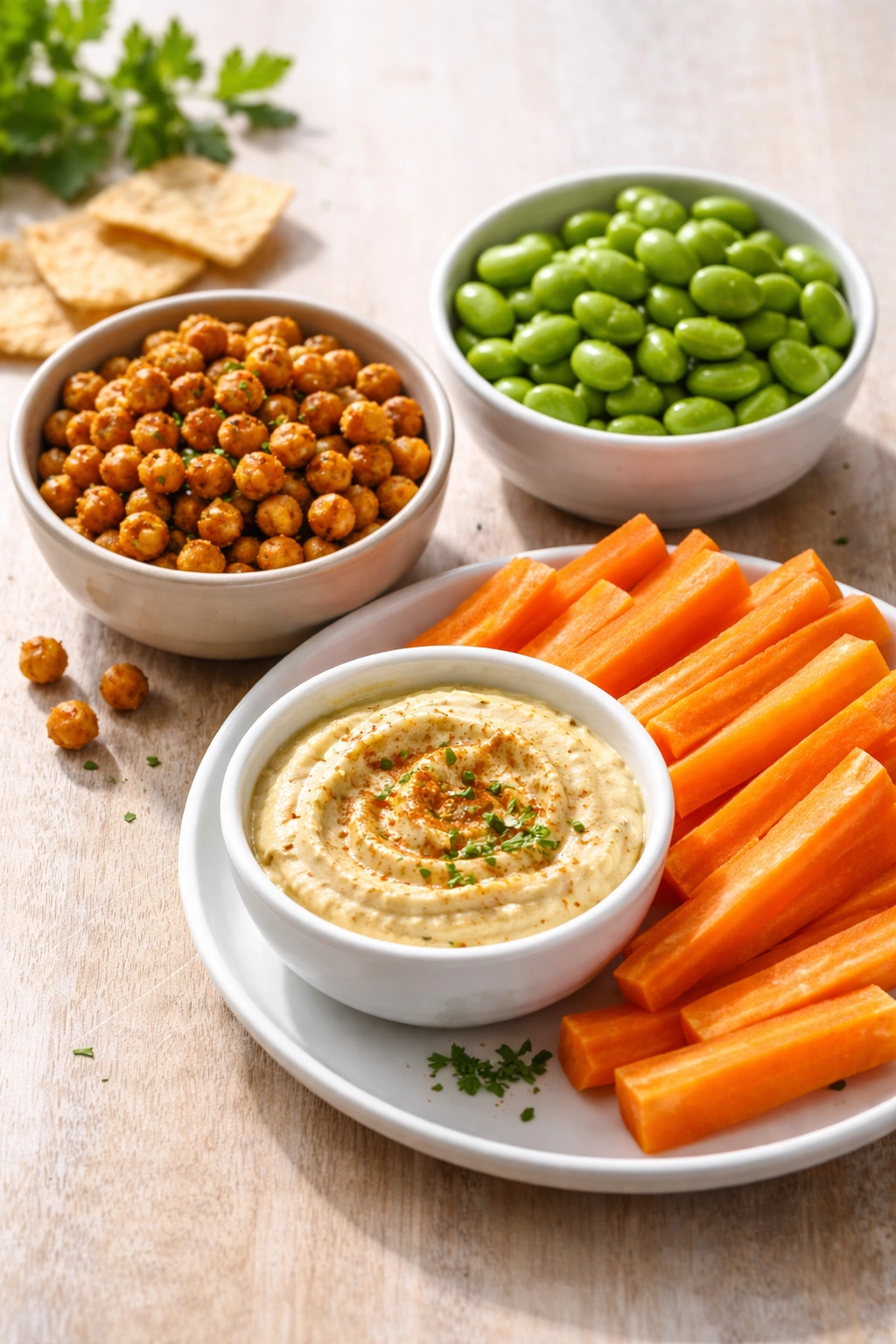
If you follow a plant-based diet or simply prefer non-animal proteins, there are genuinely effective options that work well with weight loss medication. The key is being more intentional about combining plant proteins, since many plant-based options alone don’t pack the same protein density as animal sources.
Legume-based snacks have surged in popularity and availability over recent years. Roasted chickpeas, edamame, and other bean-based snacks provide roughly 8-12 grams of protein per serving, making them a solid choice for plant-based eaters. The fiber content in legumes also supports digestive health and blood sugar stability, which matters when you’re consuming such concentrated portions on weight loss medication. The key is watching portion sizes—legumes are calorie-dense, so measure out a single serving rather than snacking directly from a bulk container.
Hummus paired with vegetables is a practical plant-based snack that delivers both protein and bulk. Two tablespoons of hummus typically contains 3-4 grams of protein from the chickpeas, and pairing it with generous amounts of raw vegetables (carrots, celery, bell peppers, cucumber) gives you volume and satisfaction without excessive calories. The vegetables fill your stomach while the hummus provides fat and protein that keeps you satisfied. This combination works particularly well for people on GLP-1 medications, since the small volume of calorie-dense food paired with high-volume vegetables seems to align well with how these medications affect eating patterns.
Nuts and seeds are plant-based protein sources with the added benefit of healthy fats. An ounce of almonds contains about 6 grams of protein, while the same amount of sunflower seeds provides roughly 5.5 grams. Nut butters offer even more concentrated protein—two tablespoons of almond or peanut butter delivers 7-8 grams of protein. The challenge with nuts is that they’re calorie-dense and easy to overeat mindlessly. Portioning them in advance into small containers or buying pre-portioned packs helps you maintain control while still enjoying this satisfying snack.
High-Protein Meat-Based Snacks for Convenience
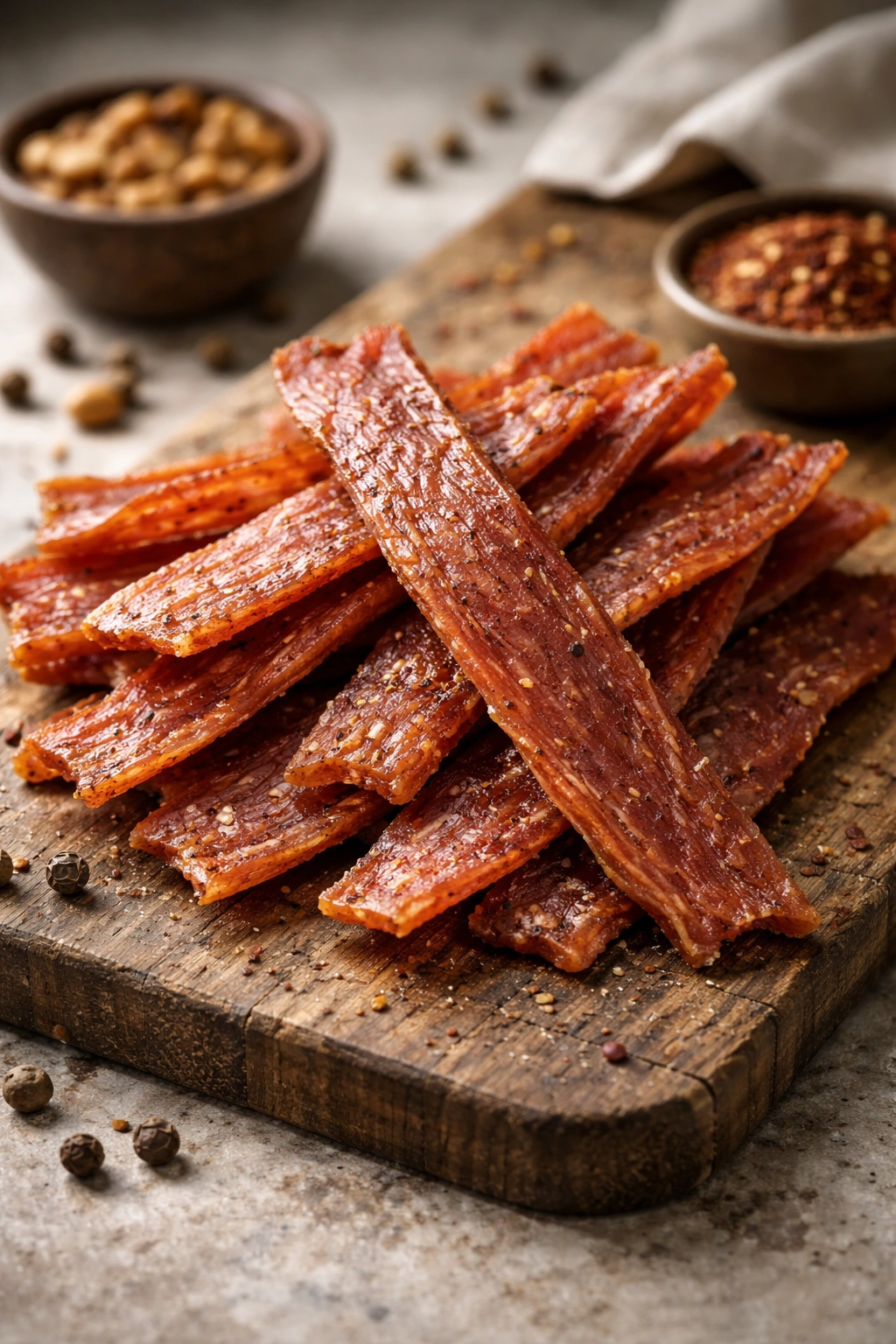
Meat and poultry provide some of the most protein-concentrated snack options available, and many are portable enough for grab-and-go convenience. These snacks tend to work especially well for people on weight loss medication because the savory, satisfying nature of meat-based foods often appeals more than sweet snacks when appetite is suppressed.
Turkey or beef jerky is one of the most portable high-protein snacks available. An ounce of jerky (about one small handful) provides roughly 9-12 grams of protein, depending on the brand, with almost zero carbohydrates. The benefit of jerky is that it requires sustained chewing, which creates a psychological sense of eating more than you actually are—important when portions are small on weight loss medication. Choose options without excessive added sugar, as sugar-sweetened jerky can trigger nausea or digestive discomfort in people taking appetite suppressants. Look for jerky labeled “original” or “natural” rather than “teriyaki” or heavily flavored varieties, which typically contain more sugar.
Canned tuna or salmon is dramatically underrated as a snack option. A small can of tuna packed in water contains roughly 20 grams of protein and about 100 calories, making it one of the most efficient snacks for weight loss medication. The omega-3 fatty acids in salmon additionally support heart health and reduce inflammation, which matters during weight loss. The convenience factor is exceptional—you can eat it straight from the can with a fork, or mix it with a small amount of avocado or mustard for added flavor. Keep a small supply at your desk, in your car, or in your work bag for times when you need protein quickly.
Rotisserie chicken is a prepared protein source that many supermarkets now offer, making it accessible for busy people. Shredding a quarter of a rotisserie chicken and portioning it into small containers gives you grab-and-go protein throughout the week. Three ounces of chicken breast contains approximately 26 grams of protein, making it one of the most efficient snacks available. Pair a small portion of shredded chicken with a vegetable-based sauce—mustard, hot sauce, or salsa—to add flavor without significant calories.
Nuts, Seeds, and Nut Butters as Portable Protein Sources
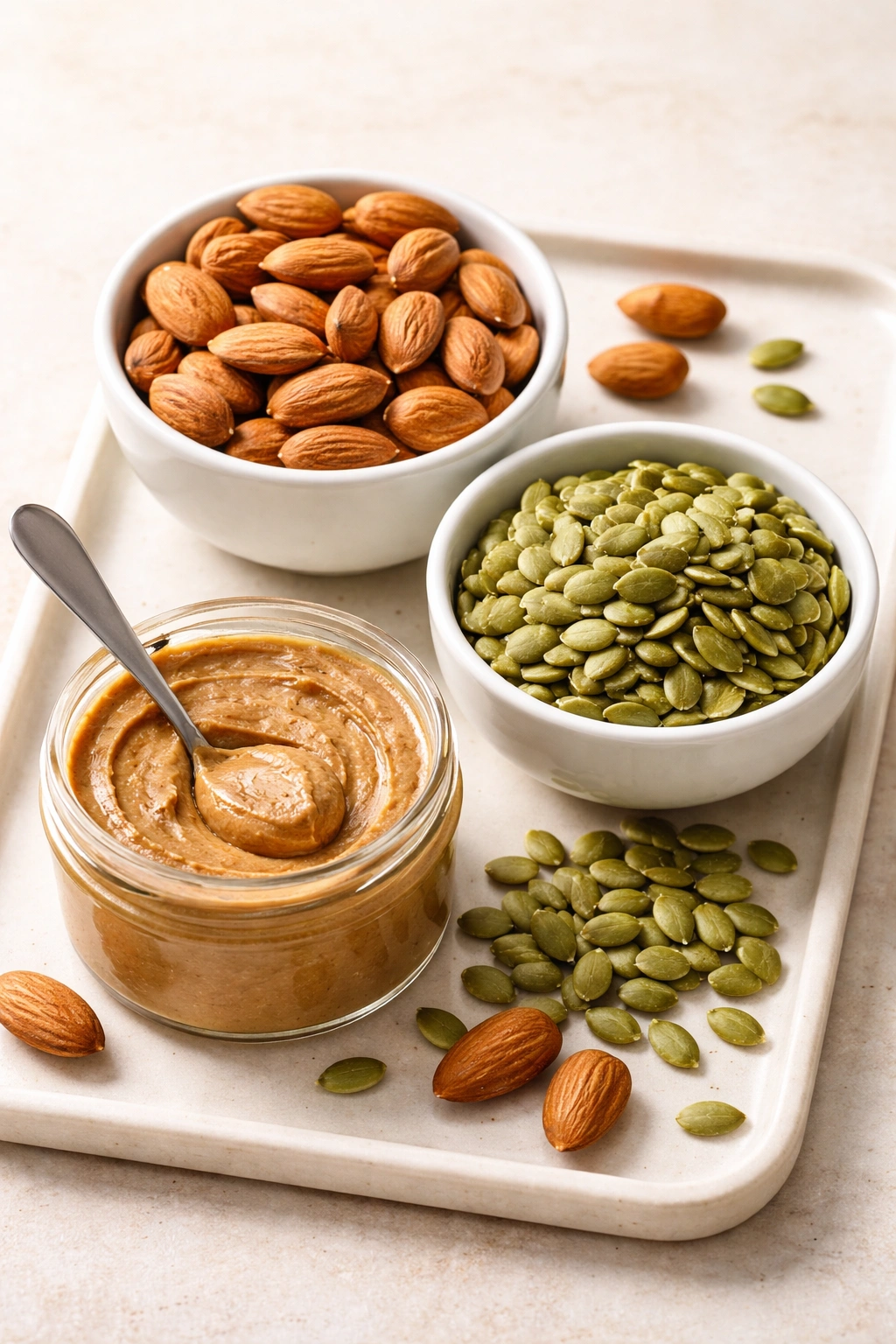
Nuts and seeds are nutrient-dense foods that deliver protein alongside healthy fats and micronutrients, but their caloric density means portion control is essential when you’re on weight loss medication. The good news is that because these foods are satisfying, a small portion (roughly one ounce) is often genuinely sufficient to quiet hunger.
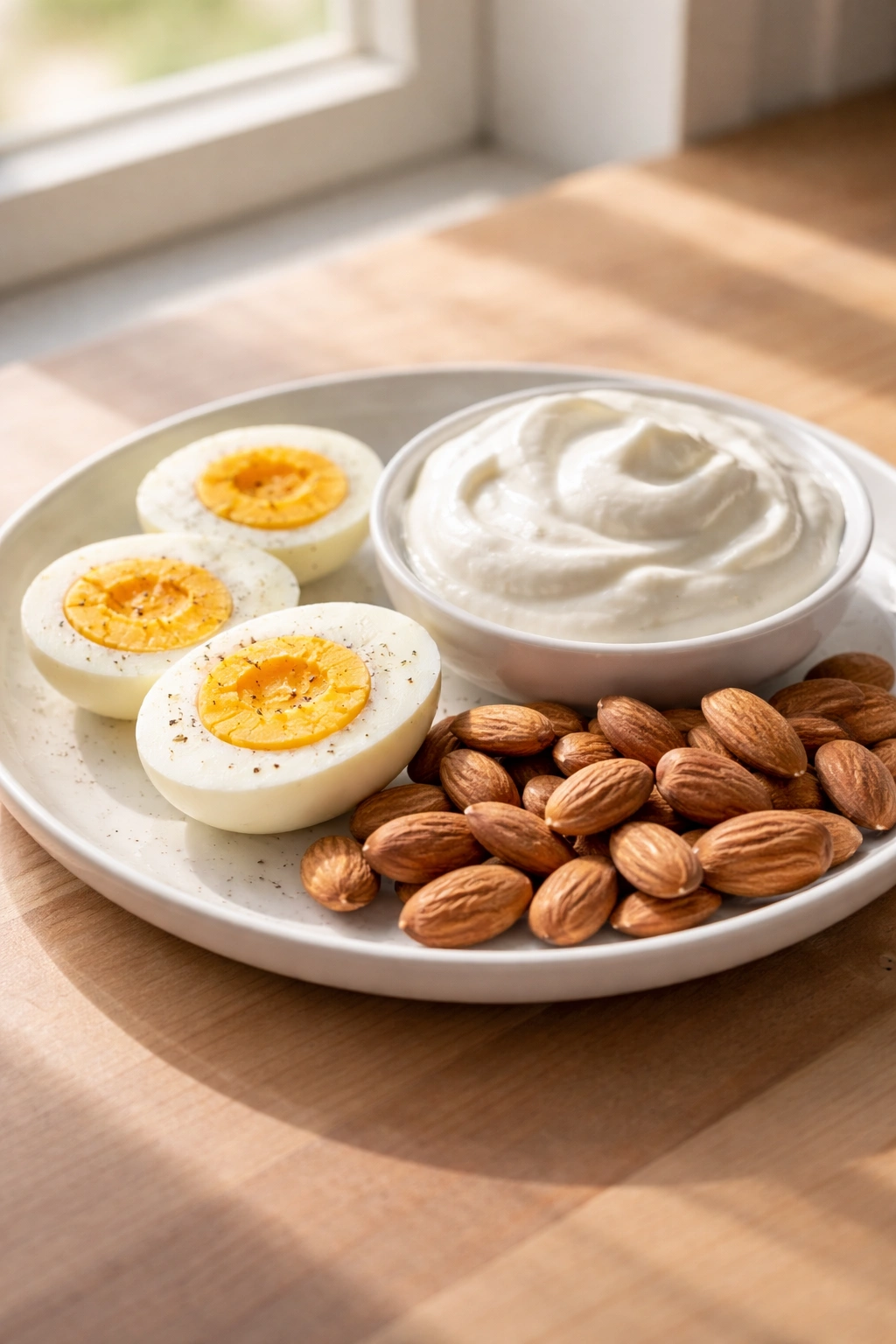
Almonds are the standout in terms of protein content among commonly available nuts. One ounce provides 6 grams of protein, 3.5 grams of fiber, and vitamin E plus magnesium. The fiber and protein combination works synergistically to keep you satisfied. Pre-portioning almonds into small paper cups or buying single-serve nut packs removes the temptation to overeat. Having these pre-portioned servings visible and accessible means you’re more likely to grab them when you need a snack rather than reaching for something less nutritious.
Pumpkin seeds and sunflower seeds pack even more protein than most nuts relative to their size. An ounce of pumpkin seeds (about a quarter cup) delivers 9 grams of protein alongside zinc, magnesium, and iron—micronutrients that are important to monitor when you’re consuming fewer overall calories. These seeds work well mixed into Greek yogurt or paired with a piece of fruit if you want to add a small carbohydrate component to your snack.
Nut butters are incredibly efficient protein sources because they’re concentrated—a two-tablespoon serving of peanut butter or almond butter delivers 7-8 grams of protein in roughly 190 calories. The trick with nut butters on weight loss medication is portion control. Rather than spooning directly from the jar (which makes portions invisible), measure out two tablespoons into a small bowl or pre-portion into squeeze packets. Pair your nut butter with apple slices, celery, or simply eat it with a spoon. The fat content in nut butters also slows digestion and creates stable energy, which is particularly helpful during the afternoon energy dip many people experience.
Protein Bars and Store-Bought High-Protein Snacks
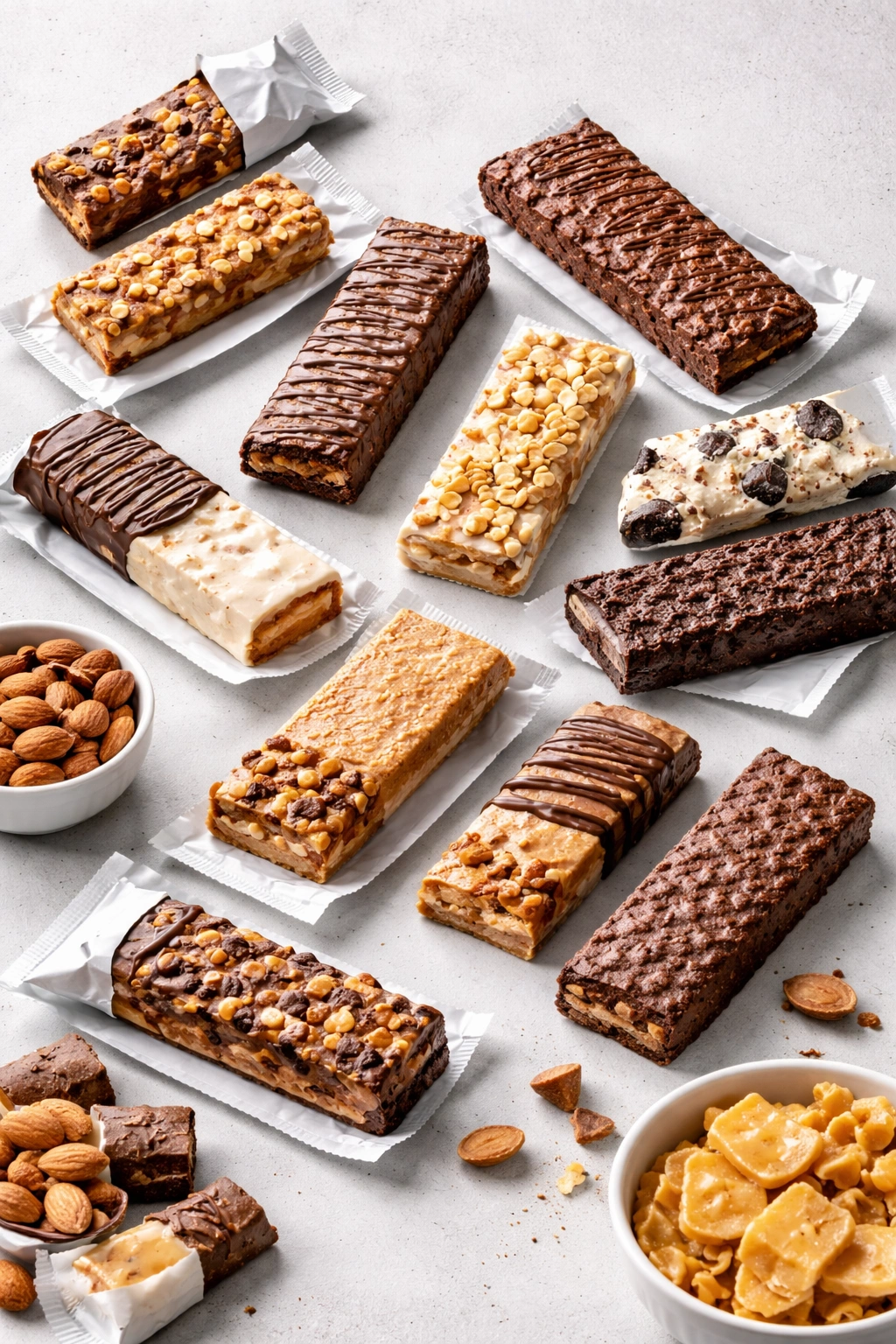
High-protein snack bars have evolved significantly and now include options that genuinely deliver on their protein promises without excessive artificial ingredients. These packaged snacks can be invaluable when you’re busy, traveling, or need something shelf-stable in your bag or car.
When choosing protein bars, read the nutrition label carefully. Look for bars with at least 15-20 grams of protein, less than 5 grams of sugar, and fewer than 200 calories. Many bars marketed for weight loss contain artificial sweeteners, which some people find don’t sit well when they’re on appetite-suppressing medication. If artificial sweeteners upset your stomach, look for bars sweetened with stevia or monk fruit, though these are less widely available and often more expensive.
The protein source in the bar matters too. Bars made with whey or casein protein tend to be more palatable and digest more easily than some plant-based options, though quality plant-based protein bars do exist. Check the ingredient list—whey protein isolate or concentrate should be near the top of the ingredients list, followed by nuts or seeds. Avoid bars with a long list of unrecognizable chemical ingredients, which often leave you feeling unsatisfied even though they’re technically food.
Beef or biltong chips are another packaged option that’s gaining availability. These are thin slices of cured beef that provide substantial protein (roughly 10 grams per small handful) with virtually no carbohydrates. They’re shelf-stable, portable, and don’t require refrigeration, making them practical for travel or keeping at your desk. The savory, satisfying nature of these snacks appeals to many people on weight loss medication, since sweet snacks often feel less appealing when appetite is suppressed.
Eggs as a Complete, Portable High-Protein Snack
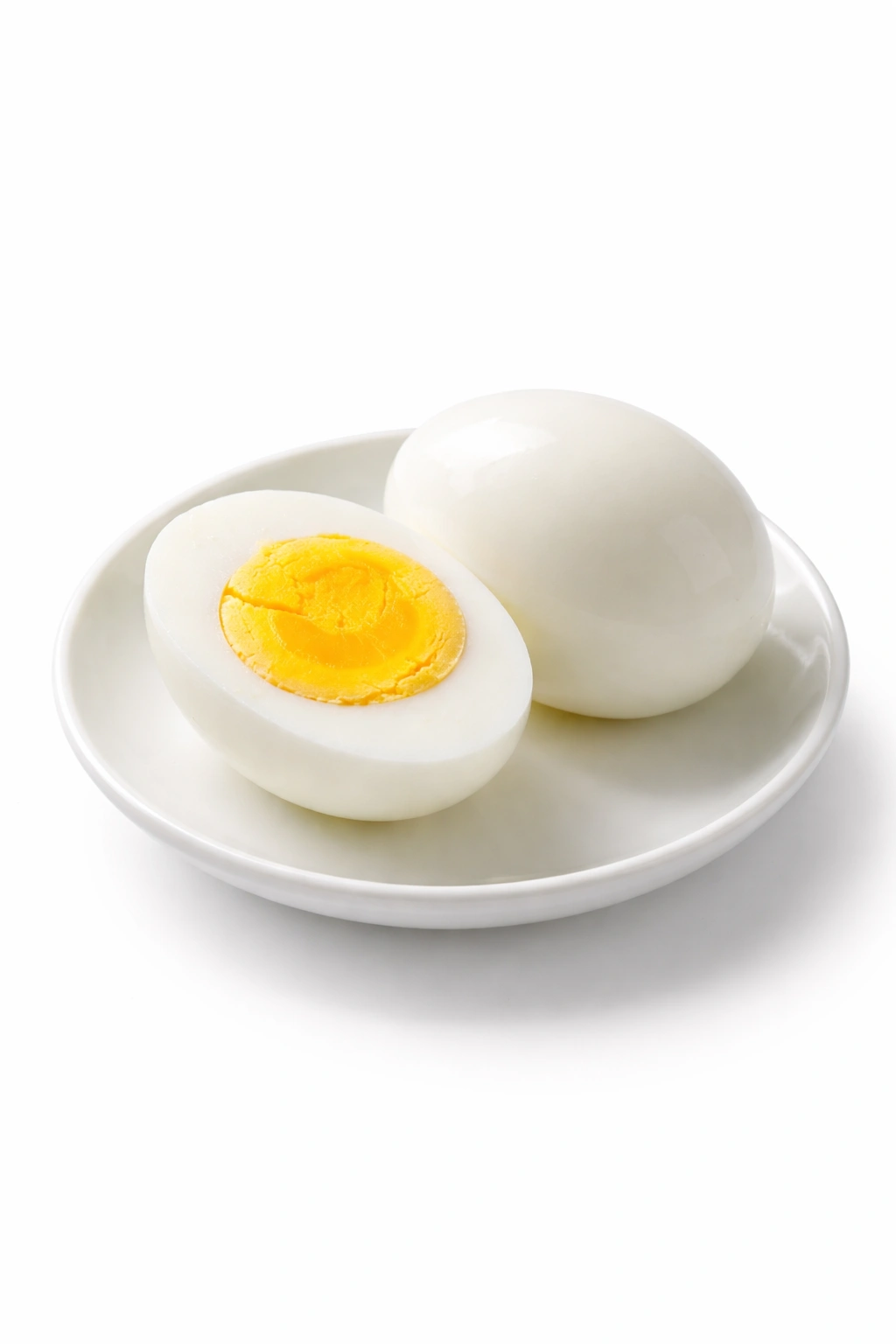
Eggs are so nutrient-dense and protein-rich that they deserve individual attention as a snacking option. A single large egg contains about 6 grams of high-quality, complete protein alongside vitamins and minerals that support overall health. The egg white contains most of the protein, while the yolk contains most of the nutrients, making whole eggs the superior choice despite being slightly higher in calories.
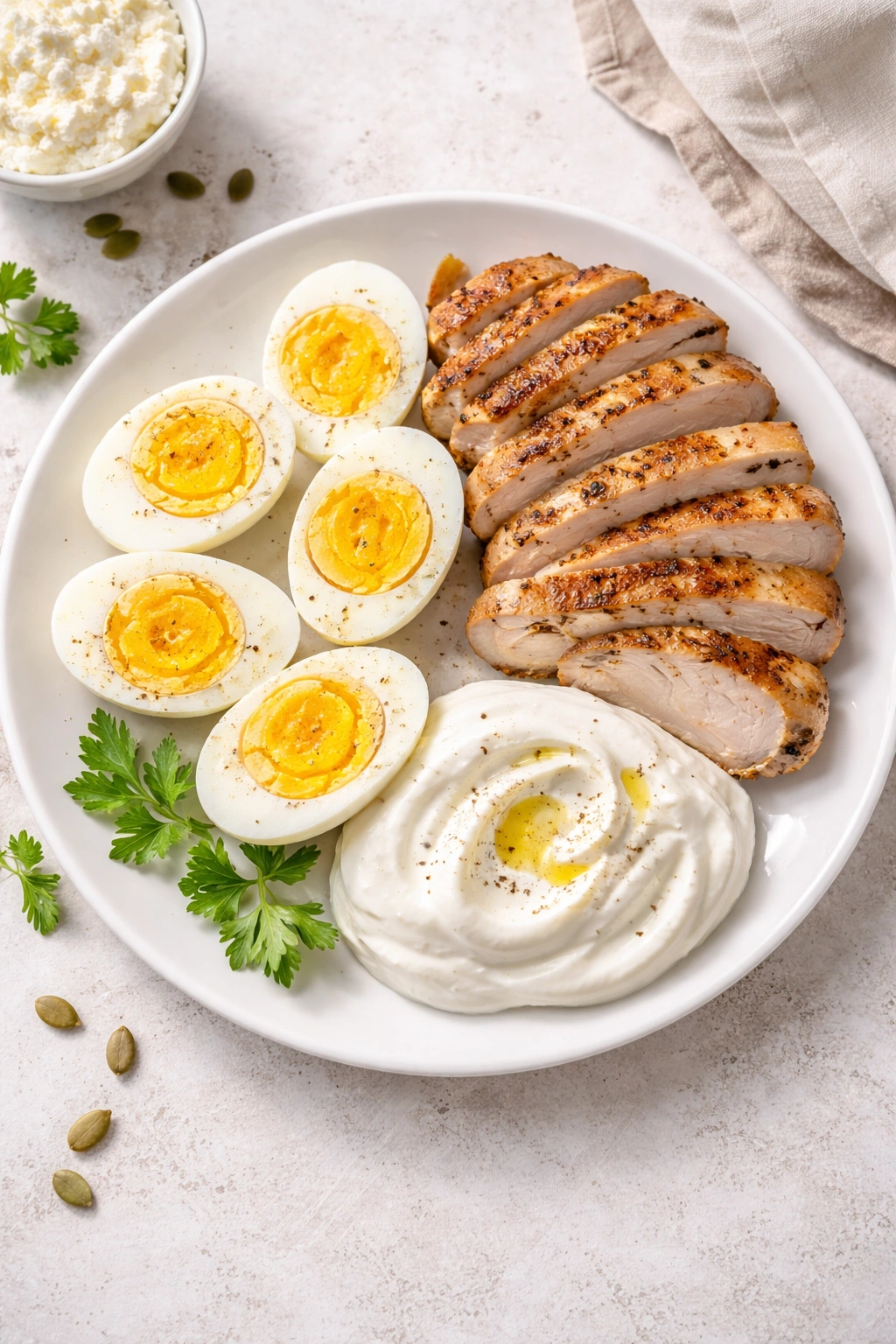
Hard-boiled eggs are the ultimate portable snack. You can make a batch at the start of the week, store them in the refrigerator, and grab one or two whenever you need a quick protein boost. A pair of hard-boiled eggs provides 12 grams of protein for roughly 140 calories, making them an efficient choice for weight loss. The combination of protein and fat keeps you satisfied for hours, and hard-boiled eggs don’t require utensils or elaborate preparation—just peel and eat.
Eggs cooked into muffin-tin frittatas offer another make-ahead option. Beat together eggs with chopped vegetables, cheese, and seasonings, pour into a greased muffin tin, and bake at 350°F for about 20 minutes. Each muffin delivers roughly 8-10 grams of protein depending on how many eggs you use, plus micronutrients from whatever vegetables you include. Make a batch of 12 on Sunday and you have grab-and-go snacks throughout the week that taste better than most prepared options.
Deviled eggs are a more indulgent but genuinely satisfying option. Mix hard-boiled egg yolks with a small amount of mayo, mustard, and paprika, then spoon back into the egg white halves. A pair of deviled eggs provides roughly 12 grams of protein and feels more like a special treat than a functional snack, which can help with long-term adherence to your snacking plan. The key is using just enough mayo to make them creamy rather than loading them with excess fat that tips the calorie balance.
Greek Yogurt and Cottage Cheese-Based Snack Combinations
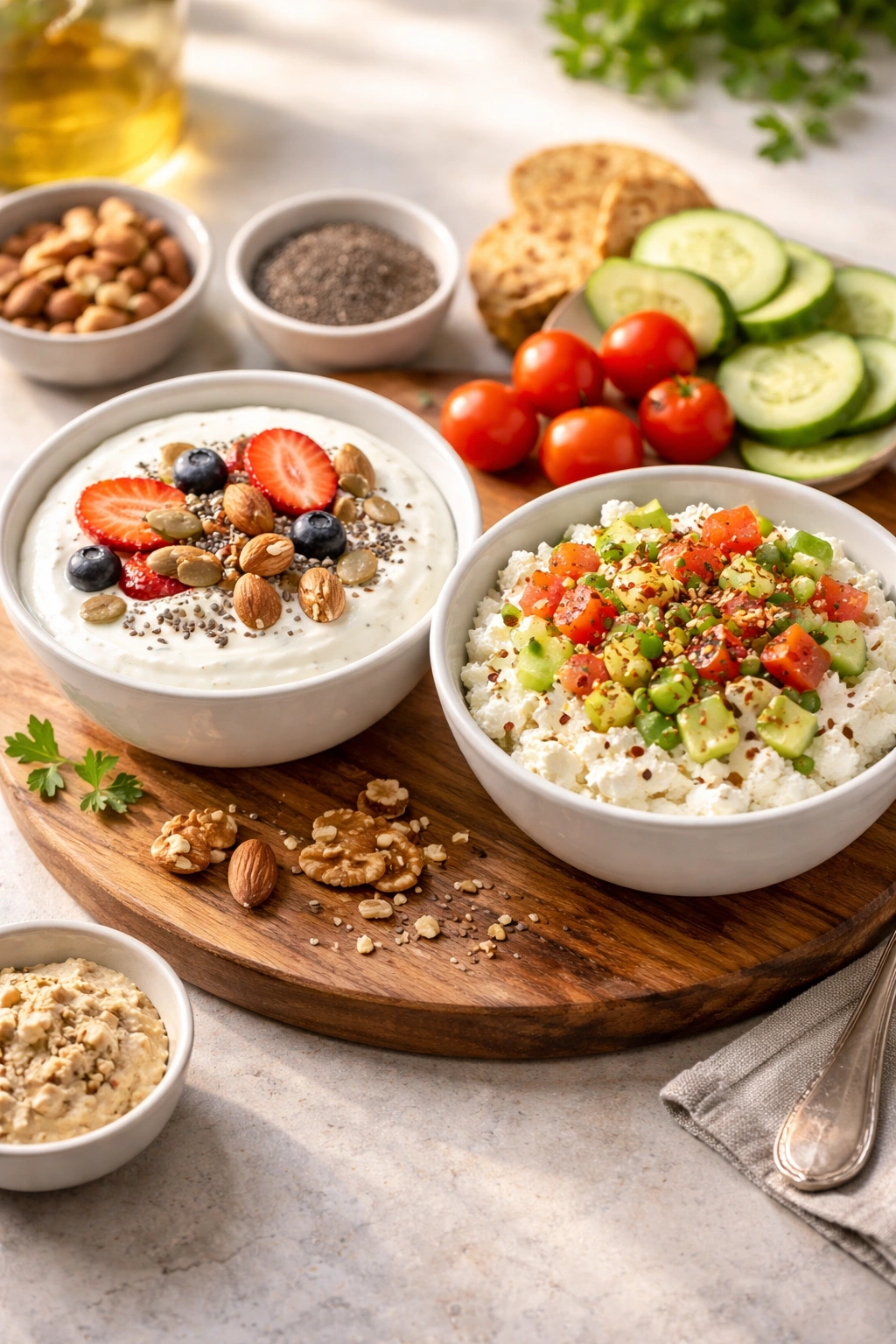
Greek yogurt and cottage cheese are foundation foods for high-protein snacking, and they become infinitely more interesting when you think beyond plain, sweetened varieties. Both are shelf-stable for weeks once opened, making them reliable snacks to keep on hand.
The basic formula for a Greek yogurt snack on weight loss medication is: plain Greek yogurt plus protein add-ins plus low-sugar flavor elements. Start with 150 grams (about two-thirds cup) of plain Greek yogurt, which provides 15-20 grams of protein depending on the brand. Add a small handful of nuts, a sprinkle of seeds, or a tablespoon of nut butter for additional protein and satisfying fat. Finally, add flavor with a small amount of berries, a drizzle of sugar-free syrup, or a sprinkle of cinnamon. This combination keeps you satisfied without triggering the sugar-related nausea that some people experience on weight loss medication.
Cottage cheese works beautifully eaten in a similar way. Many people find that the texture and flavor of cottage cheese pair particularly well with savory toppings. Try mixing cottage cheese with everything bagel seasoning, or topping it with sliced tomatoes and a grind of black pepper. The savory route often appeals more to people on appetite-suppressing medication than sweet flavor profiles. Cottage cheese also works as a base for a make-ahead snack bowl—layer cottage cheese with nuts, seeds, and berries in a clear container for convenient grab-and-go snacking throughout the week.
Both of these dairy bases are also excellent vehicles for the “protein pudding” approach. Mix plain Greek yogurt with a scoop of chocolate or vanilla protein powder, a tablespoon of cocoa powder, and a touch of vanilla extract to create a chocolate mousse-like snack that delivers 25-30 grams of protein. This works surprisingly well even for people who typically find chocolate triggering on weight loss medication, since the protein base seems to sit better than sugary chocolate snacks.
Protein Powder and Prepared Protein Drinks
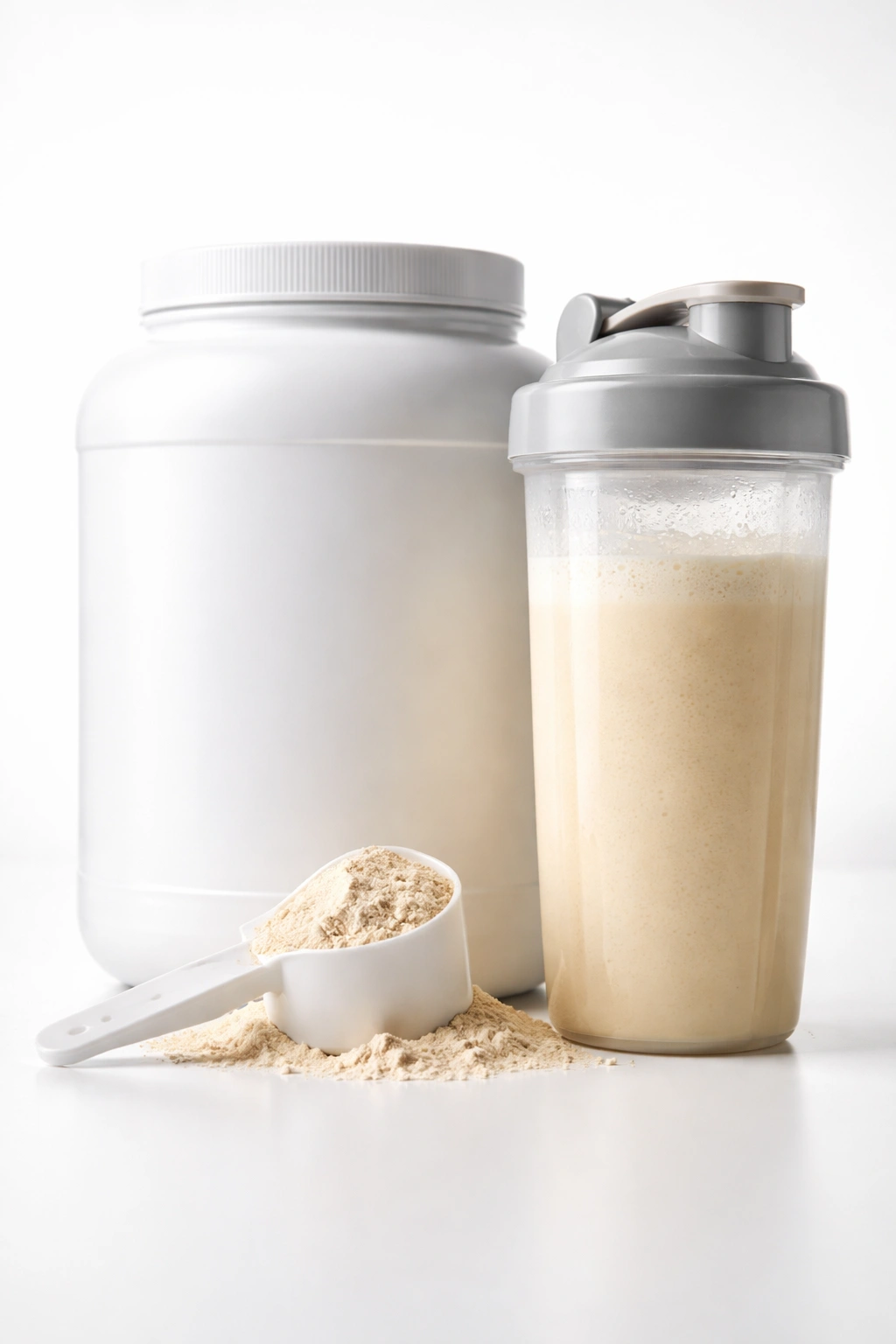
Protein powders offer the most concentrated protein source available, making them efficient for weight loss medication when portion control is essential. A single scoop of most quality protein powders provides 20-25 grams of protein for 100-120 calories, making it possible to create substantial snacks that fit neatly into the calorie constraints many people on weight loss medication experience.
Whey protein isolate is the fastest-absorbing protein powder and is typically the most palatable option available. Whey concentrates contain more lactose and fat, making them slightly more calorie-dense but potentially more satisfying. Plant-based options like pea, hemp, or brown rice protein exist but often have a grittier texture or less appealing flavor. If you’re using protein powder regularly, invest in a quality brand rather than buying the cheapest option—the difference in texture and taste significantly impacts whether you’ll actually consume the snack consistently.
A simple protein shake made with powder, water, and ice takes two minutes to prepare and provides 20-25 grams of protein for about 120 calories. You can make it more satisfying by adding a small amount of peanut butter (7-8 grams additional protein for 100 calories), creating a shake that delivers 27-33 grams of protein. This works especially well as a pre-workout snack if you’re exercising while on weight loss medication, as the protein helps preserve muscle and provides energy without making you feel overstuffed before physical activity.
Pre-made protein shakes (like Fairlife Core Power, Premier Protein, or other brands) offer convenience when you don’t have time to blend. Most contain 20-30 grams of protein per serving and come in shelf-stable bottles. The advantage is genuine convenience—grab, open, drink—with no preparation required. The disadvantage is cost compared to powder, and some people find that drinking meals doesn’t feel as satisfying as eating solid food. Many people on weight loss medication find that mixing protein powder-based snacks throughout the day is more sustainable than relying entirely on prepared drinks.
Strategic Timing and Portion Control for Weight Loss Medication
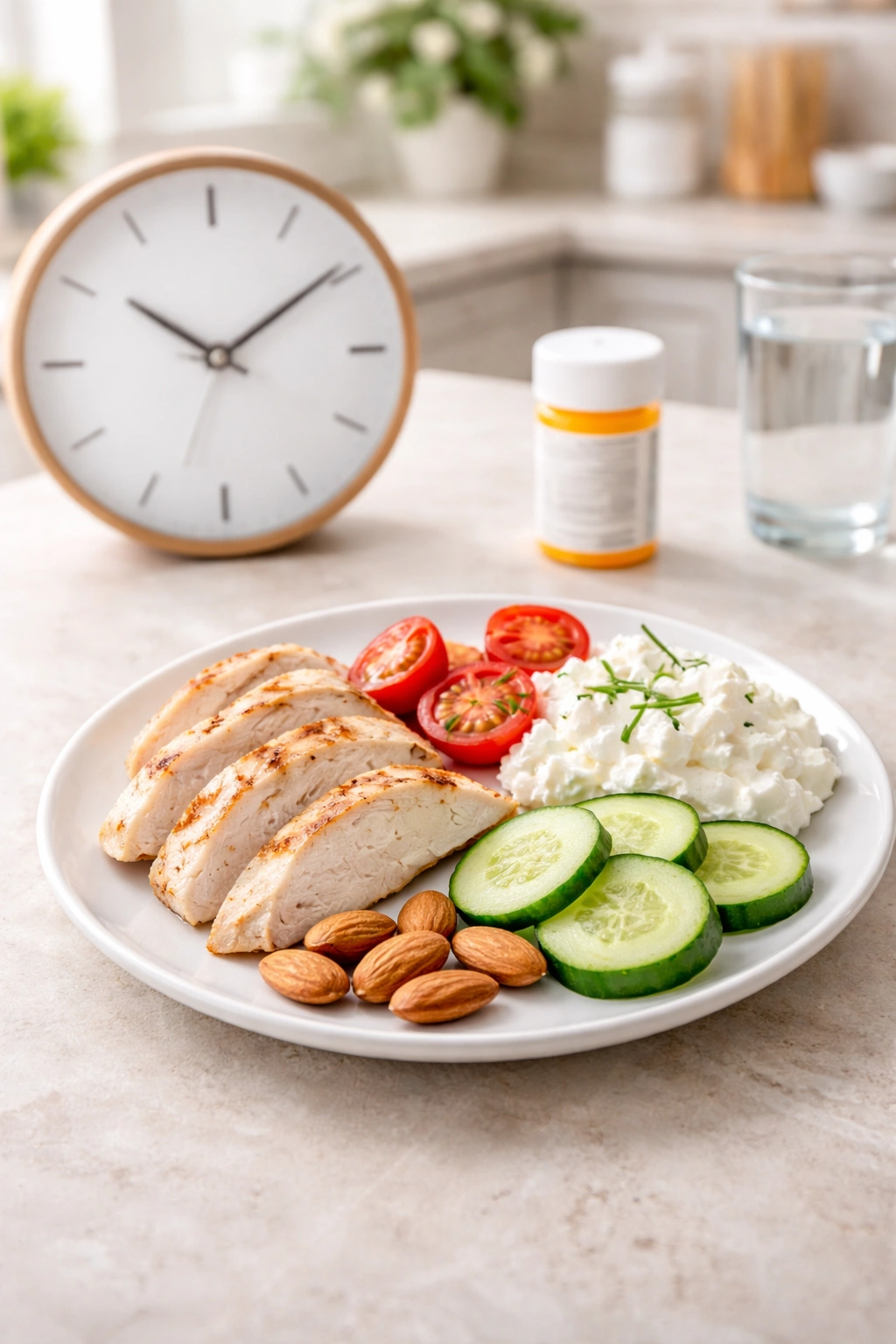
The timing of your snacks matters significantly when you’re on weight loss medication, since your appetite patterns have fundamentally changed. Most people on these medications find that they need to be deliberate about eating throughout the day, not because they’re hungry, but because their bodies still require nutrition even when appetite signals have dampened.
Many weight loss medications suppress appetite most strongly in the morning hours. People often report feeling uninterested in eating breakfast or lunch while taking GLP-1 agonists, but appetite may gradually return as the day progresses. This makes afternoon and evening strategic times to include your higher-protein snacks, since that’s when you’re most likely to need them. A protein-rich 3pm snack can prevent the energy crash that leads to evening overeating.
Portion sizes become counterintuitively important on weight loss medication. Because appetite is suppressed, it’s easy to accidentally undereat and create a calorie deficit so severe that your body starts breaking down muscle tissue. Aim for snacks in the 12-20 gram protein range, spaced roughly four to six hours apart. This is substantially smaller than pre-medication snacking habits but adequate to meet your nutritional needs in the context of overall reduced intake.
The physical act of eating deserves attention too. When appetite is suppressed, foods that require chewing—like jerky, nuts, or whole vegetables—feel more satisfying than foods that are easy to consume in large quantities. A protein snack that takes 10 minutes to eat through genuine chewing often feels more satisfying than a snack consumed in 30 seconds, even if the protein content is identical. This psychological component is real and should inform your snack choices.
Foods to Limit or Avoid While on Weight Loss Medication
Certain foods and eating patterns work against weight loss medication rather than with it. Understanding what to avoid helps you navigate snacking decisions more confidently and prevents the digestive upset that can derail your progress.
Sugar and highly processed refined carbohydrates are the primary culprits to minimize. Weight loss medications like GLP-1 agonists often increase nausea and digestive discomfort, and sugar tends to amplify both symptoms significantly. Foods like candy, regular soda, sugary yogurts, and baked goods sweetened with sugar sit poorly and often trigger immediate nausea. This isn’t about weight loss theory—it’s a practical reality that people on these medications learn quickly when they accidentally eat something sugary.
Foods high in fat and grease also require caution, though the guidance here is more nuanced. Healthy fats like those in nuts, seeds, and fish are beneficial and sit well. But fried foods, fatty deli meats, and foods with excessive added oils often cause digestive distress, including loose stools or constipation depending on the individual. This is particularly true in the initial weeks of medication, when your digestive system is adjusting.
Carbonated beverages deserve special mention. The bubbles in sparkling water, soda, and other carbonated drinks can increase bloating and gas, which are already common side effects of weight loss medication. Many people find that eliminating carbonated drinks entirely reduces digestive discomfort, even though the drinks themselves contain few calories. Still water, unsweetened tea, and other flat beverages are better choices.
Artificial sweeteners deserve mention because experiences vary dramatically from person to person. Some people on weight loss medication find that artificial sweeteners trigger cravings, nausea, or other digestive issues. Others tolerate them completely fine. The only way to know is to pay attention to how your body responds and adjust accordingly. If you’re experiencing unexplained nausea, digestive upset, or increased cravings, try eliminating foods with artificial sweeteners for a week and see if symptoms improve.
Meal Prep and Make-Ahead Snack Strategies
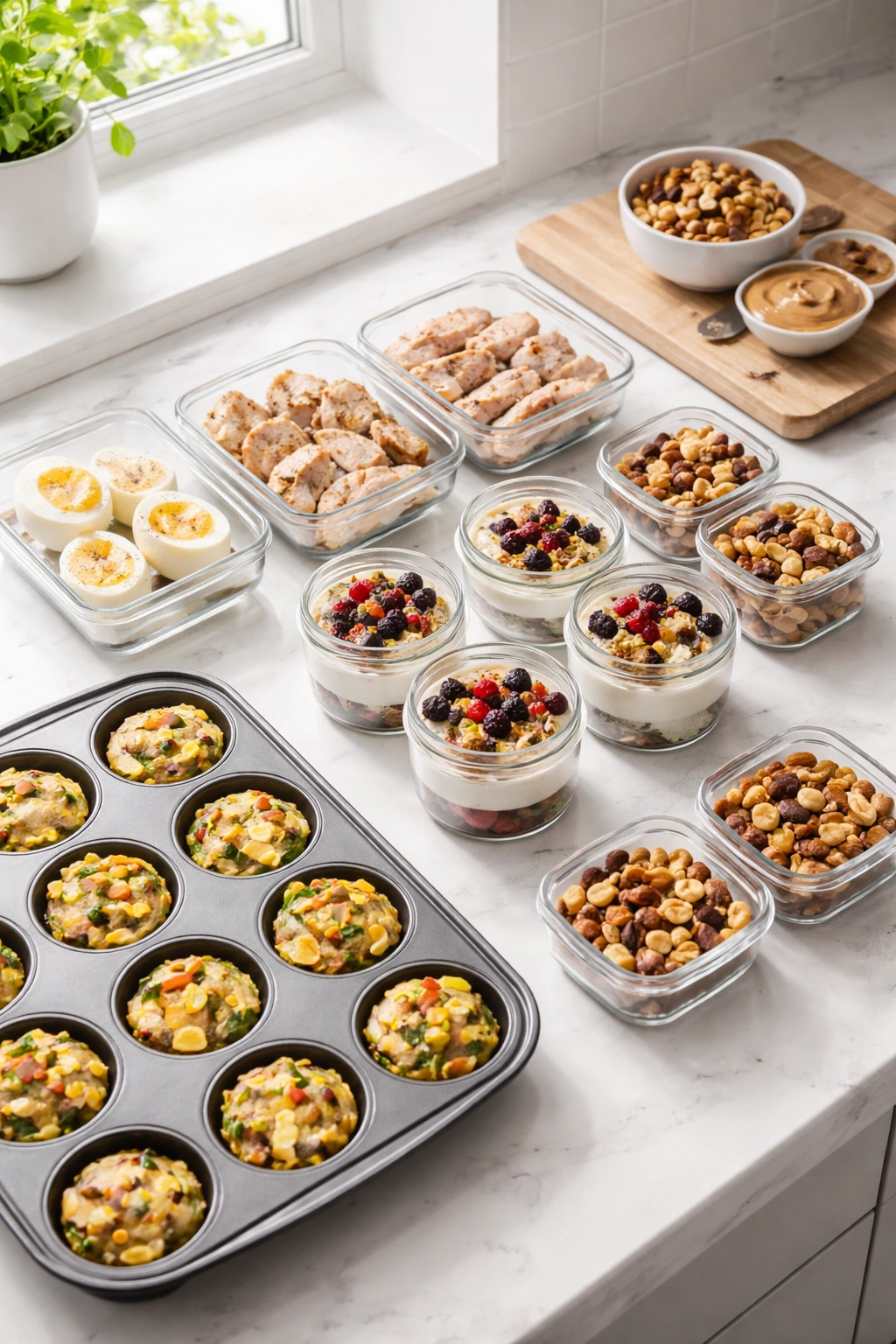
The consistency of your snacking depends largely on whether your high-protein options are convenient and immediately accessible. People who invest in meal prep—dedicating two to three hours weekly to preparation—have dramatically more consistent eating patterns and better weight loss outcomes than those who rely on impulse snack decisions.
Sunday preparation ritual is the foundation for successful snacking throughout the week. Designate one afternoon to hard-boil a dozen eggs, cook a batch of rotisserie chicken and portion it into containers, prepare a large Greek yogurt parfait containers with fixed components, cook a batch of egg muffins, and portion nuts into single-serve containers. This investment of a few hours creates grab-and-go snacks that require zero decision-making throughout the week, which is invaluable when your brain’s decision-making capacity is stretched.
Individual snack containers or compartment containers make a significant difference in compliance. Rather than keeping large packages of nuts or cheese visible, which invites mindless eating, portion everything into single-serve containers immediately upon shopping or preparation. Pre-portioned snacks have the dual benefit of preventing overeating and making it obvious when you’ve completed a snack, signaling to your brain that eating is finished. This matter more when appetite is suppressed than when appetite is robust.
Snack boxes organized by category in your pantry or refrigerator create visual clarity. Keep one basket or drawer dedicated to protein snacks, with subcategories for things like “nuts in single servings,” “cheese sticks,” “prepared jerky,” and “protein bars.” When you need a snack, you can see your options at a glance and make a quick decision rather than defaulting to whatever’s visible or easiest.
Shopping strategically also supports consistent snacking. Buy pre-portioned options when possible (single-serve nut packets, string cheese in individual wrappings, hard-boiled eggs from the store, small tins of fish) rather than bulk options that require you to portion them yourself weekly. The convenience premium you pay for pre-portioned foods is worthwhile if it means you actually eat the nutritious snacks rather than abandoning them because portioning felt like a barrier.
Key Takeaways
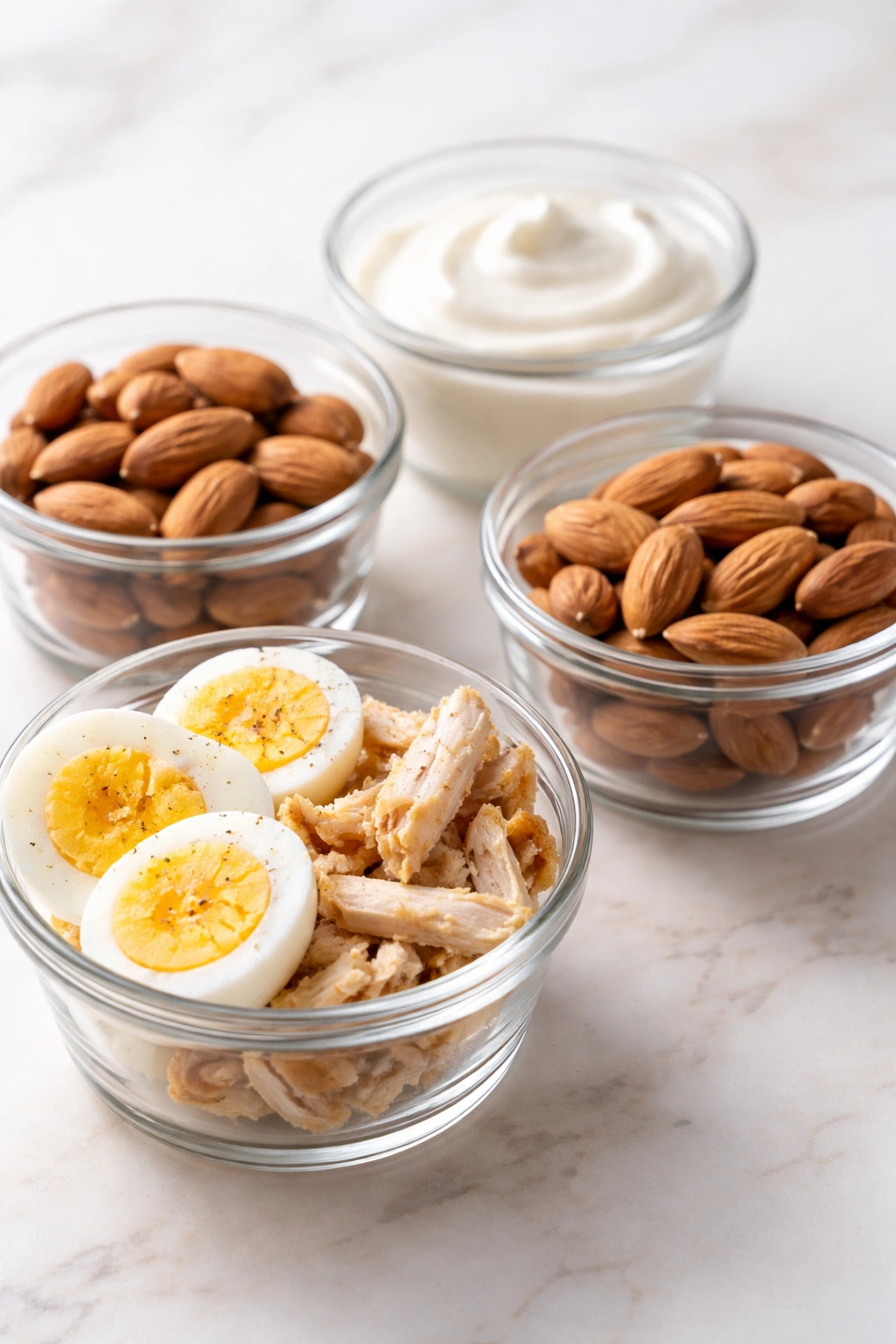
High-protein snacking is one of the highest-leverage decisions you can make while on weight loss medication. Protein preserves muscle tissue, keeps you satisfied with less food, and works synergistically with your medication to make the entire process feel sustainable. The specific snack options matter less than consistency—you’re far better off eating hard-boiled eggs three times weekly than alternating between a dozen different snacks.
Build your snacking strategy around the four to five options that genuinely appeal to you, prepare them ahead of time, and keep them visible and accessible. Your success depends much more on having convenient, prepared snacks immediately available than on understanding advanced nutrition theory. Even if your entire snacking strategy consists of rotisserie chicken, Greek yogurt, and almonds, you’ve created a foundation that will carry you through your weight loss journey.
Remember that weight loss medication has changed your appetite, but it hasn’t changed your nutritional needs—if anything, the intensity of your calorie deficit makes nutrition more important, not less. Your snacks are filling the gap that smaller portions create, and filling that gap with protein ensures you’ll lose fat rather than muscle, maintain your energy, and feel genuinely satisfied throughout your weight loss. That consistency, more than any specific snack choice, determines whether your medication works effectively or whether you eventually abandon your plan from frustration and fatigue.
