



Marry Me Chicken Pasta You’ll Make on Repeat
There’s a reason this dish went viral and stayed viral. Marry Me Chicken Pasta is the kind of recipe that hits different — it looks fancy enough for date night, tastes restaurant-quality, yet comes together in about 30 minutes with ingredients you probably already have in your kitchen. The name isn’t hyperbole, either. There’s something about a creamy sun-dried tomato sauce clinging to tender pasta and juicy chicken that just makes people fall in love with whoever prepared it.
What makes this recipe so addictive isn’t just that it tastes amazing. It’s that you’ll find yourself making it constantly because it delivers big flavor without demanding hours of your time or a shopping list that requires visiting three different stores. Once you master it, you’ll understand why people across the internet have been obsessing over this dish for good reason — it’s genuinely that good.
The beauty of this pasta lies in its simplicity and flexibility. Whether you’re cooking for yourself, impressing someone special, or feeding a crowd, this recipe scales beautifully. The sauce is silky and luxurious without being heavy. The chicken stays juicy because you cook it right in the sauce. And the sun-dried tomatoes add a concentrated burst of sweet-savory flavor that elevates the entire dish from “nice” to “absolutely unforgettable.”
Why This Pasta Deserves Its Name
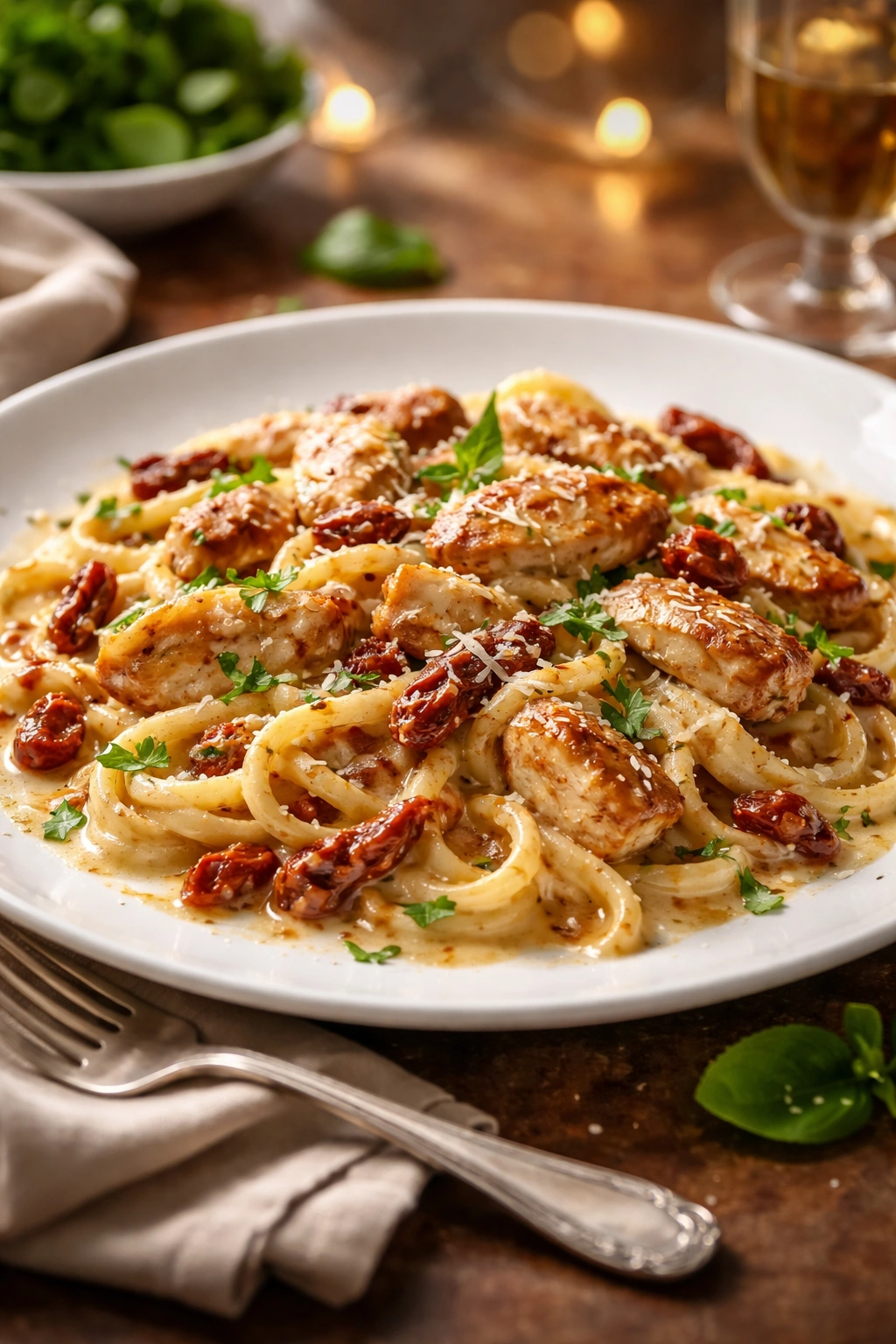
The “marry me” concept became famous through food media and social media, coined by culinary publications looking to capture the essence of a dish so irresistible it could reportedly inspire a proposal. The name might sound exaggerated until you taste it — then you understand completely. The combination of flavors is thoughtfully balanced: creamy but not heavy, rich but not one-dimensional, savory with subtle sweetness from the sun-dried tomatoes.
What makes people come back to this recipe repeatedly isn’t just the taste, though that’s obviously crucial. It’s the experience of making it. The kitchen fills with the aroma of garlic and tomatoes mingling with cream and herbs. The sauce comes together in minutes. There’s minimal cleanup. By the time you sit down to eat, you’ve spent less time cooking than you would waiting for takeout delivery, yet the payoff feels completely disproportionate to the effort.
The genius of this dish lies in how it manages to feel both comforting and elegant at the same time. It has the warmth and familiarity of classic comfort food, but with enough sophisticated flavor notes that you’d happily order it at a restaurant. That combination is genuinely rare, which explains why this pasta has become a staple in so many home kitchens.
The Magic Behind the Sauce
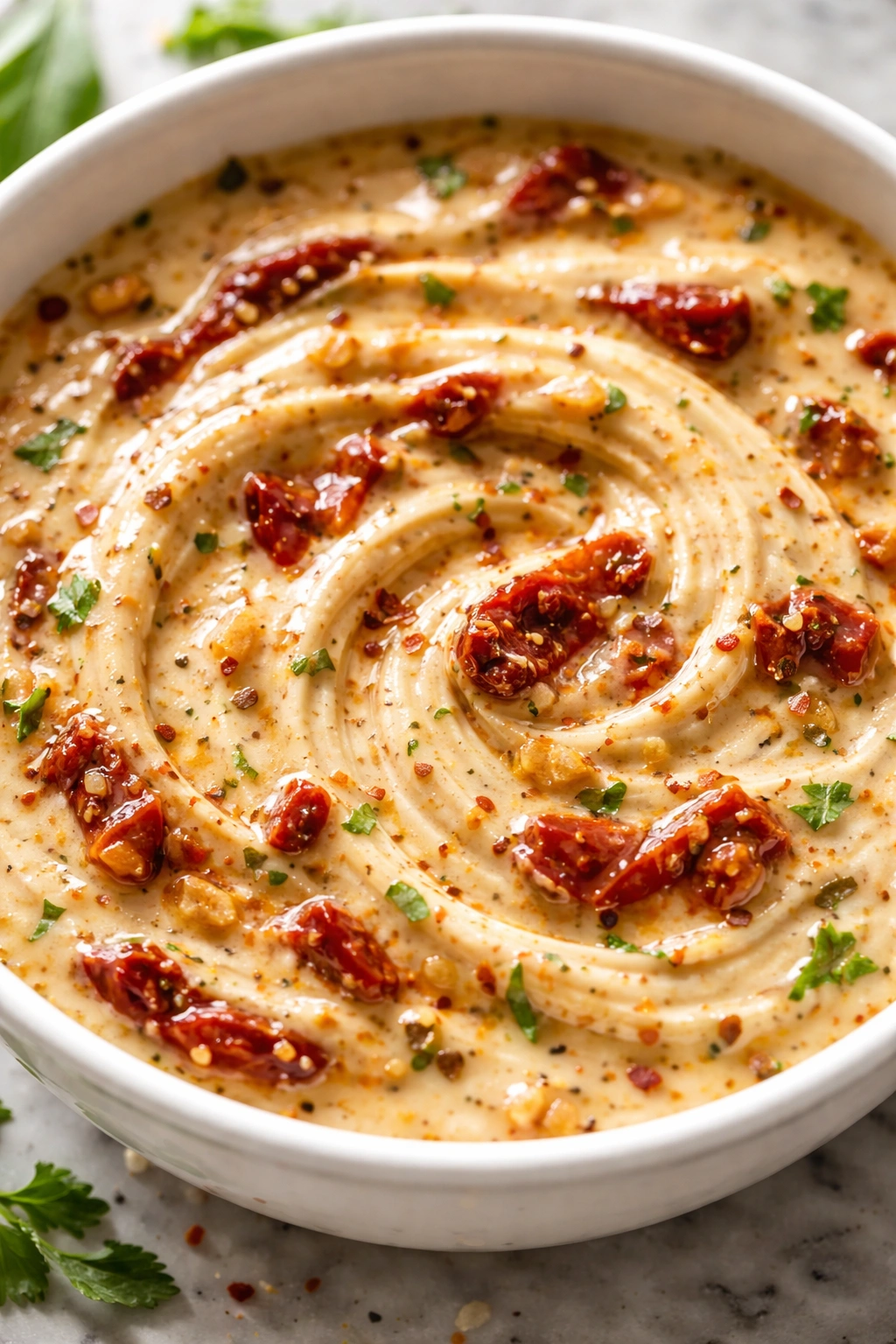
Understanding what makes this sauce work is key to mastering the recipe and knowing how to troubleshoot if something doesn’t go quite right. The sauce builds flavor in layers rather than relying on any single component to carry the entire dish.
The foundation starts with butter and garlic — a combination as old as cooking itself, but one that works because it’s undeniably delicious. Fresh minced garlic releases aromatic compounds when it hits hot butter, creating an incredible smell that signals to your brain that something wonderful is about to happen. This isn’t accidental flavor; it’s strategic.
Sun-dried tomatoes are the star ingredient that distinguishes this pasta from countless other creamy tomato sauces. Unlike fresh tomatoes, sun-dried tomatoes have concentrated flavor because much of their water content has been removed. What remains is pure tomato essence with a natural sweetness that fresh tomatoes simply can’t match. This concentration is why a relatively small amount of sun-dried tomatoes can transform an entire dish.
The cream enters the picture next, and here’s where precision matters. Heavy cream is essential — not half-and-half, not whole milk, and definitely not anything lower in fat. The higher fat content serves multiple purposes. It creates that signature silky texture, yes, but it also protects the sauce from curdling when combined with acidic tomatoes. Lower-fat dairy products lack the emulsifying properties that allow them to blend smoothly with tomatoes. You’ll end up with a broken, separated sauce that tastes off and looks unappetizing. Heavy cream is non-negotiable.
Parmesan cheese acts as both a flavor amplifier and a thickening agent. When you stir freshly grated Parmesan into warm cream, it doesn’t just add cheesy flavor — the cheese emulsifies slightly, creating a thicker, glossier sauce that clings beautifully to pasta. Pre-shredded cheese won’t work the same way because it’s coated with anti-caking agents that prevent proper melting.
The combination of these components creates a sauce that’s greater than the sum of its parts. It’s not just cream with tomatoes. It’s a balanced, complex flavor profile where each ingredient enhances the others.
Choosing Your Chicken and Pasta
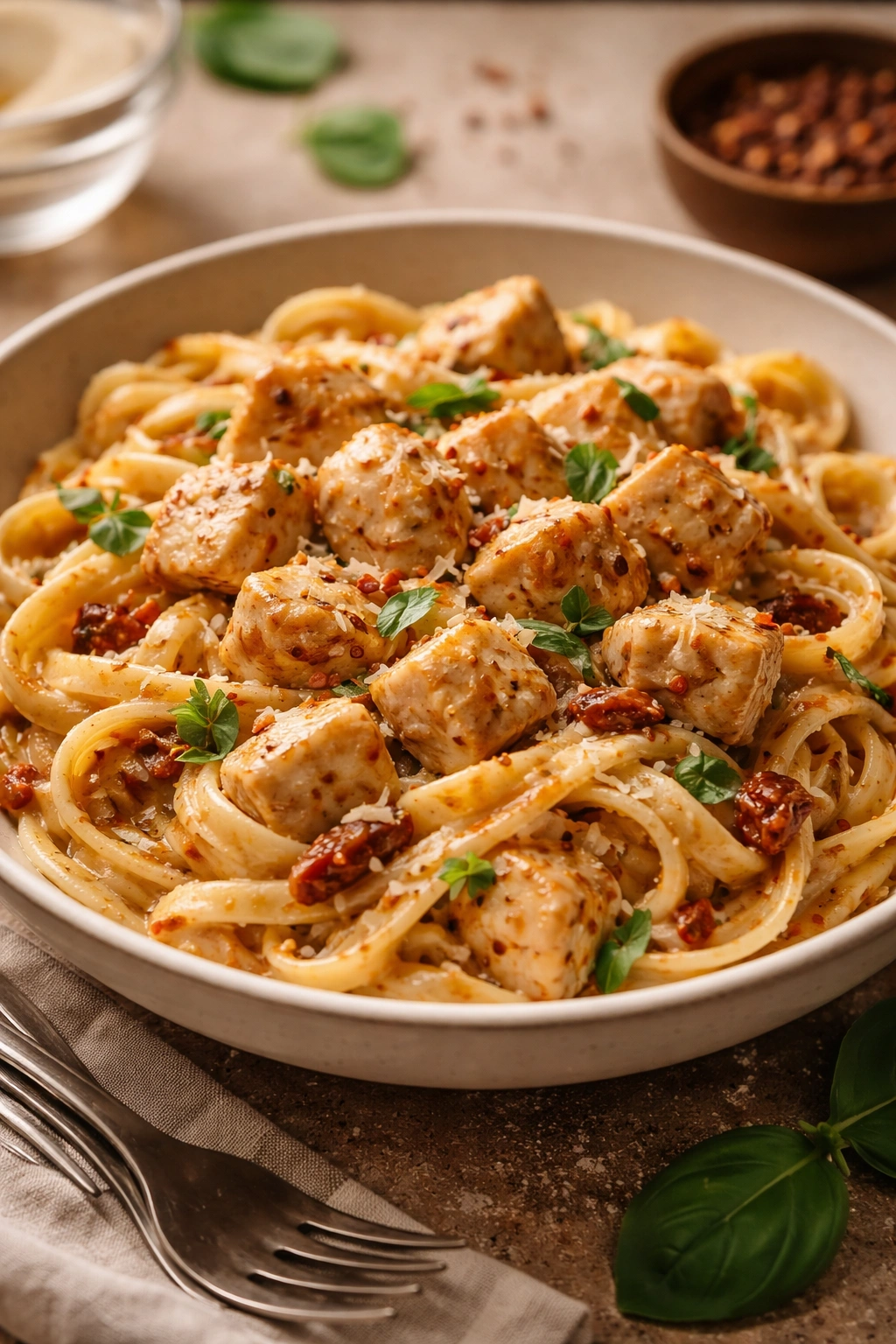
The chicken component deserves attention because improper chicken preparation can derail an otherwise perfect dish. You have several options, each with trade-offs worth understanding.
Fresh boneless, skinless chicken breasts are the most accessible choice. They’re economical, cook relatively quickly, and readily available year-round. The key is cutting them into uniform bite-sized pieces — roughly one-inch cubes works perfectly. Uniform sizing ensures even cooking. Thicker pieces will remain undercooked while thinner ones dry out before the larger ones are done.
Boneless, skinless chicken thighs are an excellent alternative if you prefer slightly more flavorful, forgiving meat. Thighs are more forgiving than breasts because they’re fattier, making it harder to accidentally overcook them into dry disappointment. Many home cooks find they prefer the texture and flavor of thighs, and there’s nothing wrong with that preference. The cooking time remains essentially the same.
Rotisserie chicken offers a convenient shortcut if you’re in a rush or don’t want to cook raw chicken. Simply shred or chop the meat and add it to the sauce without the initial cooking step. This saves about ten minutes of active cooking time. The trade-off is that rotisserie chicken doesn’t develop the same golden-brown crust that you get from searing raw chicken, which means you miss out on those flavorful browned bits that stick to the pan.
As for pasta, choose a shape that holds sauce well. Tubular pasta like penne, rigatoni, or ziti work beautifully because the sauce gets inside the tubes. Bowtie pasta, farfalle, and spiral pasta are equally excellent choices. Avoid very thin pasta like angel hair or spaghetti, which can become mushy when stirred into the creamy sauce. The pasta needs enough structural integrity to maintain its texture through tossing.
Yield: Serves 4 to 6 people
Prep Time: 10 minutes
Cook Time: 25 minutes
Total Time: 35 minutes
Difficulty: Beginner — This recipe requires no special techniques or equipment beyond a large skillet and basic cooking skills. Even someone cooking for the first time will find success here.
Ingredients for Marry Me Chicken Pasta
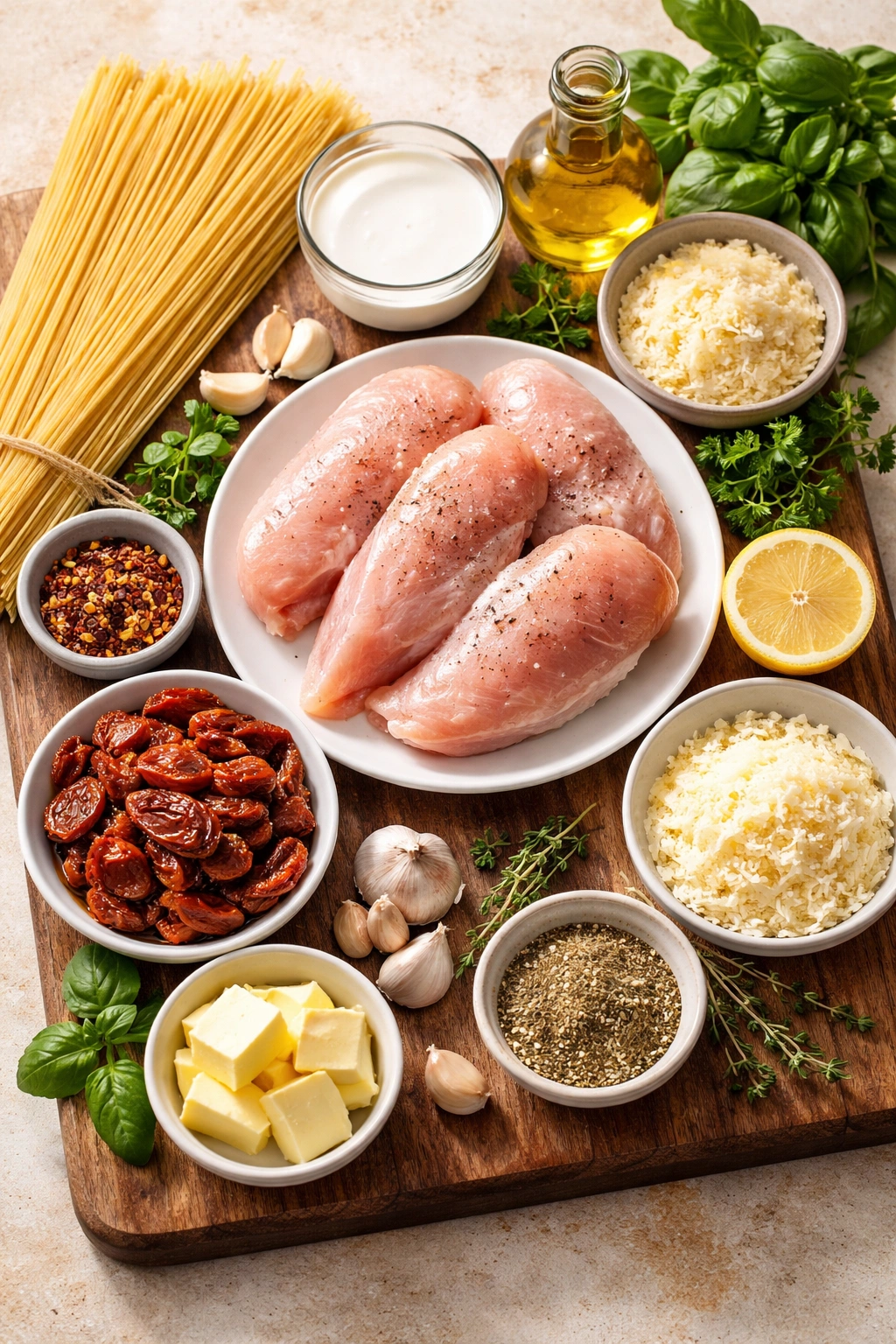
For the Chicken and Pasta:
- 1½ to 2 pounds boneless, skinless chicken breasts (or thighs), cut into 1-inch bite-sized pieces
- 1 pound pasta of your choice (penne, rigatoni, farfalle, or bowtie all work beautifully)
- 2 tablespoons extra-virgin olive oil
- 1 teaspoon kosher salt (divided)
- ½ teaspoon freshly cracked black pepper (divided)
For the Sauce:
- 3 tablespoons unsalted butter
- 4 to 5 cloves fresh garlic, minced
- 1 cup heavy cream (this is non-negotiable — do not substitute)
- ¾ to 1 cup chicken stock or broth (adjust based on how creamy you like the sauce)
- ½ cup sun-dried tomatoes (packed in oil), drained and roughly chopped
- ½ cup freshly grated Parmesan cheese (or a bit more if you love cheese)
- 1 teaspoon dried oregano
- 1 teaspoon Italian seasoning
- ¼ teaspoon crushed red pepper flakes (optional, but recommended)
- ¼ teaspoon fine sea salt (additional)
- ¼ teaspoon freshly cracked black pepper (additional)
For Finishing:
- Fresh basil leaves, torn or chopped (about ½ cup)
- Additional grated Parmesan cheese for garnish
- Reserved pasta cooking water (about ½ cup)
Preparing Your Ingredients
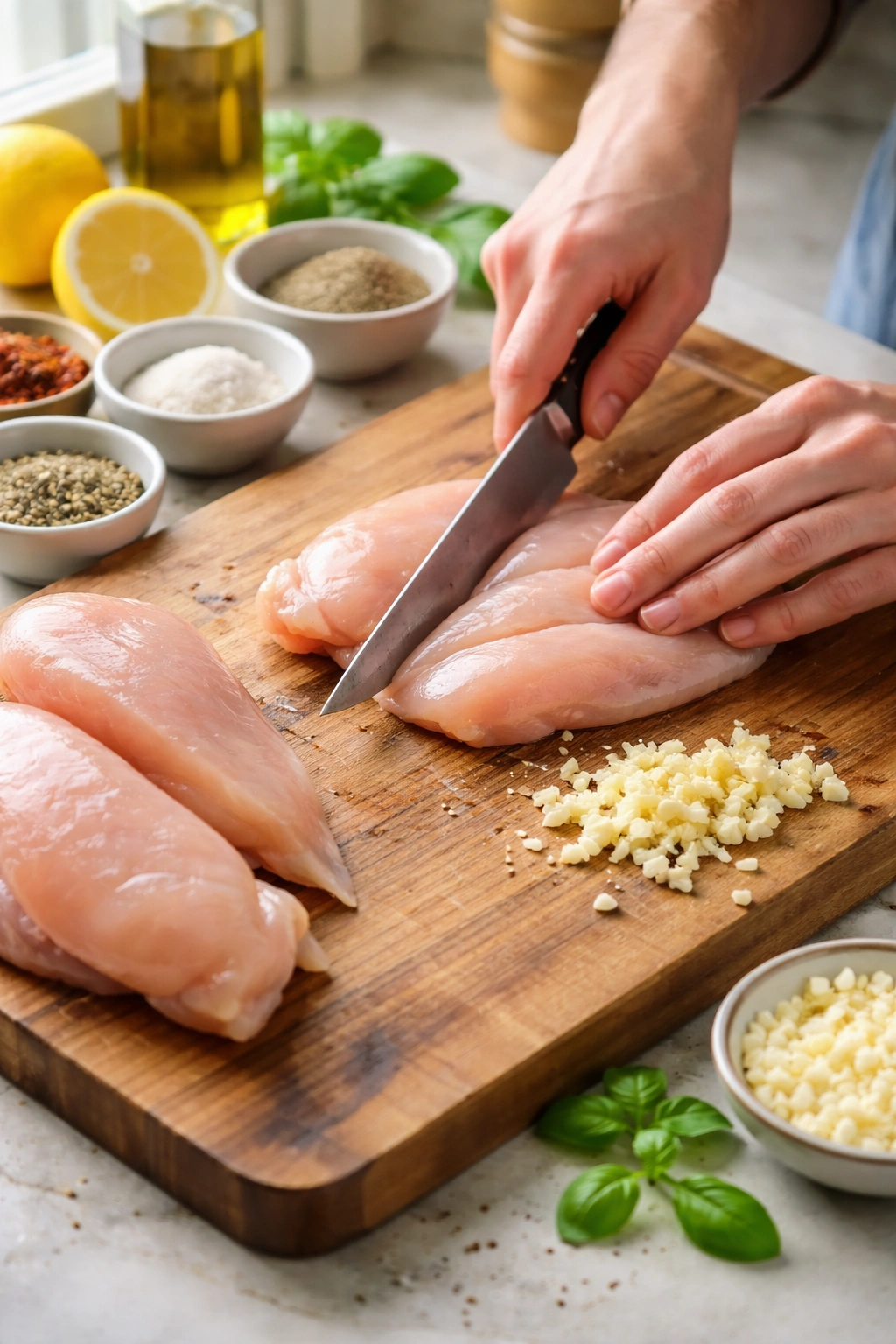
Success with this recipe begins before you ever turn on the heat. Taking time to prep properly means the actual cooking happens quickly and smoothly, which is crucial when you’re working with cream-based sauces that require your attention.
Start by cutting your chicken into uniform pieces. If your chicken breasts are particularly thick, you can slice them horizontally to create thinner pieces that cook more quickly. Pat the chicken dry with paper towels — this might sound like an unnecessary extra step, but dry chicken browns better than wet chicken. When you sear chicken that’s still damp from rinsing, it steams rather than sears, and you won’t get that golden-brown crust that adds so much flavor.
Season your chicken generously with salt and pepper while it’s still on the cutting board. Don’t wait to season it in the skillet. Getting the seasoning on the meat before it cooks ensures it absorbs properly rather than sitting on the surface.
Mince your garlic fresh. Fresh garlic makes a tangible difference in flavor compared to jarred garlic, which can taste harsh or metallic. If you’re mincing garlic by hand, use the flat side of your knife to crush the cloves first — this makes mincing faster and easier. Alternatively, a garlic press is one of those tools that pays for itself through convenience.
Measure out your sun-dried tomatoes and chop them roughly if they’re particularly large. If you’re using sun-dried tomatoes packed in oil, you can use some of that oil in place of olive oil for cooking the chicken — it adds an extra layer of flavor that’s quite lovely.
Have your cream, stock, and cheese measured and ready to go. Once you start building the sauce, things happen quickly, and you won’t want to hunt for ingredients while cream is heating.
Grate your Parmesan fresh rather than using pre-shredded. I know this feels like extra work, but the difference in melting and blending is genuinely significant. Pre-shredded cheese is coated with cellulose (anti-caking agent) that prevents it from melting smoothly into the sauce. You’ll end up with little flecks rather than an integrated, creamy sauce.
Get a large pot of salted water heating for your pasta. This should be boiling by the time you’re ready to cook the pasta, so start it early. The water should taste like the sea — generously salted. This is your only opportunity to season the pasta itself, so don’t be shy.
Making the Perfect Creamy Sun-Dried Tomato Sauce
Step 1: Brown the Chicken
Heat your olive oil in a large skillet over medium-high heat until it shimmers. This takes about a minute or so — you want the oil hot enough that it immediately sizzles when you add the chicken, but not so hot that it’s smoking.
Add your seasoned chicken pieces to the hot oil. Don’t stir immediately. Let the chicken sit for 2-3 minutes on the first side so it develops a golden-brown crust. This crust is where the flavor lives — it’s created through the Maillard reaction, a chemical process that generates new, delicious flavor compounds. Once the bottom is golden, stir the chicken and continue cooking for another 5-7 minutes, stirring occasionally, until the chicken is cooked through.
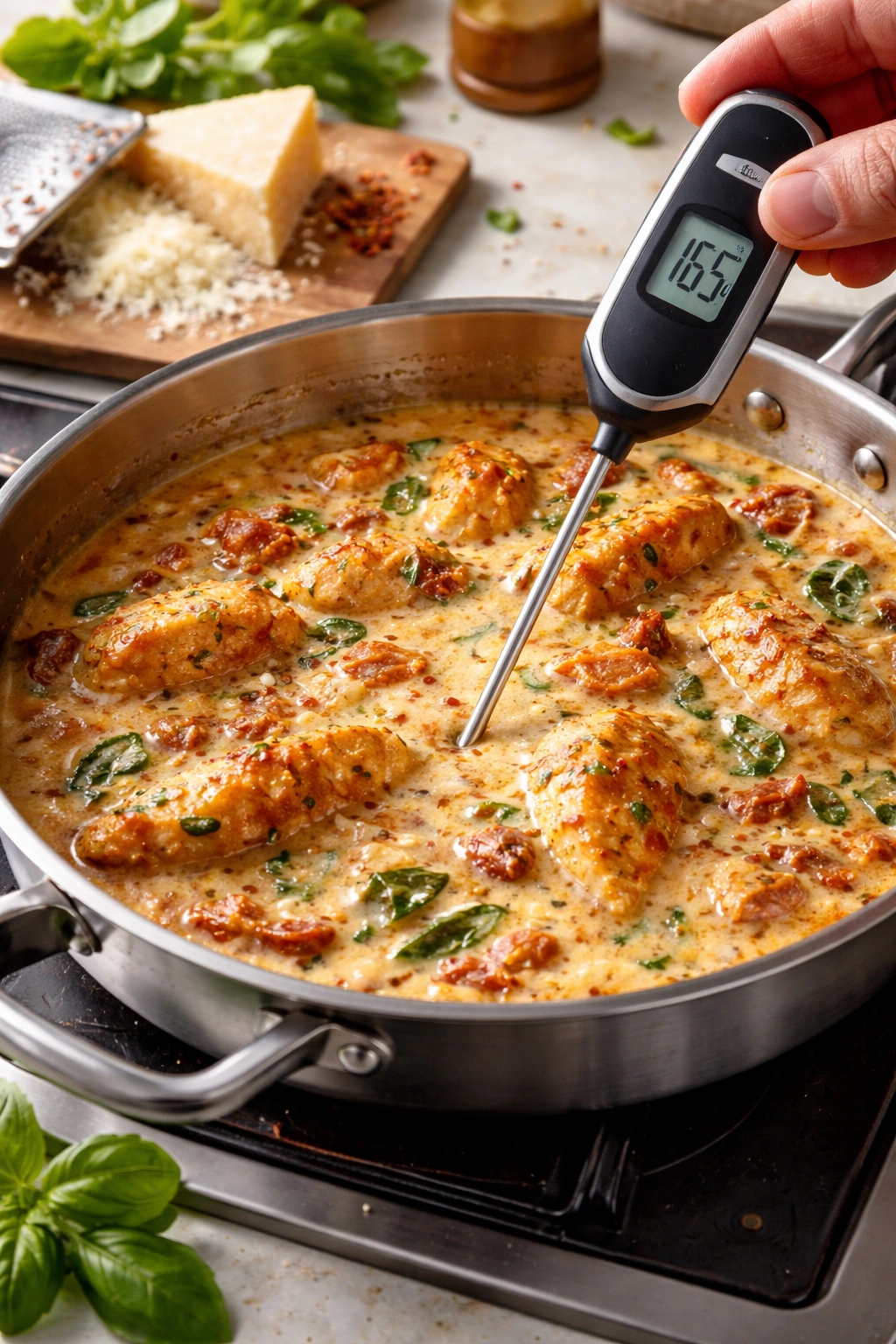
You’re looking for an internal temperature of 165°F (74°C) if you have a meat thermometer. If you don’t have one, cut the largest piece open — there should be no pink inside, and the juices should run clear. The chicken will continue cooking slightly in the sauce, so it’s fine if it’s just barely cooked through at this stage.
Transfer the cooked chicken to a clean plate. Don’t wash the skillet. Those browned bits stuck to the bottom are liquid gold — they’re called the fond, and they’re packed with flavor you’re about to dissolve into your sauce.
Step 2: Start Building the Sauce Base
Add your butter to the same skillet, still over medium heat. Once it melts and foams slightly, add your minced garlic. Cook for just 30 seconds to 1 minute, stirring constantly, until the garlic becomes fragrant. Be careful not to let it brown. Burnt garlic tastes bitter and harsh, which will ruin your sauce.
Step 3: Deglaze and Build Flavor
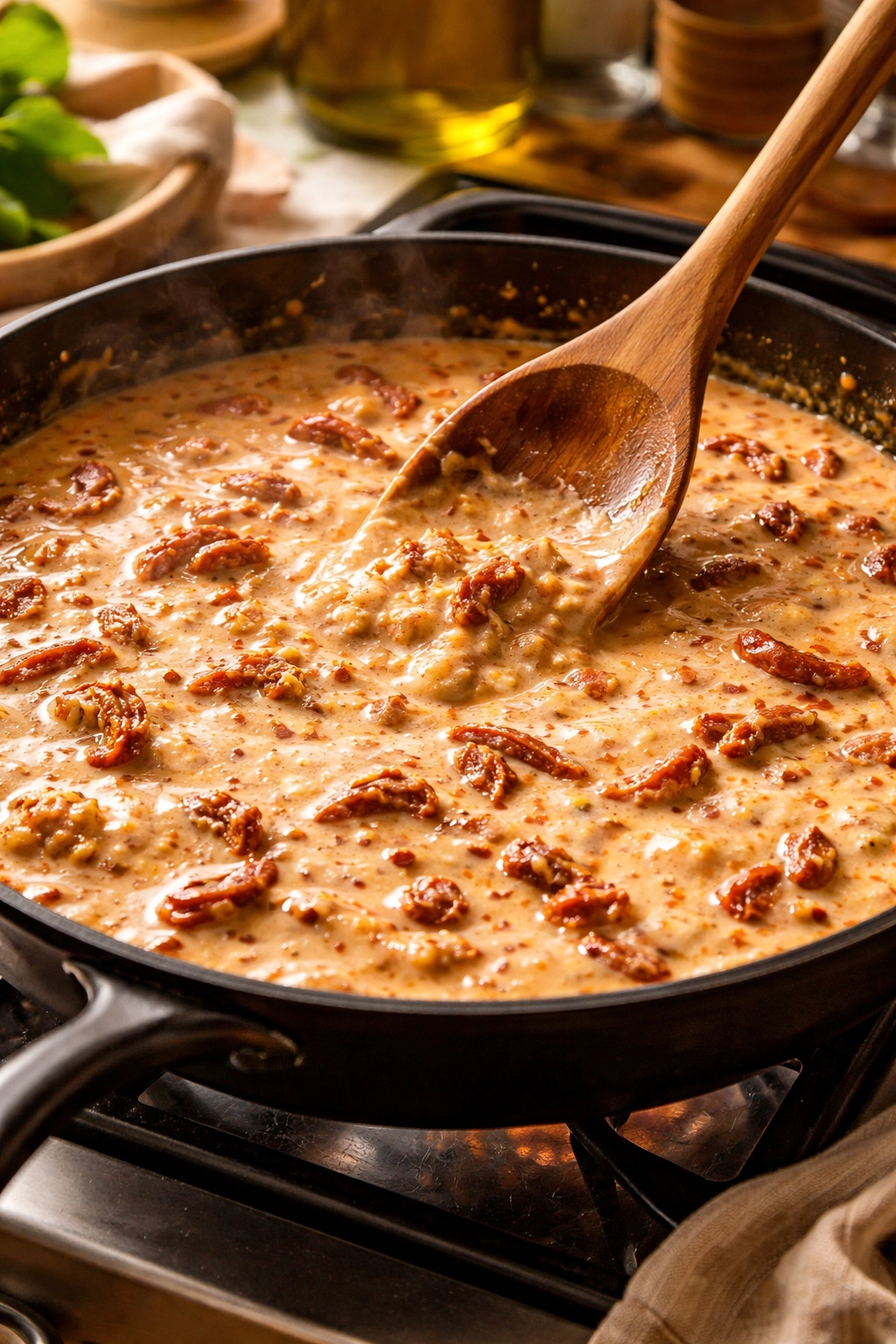
Now add your chicken stock to the pan. Use a wooden spoon or spatula to scrape up all those browned bits from the bottom of the pan. This process is called deglazing, and it’s how you extract all that built-up flavor and incorporate it into your sauce. Stir for a minute or so until the browned bits have dissolved into the liquid.
Add your chopped sun-dried tomatoes, oregano, Italian seasoning, and crushed red pepper flakes (if using). Stir everything together and let it simmer for 2-3 minutes. This allows the dried herbs to hydrate and release their essential oils, and it gives the sun-dried tomatoes a moment to soften and infuse the liquid with their concentrated flavor.
Step 4: Create the Cream Component
Reduce the heat to medium-low. This is important — once you add cream, you need to keep the heat moderate. High heat will cause cream to curdle and break, creating a grainy, separated sauce that’s unpleasant. Medium-low heat allows the cream to warm through and blend smoothly with the other ingredients.
Pour in your heavy cream and stir gently to combine. Add your Parmesan cheese and the additional salt and pepper. Stir constantly for 2-3 minutes, allowing the cheese to melt completely into the cream. The sauce should become glossy and thick, coating the back of a spoon.
Return the cooked chicken to the skillet, along with any juices that have accumulated on the plate. Stir gently to combine, ensuring all the chicken is coated in sauce. Let the sauce simmer on low heat for just 1-2 minutes to heat the chicken through completely. Don’t skip tasting at this point. Adjust seasonings as needed — you might want more salt, more pepper, or a pinch more of the red pepper flakes.
Cooking and Combining Everything
By the time your sauce is perfect, your pasta water should be boiling. Cook your pasta according to package directions, but aim for al dente — that means cooked through but still with a slight bite of texture. Pasta continues cooking slightly when you add it to the warm sauce, so slightly undercooking it ensures you won’t end up with mushy noodles.
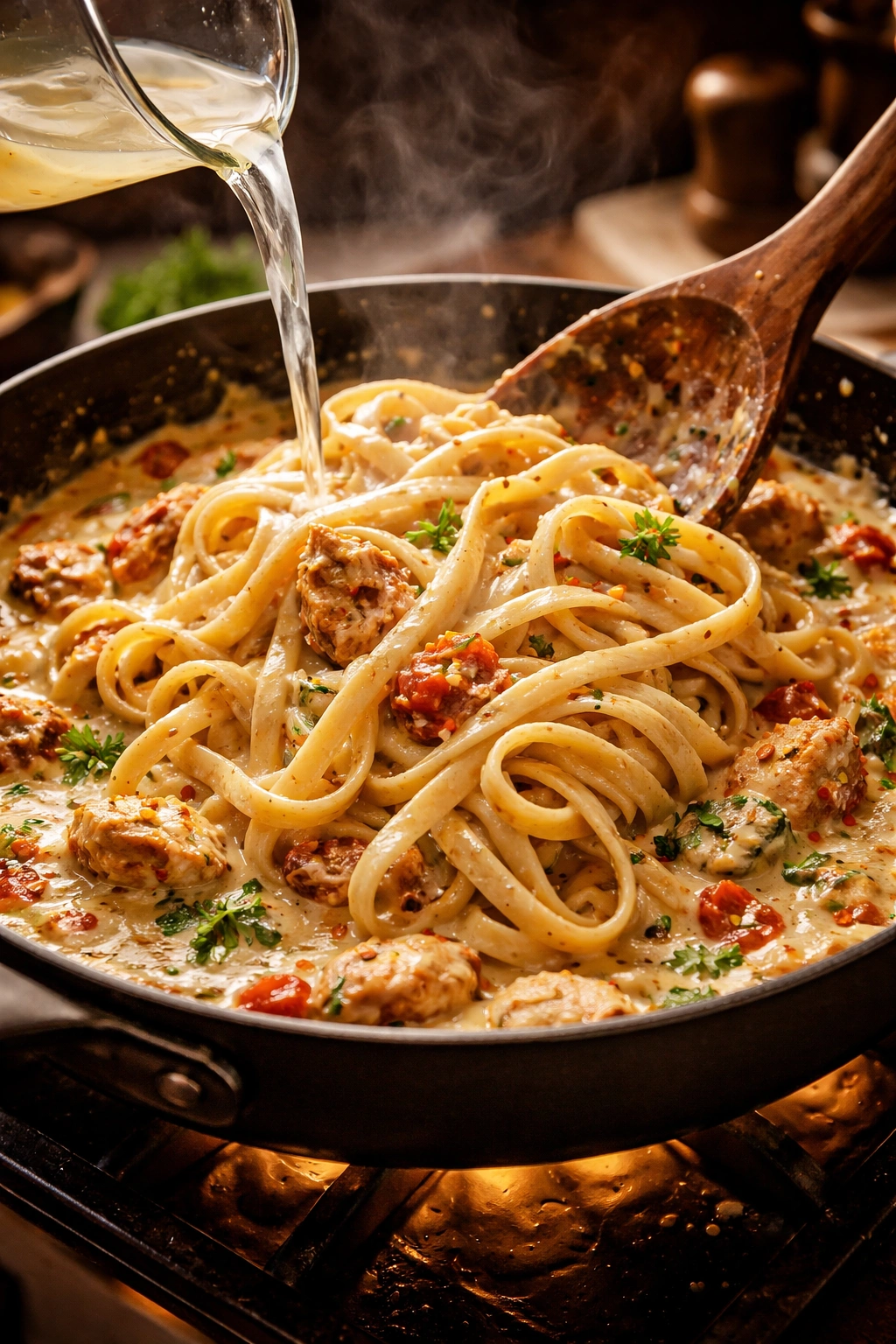
Before you drain the pasta, reserve about ½ cup of the pasta cooking water. This starchy liquid is useful if your sauce ends up thicker than you’d like once the pasta is added. The starch in the pasta water helps emulsify the sauce, making it glossier and silkier.
Drain your pasta thoroughly and add it directly to the skillet with your sauce. Toss gently but thoroughly, ensuring every piece of pasta gets coated. If the sauce seems too thick or sticky, add pasta water a tablespoon at a time, stirring between additions, until you reach your preferred consistency. The sauce should cling to the pasta without pooling excessively at the bottom of the skillet.
Tear fresh basil leaves into smaller pieces and fold them into the pasta gently. Fresh basil added at the end maintains its bright flavor and color, whereas cooking it breaks down those wonderful fresh notes.
Serve immediately in bowls or on plates, garnished with additional grated Parmesan and a few more basil leaves. A grind of fresh black pepper on top adds a nice final flourish.
Pro Tips for Restaurant-Quality Results
Temperature control is everything. This is the single most important tip for making this recipe successfully. Cream breaks and curdles when exposed to high heat, especially in the presence of acidic ingredients like tomatoes. Keep your heat at medium or medium-low from the moment you add cream until you finish eating. If your sauce ever looks grainy or separated, you went too hot. Prevention is easier than rescue, so err on the side of lower heat.
Use freshly grated Parmesan without exception. I know pre-shredded seems more convenient, but it genuinely won’t work the same way. The anti-caking agents prevent proper melting, and you’ll end up with a grainier texture. If you don’t own a box grater, a microplane grater is relatively inexpensive and produces beautifully fine shreds that melt seamlessly into sauce.
Don’t skip the deglazing step. Those browned bits on the bottom of the skillet are where much of your flavor comes from. Taking 30 seconds to scrape them up and dissolve them into your sauce pays dividends in the final dish. It’s the difference between good and absolutely incredible.
Season gradually throughout the cooking process. Season your chicken before cooking, taste your sauce before adding pasta, and taste again after combining everything. Layering seasonings throughout rather than adding it all at once creates more complex, developed flavor. You can always add more salt, but you can’t remove it once it’s in.
Save pasta water intentionally. That starchy water is genuinely useful. It helps create a silkier sauce that coats pasta better. Don’t underestimate this simple liquid — professional chefs rely on pasta water constantly because it actually works.
Cook pasta slightly underdone. Al dente pasta is already a common goal in Italian cooking, but it’s especially important here because your pasta will continue cooking slightly in the warm sauce while you’re combining and serving. Pasta that’s perfectly cooked in the pot might be slightly overcooked by the time it reaches your mouth. Undercooking slightly compensates for this.
Shred chicken from thighs more carefully. If you’re using chicken thighs instead of breasts, remember that they have slightly more sinew and gristle. Cut or shred carefully to remove any pieces you don’t want to bite into while eating.
Common Mistakes and How to Avoid Them
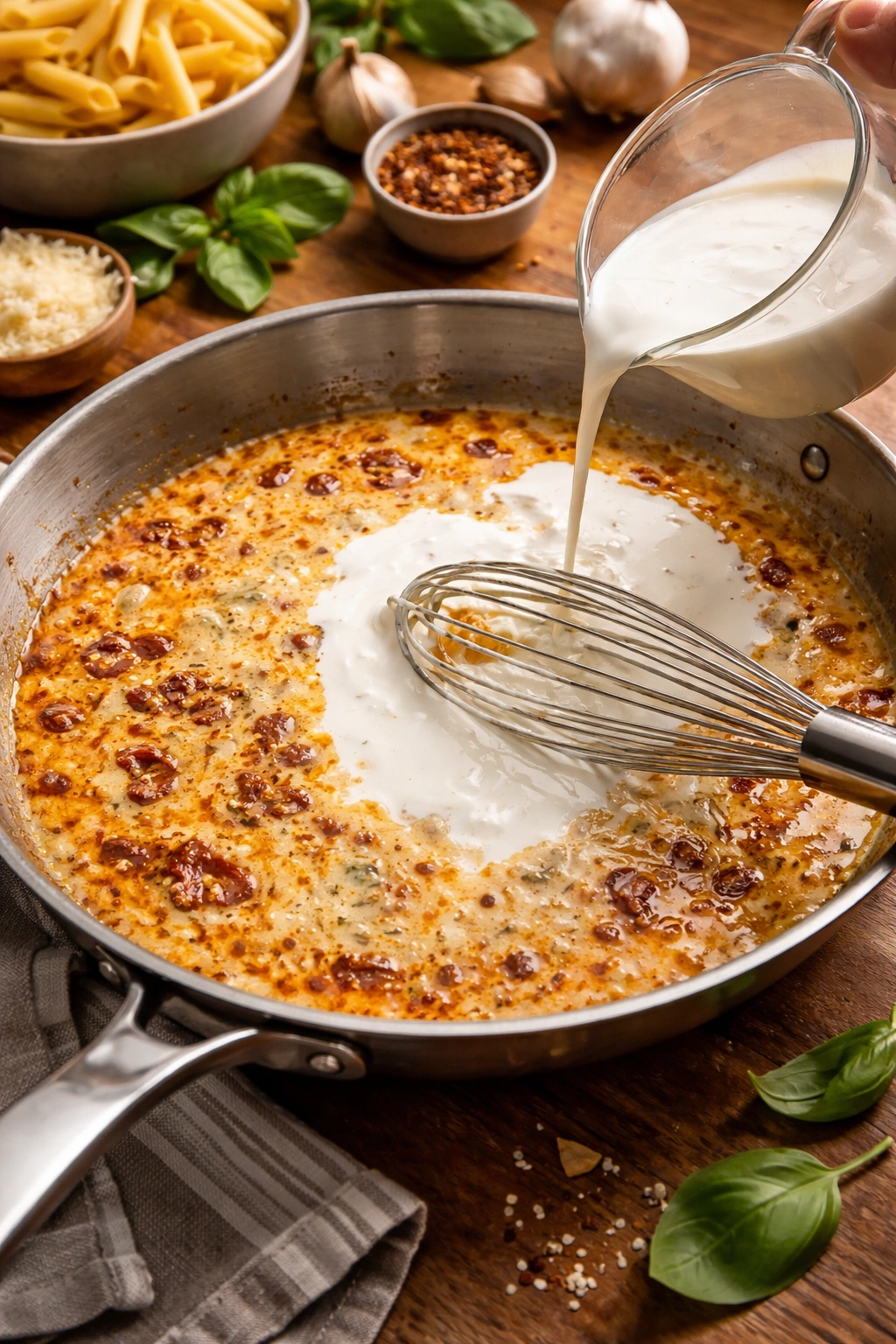
The Broken Sauce Problem: If your sauce separates or becomes grainy, you’ve exposed the cream to too much heat. This is fixable. Remove the skillet from heat and let it cool for a minute. Then, whisk in a tablespoon or two of cold cream or cold pasta water. This can sometimes bring the sauce back together. For future cooking, watch your heat like a hawk once cream enters the picture.
Overcooked Pasta: This is often the result of cooking pasta al dente as directed, then letting it sit in the warm sauce while you’re plating or getting everything ready. Cooked pasta will continue absorbing liquid and softening. If you’re not plating immediately, store cooked pasta separately until you’re ready to combine it with sauce.
Sauce Too Thick: This happens because pasta is starchy and continues to absorb liquid. If your sauce seems overly thick once the pasta is combined, add pasta water a tablespoon at a time. The sauce will gradually loosen and become glossier. There’s no rushing this — go slowly so you don’t add too much.
Underseasoned Final Dish: Many people season their chicken and assume that’s enough, then forget to taste the sauce itself. The sauce needs its own seasoning on top of the seasoned chicken. Taste it before adding pasta. Taste it again after combining everything. This single habit will elevate your cooking more than almost anything else.
Chicken That’s Dry or Tough: This typically happens from overcooking. Use a meat thermometer and pull your chicken at 165°F rather than cooking it until the meat falls apart. Additionally, the chicken will continue cooking in the warm sauce, so it’s okay if it’s just barely cooked through when you transfer it to the plate.
Watery Sauce with No Body: This usually means you used low-fat dairy or added too much stock. Heavy cream creates the body you need. If you substituted, that’s your culprit. For future cooking, stick with heavy cream and measure stock carefully. You can always add more, but you can’t remove it.
Variations to Keep It Fresh
Once you’ve mastered the basic version, experimenting with variations keeps the dish exciting and prevents you from getting bored despite making it repeatedly.
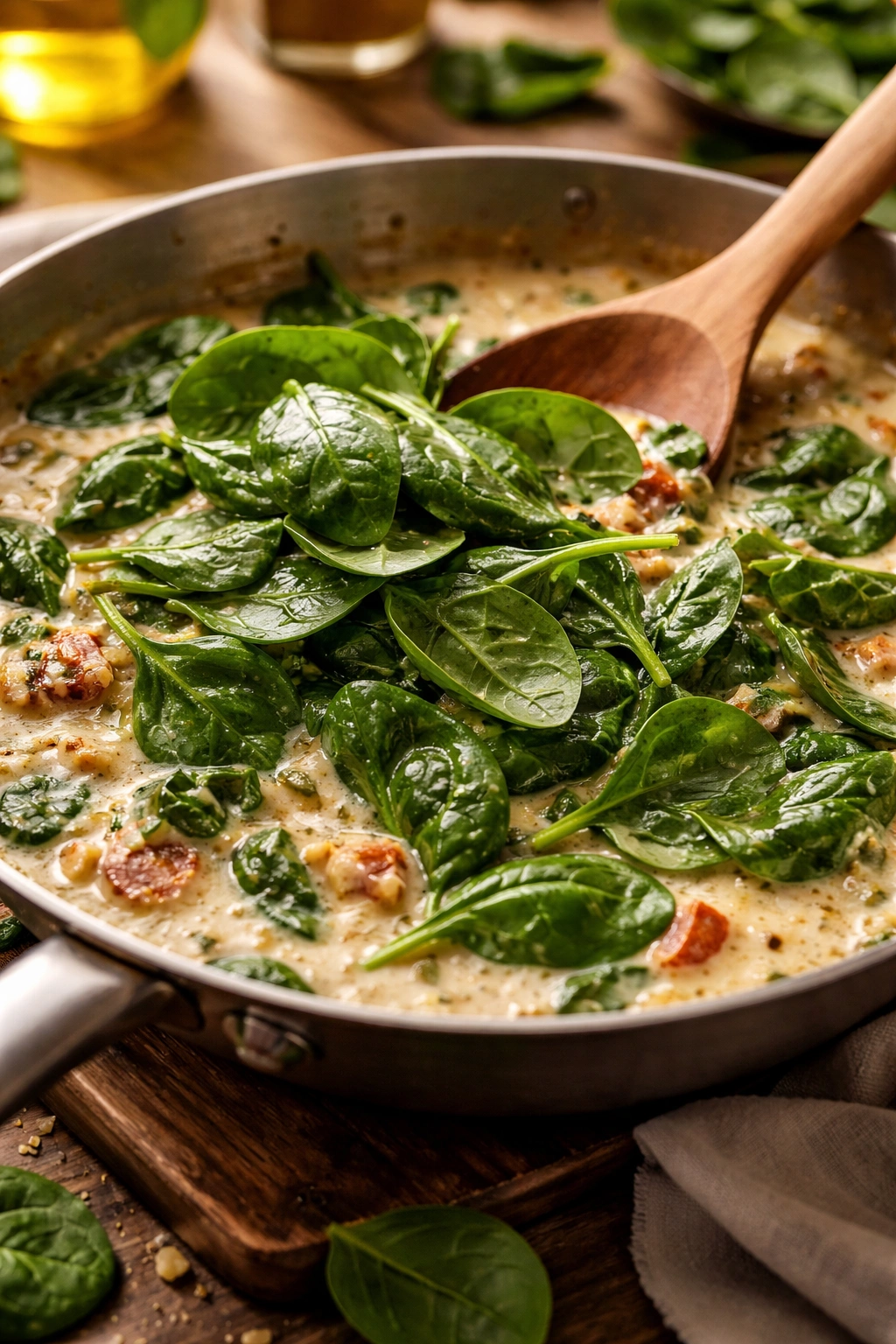
The Spinach Addition: Stir in two to three generous handfuls of fresh baby spinach just before serving. The residual heat from the sauce wilts the spinach perfectly without cooking out all the nutrition. The green adds color, nutrition, and a subtle earthiness that complements the creamy tomato sauce beautifully. Spinach is perhaps the most common addition to this recipe, and for good reason.
Mushroom Variation: Add sautéed mushrooms to the sauce. Cremini, button, or even wild mushrooms work beautifully. Sauté them in a separate pan until they release their moisture and begin to brown, then add them to your sauce about a minute before adding the pasta. Mushrooms add an earthy, umami depth that makes the dish feel even more restaurant-quality.
Wine Addition: A splash of dry white wine added to your sauce (after you deglaze the pan) adds brightness and acidity that balances the richness. Use about ¼ cup and let it simmer for a minute to reduce slightly before adding your stock. Sauvignon Blanc or Pinot Grigio are excellent choices.
Red Pepper Kick: If you love heat, increase the crushed red pepper flakes or add fresh chopped chili peppers. The spice works beautifully with the sweetness of the sun-dried tomatoes and the richness of the cream.
Vegetarian Version: Replace chicken with hearty vegetables like roasted mushrooms, chickpeas, or a plant-based chicken alternative. Use vegetable stock instead of chicken stock. The sauce carries the dish even without meat, and the sun-dried tomatoes provide all the flavor you need.
Lighter Version: Use half heavy cream and half whole milk, or even use Greek yogurt stirred in at the end instead of some of the cream. You’ll lose some of the indulgent richness, but the dish remains quite delicious and slightly less heavy. The trade-off is that lower-fat dairy has a higher risk of curdling, so keep your heat particularly moderate if you make this substitution.
Shrimp Swap: Some cooks prefer shrimp to chicken. Large shrimp work well — cook them the same way as the chicken, and they’ll be done in about 5 minutes. The sauce complements shrimp beautifully, especially with the addition of fresh lemon zest just before serving.
Fresh Tomato Hybrid: Use a combination of sun-dried tomatoes (for concentrated flavor) and fresh tomatoes (for brightness). Dice fresh tomatoes and add them to the sauce near the end. This variation is particularly lovely during warmer months when fresh tomatoes are abundant.
Herb Experimentation: The oregano and Italian seasoning are foundational, but don’t be afraid to experiment with fresh thyme, fresh rosemary (use sparingly), or fresh dill. Different herbs create subtly different flavor profiles while maintaining the essential character of the dish.
Cream Cheese Substitute: Some recipes use a tablespoon or two of cream cheese in place of some of the heavy cream. Cream cheese creates a slightly thicker sauce and adds a subtle tanginess. It’s not necessary, but if you have it on hand and want to experiment, it works.
Storage and Reheating Like a Pro
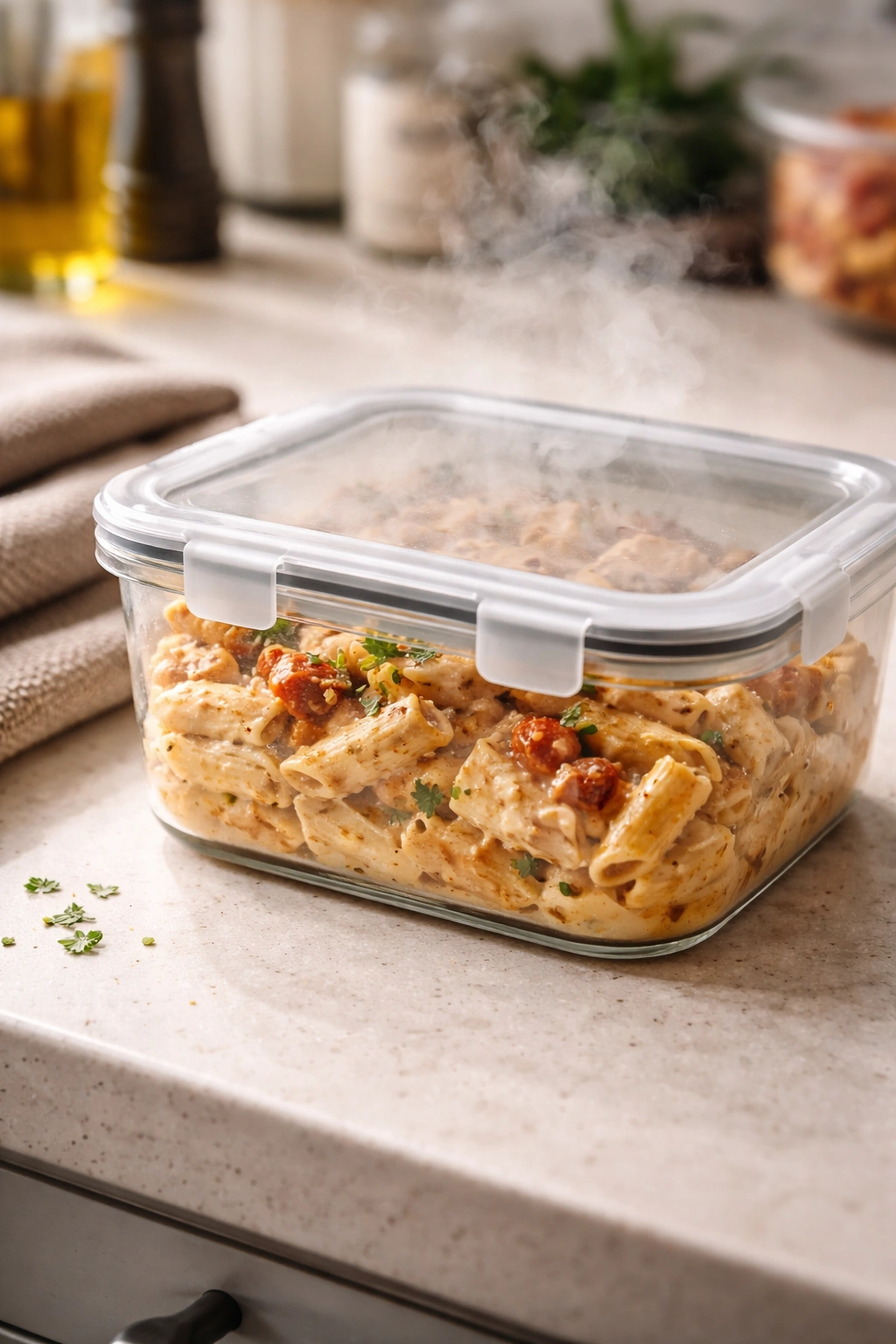
Refrigerator Storage: Place leftovers in an airtight container and refrigerate for up to four days. The pasta will continue absorbing sauce as it sits, creating a thicker, more compact dish. This actually works fine if you’re just eating it cold or at room temperature, but if you’re reheating, you’ll appreciate having loose sauce to work with.
Reheating on the Stovetop: This is the gentlest method. Place leftover pasta in a skillet over medium-low heat. Add a splash of heavy cream, a splash of chicken stock, or a splash of pasta water. Stir gently and frequently while it heats through, which usually takes about five minutes. The added liquid helps loosen the sauce back to its original consistency.
Microwave Reheating: Place leftovers in a microwave-safe container and add a splash of cream or stock. Microwave in 30-second intervals, stirring between each interval, until heated through. Microwaving is faster but slightly less gentle on the sauce. Check the texture and adjust with more liquid if needed.
Freezing: Heavy cream sauces can be finicky when frozen and thawed. While technically you can freeze this dish, the sauce may separate slightly upon thawing. I don’t recommend freezing this particular recipe. It reheats beautifully from the fridge, and it’s so quick to make fresh that there’s really no need to freeze it.
Make-Ahead Strategy: You can prepare the sauce and chicken separately in advance, then combine them with fresh-cooked pasta when you’re ready to eat. Cook your chicken and sauce, cool them separately, refrigerate them separately, and reheat gently when you want to serve. Cook fresh pasta just before eating for the best texture. This strategy gives you the convenience of advance prep without the texture issues that come from freezing.
What to Serve Alongside Your Pasta
This creamy, rich pasta absolutely deserves accompaniments that complement rather than compete.
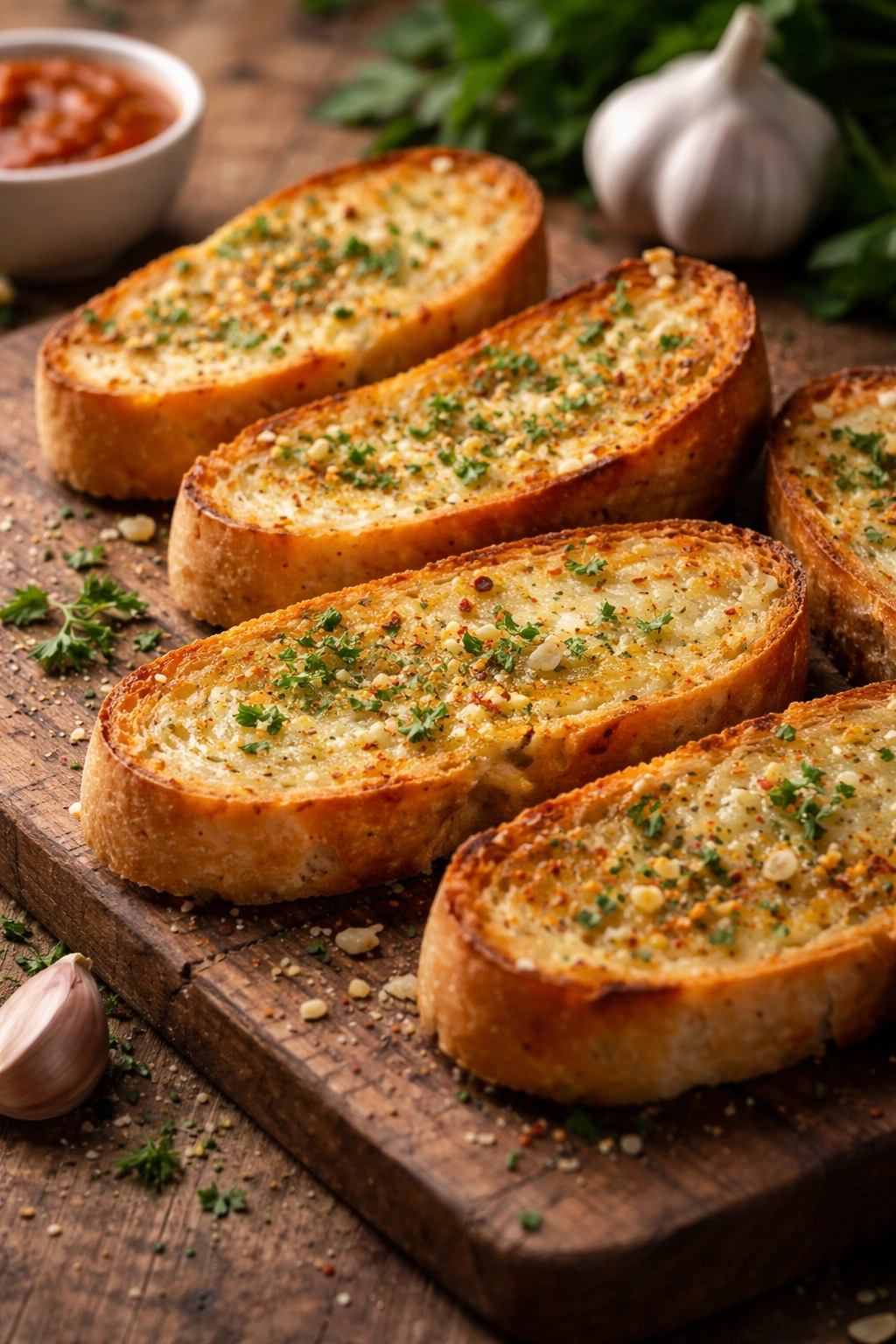
Crispy Garlic Bread: A crusty Italian bread brushed with olive oil and minced garlic, then baked until golden, is the perfect vehicle for soaking up every last drop of sauce. Homemade garlic bread takes about 15 minutes in the oven while your pasta cooks, so timing works beautifully. If you don’t have time for homemade, quality bakery bread with butter and garlic salt works almost as well.
Fresh Green Salad: Serve a simple salad with peppery arugula or crisp romaine dressed in a light vinaigrette. The acidity and freshness provide a palate-cleansing contrast to the rich, creamy pasta. A lemon or red wine vinaigrette works beautifully. Keep the salad dressing light so it doesn’t compete with the main dish.
Roasted Vegetables: Roasted asparagus, roasted broccoli, or roasted Brussels sprouts add nutrition and textural contrast. The slight char from roasting creates interesting flavors that complement the creamy sauce without being too heavy.
Caesar Salad: A classic Caesar with crisp romaine, Parmesan shavings, and homemade croutons is a traditional pairing that works for a reason. The salty, creamy dressing complements the pasta’s sauce beautifully.
Wine Pairing: A crisp white wine like Pinot Grigio, Sauvignon Blanc, or Albariño pairs beautifully with this rich dish. The acidity cuts through the cream, preventing the meal from feeling one-dimensional or heavy. A light rosé works in warmer months.
Sparkling Water: If you prefer non-alcoholic beverages, sparkling water with fresh lemon or lime is refreshing and cleansing between bites.
Garlic Knots: These small, garlicky bread knots are less formal than full garlic bread but equally delicious for soaking up sauce. They’re also fun to eat and add a casual, friendly element to the meal.
Bruschetta: Toasted bread topped with diced fresh tomatoes, garlic, basil, and olive oil provides a fresh, bright appetizer that wakes up your palate before the main course.
Why People Make This Over and Over
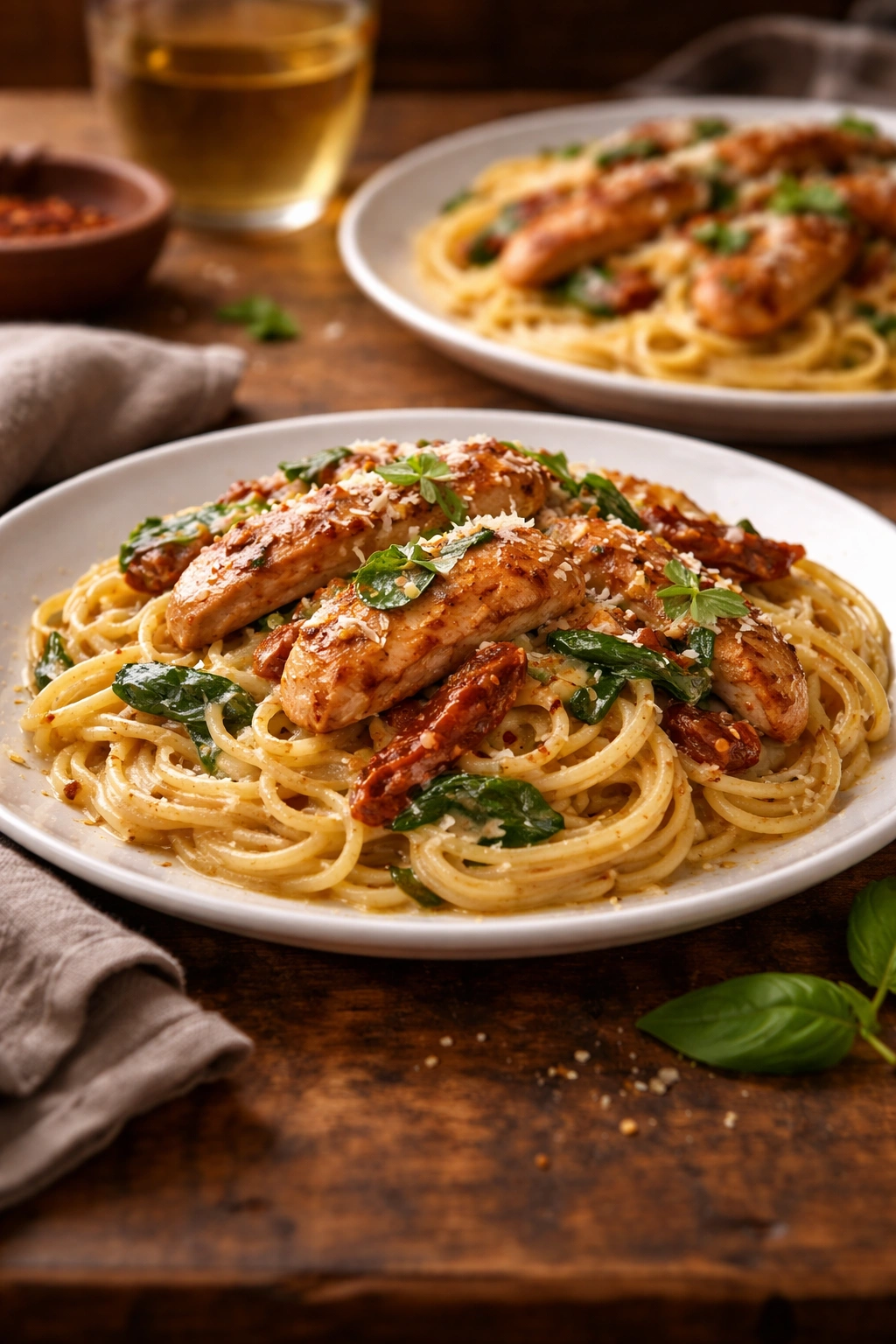
There’s a reason this pasta transcends trend status and becomes a true favorite that people cook repeatedly. Understanding this might help you appreciate it even more deeply.
It’s Fast But Doesn’t Feel Rushed: In about 30 minutes, you’ve created something that tastes like it took hours. That combination of convenience and impressive results is genuinely addictive. Home cooks get excited about meals that deliver high reward for reasonable effort.
The Flavor Is Complex But Harmonious: You’re not tasting a single dominant flavor. You’re tasting the interplay of garlic, cream, Parmesan, sun-dried tomatoes, and herbs working together. Each element contributes to the whole, creating something that feels substantial and satisfying rather than one-note.
It Works for Nearly Every Occasion: This pasta is equally at home at a casual weeknight dinner and an elegant date night. You can dress it up or down. You can cook it for yourself or a crowd. It’s genuinely versatile in that way, which means it stays relevant in your cooking rotation.
The Recipe Is Forgiving: Unlike some cream sauces that require absolute precision, this one has built-in forgiveness. A few extra minutes of cooking doesn’t ruin it. A slight variation in ingredient amounts doesn’t change it dramatically. It’s hard to mess up once you understand the basic principles, which is empowering for home cooks.
Leftovers Actually Work: Most cream-based pastas suffer in the fridge, becoming congealed and unappetizing. This one reheats so beautifully that you almost look forward to leftovers. You can reheat it, add fresh spinach or other vegetables, and have a completely different meal from the original.
It Genuinely Tastes Expensive: Home cooks love recipes where humble ingredients create results that taste like they cost three times what they actually did. That’s the magic of this pasta. Your grocery bill is modest, but your finished dish tastes like something from a special-occasion restaurant.
There’s Room to Grow and Experiment: The basic recipe is straightforward enough to master quickly, but interesting enough that you can spend years finding variations you love. Once you know the fundamentals, you have infinite ways to play with it.
Final Thoughts
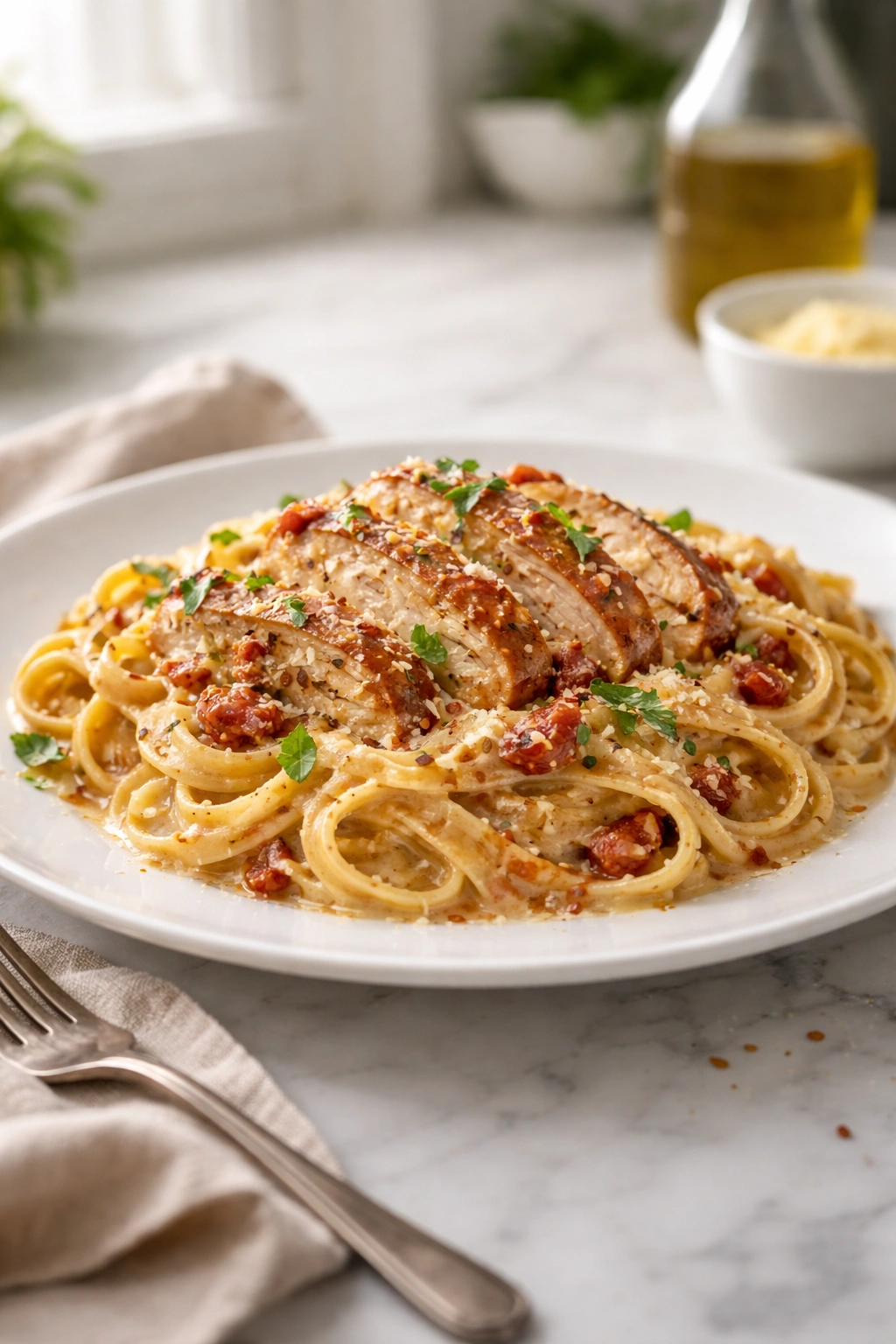
Marry Me Chicken Pasta earned its devoted following because it delivers on every level. It’s fast, it’s delicious, it’s impressive, and it’s something you’ll want to make again and again. The first time you make it, you’ll understand why it went viral. The fifth or tenth time you make it, you’ll appreciate how reliably satisfying it is.
The beauty of this recipe is that it requires no special skills or equipment, just an understanding of basic cooking principles and respect for the ingredients. Use fresh garlic, use heavy cream, don’t overheat your sauce, and you’ll have a winner every single time.
Whether you’re making it for someone you’re trying to impress or just because you want a truly excellent dinner on a regular Tuesday night, this pasta delivers. Keep the ingredients on hand because once you’ve made this, you’ll find yourself craving it regularly. And that’s not just a recommendation — that’s a promise based on countless home cooks who’ve discovered what makes this dish so special.
